

Introduction
When a canine companion receives a diagnosis of renal failure, a significant shift in care becomes necessary to support their health and quality of life. Renal failure, also known as kidney disease, means the kidneys are no longer efficiently filtering waste products from the blood, impacting various bodily functions. A specialized renal failure diet for dogs is not merely a suggestion but a critical component of managing this condition. Understanding what a renal diet entails and why it is essential empowers dog owners to play an active role in their pet’s well-being. This dietary modification aims to reduce the burden on compromised kidneys, minimize the buildup of toxins, and provide optimal nutrition to help slow the progression of the disease and improve a dog’s comfort and longevity.
💡 Pet Care Key Takeaways:
- Core Focus: Practical health, nutrition, and wellness guidelines for Renal Failure Diet For Dogs.
- Target Scope: Pet owners, animal caregivers, and veterinary support staff.
- Best Recommendation: Maintain consistent daily routines and consult an accredited veterinarian before introducing major diet or medical changes.
Common Causes and Key Factors
Renal failure in dogs can stem from various underlying causes, ranging from acute injuries or infections to chronic conditions that develop over time. Common factors contributing to kidney disease include advancing age, genetic predispositions in certain breeds, dental disease leading to bacterial spread, exposure to toxins (such as certain medications or antifreeze), and other systemic illnesses. For more related activities, check out our Natural Balance Puppy Food Quantity Chart.
Regardless of the initial cause, once kidney function declines, the organs struggle to perform their vital roles in filtering waste, regulating blood pressure, and producing hormones. At this point, dietary intervention becomes paramount. The key factors that a renal diet addresses include:
- Protein Management: While protein is essential, its metabolism produces nitrogenous waste products (like urea) that healthy kidneys filter. For dogs with renal failure, protein intake needs careful adjustment to reduce this waste burden without causing muscle wasting.
- Phosphorus Restriction: Damaged kidneys struggle to excrete phosphorus, leading to elevated levels in the blood. High phosphorus can exacerbate kidney damage and contribute to other health issues, making its restriction crucial.
- Sodium Control: Managing sodium intake helps control blood pressure, which often becomes elevated in dogs with kidney disease, further stressing the kidneys and cardiovascular system.
- Omega-3 Fatty Acids: These beneficial fats can help reduce inflammation, a common component of chronic kidney disease.
- Adequate Hydration and Calorie Intake: Ensuring sufficient water intake is vital, and the diet must still provide enough calories to prevent weight loss, which is common in affected dogs due to reduced appetite.
Signs and Symptoms to Observe
Recognizing the signs and symptoms of kidney disease is crucial for timely diagnosis and intervention, including the implementation of a renal failure diet. The observable indicators can vary in severity and presentation depending on the stage of the disease, a dog’s age, and its individual physiology. Owners often notice changes in behavior or physical condition that warrant veterinary attention.
Common signs associated with renal decline include:
- Increased Thirst (Polydipsia) and Urination (Polyuria): This is often one of the earliest and most noticeable signs, as damaged kidneys struggle to concentrate urine, leading to more frequent and larger volumes of urination, which in turn causes increased thirst.
- Decreased Appetite and Weight Loss: Dogs with kidney disease may show a reduced interest in food, leading to a noticeable loss of body condition and muscle mass.
- Lethargy and Weakness: A general lack of energy, increased sleeping, and reluctance to play or exercise can be observed due to the buildup of toxins.
- Vomiting and Nausea: The accumulation of toxins in the bloodstream can irritate the gastrointestinal tract, leading to episodes of vomiting.
- Poor Coat Quality: A dull, unkempt coat can indicate underlying health issues, including kidney disease.
- Bad Breath (Uremic Breath): A distinct, often metallic or ammonia-like odor on a dog’s breath can occur due to the buildup of urea and other waste products.
- Changes in Mouth or Gums: Oral ulcers or pale gums may also be present in advanced stages.
Should any of these signs appear, prompt veterinary consultation is essential to obtain an accurate diagnosis and develop an appropriate management plan, which almost always includes a specialized renal failure diet.
Practical Solutions and Management Strategies
Implementing a renal failure diet for dogs involves specific adjustments aimed at supporting kidney function and minimizing the progression of the disease. This is a primary, ongoing management strategy that requires consistency and careful monitoring.
The cornerstone of a renal diet is modifying nutrient levels:
- Controlled Protein Levels: The goal is to provide high-quality protein in moderate amounts. This means offering protein that is highly digestible and provides all essential amino acids, but in a quantity that reduces the production of nitrogenous waste products.
- Reduced Phosphorus: Commercial prescription renal diets are specifically formulated with significantly lowered phosphorus levels. If a homemade diet is considered (only under strict veterinary guidance), meticulous attention to phosphorus content in ingredients is paramount, often requiring phosphorus binders to be added to food.
- Controlled Sodium: Lowered sodium content helps manage hypertension, a common complication of kidney disease, thereby protecting the kidneys and heart.
- Increased Omega-3 Fatty Acids: Often, renal diets are supplemented with omega-3 fatty acids, particularly from fish oil, due to their anti-inflammatory properties, which can benefit kidney health.
- Increased Water-Soluble Vitamins: Dogs with kidney disease may lose water-soluble vitamins through increased urination, so diets often include higher levels of B vitamins.
- Adequate Calorie Density: Despite restrictions, the diet must be calorically dense and palatable to ensure the dog consumes enough energy, preventing muscle loss and maintaining body weight.
- Promoting Hydration: Encouraging water intake is crucial. This can involve ensuring constant access to fresh water, using water fountains, or opting for wet or canned prescription renal diets over dry kibble to increase moisture consumption.
Transitioning to a new renal diet should always be gradual, typically over 7-10 days, to avoid digestive upset. Monitoring the dog’s acceptance of the new food and observing for any adverse reactions is important. Regular veterinary check-ups and blood work are necessary to assess the effectiveness of the diet and make any required adjustments.
When Professional Help May Be Needed
Managing renal failure in dogs is a complex endeavor that necessitates close collaboration with veterinary professionals. The initial diagnosis of kidney disease, the recommendation for a renal failure diet, and ongoing adjustments to the care plan are all areas where professional veterinary guidance is indispensable.
Veterinary consultation is crucial in the following circumstances:
- Diagnosis Confirmation: Any suspicion of kidney disease based on observed symptoms warrants immediate veterinary examination, including blood tests and urinalysis, to confirm the diagnosis and determine the stage of the disease.
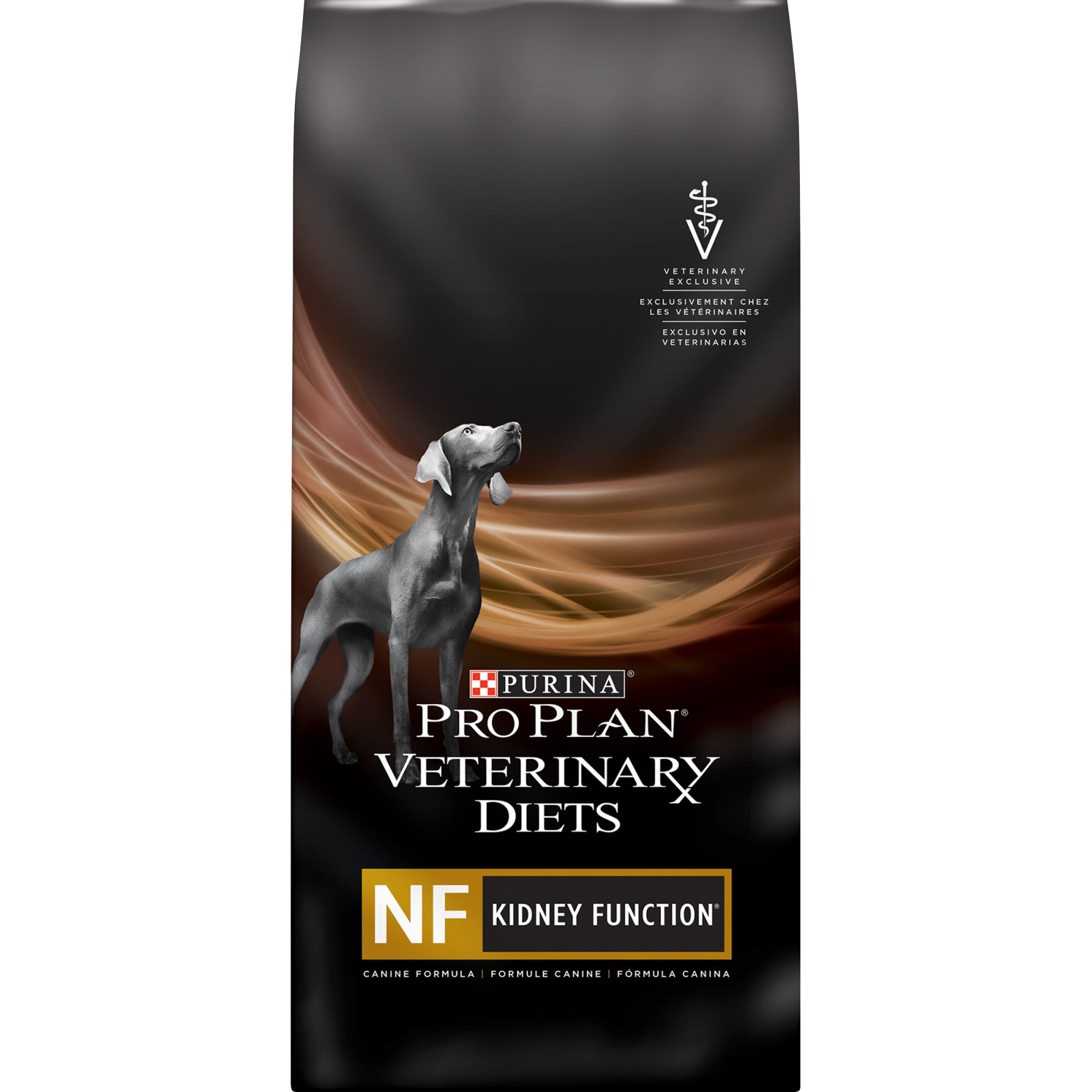
- Diet Prescription: Specialized prescription renal diets are formulated to meet the precise nutritional needs of dogs with kidney failure. A veterinarian will recommend the most appropriate diet based on the dog’s specific condition, stage of disease, and individual preferences.
- Monitoring and Adjustments: Dogs on a renal diet require regular follow-up appointments, including blood work and urinalysis, to monitor kidney function, electrolyte balance, and overall health. Based on these results, the veterinarian may adjust the specific diet, introduce supplements (like phosphorus binders), or modify other aspects of treatment.
- Weight Loss or Poor Appetite: If a dog on a renal diet continues to lose weight, refuses to eat, or experiences persistent vomiting, immediate veterinary attention is necessary. These symptoms may indicate disease progression or that the current diet is not meeting the dog’s needs.
- Consideration of Homemade Diets: While some owners explore homemade diets, these must be formulated by a board-certified veterinary nutritionist to ensure they are complete, balanced, and appropriate for a dog with renal failure. Unbalanced homemade diets can be detrimental to a dog’s health.
- Sudden Worsening of Symptoms: Any sudden and significant decline in a dog’s health, such as severe lethargy, collapse, or inability to urinate, constitutes an emergency and requires immediate veterinary intervention.
Working closely with a veterinarian ensures that the management plan, including the renal failure diet, remains optimized for the dog’s health and comfort throughout the course of the disease.
Conclusion
A renal failure diet for dogs represents a vital, non-negotiable aspect of managing kidney disease, offering a cornerstone of support for canine companions facing this challenging diagnosis. Through precise control of protein, phosphorus, sodium, and the careful inclusion of beneficial nutrients, these specialized diets aim to alleviate the workload on compromised kidneys, minimize toxin accumulation, and significantly enhance a dog’s comfort and longevity. Consistent adherence to veterinary-prescribed dietary plans, combined with vigilant observation of a dog’s behavior and physical condition, empowers owners to provide the best possible care. Close collaboration with a trusted veterinarian remains paramount, ensuring that dietary strategies are continually optimized to meet a dog’s evolving needs, ultimately fostering improved well-being and a better quality of life.
Pet Care & Wellness Overview Table
| Life Stage | Daily Activity Level | Key Nutrition / Care Focus |
|---|---|---|
| Puppy / Kitten | High (frequent short bursts) | High-protein growth diet & early socialization |
| Adult Companion | Moderate (30–60 mins daily) | Balanced maintenance nutrition & dental hygiene |
| Senior Pets | Low to Gentle (mindful walks) | Joint support (Glucosamine) & routine vet checks |
Images References






For more expert pet care tips and advice, check out our dedicated Dog Nutrition guides to keep your companions healthy and happy.




