
Introduction
The “training leash” stands as an indispensable tool in the journey of developing a well-behaved canine companion. Far more than a mere tether for restraint, a training leash serves as a critical communication line between a dog and its handler, facilitating guidance, safety, and learning. Its importance becomes evident from the earliest stages of puppyhood through advanced obedience work, addressing common challenges such as pulling, reactivity, and establishing reliable recall. Understanding the appropriate use and selection of a training leash significantly impacts a dog’s ability to navigate the world confidently and politely, ultimately enhancing its well-being, improving its behavior, and strengthening the bond with its owner.
💡 Pet Care Key Takeaways:
- Core Focus: Practical health, nutrition, and wellness guidelines for Training Leash.
- Target Scope: Pet owners, animal caregivers, and veterinary support staff.
- Best Recommendation: Maintain consistent daily routines and consult an accredited veterinarian before introducing major diet or medical changes.
Common Causes and Key Factors
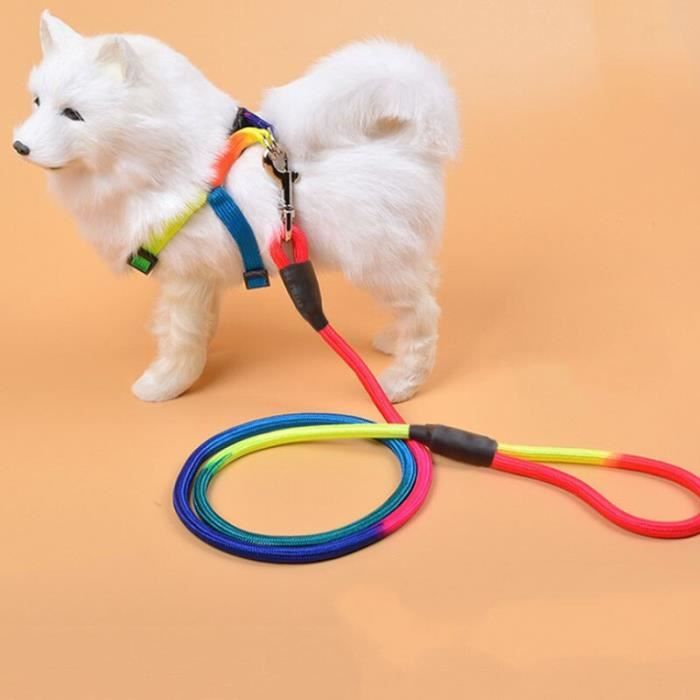
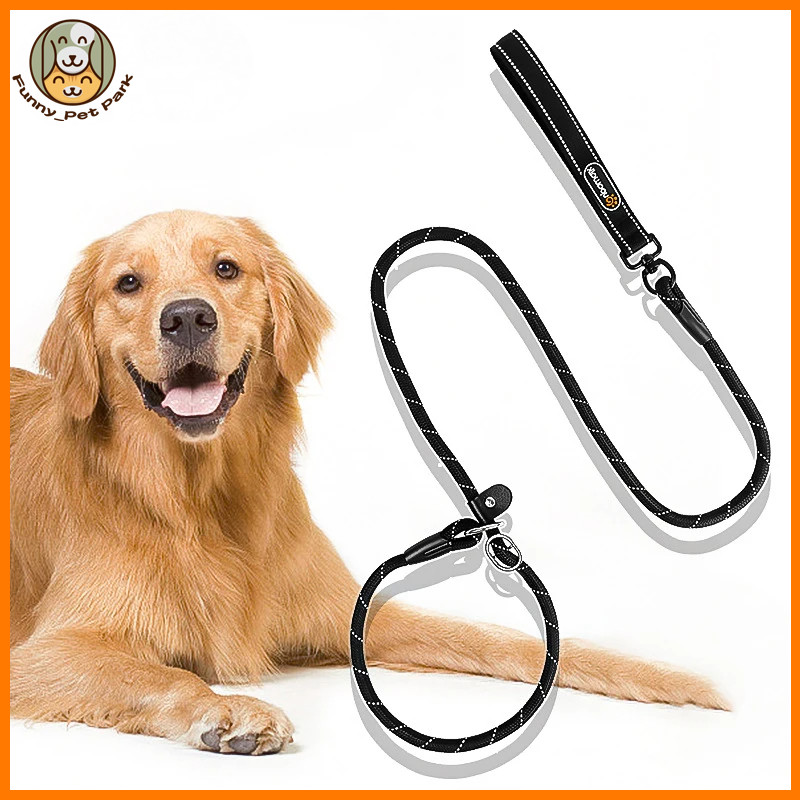
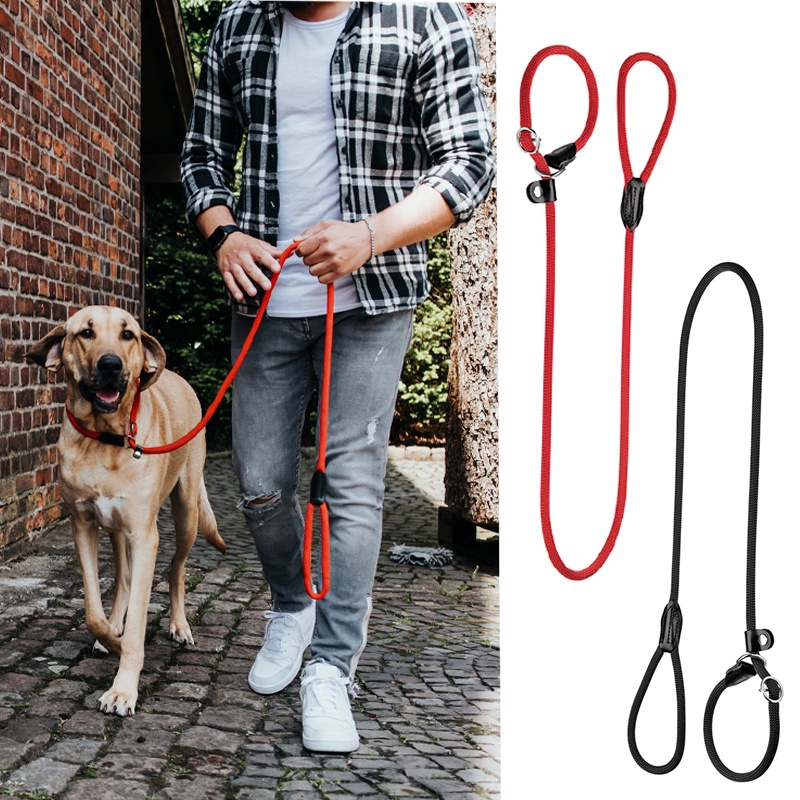
The effectiveness of a training leash hinges on several key factors, primarily its type, the dog’s individual needs, and the specific training objectives. Various training leashes exist, each designed for particular scenarios. A standard six-foot leash is common for basic loose-leash walking, providing a balance of freedom and control. For recall practice or distance training in a secure area, a long line, extending from 15 to 50 feet, allows a dog to explore while still remaining under supervision. Specialty leashes, such as slip leads or those incorporating bungee sections, serve specific training purposes, though their use requires careful understanding to avoid discomfort or misuse. For more related activities, check out our Iaabc Dog Behavior Welfare Enrichment Training Resources.
Incorrect selection or application can hinder progress. For instance, a leash that is too short might induce constant tension, leading to pulling, while one that is excessively long for a crowded environment can pose safety risks. The dog’s size, strength, and temperament also dictate the appropriate leash material and hardware. A robust leash is essential for a large, powerful breed, while a lighter leash might suffice for a small puppy. Furthermore, the accompanying collar or harness must complement the training leash to ensure comfort and effectiveness, preventing chafing or improper pressure distribution.
Signs and Symptoms to Observe
Observable signs indicating issues related to leash training often manifest through a dog’s behavior while on lead. Common indicators include persistent pulling, where the dog consistently strains against the leash, making walks uncomfortable for both parties. This behavior might stem from excitement, a lack of early leash training, or improper handler technique. Lunging or barking at other dogs, people, or objects, often referred to as leash reactivity, suggests the dog feels overstimulated, frustrated, or fearful, and lacks coping mechanisms.
Other signs include a dog biting or chewing the training leash, which can be an expression of boredom, anxiety, or a desire for attention. A dog that freezes, refuses to move, or attempts to back out of its collar or harness might be experiencing fear, discomfort, or an aversion to being leashed. These behaviors can vary significantly across different breeds and ages; a young, energetic puppy might pull due to exuberance, whereas an older, fearful dog might become completely immobile. Observing these signs provides crucial insight into the dog’s emotional state and the efficacy of current training methods.
Practical Solutions and Management Strategies
Effective management and improvement of leash-related behaviors involve consistent training and thoughtful strategy. Starting with positive reinforcement techniques is paramount. Rewarding a dog for walking with a loose training leash teaches desired behavior without force. Beginning in a low-distraction environment and gradually increasing exposure to more stimulating settings helps build confidence and focus.
Proper leash handling is also critical. Holding the training leash with a relaxed grip, allowing for a slight curve or “J-shape,” signals to the dog that tension is minimal. Avoid yanking or correcting with the leash, as this can create a negative association with walks. Instead, stopping and waiting for the leash to slacken before continuing forward effectively teaches a dog that pulling yields no progress. For dogs exhibiting leash reactivity, structured desensitization and counter-conditioning protocols, often involving high-value treats to change associations, can be highly beneficial. Utilizing a longer training leash in controlled environments for recall practice reinforces the “come” command, gradually building reliability. Regular, consistent short training sessions are often more effective than infrequent, lengthy ones.
When Professional Help May Be Needed
While many leash-related challenges can be addressed with consistent effort, certain situations warrant professional intervention. If a dog exhibits persistent or severe behaviors such as uncontrollable pulling, aggressive leash reactivity, profound fear, or anxiety despite diligent attempts at home training, a certified professional dog trainer or veterinary behaviorist can offer tailored guidance. These specialists possess the expertise to accurately assess the underlying causes of the behavior, develop individualized training plans, and recommend appropriate tools or techniques. Early consultation can prevent escalation of issues and provide owners with the necessary skills and confidence to manage complex behaviors effectively, ensuring a positive outcome for both dog and handler.
Conclusion
The training leash, when understood and used correctly, transcends its basic function to become a powerful instrument of communication and positive reinforcement in a dog’s life. Its proper selection and application are fundamental to fostering a well-mannered companion capable of confidently navigating various environments. Awareness of a dog’s behavior on the leash, coupled with consistent, patient, and positive training strategies, forms the bedrock of a harmonious relationship. By recognizing the critical role of the training leash and understanding when to seek professional support, owners can significantly enhance their dog’s well-being, promoting a lifetime of enjoyable walks and a deeper, more fulfilling bond.
Pet Care & Wellness Overview Table
| Life Stage | Daily Activity Level | Key Nutrition / Care Focus |
|---|---|---|
| Puppy / Kitten | High (frequent short bursts) | High-protein growth diet & early socialization |
| Adult Companion | Moderate (30–60 mins daily) | Balanced maintenance nutrition & dental hygiene |
| Senior Pets | Low to Gentle (mindful walks) | Joint support (Glucosamine) & routine vet checks |
Images References





For more expert pet care tips and advice, check out our dedicated Dog Training guides to keep your companions healthy and happy.




