

Understanding the Natural Drive Behind Puppy Mouthing and Play Aggression
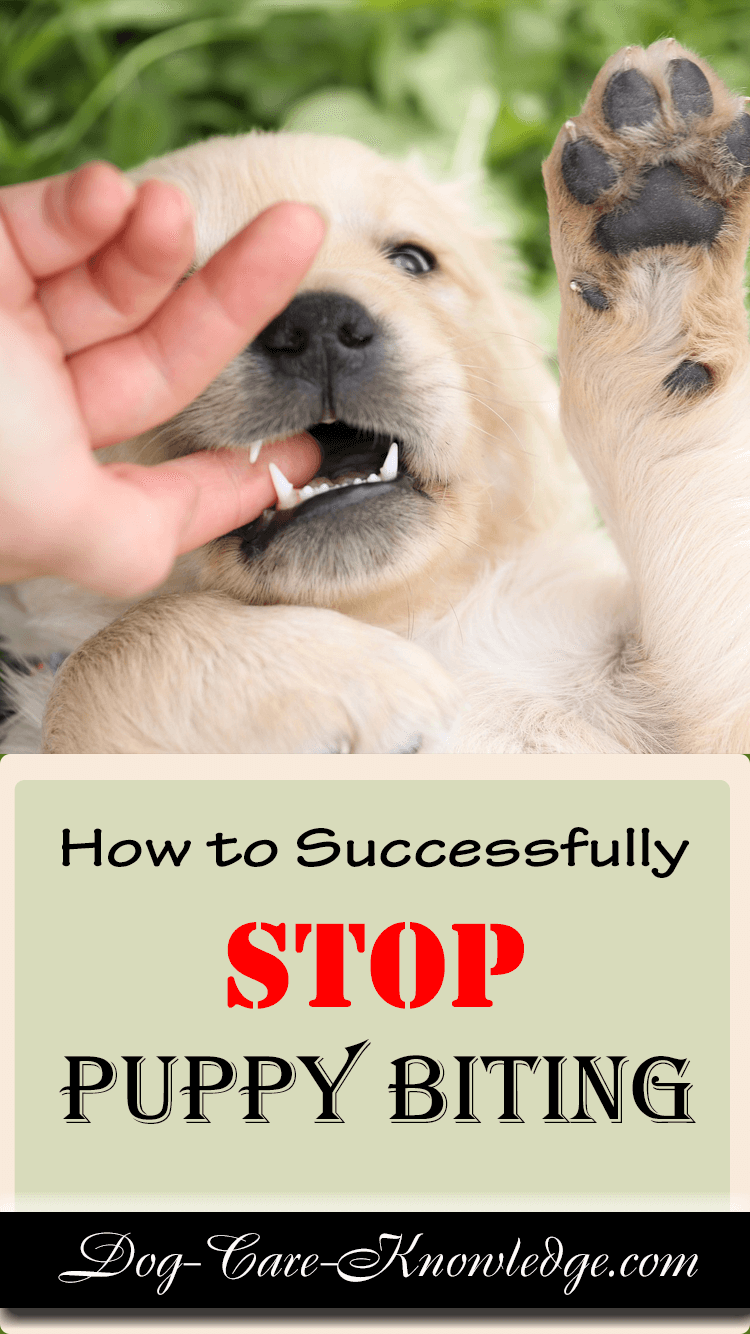
According to the American Society for the Prevention of Cruelty to Animals (ASPCA), biting and nipping are entirely normal exploratory behaviors for young dogs navigating their environment. When a litter of canines plays together, sharp teeth and sudden movements teach them bite inhibition, which is the ability to regulate the pressure of their jaws. In professional behavior consulting, implementing principles inspired by renowned experts like Cesar Millan involves channeling this natural energy into structured Dog Training routines. Puppies do not understand human social rules out of the box; instead, they learn through consistent boundaries, calm energy, and clear consequences. Recognizing that mouthing stems from teething, overexcitement, or boredom allows households to address the root cause rather than reacting out of frustration.
💡 Pet Care Key Takeaways:
- Core Focus: Practical health, nutrition, and wellness guidelines for Cesar Millan How To Stop Puppy Biting.
- Target Scope: Pet owners, animal caregivers, and veterinary support staff.
- Best Recommendation: Maintain consistent daily routines and consult an accredited veterinarian before introducing major diet or medical changes.
Defining the Methodology of Cesar Millan How to Stop Puppy Biting
Addressing canine nipping through balanced leadership means projecting calm, assertive energy while establishing reliable household rules. Renowned behavioral philosophies emphasize that animals communicate primarily through energy and body language rather than human speech. When a young dog lunges or bites at hands, reacting with high-pitched sounds or frantic movements often triggers their predatory chase instincts, making the biting worse. Instead, adopting a neutral posture, blocking access, and claiming personal space teaches the animal that teeth contact brings an immediate end to interaction. This approach aligns closely with foundational Dog Behavior concepts, where consistency from every human family member creates a predictable environment that drastically accelerates learning.
The Impact of Unchecked Nipping on Canine Social Development
Allowing sharp nipping to persist past the primary teething phase can severely damage a dog’s long-term social competence and family integration. During clinical behavioral evaluations, professionals frequently observe that dogs lacking early impulse control struggle immensely with frustration tolerance as adults. In a practical kennel or home setting, watching a twelve-week-old retriever latch onto clothing highlights how quickly cute exploratory habits can morph into dangerous household liabilities if left uncorrected. Addressing these patterns early preserves the bond between human and animal, ensuring safe interactions with visiting guests and children.
Puppies explore their world primarily through their mouths, making early socialization and bite inhibition crucial milestones during the first four months of life — American Kennel Club (AKC)
Practical Steps and Techniques for Managing Excessive Nipping
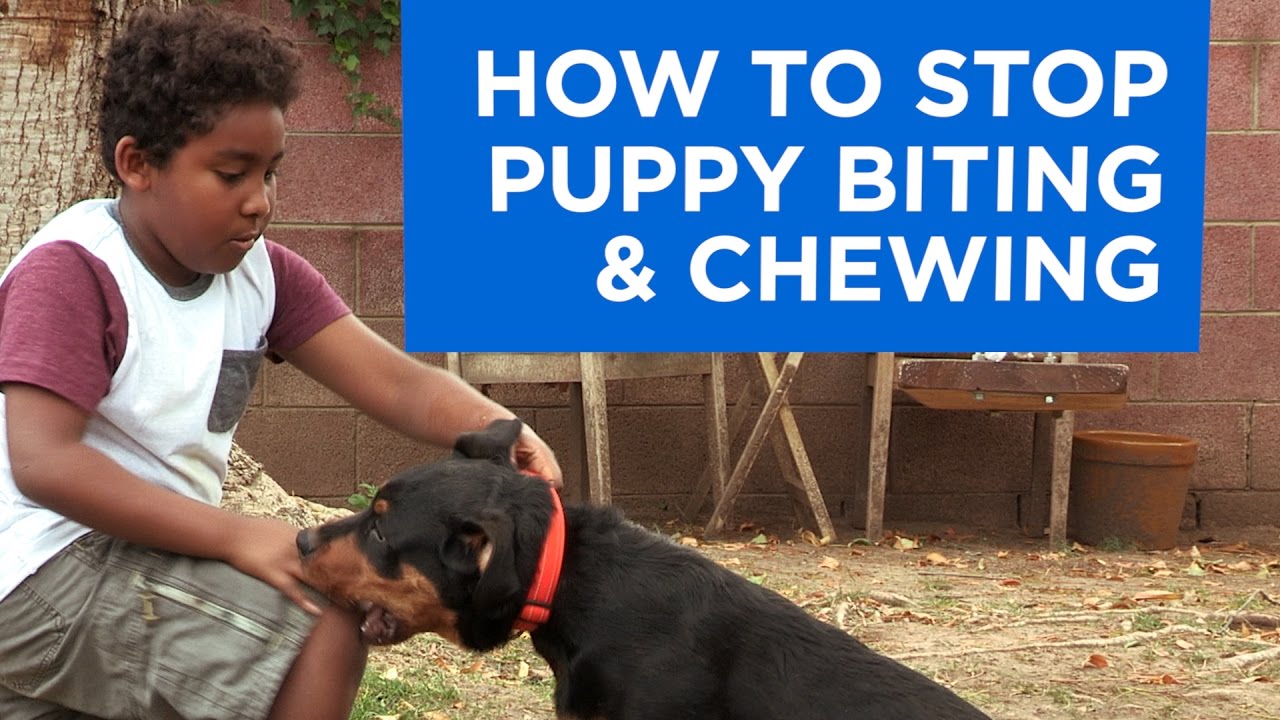
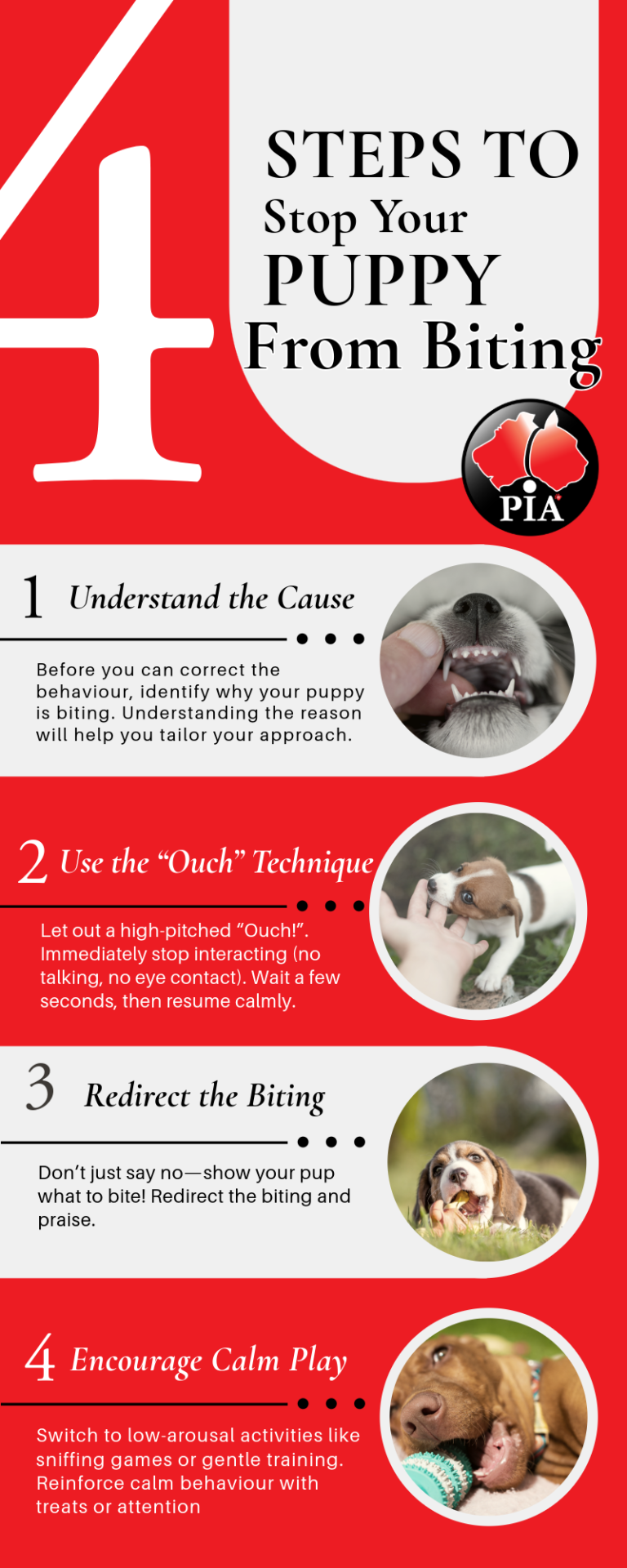
Implementing effective corrective strategies requires timing responses precisely to the moment teeth touch human skin. When a young dog begins to mouth, immediately freezing, avoiding eye contact, and becoming as uninteresting as a tree removes the reward of attention. Once the animal calms down and releases the grip, redirecting their focus onto an appropriate chew toy provides a constructive outlet for their dental discomfort. Establishing predictable daily routines involving structured walks and mental stimulation helps burn off excess adrenaline that often fuels sudden biting frenzies.
Common Mistakes to Avoid and Best Practices for Consistent Communication
One of the most frequent errors owners make is wrestling with their puppies using bare hands, which inadvertently teaches the animal that human skin is an acceptable tug toy. Furthermore, physical punishments or yelling can create fear or defensive aggression, complicating the underlying behavioral issue. Maintaining a unified front where every person in the household enforces the exact same rules ensures the puppy does not receive mixed signals. Integrating proper Dog Care practices, such as ensuring adequate nap times, prevents overtired puppies from becoming overly reactive and nippy.
Inconsistent household rules and accidental reinforcement of unwanted behaviors are the leading causes of prolonged training setbacks in young dogs — American Veterinary Medical Association (AVMA)
Pet Care & Wellness Overview Table
| Life Stage | Daily Activity Level | Key Nutrition / Care Focus |
|---|---|---|
| Puppy / Kitten | High (frequent short bursts) | High-protein growth diet & early socialization |
| Adult Companion | Moderate (30–60 mins daily) | Balanced maintenance nutrition & dental hygiene |
| Senior Pets | Low to Gentle (mindful walks) | Joint support (Glucosamine) & routine vet checks |
Images References




Breed, Age, and Temperament Considerations in Behavior Modification
Working-line and herding breeds, such as Border Collies or German Shepherds, often possess an intense genetic predisposition to heel and grip moving objects. These high-drive dogs require significantly more mental engagement and structured tasks to satisfy their innate instincts compared to more companion-oriented breeds. Additionally, the typical teething window occurs between twelve weeks and six months of age, during which gums become sore and sensitive. Tailoring intervention methods to match the specific energy level, physical size, and developmental stage of the individual animal ensures a much higher rate of long-term success.
When to Consult a Veterinary Professional or Certified Behaviorist
Persistent, hard biting that features stiff body language, growling, or unprovoked snapping requires immediate intervention from a qualified veterinary professional or certified behaviorist. General training tips are not a substitute for individualized medical or behavioral diagnoses, especially if the nipping stems from underlying pain, neurological issues, or severe anxiety. A veterinarian can rule out medical conditions causing discomfort, while a professional behaviorist can design a customized modification plan tailored to complex behavioral challenges.
Building a Harmonious Relationship Through Balanced Guidance
Guide your puppy toward becoming a well-adjusted companion by combining patience, structure, and clear boundary-setting every single day. Exploring the extensive resources available on PetsAnimalsWorld.com offers additional insights into Dog Health and Dog Nutrition, ensuring your growing pet thrives in every aspect of life. Consistency today builds a lifetime of trust and affectionate companionship.




