

Introduction
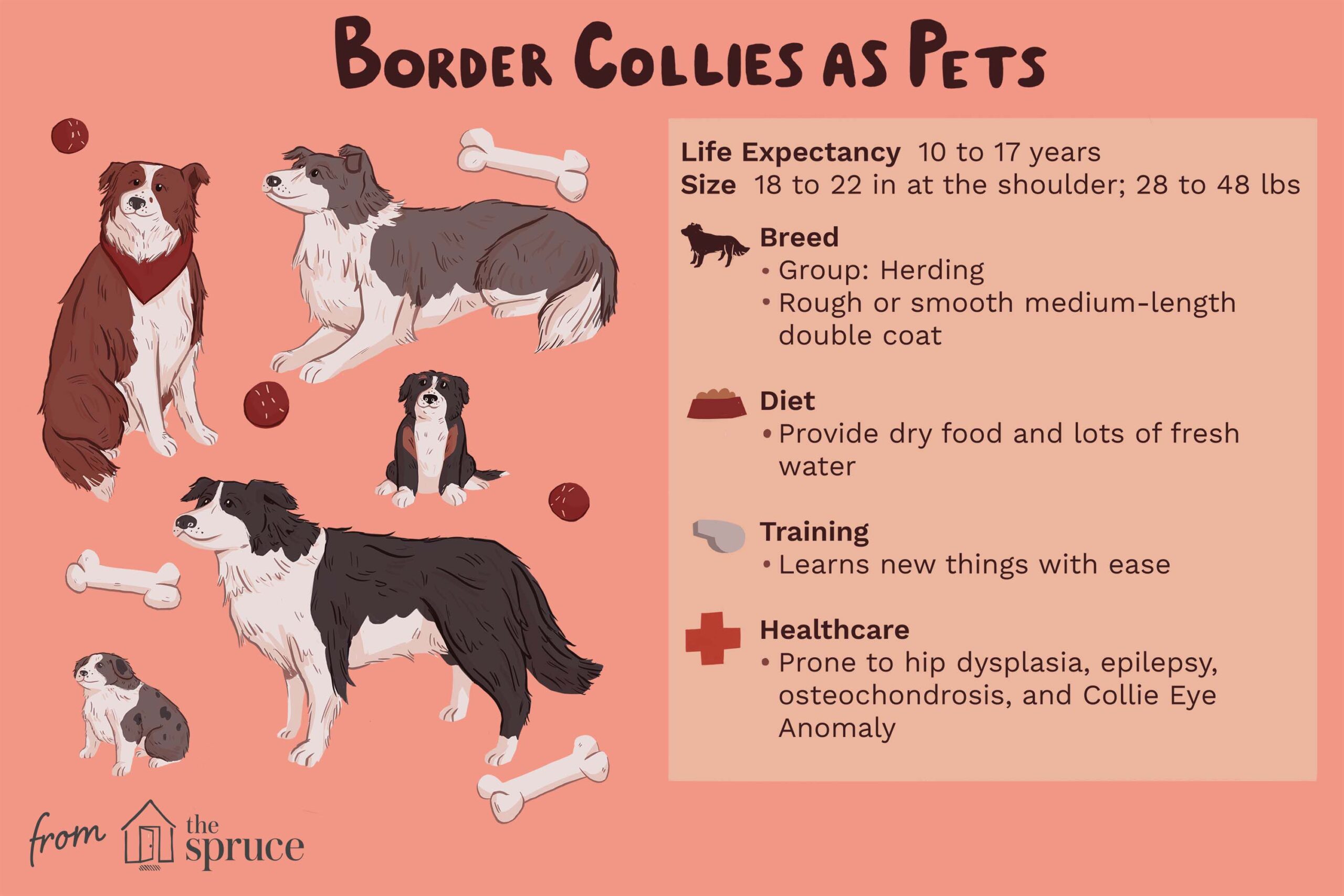
Understanding border collie psychology is paramount for any owner or enthusiast of this remarkable canine breed. This term encapsulates the unique mental, emotional, and behavioral characteristics inherent to Border Collies, shaped by centuries of selective breeding for herding livestock. Their exceptional intelligence, intense working drive, and profound sensitivity distinguish them from many other breeds. A lack of insight into these intrinsic traits often leads to common behavioral challenges, manifesting as frustration for the dog and bewilderment for the owner. By delving into the psychological makeup of the Border Collie, owners can proactively meet their specific needs, prevent the onset of undesirable behaviors rooted in boredom or unmet instincts, and ultimately foster a deeper, more harmonious relationship with their canine companion. This foundational knowledge is crucial for ensuring a Border Collie’s overall well-being, promoting balanced behavior, and enhancing their quality of life.
💡 Pet Care Key Takeaways:
- Core Focus: Practical health, nutrition, and wellness guidelines for Border Collie Psychology.
- Target Scope: Pet owners, animal caregivers, and veterinary support staff.
- Best Recommendation: Maintain consistent daily routines and consult an accredited veterinarian before introducing major diet or medical changes.
Common Causes and Key Factors
The distinctive behaviors observed in Border Collies are largely attributable to their innate psychological framework, influenced by several key factors. Foremost among these is the herding instinct, a deeply ingrained drive to gather and control movement. This instinct shapes their perception of the world, often leading them to ‘herd’ children, other pets, or even inanimate objects. While valuable on a farm, this can become problematic in a domestic setting if not properly managed. For more related activities, check out our Dog Heat Behavior Changes.
Furthermore, Border Collies possess extraordinary intelligence and a profound capacity for learning. This cognitive prowess means they thrive on mental stimulation and complex tasks. Without sufficient mental engagement, their minds can turn to less desirable pursuits, leading to boredom, destructive tendencies, or even the development of compulsive behaviors. They are highly adept at problem-solving, which, without constructive outlets, can manifest as clever ways to get into mischief.
Their high energy levels are another significant psychological component. Bred for long hours of demanding work, Border Collies require substantial physical exercise to remain balanced. A lack of appropriate physical activity leaves them with pent-up energy that can easily translate into restlessness, hyperactivity, or anxiety, impacting their ability to settle and relax in a home environment.
Border Collies are also known for their sensitivity. They can be highly attuned to their environment and the emotions of their human companions. Harsh training methods, inconsistent routines, or chaotic living situations can easily lead to stress, fear, and reactivity. This sensitivity makes a positive, consistent, and calm approach to training and care particularly critical. The breed’s inherent desire for a “job” or purpose further underscores their psychology; a Border Collie often finds true satisfaction in having tasks to perform, whether real herding, advanced obedience, or dog sports.
Signs and Symptoms to Observe
Understanding border collie psychology enables owners to recognize specific signs and symptoms that may indicate unmet needs or emerging behavioral issues. Owners often observe an intensified manifestation of their inherent herding drive. This can include nipping at the heels of people or other animals, circling family members, or staring intently, often with a low crouch, at moving objects or individuals. These actions are a natural expression of their instinct but require redirection in a household setting.
When mental and physical stimulation is insufficient, Border Collies may exhibit destructive behavior. This might involve excessive chewing of furniture, digging holes in the yard, or tearing up household items. Such actions are often a direct result of boredom or an outlet for pent-up energy and frustration.
Another common sign is hyperactivity or restlessness. An inability to settle, constant pacing, persistent whining, or demanding attention can all signal that the dog’s high energy levels are not being adequately addressed. These behaviors are not necessarily naughtiness but rather a psychological need for engagement.
Due to their sensitivity, Border Collies can develop anxiety or stress-related behaviors. This might manifest as excessive barking, separation anxiety (destroying items or vocalizing when left alone), fear-based reactions to new people or environments, or even resource guarding. Compulsive behaviors such as tail chasing, shadow chasing, or repetitive licking can also emerge, often as a coping mechanism for stress or a result of chronic under-stimulation. Owners might also notice a seeming stubbornness or disinterest in training, which can be a subtle indicator of under-stimulation rather than a lack of intelligence or willingness. The expression of these signs can vary depending on the dog’s age, individual temperament, and the specific environmental context.
Practical Solutions and Management Strategies
Effectively managing border collie psychology requires a multifaceted approach that addresses their unique physical and mental needs. A cornerstone of their well-being is providing ample mental stimulation. This can be achieved through regular obedience training, learning new tricks, puzzle toys that dispense treats, scent work activities, and engaging in dog sports such as agility, flyball, or disc dog. Daily mental challenges are crucial to satisfy their intelligent minds and prevent boredom.
Equally vital is consistent and adequate physical exercise. Border Collies need more than just a short walk around the block. High-intensity activities such as long runs, vigorous games of fetch, swimming, or hiking are essential. The goal is to provide outlets for their boundless energy, ensuring they are physically tired in a healthy way.
Consistent training using positive reinforcement is fundamental. Early socialization with various people, places, and other animals is critical for building a confident and well-adjusted dog. Training should focus on clear boundaries, impulse control exercises, and teaching appropriate behaviors to redirect natural instincts. For instance, redirecting herding behavior towards a flirt pole or herding balls rather than children or other pets.
Environmental enrichment also plays a significant role. This includes providing a rotation of stimulating toys, safe chew items to satisfy their oral needs, and opportunities for structured play. Creating a predictable daily routine can significantly reduce anxiety and provide a sense of security. Providing a calm, safe space within the home where the dog can retreat and relax is also beneficial for their sensitive nature. Finally, a high-quality diet appropriate for highly active dogs supports their energy levels and cognitive function, contributing to overall health and behavior.
When Professional Help May Be Needed
While understanding border collie psychology and implementing practical strategies can resolve many behavioral challenges, there are instances where professional intervention becomes necessary. Owners should consider seeking expert help if they observe persistent or escalating destructive behavior, especially if it occurs despite consistent efforts to provide adequate mental and physical stimulation.
Any signs of aggression towards people, other animals, or involving resource guarding warrant immediate professional assessment. Aggressive behaviors can be complex and dangerous if not addressed by qualified experts. Similarly, severe anxiety, particularly conditions like generalized anxiety or separation anxiety that significantly impair the dog’s daily functioning or lead to extreme distress when left alone, indicates a need for professional guidance.
The development of compulsive disorders, such as tail chasing or repetitive licking that results in self-mutilation or cannot be interrupted, requires a specialist’s attention. These behaviors can be deeply ingrained and difficult to modify without targeted behavioral therapy.
Furthermore, any sudden, unexplained changes in a Border Collie’s temperament, habits, or activity levels should prompt a veterinary visit to rule out underlying medical conditions. If an owner feels overwhelmed, unable to make progress with training, or experiences a breakdown in the bond with their dog due to behavioral issues, consulting with a professional is a responsible and supportive step. Appropriate professionals include certified professional dog trainers (CPDT), certified applied animal behaviorists (CAAB), or veterinary behaviorists (DVM, DACVB), who can offer tailored assessments and effective intervention plans.
Conclusion
The intricate world of border collie psychology reveals a breed of unparalleled intelligence, driven by a powerful herding instinct and immense energy. Understanding these core psychological tenets is not merely beneficial but essential for responsible Border Collie ownership. It underscores why these dogs thrive with purpose, mental engagement, and abundant physical activity, and why neglecting these fundamental needs can lead to a spectrum of behavioral challenges. Through consistent effort in providing appropriate mental stimulation, ample physical exercise, positive reinforcement training, and a supportive environment, owners can unlock the full potential of their Border Collie. Proactive management of their unique temperament and drives ensures a well-adjusted, happy, and fulfilling life for these intelligent companions. Ultimately, a deep appreciation for Border Collie psychology fosters a stronger bond and allows both dog and owner to enjoy a rewarding and harmonious partnership.
Pet Care & Wellness Overview Table
| Life Stage | Daily Activity Level | Key Nutrition / Care Focus |
|---|---|---|
| Puppy / Kitten | High (frequent short bursts) | High-protein growth diet & early socialization |
| Adult Companion | Moderate (30–60 mins daily) | Balanced maintenance nutrition & dental hygiene |
| Senior Pets | Low to Gentle (mindful walks) | Joint support (Glucosamine) & routine vet checks |
Images References







For more expert pet care tips and advice, check out our dedicated Dog Behavior guides to keep your companions healthy and happy.




