Essential Dog Care Items for Daily Canine Wellbeing
Equipping a household for a canine companion requires thoughtful planning, as selecting the right dog care items directly influences daily comfort, health maintenance, and environmental enrichment. According to the American Society for the Prevention of Cruelty to Animals (ASPCA), providing proper environmental enrichment and essential supplies is a fundamental component of responsible animal guardianship. Navigating the vast marketplace of pet supplies can feel overwhelming for many households, yet understanding the primary categories of equipment simplifies the process significantly. Focusing on quality, safety, and functionality ensures that every purchased supply serves a genuine purpose in supporting physical health and mental stimulation.
💡 Pet Care Key Takeaways:
- Core Focus: Practical health, nutrition, and wellness guidelines for Dog Care Items.
- Target Scope: Pet owners, animal caregivers, and veterinary support staff.
- Best Recommendation: Maintain consistent daily routines and consult an accredited veterinarian before introducing major diet or medical changes.
Defining Foundational Dog Care Items and Their Purposes
Dog care items encompass all tangible supplies utilized to feed, groom, shelter, exercise, and manage a companion animal safely throughout various life stages. This broad category ranges from basic nutritional vessels, such as stainless steel food and water bowls, to supportive resting equipment like orthopedic dog beds designed to cushion joints. Essential supplies also include identification tags, properly fitted collars, durable leashes, and waste management tools that facilitate safe outdoor excursions. Each designated supply plays a distinct role in maintaining hygiene, promoting safety during transit, and establishing predictable routines that help dogs feel secure in human environments.
The Impact of Appropriate Equipment on Health and Behavior
Utilizing well-designed dog care items significantly reduces the risk of physical injury and supports positive behavioral outcomes during daily interactions. For instance, transitioning from a traditional neck collar to a well-fitted back-clip harness during walks can alleviate pressure on the delicate structures of the throat, which is especially important for brachycephalic breeds (dogs with shortened snouts) or individuals prone to tracheal sensitivity. Furthermore, interactive puzzle toys and durable chew objects provide vital mental outlets, curbing boredom-induced destructive behaviors and promoting calm resting states. When physical equipment fits correctly and serves its intended function, daily routines become smoother, reinforcing cooperative interactions between the dog and the human household.
Providing appropriate environmental enrichment and durable chew items helps satisfy natural canine instincts and reduces stress-related behavioral concerns. — American Veterinary Medical Association
Selecting and Managing Daily Supplies Responsibly
Managing dog care items effectively involves routine safety checks, regular cleaning schedules, and timely replacements of worn or damaged equipment. Toys that have become frayed or broken present potential choking hazards or gastrointestinal obstruction risks if swallowed, and such items should be discarded immediately. Similarly, collars and harnesses must be inspected periodically to ensure they still fit comfortably without pinching the skin or slipping off during movement. Establishing a designated storage area for grooming tools, leashes, and waste bags also streamlines daily management, ensuring that necessary supplies remain readily accessible whenever required.
Best Practices and Common Mistakes in Supply Selection
Prioritizing durability and ergonomic design prevents unnecessary waste and safeguards the animal from accidental harm during routine use. One frequent oversight involves purchasing collars or clothing items based solely on aesthetic appeal without verifying proper fit or restricted movement. Another common pitfall is acquiring rubber chews or plush toys that do not match the animal’s chewing intensity, leading to rapid destruction and accidental ingestion of small parts. Selecting items constructed from non-toxic, easily washable materials ensures that hygiene standards remain high, reducing the accumulation of bacteria and allergens in sleeping and feeding areas. Exploring resources focused on Dog Care can provide additional insights into maintaining optimal living standards.
Regular inspection of pet toys and accessories is essential to prevent accidental ingestion hazards caused by frayed textiles or fractured plastic components. — American Kennel Club
Pet Care & Wellness Overview Table
| Life Stage | Daily Activity Level | Key Nutrition / Care Focus |
|---|---|---|
| Puppy / Kitten | High (frequent short bursts) | High-protein growth diet & early socialization |
| Adult Companion | Moderate (30–60 mins daily) | Balanced maintenance nutrition & dental hygiene |
| Senior Pets | Low to Gentle (mindful walks) | Joint support (Glucosamine) & routine vet checks |
Images References


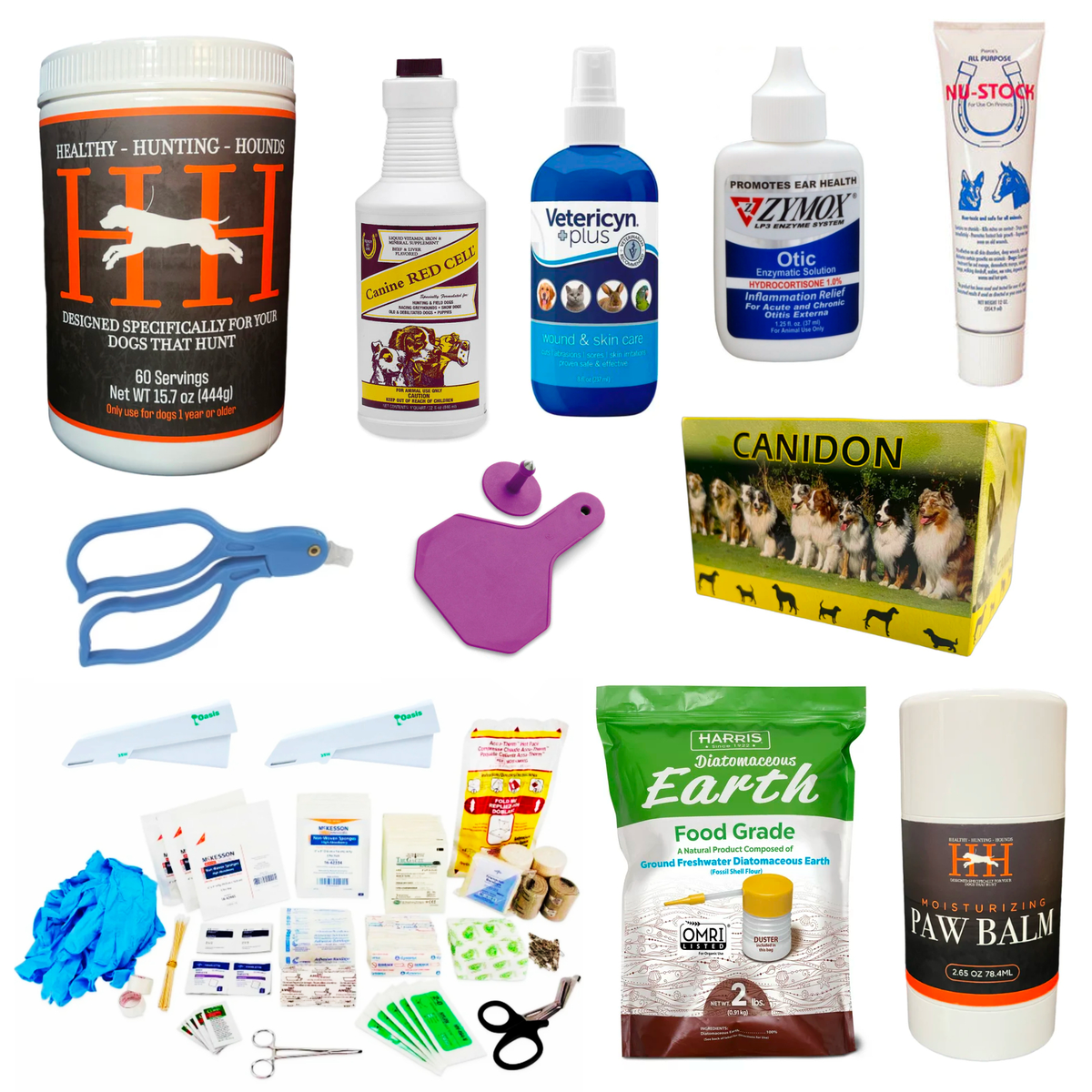


Adapting Equipment Choices for Breed, Age, and Size
Individual physical characteristics dictate which dog care items will prove most comfortable and functional throughout the lifetime of the companion animal. Senior dogs or large breeds prone to musculoskeletal concerns benefit immensely from elevated feeding stations and memory-foam bedding that relieves pressure points on aging hips and elbows. Conversely, fast-growing puppies require adjustable harnesses and appropriately sized crates that can be modified or replaced as physical dimensions expand. Understanding the unique traits associated with specific Dog Breeds helps owners anticipate whether a dog requires heavy-duty chew items, specialized grooming tools for dense double coats, or weather-protective outerwear for cold climates.
When to Seek Professional Guidance Regarding Equipment and Care
Consulting a veterinarian or a qualified professional is advisable whenever physical equipment causes skin irritation, chafing, or unexplained behavioral resistance during application. For instance, if a dog displays persistent fear or avoidance behavior around specific grooming tools, a professional trainer specializing in positive reinforcement can help build cooperative responses through gradual desensitization. Additionally, persistent scratching, chewing on paws, or localized hair loss may indicate underlying dermatological sensitivities rather than mere equipment discomfort, requiring a thorough veterinary examination. For broader educational support regarding safe management practices, consulting materials within Dog Health and Dog Training offers valuable perspective.
Ensuring Long-Term Canine Wellbeing Through Thoughtful Provision
Maintaining an organized and safe inventory of daily supplies ensures that a companion animal enjoys a comfortable, stimulating, and secure environment every single day. By continuously assessing the condition of resting beds, walking gear, and mental enrichment tools, households can adapt to changing life stages with confidence and care. Discover more expert guidance and practical insights by exploring PetsAnimalsWorld.com to support a thriving, healthy life for every canine companion.