

Understanding Puppy Mouthing and the Five-Month Milestone
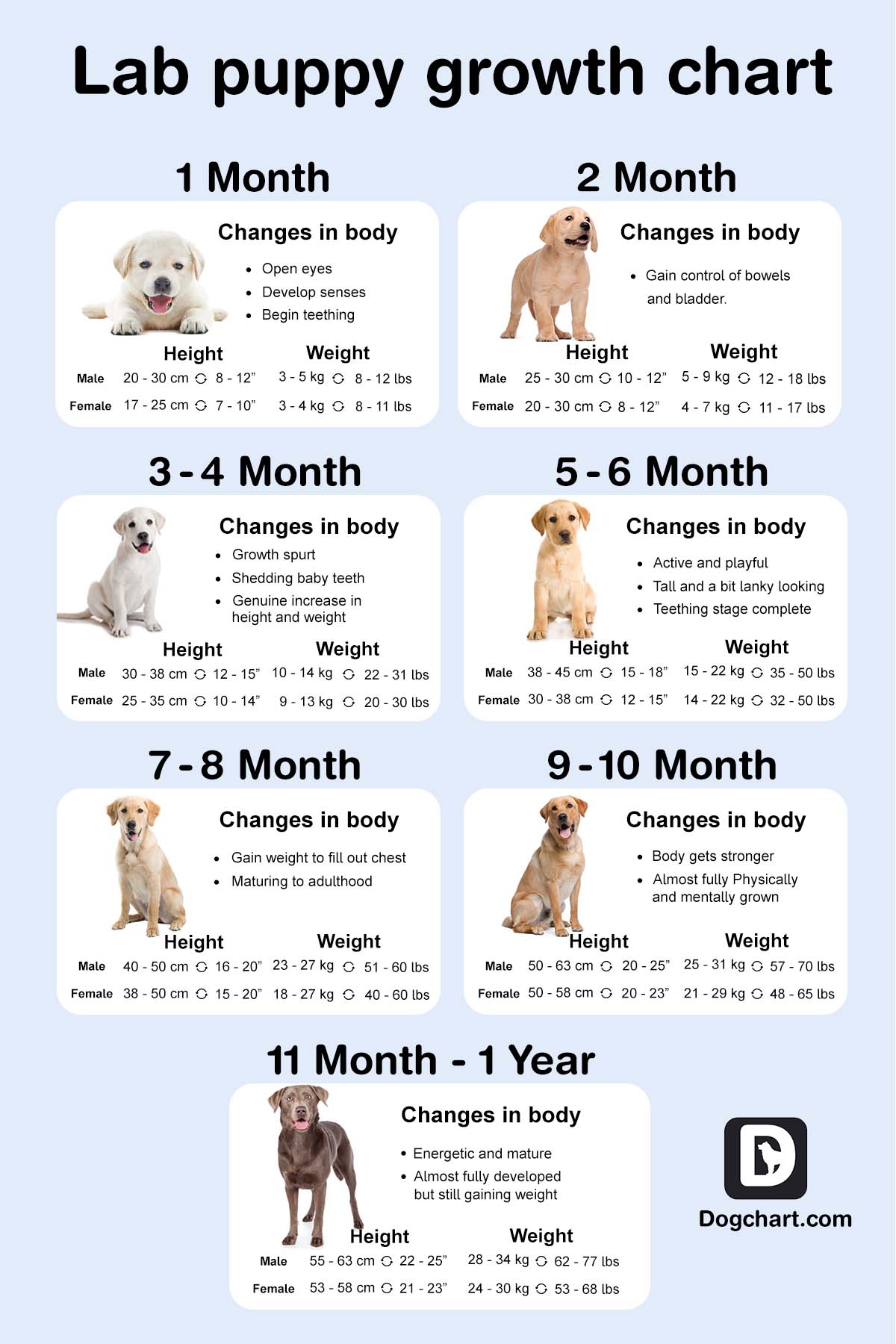
Navigating the needle-sharp teeth of a young canine companion can test the patience of any household, making the question of whether a five-month-old puppy will nip less a very common concern. According to the American Society for the Prevention of Cruelty to Animals (ASPCA), young dogs explore the world primarily through their mouths, treating fingers, clothing, and furniture as interactive textures. At five months of age, canines find themselves in a transitional developmental stage where permanent teeth begin to emerge, replacing the fragile deciduous teeth that cause the most intense discomfort during play. This biological shift means that while biting behavior does not vanish overnight, the physiological drivers behind excessive mouthing are beginning to change.
💡 Pet Care Key Takeaways:
- Core Focus: Practical health, nutrition, and wellness guidelines for Will A 5 Month Old Puppy Nip Less.
- Target Scope: Pet owners, animal caregivers, and veterinary support staff.
- Best Recommendation: Maintain consistent daily routines and consult an accredited veterinarian before introducing major diet or medical changes.
Defining the Five-Month Nipping Behavior and Teething Realities
Addressing whether a five-month-old puppy will nip less requires looking closely at what mouthing actually represents at this specific age. Teething discomfort peaks around this period as adult premolars and molars push through the gums, causing an intense urge to chew and apply pressure. Canine development theory distinguishes between exploratory mouthing, stress-induced biting, and attention-seeking nipping. While an older puppy may possess better physical coordination and a slightly thicker skin tolerance than an eight-week-old infant, five-month-old canines still lack impulse control because the prefrontal cortex of the canine brain is far from fully matured. Consequently, expecting an automatic cessation of nipping simply because the calendar hits five months is unrealistic, as consistent guidance remains essential.
Physical and Behavioral Implications of Adolescent Development
Managing this phase effectively involves understanding how adolescent physical changes intersect with daily Dog Behavior patterns. As puppies grow larger and stronger, unattended nipping can quickly transition from a harmless puppy habit into an unsafe precedent for adult life. Pain from emerging teeth often leaves youngsters irritable, increasing the frequency of sharp nips when hands move too quickly near the face. Providing appropriate outlets for oral exploration supports healthy Dog Health by preventing dental injuries and soothing inflamed gum tissue safely.
Puppies experience a significant wave of deciduous tooth loss and adult tooth eruption between four and six months of age, which directly intensifies the biological urge to chew and mouth objects. — American Kennel Club
Effective Strategies for Reducing Nipping and Encouraging Polite Interaction
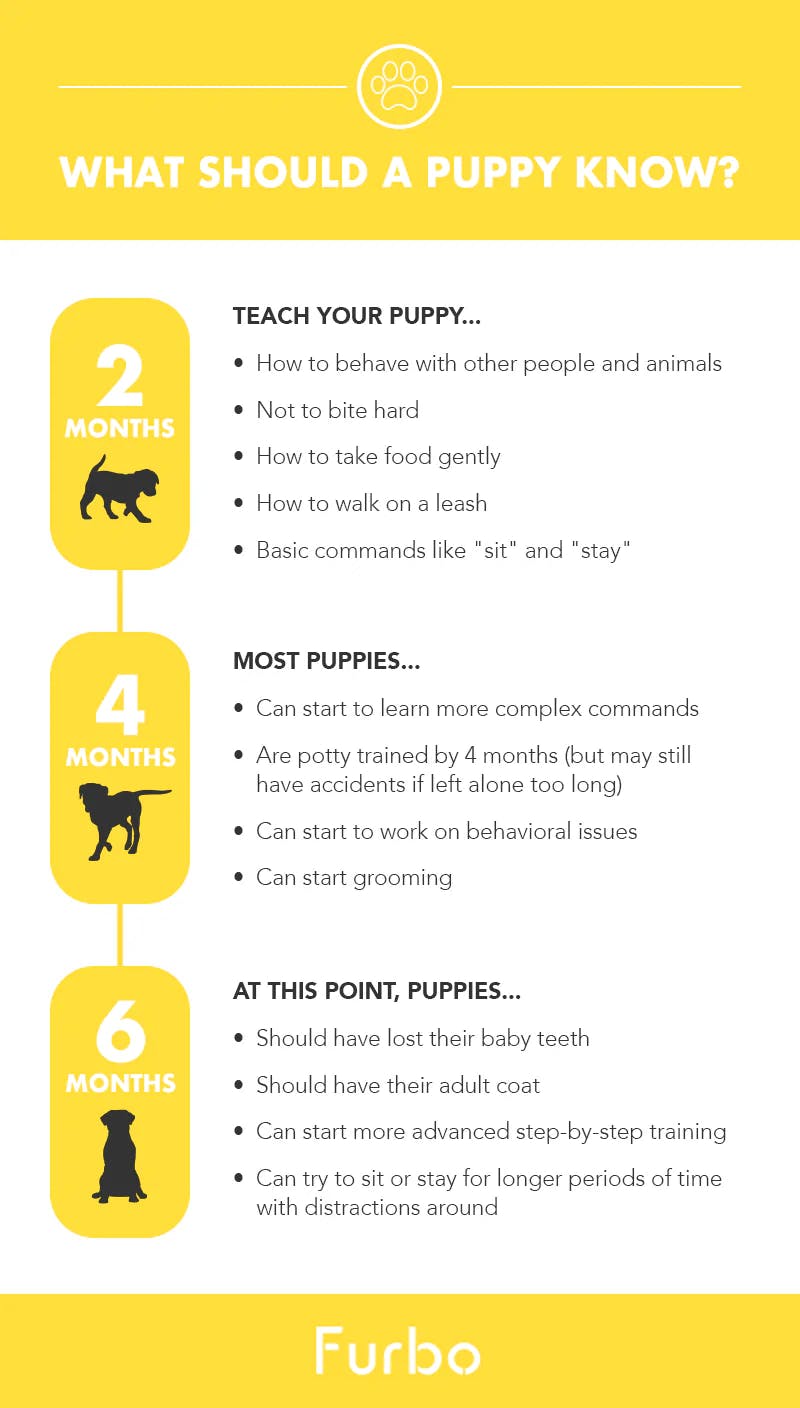
Encouraging a five-month-old canine to use their mouth less often relies on positive reinforcement, redirection, and clear boundaries rather than punitive measures. When a puppy initiates play with teeth making contact on human skin, owners and handlers should immediately freeze, withdraw attention, and remove themselves if necessary to communicate that nipping ends the fun entirely. This approach teaches bite inhibition—the ability of a dog to control the force of their bite—which is a vital component of safe Dog Training. Rewarding calm behavior with praise or a preferred toy reinforces alternative habits that do not involve human skin.
Best Practices and Common Mistakes to Avoid During the Teething Phase
Maintaining consistency across all household members prevents confusion and accelerates the learning process for an adolescent dog. A frequent mistake involves using flailing hands or high-pitched vocalizations to push a nipping puppy away, which accidentally mimics the squeaking of prey and stimulates higher arousal levels. Instead, keeping toys readily accessible in every room allows handlers to redirect the puppy’s open mouth onto an appropriate chew item before contact with skin occurs. Freezing durable rubber toys or offering chilled carrots can also provide immense physical relief for sore gums without encouraging destructive chewing habits around the home.
Positive reinforcement methods that focus on rewarding incompatible behaviors are significantly more effective for long-term bite inhibition than aversive corrections. — American Veterinary Medical Association
Pet Care & Wellness Overview Table
| Life Stage | Daily Activity Level | Key Nutrition / Care Focus |
|---|---|---|
| Puppy / Kitten | High (frequent short bursts) | High-protein growth diet & early socialization |
| Adult Companion | Moderate (30–60 mins daily) | Balanced maintenance nutrition & dental hygiene |
| Senior Pets | Low to Gentle (mindful walks) | Joint support (Glucosamine) & routine vet checks |
Images References







Breed, Size, and Temperament Factors in Adolescent Biting
Individual differences across Dog Breeds heavily influence how long intense mouthing persists into adolescence. Herding breeds, for instance, possess strong genetic predispositions to heel and nip at moving ankles, requiring deliberate redirection well past the five-month mark. High-energy sporting dogs and working breeds often display greater persistence during play, meaning their teething and exploratory phases may look more intense compared to more independent or low-drive companion types. Recognizing these innate traits helps set realistic expectations for training timelines.
When to Consult a Veterinarian or Professional Behaviorist
Persistent or escalating aggression requires professional evaluation to rule out underlying medical issues or severe behavioral disorders. If nipping is accompanied by stiff body posture, growling, snarling, or a refusal to release grip despite redirection, consulting a qualified veterinary behaviorist or a certified positive-reinforcement trainer is essential. Sudden increases in biting can sometimes signal oral pain, dental abnormalities, or neurological discomfort that warrants a thorough clinical examination by a licensed veterinarian.
Supporting Long-Term Canine Wellness and Development
Guiding an adolescent canine through the challenges of teething and boundary-setting lays the foundation for a well-adjusted adult companion. Exploring resources on Dog Care can provide additional insights into daily routines that support mental stimulation and physical well-being. For more comprehensive guides, visit PetsAnimalsWorld.com to discover expert advice tailored to every stage of canine growth.




