

Understanding the Adolescent Chewing Phase
Reaching the ten-month milestone marks a significant stage in canine development, often referred to as the adolescent period. During this time, owners frequently observe a resurgence in destructive chewing behaviors that may have seemed to subside after the initial teething phase of puppyhood. According to the American Kennel Club, adolescence is a period of rapid physical and mental change where dogs test boundaries and explore their environment with increased energy and curiosity. Understanding that this chewing is not necessarily a sign of disobedience, but rather a reflection of developmental needs and environmental factors, is essential for maintaining a harmonious household and protecting household items from damage.
💡 Pet Care Key Takeaways:
- Core Focus: Practical health, nutrition, and wellness guidelines for Chewing In Dogs At 10 Months.
- Target Scope: Pet owners, animal caregivers, and veterinary support staff.
- Best Recommendation: Maintain consistent daily routines and consult an accredited veterinarian before introducing major diet or medical changes.
Defining Chewing Behavior at Ten Months
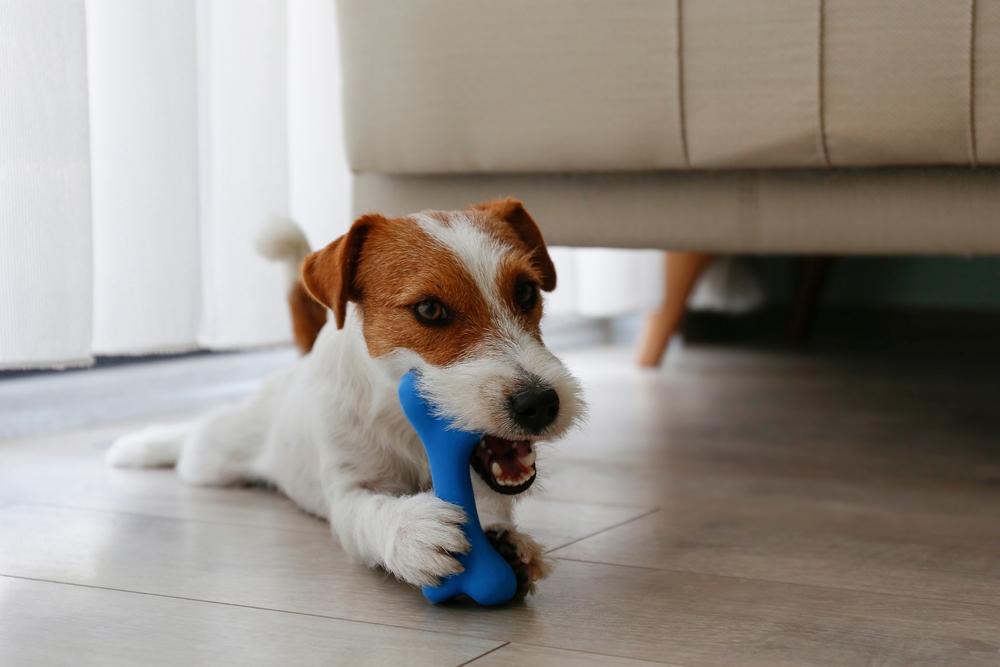
Chewing in dogs at 10 months is primarily driven by a combination of high energy levels, the need for mental stimulation, and the ongoing development of jaw strength. Unlike the teething process, which involves the eruption of permanent teeth, adolescent chewing is often an outlet for boredom or a method of self-soothing. At this age, dogs are physically stronger and more capable of causing significant damage to furniture, baseboards, or personal belongings. This behavior often serves as a barometer for the dog’s daily activity levels; when a dog lacks sufficient outlets for natural behaviors, the environment becomes the primary source of engagement.
The Impact of Adolescent Development on Behavior
The impact of this chewing phase extends beyond the destruction of property, potentially affecting the overall Dog Behavior and the dog’s relationship with the environment. When a dog discovers that chewing provides relief from anxiety or boredom, the behavior can quickly become a self-reinforcing habit. Furthermore, if the objects being chewed are hazardous, such as electrical cords, plastic materials, or toxic plants, the health risks increase significantly. Addressing the root cause—whether it be a lack of physical exercise, insufficient mental enrichment, or separation-related distress—is vital for mitigating these risks.
Adolescent dogs often require more physical exercise and mental engagement than younger puppies to manage high energy levels effectively. — American Kennel Club
Effective Management and Training Strategies
Managing chewing in dogs at 10 months requires a proactive approach that prioritizes environmental management and redirection. The most effective strategy involves “puppy-proofing” the living space again, as an adolescent dog’s reach and capabilities have expanded. By limiting access to tempting items through the use of crates, exercise pens, or baby gates, owners prevent the reinforcement of the chewing habit. Simultaneously, providing a variety of appropriate, durable chew toys helps satisfy the physiological urge to chew. Rotating these toys regularly ensures they remain novel and engaging, which keeps the dog interested in approved items rather than household furniture.
Best Practices for Behavioral Redirection
Training an adolescent dog requires consistency and patience, focusing on positive reinforcement rather than punitive measures. When a dog is caught chewing an inappropriate item, the goal is to calmly interrupt the behavior and immediately offer a high-value, acceptable alternative. Once the dog engages with the correct toy, offering praise or a small reward reinforces the desired behavior. Avoiding harsh reprimands is crucial, as punishment can increase anxiety, which may ironically lead to more destructive chewing as a stress-relieving mechanism. Comprehensive guidance on Dog Training emphasizes that clear communication and rewarding success are the pillars of long-term behavioral change.
Providing consistent, positive reinforcement for chewing appropriate items helps build long-term habits and reduces the likelihood of destructive behavior. — American Society for the Prevention of Cruelty to Animals
Pet Care & Wellness Overview Table
| Life Stage | Daily Activity Level | Key Nutrition / Care Focus |
|---|---|---|
| Puppy / Kitten | High (frequent short bursts) | High-protein growth diet & early socialization |
| Adult Companion | Moderate (30–60 mins daily) | Balanced maintenance nutrition & dental hygiene |
| Senior Pets | Low to Gentle (mindful walks) | Joint support (Glucosamine) & routine vet checks |
Images References



Considering Breed-Specific Needs and Temperament
The intensity and duration of the chewing phase can vary significantly depending on the individual dog’s breed and temperament. Working breeds, such as Border Collies or German Shepherds, often possess higher drive and require more intensive mental tasks to prevent boredom-induced destruction. Conversely, smaller breeds might focus on different types of objects, but the underlying motivation remains consistent. Understanding the specific history and typical characteristics of Dog Breeds allows owners to tailor their enrichment programs to meet their dog’s unique requirements, ensuring that physical and mental needs are met before the dog seeks its own entertainment.
When to Consult a Veterinary Professional
While some level of chewing is a normal part of development, certain patterns warrant a professional consultation. If a dog shows signs of pica—the persistent eating of non-food items like rocks, fabric, or drywall—or if the chewing is accompanied by signs of extreme distress when left alone, it is imperative to contact a veterinarian or a certified veterinary behaviorist. These behaviors may indicate underlying medical issues or separation anxiety that requires professional intervention. Furthermore, if a dog has ingested a foreign object, immediate veterinary care is necessary to prevent intestinal blockages or poisoning, which can be life-threatening.
Closing Thoughts on Adolescent Care
Navigating the ten-month chewing phase is a temporary but important part of the journey toward raising a well-adjusted adult dog. By focusing on consistent management, providing appropriate outlets for energy, and maintaining a patient training environment, owners can guide their pets through this stage successfully. Continued education on Dog Care and overall Dog Health ensures that both the physical and emotional well-being of the dog remain a priority. For more resources on supporting a dog throughout its development, visit PetsAnimalsWorld.com.




