

Understanding Post-Sedation Changes in Dogs
Observing unusual canine conduct after a veterinary procedure often causes concern for pet guardians navigating the recovery period. According to the American Veterinary Medical Association, safe administration of sedatives and tranquilizers requires careful monitoring during the entire recovery window as pharmaceuticals gradually leave the body. Sedation intentionally slows down the central nervous system, reducing anxiety, pain, or alertness during grooming, diagnostic imaging, or minor clinical treatments. Recognizing normal recovery patterns helps differentiate standard pharmaceutical after-effects from complications requiring immediate medical attention. When dogs return home, their usual routines are temporarily disrupted by lingering drug activity, unfamiliar clinic smells, and physical stress.
💡 Pet Care Key Takeaways:
- Core Focus: Practical health, nutrition, and wellness guidelines for Dog Behavior After Sedation.
- Target Scope: Pet owners, animal caregivers, and veterinary support staff.
- Best Recommendation: Maintain consistent daily routines and consult an accredited veterinarian before introducing major diet or medical changes.
What Sedation Recovery Looks Like in Canines
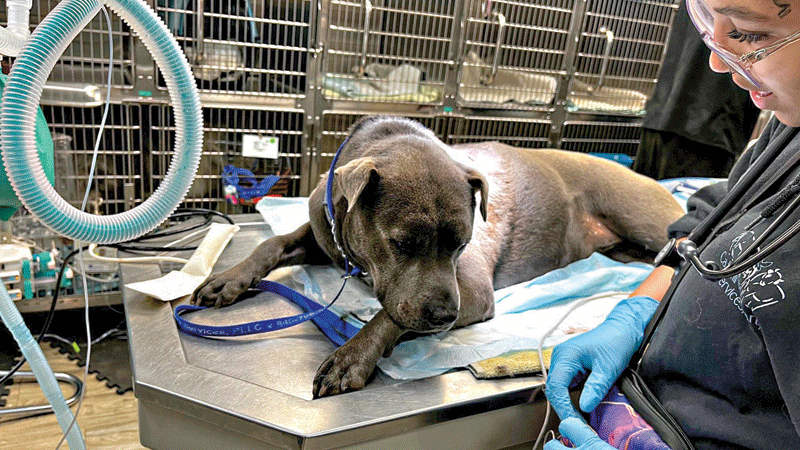
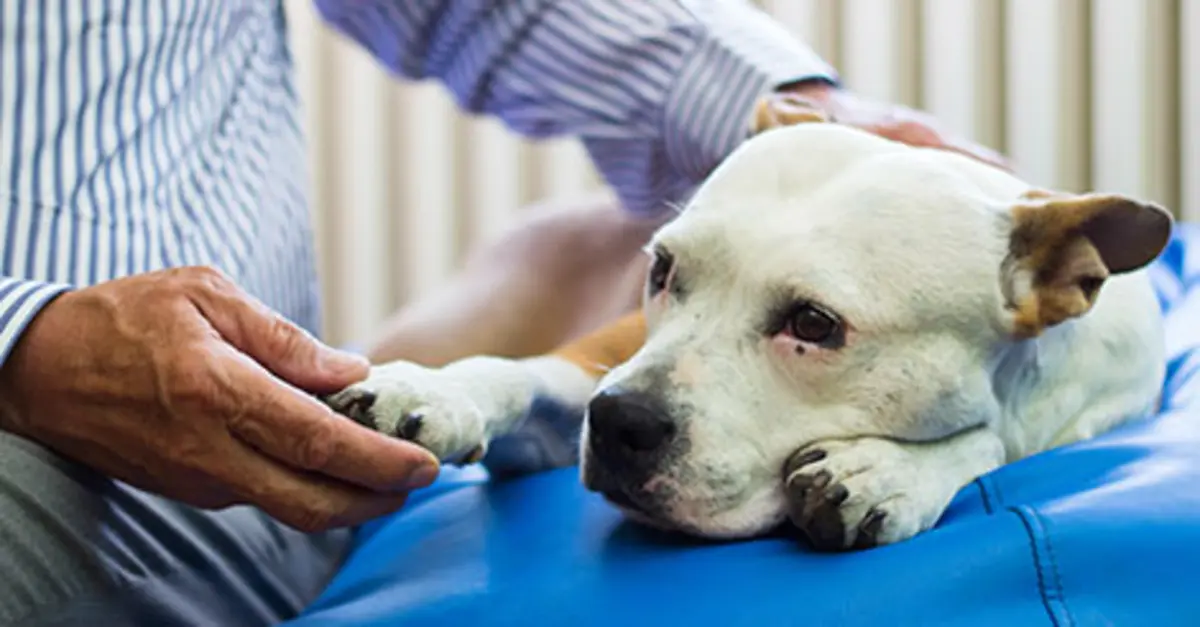
Dog behavior after sedation typically encompasses temporary lethargy, disorientation, whining, mild incoordination, and altered sleep patterns. Sedation involves using medications that induce a calm or sleepy state without necessarily causing complete unconsciousness, differing from general anesthesia which produces a controlled state of unconsciousness. As these pharmacological agents wear off, animals often experience a transition phase characterized by grogginess, sensitivity to loud noises, or uncharacteristic clinginess. Some dogs might pace restlessly or seek dark, quiet corners to rest, reflecting a natural instinct to find safety while feeling physically vulnerable.
Physiological and Behavioral Impacts of Sedatives
The residual effects of tranquilizers alter a dog’s perception, balance, and emotional regulation for several hours or even a full day following administration. Body temperature regulation, blood pressure, and cognitive processing can remain slightly depressed while metabolic pathways clear the circulating drugs from the bloodstream. Providing proper Dog Health support during this vulnerable phase minimizes stress and promotes a smooth transition back to baseline vitality. Guardians frequently notice temporary changes in house-training reliability, appetite, or social interaction styles while the neurological system resets.
Lingering central nervous system depression can impair balance, coordination, and cognitive responses for up to twenty-four hours following sedative administration. — American Veterinary Medical Association
Managing and Caring for a Sedated Dog at Home
Creating a calm, low-traffic environment is essential for supporting a dog recovering from sedative drugs. Minimizing bright lights, loud noises, and interactions with other household pets prevents accidental startle responses or heightened anxiety while coordination remains compromised. Offering small, easily digestible meals rather than a full portion helps prevent digestive upset, as sedatives can sometimes cause nausea. Maintaining a comfortable ambient room temperature ensures the animal stays warm, since metabolic slowing interferes with natural thermoregulation.
Best Practices and Common Mistakes to Avoid
Preventing injury requires keeping recovering dogs away from stairs, elevated furniture, and bodies of water until full motor control returns. A frequent mistake involves offering unrestricted food or water too quickly, which can induce vomiting in groggy animals. For reliable guidance on daily wellness routines during recovery, consult resources on Dog Care to ensure optimal safety standards. Never attempt to administer human medications, herbal supplements, or unprescribed remedies at home to counter grogginess, as interacting substances can trigger severe adverse reactions.
Providing a confined, padded resting space at floor level significantly reduces the risk of accidental falls and trauma while motor function is impaired. — American Kennel Club
Pet Care & Wellness Overview Table
| Life Stage | Daily Activity Level | Key Nutrition / Care Focus |
|---|---|---|
| Puppy / Kitten | High (frequent short bursts) | High-protein growth diet & early socialization |
| Adult Companion | Moderate (30–60 mins daily) | Balanced maintenance nutrition & dental hygiene |
| Senior Pets | Low to Gentle (mindful walks) | Joint support (Glucosamine) & routine vet checks |
Images References







Breed, Age, and Size Considerations in Sedation Recovery
Individual characteristics such as age, body composition, and genetic background strongly influence how a dog processes and eliminates sedatives. Senior dogs or those with underlying organ system vulnerabilities typically metabolize pharmaceutical agents much slower than young, healthy adults, resulting in extended recovery timelines. Brachycephalic breeds, characterized by shortened facial structures, require heightened vigilance due to pre-existing airway considerations that can be exacerbated by sedatives. Exploring breed-specific traits through information on Dog Breeds assists guardians in understanding unique physiological sensitivities to veterinary medications.
When to Consult a Veterinary Professional
Persistent or worsening symptoms require prompt veterinary evaluation to rule out adverse drug reactions or delayed complications. Contact a veterinarian immediately if the dog exhibits extreme lethargy lasting beyond twenty-four hours, laboured breathing, pale or bluish gums, repeated vomiting, or inability to stand. Guidance on Dog Behavior can help differentiate normal post-procedural grogginess from neurological distress or pain-induced agitation that necessitates professional intervention.
Supporting Long-Term Canine Wellness
Navigating the post-sedation phase successfully strengthens the bond between pets and their human caregivers through attentive, compassionate support. Proper preparation, a secure recovery environment, and close observation ensure that temporary pharmaceutical effects resolve safely without lasting stress. Discover more expert resources, health tips, and care guides by visiting PetsAnimalsWorld.com to support every stage of canine well-being.




