
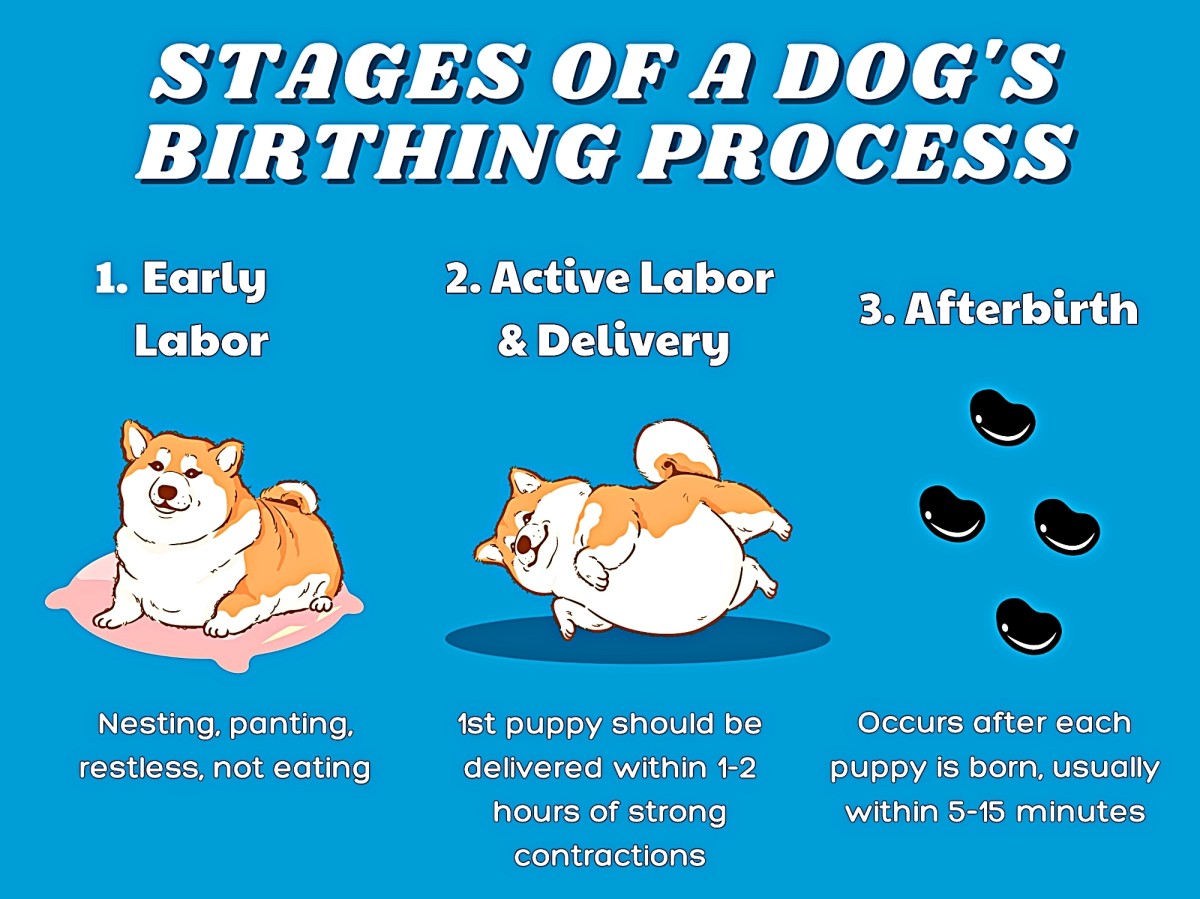
Recognizing Shifts in Canine Awareness During Pregnancy
According to the American Kennel Club (AKC), dogs possess an extraordinary sense of smell and a remarkable ability to detect subtle physiological changes in humans. When a pregnant household member nears the end of gestation, domestic canines frequently display noticeable shifts in everyday routines and emotional responses. Understanding dog behavior before owner goes into labor helps households prepare for the arrival of a new family member while maintaining emotional stability for the resident animal. These behavioral modifications stem from a combination of acute olfactory perception, sensitivity to shifting household dynamics, and an instinctive response to human hormonal fluctuations. Observers often notice that animals become unusually attentive, restless, or clingy weeks before delivery occurs, reflecting the deep bond shared between dogs and human companions.
💡 Pet Care Key Takeaways:
- Core Focus: Practical health, nutrition, and wellness guidelines for Dog Behavior Before Owner Goes Into Labor.
- Target Scope: Pet owners, animal caregivers, and veterinary support staff.
- Best Recommendation: Maintain consistent daily routines and consult an accredited veterinarian before introducing major diet or medical changes.
Interpreting Canine Sensitivities and Olfactory Detection
Changes in dog behavior before owner goes into labor primarily involve heightened vigilance, shadowing, and unusual physical contact driven by scent-based awareness. As human bodies undergo profound hormonal and metabolic shifts in the final stages of pregnancy, volatile organic compounds and pheromones alter the familiar scent profile of the expectant parent. Canines register these subtle biochemical adjustments long before visual or structural changes become obvious to external observers. Consequently, animals may adopt a protective posture, frequently resting their heads against the pregnant belly or sleeping directly across doorways. While this increased attachment is often interpreted as affection, it frequently reflects mild anxiety, curiosity, or uncertainty regarding the altered scent and unpredictable energy radiating from the human companion. For more related activities, check out our Dog Jealous Behavior.
Emotional Repercussions and Environmental Stressors
Environmental upheaval, combined with heightened sensory awareness, can trigger stress responses ranging from mild panting and pacing to destructive chewing or house-soiling accidents. Dogs rely heavily on predictable routines, and the arrival of nursery furniture, unfamiliar baby gadgets, and shifting daily schedules disrupts this perceived stability. When a canine senses impending labor through subtle shifts in human body temperature, vocal tone, or adrenaline levels, restlessness typically intensifies. Ensuring that animals retain a safe, quiet refuge away from the immediate chaos of nesting preparations is vital for emotional equilibrium.
Canines possess an olfactory capacity tens of thousands of times more sensitive than human beings, allowing them to detect minute hormonal and metabolic shifts during late human pregnancy. — American Kennel Club (AKC)
Proactive Management and Desensitization Strategies
Managing dog behavior before owner goes into labor requires gradual desensitization to new environmental stimuli and predictable adherence to established feeding and exercise routines. Introducing nursery items weeks ahead of time allows animals to investigate new furniture and scents at their own pace without overwhelming sensory systems. Rewarding calm curiosity with high-value treats reinforces positive associations with infant gear rather than fostering fear or territorial guarding. Furthermore, engaging animals in structured mental stimulation games prevents boredom-induced anxiety while expending physical energy that might otherwise manifest as frantic pacing.
Guidance for Maintaining Harmony and Avoiding Common Pitfalls
Household members must avoid punishing anxious or clingy canine behaviors, as scolding intensifies stress and creates negative associations with the approaching family transition. Consistency remains paramount; maintaining regular walking schedules and designated cuddle times reassures the animal that its place within the family unit remains secure. Another frequent misstep involves abruptly excluding dogs from areas where infant preparations occur, which only heightens suspicion and territorial anxiety. Instead, integrate the animal gradually into new spaces through positive reinforcement, supervised exploration, and calm reassurance.
Positive reinforcement training combined with gradual environmental habituation significantly reduces canine stress responses associated with major household restructuring. — American Society for the Prevention of Cruelty to Animals (ASPCA)
Pet Care & Wellness Overview Table
| Life Stage | Daily Activity Level | Key Nutrition / Care Focus |
|---|---|---|
| Puppy / Kitten | High (frequent short bursts) | High-protein growth diet & early socialization |
| Adult Companion | Moderate (30–60 mins daily) | Balanced maintenance nutrition & dental hygiene |
| Senior Pets | Low to Gentle (mindful walks) | Joint support (Glucosamine) & routine vet checks |
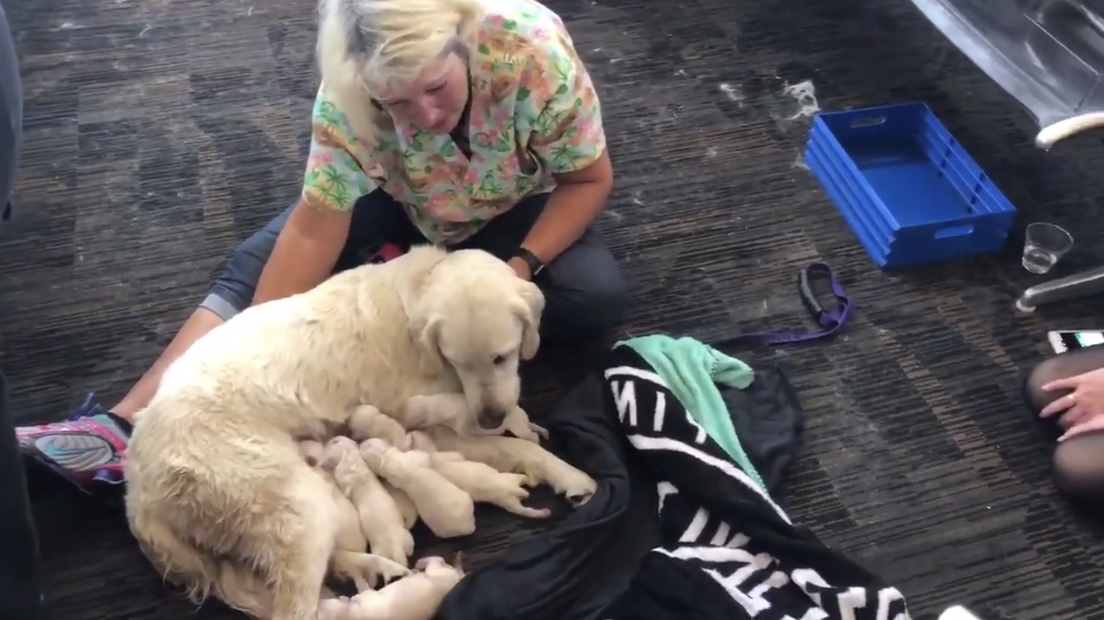
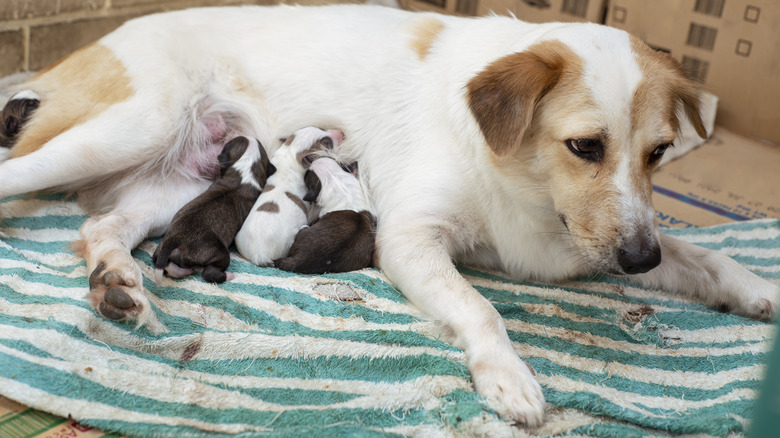
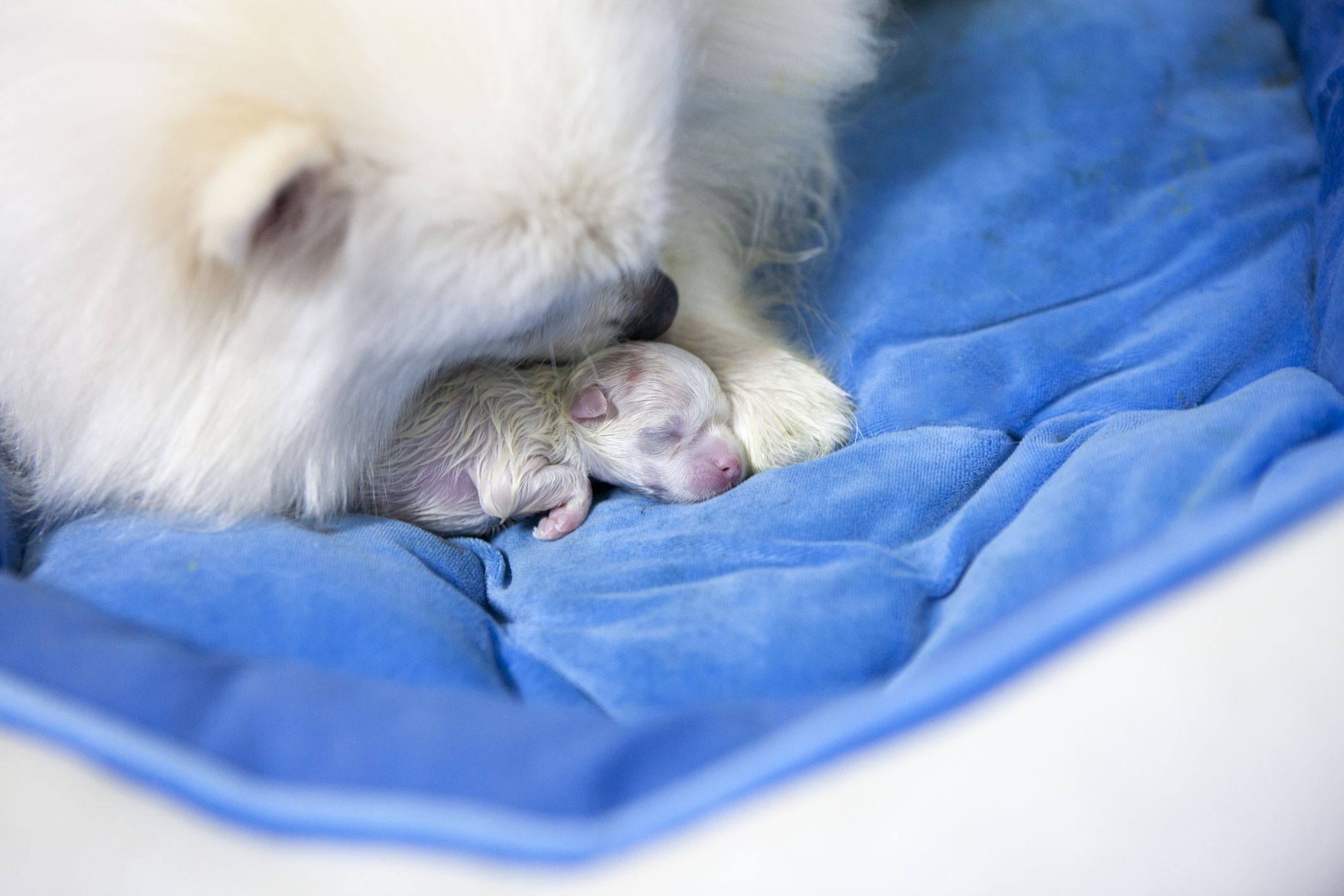
Images References


Breed Tendencies, Age, and Temperament Factors
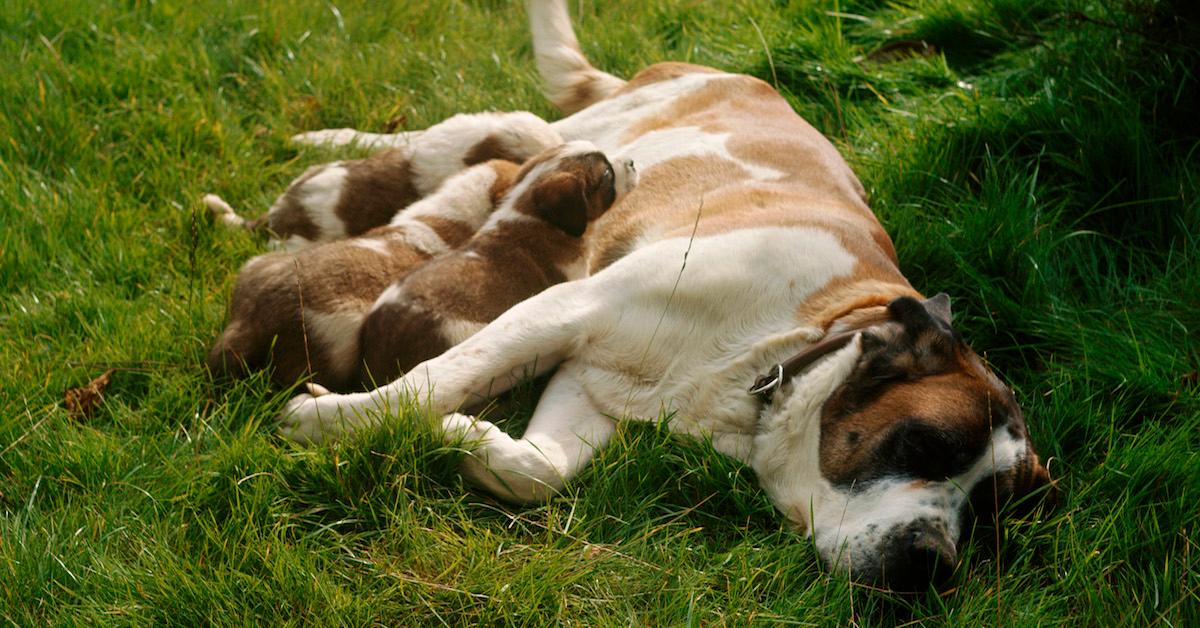
The manifestation of dog behavior before owner goes into labor varies considerably depending on breed-specific traits, individual temperament, working heritage, and age. Highly alert herding breeds or guarding types frequently display pronounced shadowing and intense vigilance, sometimes showing reluctance to allow unfamiliar visitors near the expectant parent. Conversely, more independent or relaxed companion breeds might show minimal outward change beyond seeking occasional quiet comfort. Senior dogs or animals with underlying joint discomfort may react to heightened household tension with increased stiffness, withdrawal, or irritability, necessitating extra veterinary oversight and comfortable resting spaces.
When Professional Intervention Becomes Necessary
Persistent behavioral deterioration, unprovoked aggression, severe destructive panic, or prolonged refusal to eat requires professional guidance from a qualified veterinary behaviorist or certified dog trainer. While mild restlessness and increased attachment are normal responses to late-stage pregnancy, extreme fear or resource guarding directed toward family members poses safety risks that demand expert intervention. Consulting a professional ensures that human safety is maintained while addressing the root causes of canine anxiety through humane, fear-free behavior modification protocols tailored to the individual animal.
Preparing the Household for a Seamless Transition
Supporting an animal through major family milestones requires patience, empathy, and a strong commitment to understanding canine communication signals. Exploring resources related to Dog Behavior and Dog Training can help families build effective management strategies long before the baby arrives. Additionally, reviewing articles on Dog Care ensures that the pet’s physical and emotional needs continue to receive adequate attention amidst the whirlwind of newborn parenting. Visit PetsAnimalsWorld.com for continuous guidance on fostering a safe, harmonious environment for every member of the multi-species household.




