

Understanding Canine Development Across the Lifespan
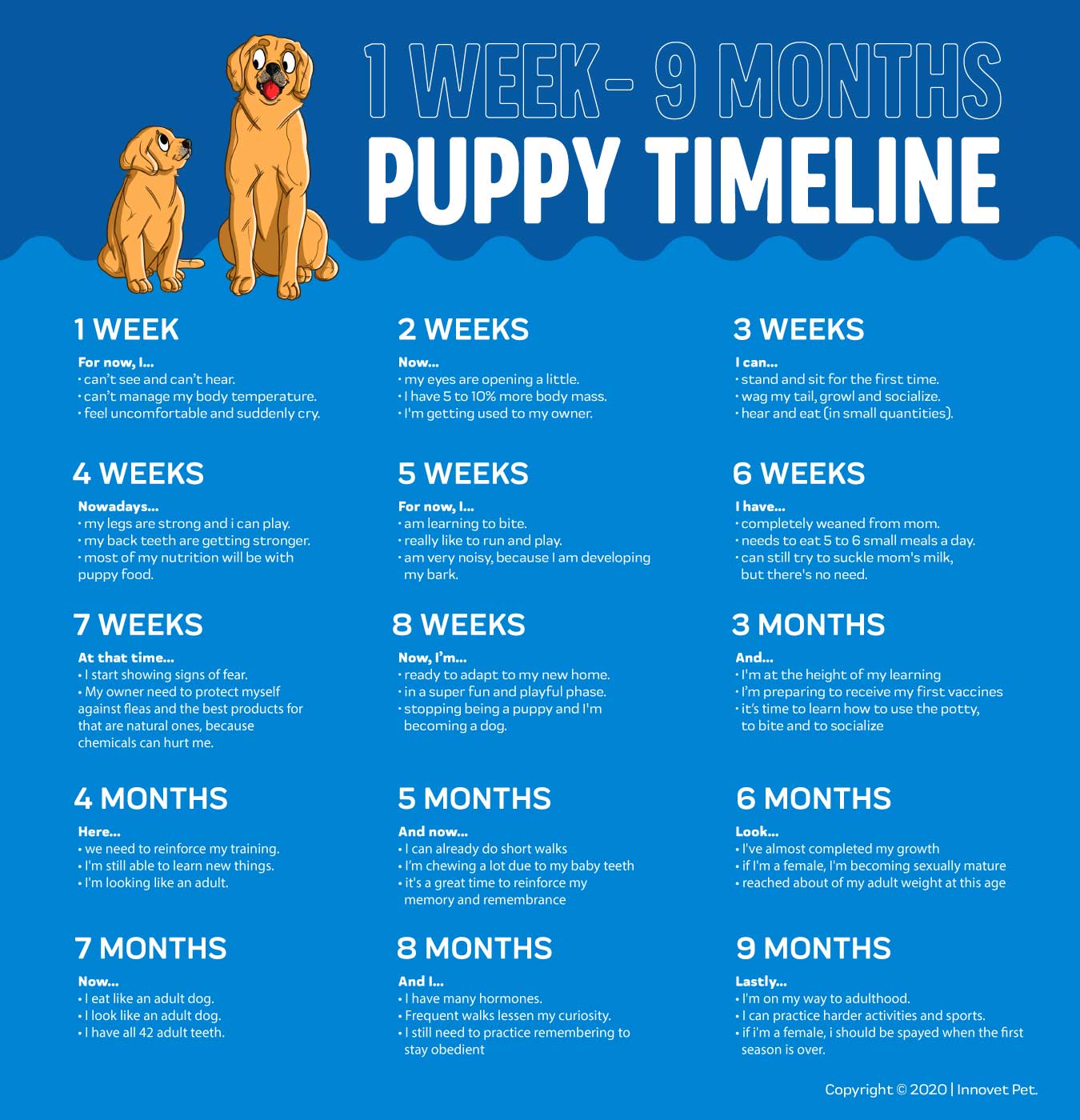
Comprehending dog behavior by age requires recognizing that canine development involves distinct physical, neurological, and emotional stages that shape temperament. According to the American Society for the Prevention of Cruelty to Animals (ASPCA), early developmental milestones directly influence how adult dogs perceive their environment and interact with humans. Observers often notice dramatic shifts as a puppy transitions into adolescence and eventually reaches senior years. Each life stage presents unique neurological changes that dictate learning capacity, emotional resilience, and overall stability. Navigating these transitions successfully relies on recognizing natural developmental phases rather than expecting uniform conduct throughout a life.
💡 Pet Care Key Takeaways:
- Core Focus: Practical health, nutrition, and wellness guidelines for Dog Behavior By Age.
- Target Scope: Pet owners, animal caregivers, and veterinary support staff.
- Best Recommendation: Maintain consistent daily routines and consult an accredited veterinarian before introducing major diet or medical changes.
Defining Behavioral Changes Throughout Canine Life Stages
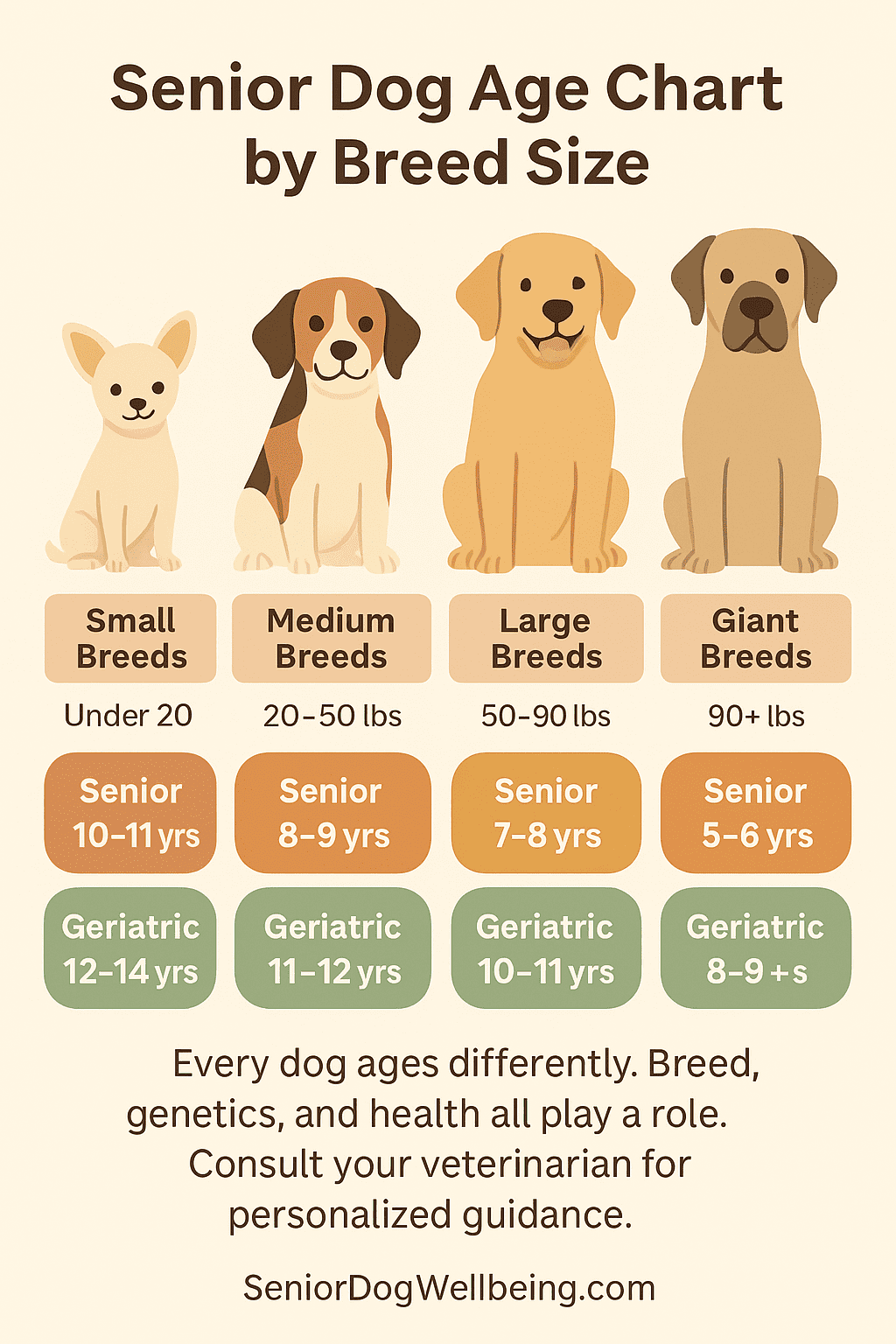
Dog behavior by age encompasses the predictable psychological and physiological patterns observed from puppyhood through senior years. Puppies undergo critical socialization periods where exposure to novel stimuli builds confidence, whereas adolescents experience hormonal shifts akin to human teenagers, often testing boundaries and displaying impulsive tendencies. Adult dogs typically achieve social maturity, bringing a calmer demeanor and established behavioral patterns. Senior dogs experience cognitive aging, which can alter daily routines and responsiveness. Understanding these shifting baselines helps establish realistic expectations for training, socialization, and everyday management.
The Impact of Age-Related Shifts on Daily Care and Welfare
Monitoring developmental shifts ensures that Dog Care routines align with the physical and mental capabilities of the animal. Environmental enrichment must adapt over time; high-energy adolescents require extensive problem-solving activities, whereas older dogs benefit from low-impact mental stimulation that accommodates joint stiffness. Nutritional requirements also fluctuate across the lifespan, influencing energy levels and overall disposition. Providing appropriate outlets for natural instincts during each stage prevents frustration and supports long-term emotional well-being.
Behavioral changes in adolescent dogs often coincide with hormonal maturation, temporary boundary testing, and heightened sensitivity to environmental stressors — American Kennel Club
Managing and Guiding Behavioral Evolution Responsibly
Guiding canine development involves utilizing positive reinforcement methods that reward desired actions while maintaining clear, consistent boundaries. Positive reinforcement relies on strengthening preferred responses through rewards like food, toys, or praise without employing intimidation. Structured routines provide necessary predictability, helping puppies and adolescent dogs self-regulate during periods of high arousal. For senior dogs, maintaining familiar household layouts and gentle handling preserves confidence and minimizes disorientation.
Best Practices and Common Pitfalls in Age-Specific Management
Implementing effective guidance requires patience and an understanding of cognitive limitations at each stage of life. A common mistake involves assuming that adolescent testing stems from stubbornness rather than neurological development; misinterpreting these actions can lead to counterproductive punitive measures. Instead, focusing on proactive management and environmental control yields more reliable results. Rewarding calm engagement consistently reinforces desirable choices across all developmental brackets.
Early socialization during the primary juvenile window significantly reduces the prevalence of fear-based responses and reactivity in adult dogs — American Veterinary Medical Association
Pet Care & Wellness Overview Table
| Life Stage | Daily Activity Level | Key Nutrition / Care Focus |
|---|---|---|
| Puppy / Kitten | High (frequent short bursts) | High-protein growth diet & early socialization |
| Adult Companion | Moderate (30–60 mins daily) | Balanced maintenance nutrition & dental hygiene |
| Senior Pets | Low to Gentle (mindful walks) | Joint support (Glucosamine) & routine vet checks |
Images References




Breed, Size, and Individual Temperament Influences
Examining dog behavior by age must account for the substantial variation driven by breed heritage, adult size, and individual personality traits. Smaller breeds often mature faster physically and behaviorally than giant breeds, which may retain puppy-like exuberance for up to three years. Working and herding backgrounds can introduce intense drive characteristics during adolescence that require specialized outlets. Recognizing these inherent traits allows caretakers to tailor Dog Training approaches to match the specific developmental pace of the individual animal.
When to Consult a Veterinarian or Qualified Behavior Professional
Sudden or severe shifts in temperament warrant professional evaluation to rule out underlying medical issues or progressive cognitive dysfunction. For persistent challenges involving fear, anxiety, or reactivity, seeking guidance from a qualified, certified professional using humane methodologies is essential. A comprehensive veterinary assessment helps identify pain, sensory decline, or metabolic imbalances that frequently manifest as unexpected behavioral changes, particularly in aging dogs.
Supporting Lifelong Canine Wellness and Understanding
Recognizing the nuances of canine aging fosters a harmonious relationship built on empathy, patience, and informed observation. Exploring resources on Dog Behavior and Dog Health equips owners with the knowledge needed to support their companions at every stage. Visit PetsAnimalsWorld.com to discover comprehensive guides dedicated to enhancing the lives of canine companions from puppyhood through their golden years.




