

Understanding the Concept of Dog Behavior Boot Camp
The search for immediate solutions to canine behavioral challenges often leads owners to consider intensive, immersive training programs, frequently marketed as a dog behavior boot camp. According to the American Kennel Club, consistent, positive reinforcement training is essential for building a strong, lasting bond between a dog and its owner. When faced with persistent issues such as leash pulling, jumping, or lack of recall, the idea of sending a pet away for a structured, multi-week intensive program can appear highly attractive. However, understanding exactly what these programs entail and how they integrate into a dog’s long-term development is a critical step for any responsible pet guardian. Assessing whether such an immersive environment aligns with the specific needs of a canine companion requires looking beyond the marketing and examining the underlying methodology, the impact on animal welfare, and the necessity of owner involvement.
💡 Pet Care Key Takeaways:
- Core Focus: Practical health, nutrition, and wellness guidelines for Dog Behavior Boot Camp.
- Target Scope: Pet owners, animal caregivers, and veterinary support staff.
- Best Recommendation: Maintain consistent daily routines and consult an accredited veterinarian before introducing major diet or medical changes.
Defining Intensive Training Programs
A dog behavior boot camp, often referred to in the industry as board-and-train, is an arrangement where a dog resides at a professional facility or a trainer’s home for a designated period to undergo daily, intensive instruction. These programs aim to accelerate learning by providing a highly controlled environment where the dog is exposed to consistent cues and routines without the daily distractions of a home setting. While the premise centers on efficiency, the quality of these programs varies significantly. Effective programs prioritize humane, evidence-based training techniques that focus on reinforcement of desired behaviors rather than the suppression of unwanted ones through intimidation or fear. The primary goal of any reputable training intervention should be to equip the dog with the skills necessary to navigate the human world while ensuring the pet feels secure and confident in its surroundings.
The Behavioral and Welfare Implications
The success of any behavioral intervention depends on the dog’s ability to generalize learned skills from the training environment to the home, which is a major hurdle in intensive residential programs. Because dogs learn contextually, a behavior mastered in a sterile facility may not automatically translate to the kitchen, the backyard, or the local park. Furthermore, the abrupt separation from the primary caregiver can cause stress for some animals, particularly those prone to anxiety. Ensuring that the training methodology aligns with the dog’s emotional state is vital to prevent the development of fear-based responses. High-quality training programs recognize that behavior is an expression of a dog’s internal state and physical well-being, necessitating an approach that addresses the root cause of the behavior rather than merely masking the symptoms.
The American Veterinary Society of Animal Behavior emphasizes that positive reinforcement training is the most effective and humane approach for teaching dogs, as it promotes better learning and strengthens the human-animal bond. — American Veterinary Society of Animal Behavior
Strategies for Effective Behavioral Modification
Addressing behavioral challenges effectively often requires a collaborative effort that keeps the pet owner at the center of the process. Rather than relying solely on an external boot camp, many owners find greater success by working with a certified trainer to develop skills within their own living environment. This approach allows for the immediate application of new cues and helps the owner learn how to read their dog’s body language and environmental triggers. By managing the dog’s surroundings to prevent the practice of unwanted behaviors and rewarding calm, appropriate choices, owners can create a foundation of mutual understanding. Consistent practice, patience, and the use of clear, predictable communication remain the most reliable tools for long-term behavioral success.
Best Practices and Pitfalls to Avoid
When evaluating any training program, the most important factor is the methodology used, as some intensive programs may rely on outdated, punitive, or dominance-based techniques. Owners should be wary of any service that promises instant results or guaranteed outcomes, as behavioral change is a gradual process influenced by a dog’s temperament, age, and previous history. Always ask for a detailed description of the training techniques employed and observe how the trainers interact with the animals in their care. A transparent facility will encourage questions and allow owners to see the training process firsthand. Avoiding programs that utilize fear, pain, or intimidation is essential, as these methods can exacerbate underlying anxiety, lead to potential aggression, and severely damage the trust between a dog and its human.
According to the American Society for the Prevention of Cruelty to Animals (ASPCA), positive reinforcement—which involves rewarding desirable behaviors and removing rewards for unwanted ones—is the gold standard for humane and effective dog training. — ASPCA
Pet Care & Wellness Overview Table
| Life Stage | Daily Activity Level | Key Nutrition / Care Focus |
|---|---|---|
| Puppy / Kitten | High (frequent short bursts) | High-protein growth diet & early socialization |
| Adult Companion | Moderate (30–60 mins daily) | Balanced maintenance nutrition & dental hygiene |
| Senior Pets | Low to Gentle (mindful walks) | Joint support (Glucosamine) & routine vet checks |
Images References


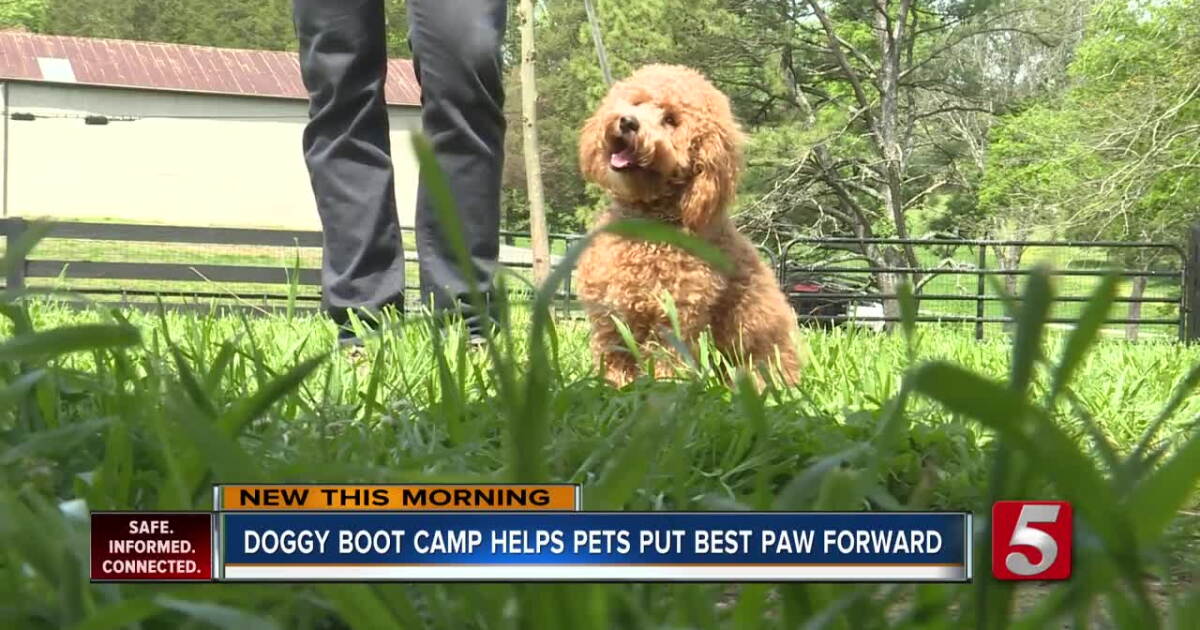

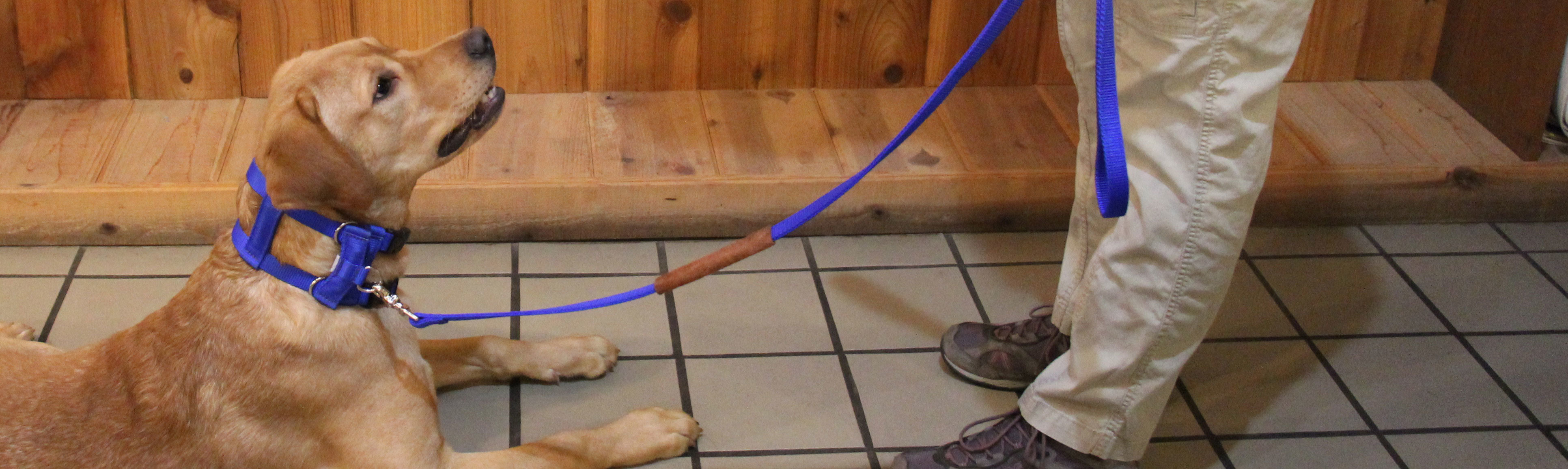


Considerations for Age, Breed, and Temperament
A one-size-fits-all approach is rarely effective in Dog Training, as every individual dog possesses a unique history and personality. Younger dogs, such as puppies in the socialization window, require gentle, exposure-based learning rather than intensive drill-style training. Conversely, older dogs or those from specific Dog Breeds with high drive levels may require specialized outlets for their energy and mental stimulation. Understanding these innate characteristics helps in selecting a training path that respects the dog’s natural instincts while shaping behaviors that are compatible with household living. Tailoring the intensity and complexity of the training to match the specific needs of the individual ensures that the learning process remains an engaging and positive experience for the animal.
When to Seek Professional Guidance
Consulting a professional is necessary when behavioral issues involve fear, anxiety, or aggression, as these often require a multifaceted approach that may include medical evaluation. Before beginning any intensive training program, a visit to a veterinarian is recommended to rule out underlying Dog Health issues that might be manifesting as behavioral problems. If a dog displays sudden changes in temperament, persistent reactivity, or signs of extreme stress, a veterinary behaviorist or a certified professional trainer with specialized experience in behavior modification is the most appropriate resource. These professionals possess the expertise to design a safe, effective, and humane plan that prioritizes the welfare of the dog above all else.
Supporting Your Dog’s Behavioral Journey
Building a well-behaved companion is a lifelong process that thrives on patience, consistency, and a deep respect for the animal’s perspective. While the allure of a quick fix through a boot camp is understandable, the most enduring results come from the daily interactions and small, positive learning moments shared within the home. By focusing on Dog Care and consistent, humane guidance, owners can foster a relationship built on trust and clear communication. For more information on nurturing a healthy, happy, and well-adjusted pet, explore the resources available at PetsAnimalsWorld.com, where the focus remains on evidence-based, compassionate care for all animal companions.




