
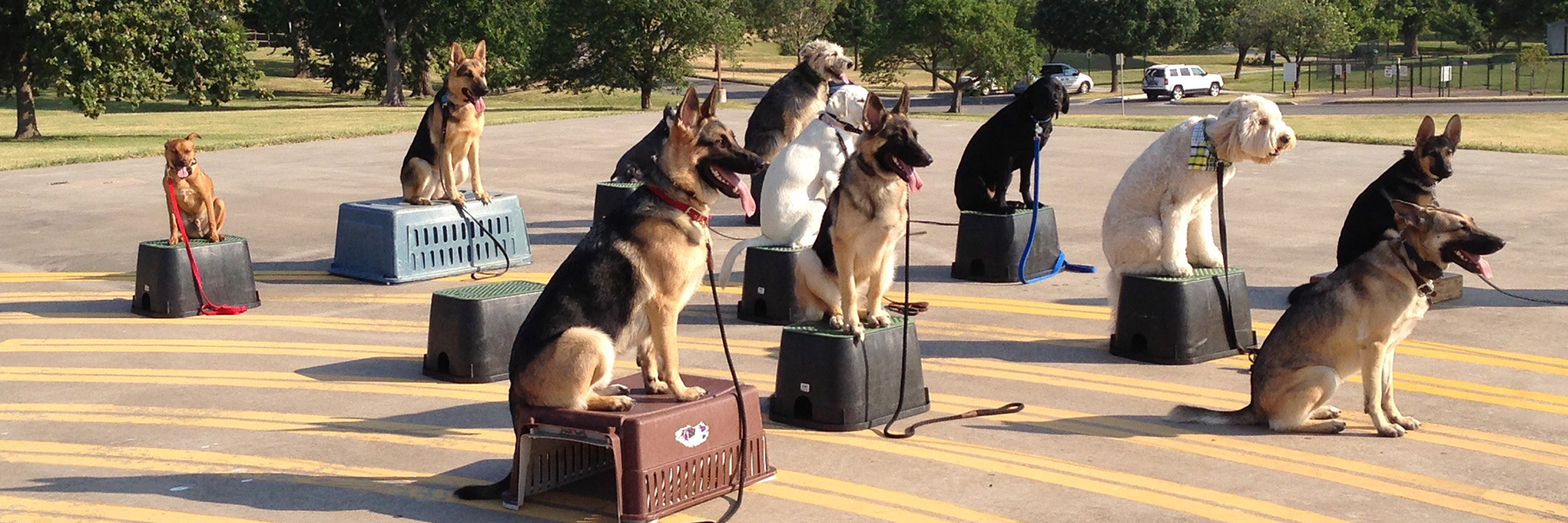
Understanding Intensive Training Programs for Canines
Searching for a “dog behavior boot camp near me” often reflects a desire to resolve complex behavioral challenges quickly and effectively. Many guardians seek these intensive, board-and-train programs when faced with issues like leash reactivity, resource guarding, or difficulties with house training that have proven resistant to standard efforts. According to the American Society for the Prevention of Cruelty to Animals (ASPCA), the most effective training methods are based on positive reinforcement, which focuses on rewarding desired behaviors rather than punishing unwanted ones. Understanding the methodology behind any training facility is essential for ensuring that the chosen approach aligns with the long-term well-being and emotional health of the dog.
💡 Pet Care Key Takeaways:
- Core Focus: Practical health, nutrition, and wellness guidelines for Dog Behavior Boot Camp Near Me.
- Target Scope: Pet owners, animal caregivers, and veterinary support staff.
- Best Recommendation: Maintain consistent daily routines and consult an accredited veterinarian before introducing major diet or medical changes.
Defining the Concept of Dog Behavior Boot Camps
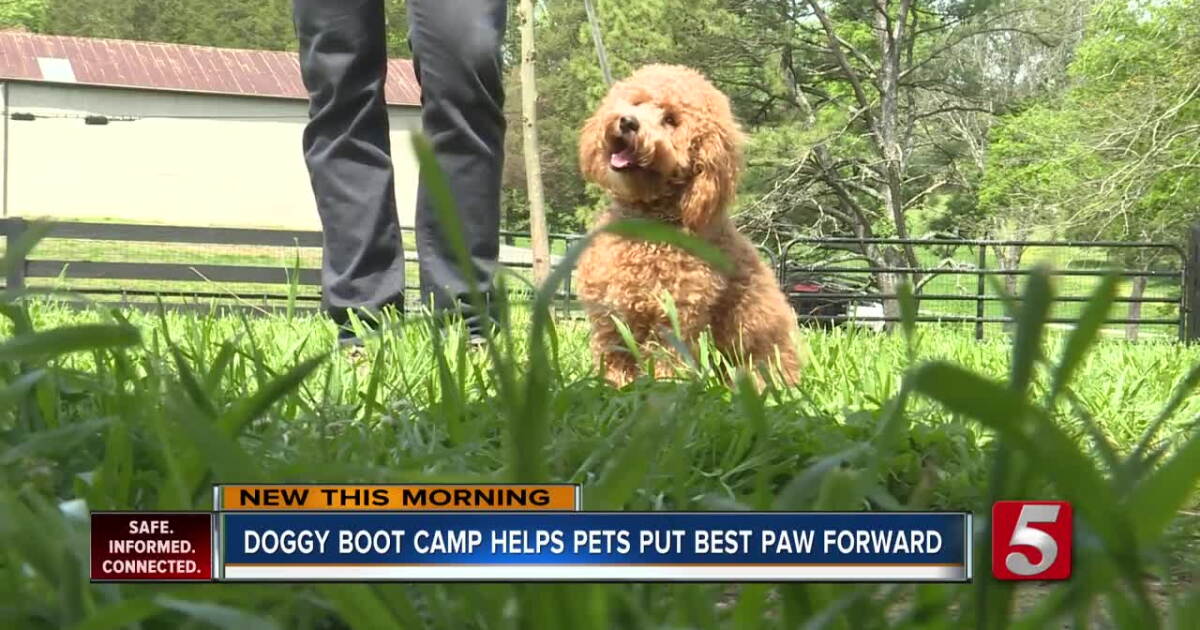
A dog behavior boot camp, often referred to as a board-and-train program, involves sending a dog to live at a professional facility for a specified period, ranging from a few days to several weeks, for immersive training. The goal is typically to provide consistent, repetitive instruction from a professional trainer to establish basic obedience, address specific behavioral triggers, or refine social skills. While the convenience of having a professional handle the initial heavy lifting is appealing, it is important to recognize that training is a continuous process. Success in these environments depends heavily on the transition period, where the dog must learn to generalize those learned behaviors back in the home environment with the primary caregivers. For more related activities, check out our Dog Care Edge Ultrasonic Dog Trainer.
Behavioral and Developmental Impacts of Intensive Training
The impact of intensive training on a dog’s development depends largely on the training philosophy employed by the facility. Programs that utilize fear-based or punitive techniques, such as heavy reliance on shock collars or intimidation, can inadvertently increase anxiety, fear, or defensive aggression in a dog. Conversely, programs centered on evidence-based, reward-based learning techniques foster a cooperative relationship between the dog and the handler. Because training environments are controlled, dogs may perform exceptionally well while at the facility, yet struggle when they return to a home environment that lacks the same structure or cues. Maintaining progress requires the owner to learn the same techniques used by the trainers to ensure consistency.
Positive reinforcement training, which uses rewards like treats, praise, or play to encourage desired behaviors, is widely supported by veterinary behaviorists as the most humane and effective approach for long-term behavioral change. — American Veterinary Medical Association
When evaluating options for a “dog behavior boot camp near me,” the priority must be transparency and credentials. Reputable facilities welcome questions about their specific training methodologies, daily schedules, and the qualifications of their staff. It is advisable to look for trainers who hold certifications from recognized organizations, as these indicate a commitment to standardized, humane, and science-based practices. Before committing to a program, one should request a facility tour, observe a training session if possible, and verify that the environment provides adequate mental stimulation and rest periods. A high-quality program should prioritize the dog’s emotional state, ensuring that the training process does not induce distress or confusion.
Best Practices for Success and Avoiding Common Pitfalls
The most common mistake owners make is assuming that a boot camp serves as a permanent “fix” that requires no further effort from the household. Behavioral modification is not a static result but a dynamic process that necessitates ongoing practice, reinforcement, and patience. To maximize the benefits of any training program, owners should ensure they receive comprehensive handover training at the conclusion of the program. This allows the human members of the household to understand the cues, timing, and reinforcement schedules used during the stay. Without this continuity, the dog may quickly revert to previous habits once the external structure of the training facility is removed.
The American Kennel Club emphasizes that consistent, daily training sessions of short duration are generally more effective for canine learning and retention than long, infrequent sessions. — American Kennel Club
Pet Care & Wellness Overview Table
| Life Stage | Daily Activity Level | Key Nutrition / Care Focus |
|---|---|---|
| Puppy / Kitten | High (frequent short bursts) | High-protein growth diet & early socialization |
| Adult Companion | Moderate (30–60 mins daily) | Balanced maintenance nutrition & dental hygiene |
| Senior Pets | Low to Gentle (mindful walks) | Joint support (Glucosamine) & routine vet checks |
Images References




Considering Breed, Age, and Individual Temperament
Individual characteristics such as age, breed history, and temperament play a significant role in how a dog responds to intensive training. Younger dogs, particularly puppies during their critical socialization windows, benefit from gentle, exposure-based learning, while older dogs with established behavioral patterns may require more time and patience to modify their responses. Breeds with high working drives may thrive in structured environments, whereas more sensitive or fearful dogs might find the separation from their owners during a board-and-train program highly stressful. It is essential to discuss these specific traits with a professional to determine if an immersive environment is the most appropriate setting for the individual animal’s needs.
When to Consult a Veterinary Professional or Specialist
If a dog exhibits sudden changes in behavior, extreme aggression, or signs of severe anxiety, the first step should always be a consultation with a veterinarian. Medical issues, such as underlying pain, thyroid imbalances, or neurological conditions, can often manifest as behavioral problems. A veterinarian can rule out physical causes and, if necessary, provide a referral to a board-certified veterinary behaviorist. These specialists are uniquely qualified to address complex behavioral disorders that fall outside the scope of general training. Relying on specialized medical or behavioral expertise ensures that the dog receives a comprehensive, safe, and effective plan tailored to its specific health and emotional requirements.
Empowering the Human-Animal Bond
The journey toward a well-behaved companion is a rewarding process that strengthens the bond between a person and their dog. While professional guidance is valuable, the daily interactions, consistent communication, and shared experiences in the home remain the foundation of a healthy relationship. For further insights into Dog Training, Dog Behavior, or general Dog Care, explore the resources available at PetsAnimalsWorld.com. Dedicated, informed care is the key to ensuring that every dog thrives in its environment.




