

Understanding the Milestone of Dog Behavior Changes at Two Years Old
The transition from puppyhood to adulthood is a gradual progression that involves significant neurological and physical maturation in domestic canines. According to the American Kennel Club, many dog breeds reach social and mental maturity around the age of two, shifting away from chaotic adolescent habits toward a more settled temperament. This developmental milestone often catches owners by surprise, as dogs that previously appeared frantic or unpredictable begin to exhibit deeper patterns in their daily conduct. Recognizing that these adjustments form a normal part of canine development helps households establish realistic expectations for long-term companionship.
💡 Pet Care Key Takeaways:
- Core Focus: Practical health, nutrition, and wellness guidelines for Dog Behavior Changes At 2 Years Old.
- Target Scope: Pet owners, animal caregivers, and veterinary support staff.
- Best Recommendation: Maintain consistent daily routines and consult an accredited veterinarian before introducing major diet or medical changes.
Defining Behavioral Maturation in Young Adult Dogs
Reaching the two-year mark generally signifies the final stage of physical growth for many medium and large breeds, accompanied by the stabilization of hormone levels and brain development. This phase, frequently studied within Dog Behavior, often highlights a distinct shift from juvenile impulsivity to considered decision-making. Canines at this age may demonstrate longer attention spans during learning sessions, reduced destructive chewing tendencies compared to teething puppies, and more predictable social preferences regarding unfamiliar animals or humans. However, this period also solidifies learned habits, meaning that any lingering behavioral challenges require consistent guidance.
As neurological maturation solidifies, daily routines may require adjustments to accommodate evolving exercise requirements and mental stimulation needs. While high-energy play remains essential, young adult dogs often benefit from structured problem-solving tasks and scent-work activities that engage their fully developed cognitive faculties. Owners frequently notice that reactivity or boundary-testing peaks during early adolescence before leveling off, provided that positive reinforcement has been maintained consistently. Proper management during this window prevents entrenched habits from forming and sets the stage for a calm, well-adjusted adult life.
Social maturity in domestic canines frequently coincides with the cessation of physical growth phases, often marking a transition in emotional regulation — American Kennel Club
Implementing Effective Strategies for Young Adult Canines
Managing the nuanced shifts associated with this age group involves a combination of environmental enrichment, positive reinforcement, and consistent boundaries. Utilizing evidence-informed learning principles ensures that boundaries remain clear without relying on outdated intimidation tactics that can induce fear or defensive reactions. Establishing predictable daily structures helps alleviate any lingering adolescent anxiety, while ongoing obedience practice reinforces good decision-making in high-distraction environments. Every interaction serves as an opportunity to reinforce calm demeanor and polite responses to everyday stimuli.
Best Practices and Common Pitfalls to Avoid
A primary error during this developmental stage is assuming that a two-year-old dog no longer requires structured socialization or mental exercise. Neglecting ongoing training can lead to boredom, which occasionally manifests as unwanted chewing or excessive vocalization. Conversely, setting overly rigid expectations without allowing adequate outlets for natural canine behaviors can create frustration for both the animal and the household. Prioritizing clear communication, patience, and appropriate rewards ensures that the transition into full adulthood remains smooth and harmonious.
Behavioral counseling and environmental enrichment are key components in addressing adolescent developmental changes in companion animals — American Society for the Prevention of Cruelty to Animals
Pet Care & Wellness Overview Table
| Life Stage | Daily Activity Level | Key Nutrition / Care Focus |
|---|---|---|
| Puppy / Kitten | High (frequent short bursts) | High-protein growth diet & early socialization |
| Adult Companion | Moderate (30–60 mins daily) | Balanced maintenance nutrition & dental hygiene |
| Senior Pets | Low to Gentle (mindful walks) | Joint support (Glucosamine) & routine vet checks |
Images References


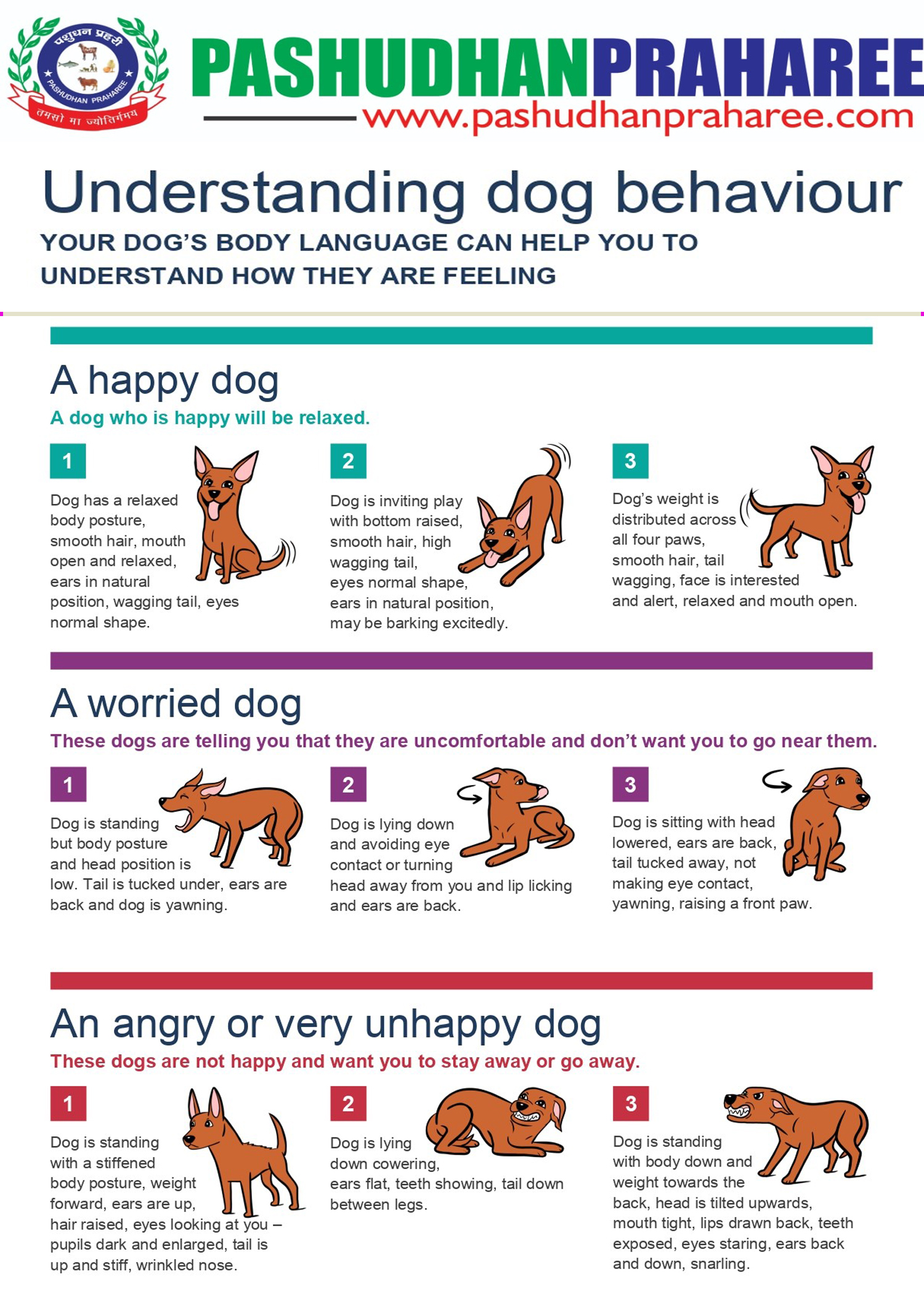


Breed-Specific and Size Considerations in Canine Development
The timeline of behavioral maturation varies considerably depending on breed type, size, and individual genetic background, a subject frequently explored in literature covering Dog Breeds. Toy and small-breed dogs often reach physical and social maturity much earlier, sometimes completing these developmental shifts well before reaching their second year. In contrast, giant breeds like Mastiffs or Great Danes may continue exhibiting puppy-like enthusiasm and physical growth well past twenty-four months. Recognizing these biological differences prevents unrealistic expectations regarding when a specific animal will settle into a calmer adult rhythm.
Knowing When to Consult a Veterinary Professional or Behaviorist
While developmental shifts are standard, sudden or extreme alterations in temperament can indicate underlying medical discomfort, pain, or neurological issues that warrant professional evaluation. For instance, a normally friendly dog displaying sudden aggression, extreme fear, or persistent lethargy requires a thorough examination by a veterinarian to rule out hidden illness or injury. When persistent behavioral concerns such as severe anxiety or compulsive habits arise, consulting a qualified veterinary behaviorist or certified professional trainer ensures safe, humane intervention strategies tailored to the individual animal.
Embracing the Adult Canine Journey
Navigating the milestone of canine maturation requires patience, understanding, and a commitment to lifelong learning within proper Dog Care frameworks. By addressing evolving needs through positive reinforcement and attentive management, households can foster deep, trusting bonds with their maturing companions. Explore more expert resources, health guidance, and training tips across PetsAnimalsWorld.com to ensure a vibrant and healthy life for every four-legged family member.




