
Understanding Canine Conduct During High Temperatures
According to the American Veterinary Medical Association, environmental heat poses significant health risks to domestic animals, making behavioral awareness vital during the summer months. As temperatures rise, dogs experience distinct shifts in their daily routines, energy levels, and physical comfort. Recognizing these changes helps guardians maintain a safe environment and ensures that subtle signs of distress are never overlooked. High temperatures alter more than just a pet’s physical stamina; they frequently prompt shifts in temperament, pacing, and willingness to engage in usual household activities.
💡 Pet Care Key Takeaways:
- Core Focus: Practical health, nutrition, and wellness guidelines for Dog Behavior In Hot Weather.
- Target Scope: Pet owners, animal caregivers, and veterinary support staff.
- Best Recommendation: Maintain consistent daily routines and consult an accredited veterinarian before introducing major diet or medical changes.
Decoding Summer Behavioral Adjustments in Dogs
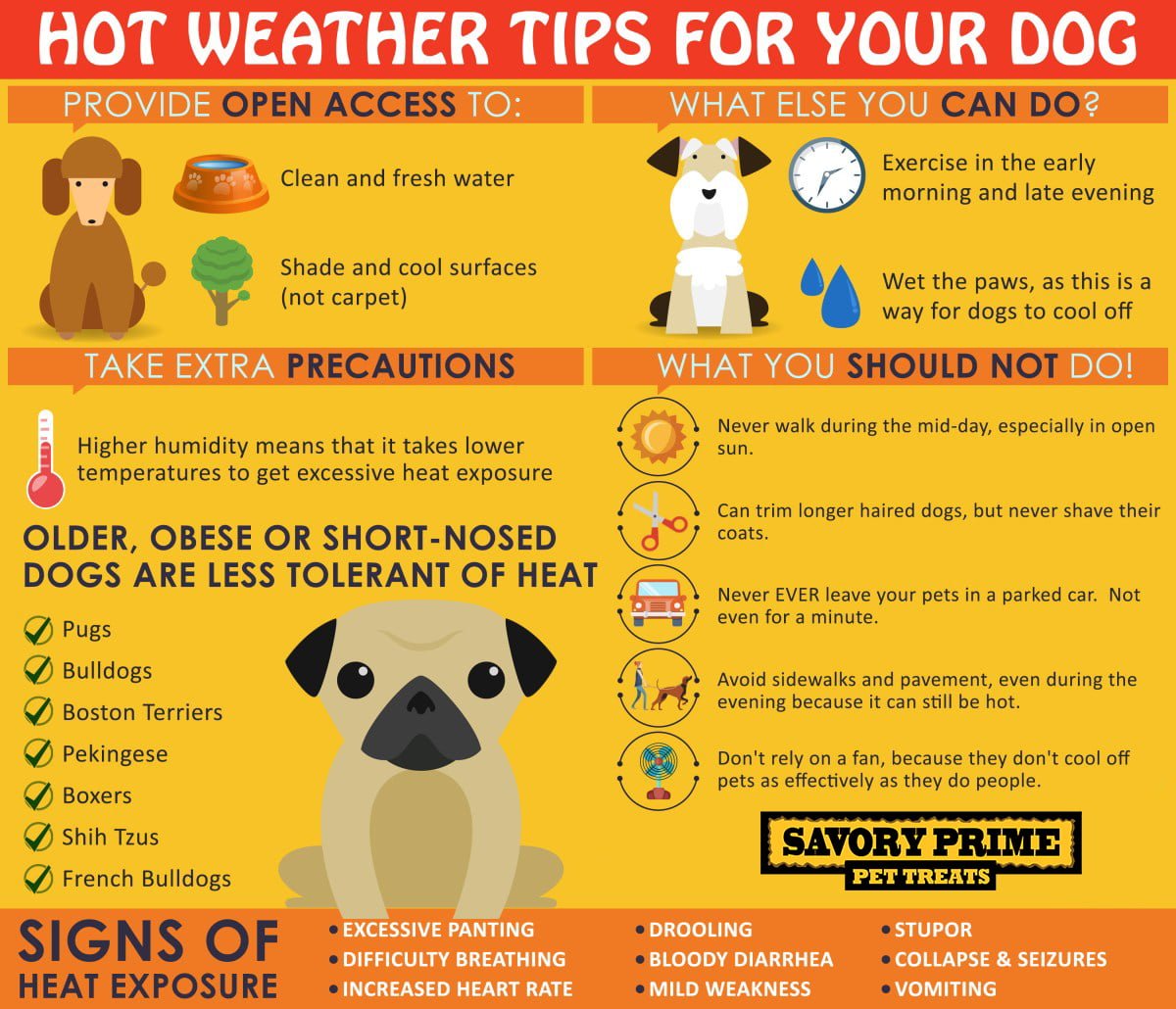
Dog behavior in hot weather typically manifests as a noticeable decrease in spontaneous activity, increased resting time on cool surfaces, and altered sleep patterns. Unlike humans, who sweat across their entire skin surface, canines primarily cool themselves through panting and releasing small amounts of moisture through their paw pads. When ambient heat spikes, the physical effort required to maintain a normal body temperature increases drastically. Consequently, animals often seek out tile floors, shaded patches of grass, or air-conditioned rooms. Owners may observe pets becoming more reluctant to move or seemingly lethargic during peak afternoon hours, which serves as a natural self-preservation response against overheating. For more related activities, check out our Dog Uti Behavior Change.
The Physiological and Psychological Impact of Heat
Environmental heat directly influences canine physiology, triggering stress responses that affect mood and responsiveness to commands. Elevated temperatures can induce irritability, restlessness, or uncharacteristic withdrawal, as the body struggles to cope with thermal strain. When an animal becomes excessively warm, stress hormones rise, potentially lowering the threshold for reactivity or anxiety in otherwise calm environments. Careful observation of posture, eye expression, and breathing rate provides essential insight into how well a companion is managing seasonal shifts. Heavy, rapid panting, excessive drooling, and glassy eyes indicate that the animal’s internal cooling mechanisms are struggling to keep pace.
Environmental heat significantly increases the physiological strain on domestic canines, requiring attentive monitoring of indoor and outdoor conditions — American Veterinary Medical Association
Practical Strategies for Managing Warm-Weather Routines
Managing daily schedules effectively requires shifting physical exercise and outdoor exploration to the coolest parts of the day, such as early morning or late evening. Asphalt and concrete absorb solar radiation rapidly, retaining dangerous heat levels long after direct sunlight fades. Testing pavement temperatures with the back of a hand for several seconds ensures the surface is safe for sensitive paw pads before any walk begins. Providing continuous access to fresh, cool water and shaded resting zones remains essential for supporting natural thermoregulation throughout the day.
Best Practices and Common Pitfalls to Avoid
Avoiding forced exercise during peak sunlight hours prevents rapid internal temperature spikes and protects against heat-related illness. Many well-meaning guardians continue standard daytime routines without realizing that high humidity severely inhibits effective panting. Introducing indoor mental enrichment activities, such as puzzle toys or scent games, provides a safe alternative when outdoor conditions are too intense. Additionally, leaving an animal unattended in a parked vehicle must be strictly avoided, as interior temperatures escalate to lethal levels within minutes, even with cracked windows.
Vehicular heat buildup occurs with extreme rapidity, making parked cars hazardous environments for animals even during mild weather — American Society for the Prevention of Cruelty to Animals
Pet Care & Wellness Overview Table
| Life Stage | Daily Activity Level | Key Nutrition / Care Focus |
|---|---|---|
| Puppy / Kitten | High (frequent short bursts) | High-protein growth diet & early socialization |
| Adult Companion | Moderate (30–60 mins daily) | Balanced maintenance nutrition & dental hygiene |
| Senior Pets | Low to Gentle (mindful walks) | Joint support (Glucosamine) & routine vet checks |
Images References




Influence of Breed, Age, and Physical Characteristics
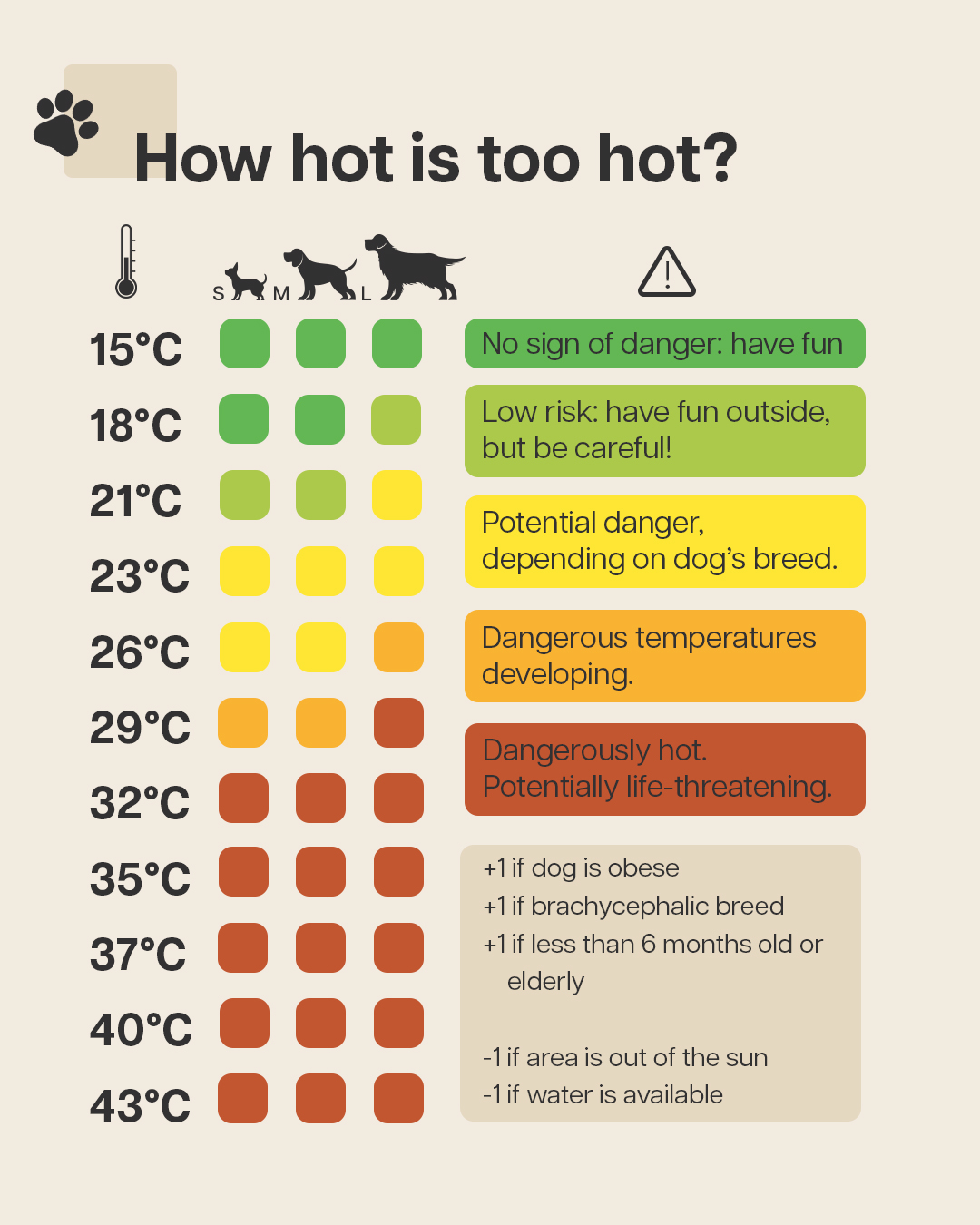
Specific anatomical traits, such as short muzzles found in brachycephalic breeds, significantly reduce respiratory cooling efficiency and increase vulnerability to thermal stress. Thick double coats, while providing insulation against both cold and heat, require meticulous maintenance and regular grooming to prevent trapped warm air from exacerbating discomfort. Senior dogs, puppies, and animals with underlying cardiovascular or respiratory conditions face heightened risks and demand specialized adjustments to their daily management. Tailoring environmental accommodations to the unique physiological profile of each individual ensures optimal safety during extreme seasonal fluctuations.
When to Seek Professional Veterinary Guidance
Immediate veterinary consultation is required if an animal exhibits signs of severe overheating, such as persistent vomiting, staggering, bright red gums, or collapse. Prompt medical intervention can prevent rapid organ damage associated with hyperthermia. For persistent behavioral changes that do not resolve with environmental cooling and rest, consulting a qualified professional helps rule out underlying medical discomfort or secondary pain aggravated by seasonal stress. Guidance regarding Dog Health and appropriate Dog Care ensures that every household remains prepared for environmental challenges.
Ensuring Seasonal Comfort and Safety
Observing subtle changes in daily habits allows observant guardians to provide a secure and comfortable environment throughout the warmest months of the year. Prioritizing hydration, modifying physical exertion levels, and maintaining climate-controlled indoor spaces safeguards overall well-being. Exploring additional resources on Dog Behavior helps foster a deeper understanding of canine communication. Visit PetsAnimalsWorld.com to discover comprehensive guides and expert recommendations for maintaining optimal health and happiness year-round.




