
Understanding Urinary Health and Shifts in Canine Conduct
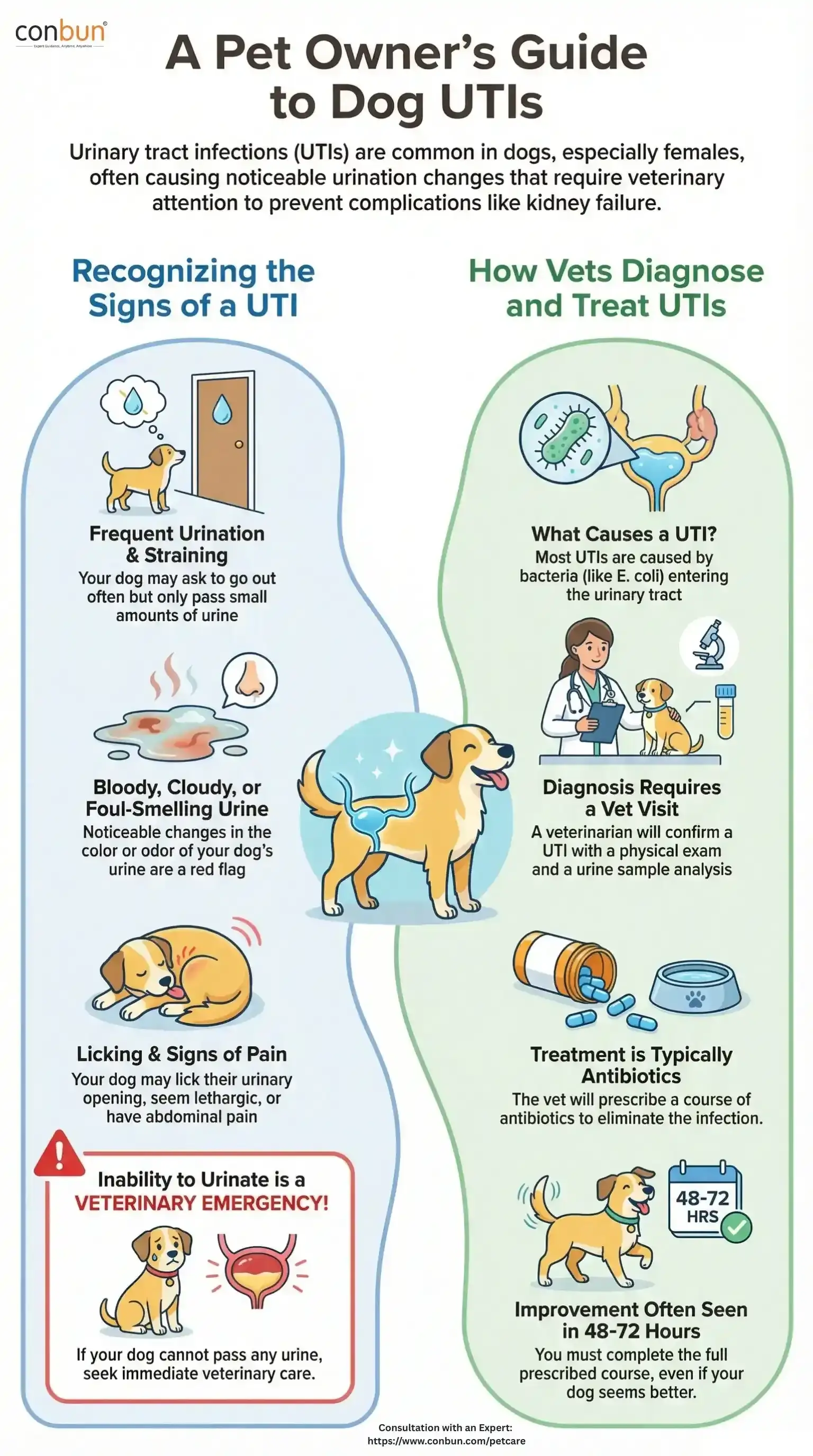
According to the American Veterinary Medical Association, urinary tract issues represent a frequent medical concern requiring careful attention from animal caregivers. Canines often communicate physical discomfort through subtle alterations in their daily routines rather than vocal complaints. When an internal infection develops within the bladder or urethra, the resulting physical irritation quickly translates into noticeable shifts in temperament and household habits. Recognizing these early warning signs allows caregivers to seek appropriate veterinary guidance before minor health issues escalate into more complex medical complications.
💡 Pet Care Key Takeaways:
- Core Focus: Practical health, nutrition, and wellness guidelines for Dog Uti Behavior Change.
- Target Scope: Pet owners, animal caregivers, and veterinary support staff.
- Best Recommendation: Maintain consistent daily routines and consult an accredited veterinarian before introducing major diet or medical changes.
Interpreting Canine Conduct Shifts Related to Bladder Infections
A dog uti behavior change typically manifests as sudden house-soiling, increased restlessness, or unusual vocalizations when attempting to urinate. Dysuria, which is the medical term for painful or difficult urination, often causes a canine to associate the elimination area with discomfort. Consequently, a previously house-trained animal might begin eliminating indoors, pacing near doors, or demanding frequent outdoor trips without actually producing much urine. In addition to elimination habits, many animals display heightened irritability, lethargy, or clinginess because chronic physical discomfort alters their overall stress levels and daily disposition. For more related activities, check out our Xolo Dog Behavior.
The Connection Between Physical Discomfort and Emotional Well-Being
Physical ailments directly influence emotional stability, creating a ripple effect across normal daily routines and interactions with family members. When a urinary tract infection causes persistent inflammation, the constant sensation of needing to void can disrupt normal sleep patterns and induce mild to moderate anxiety. Animals experiencing this type of internal stress may become reluctant to play, hide in quiet corners, or react defensively when approached or touched around the lower abdomen. Careful observation of these physiological and emotional indicators helps bridge the gap between unnoticed discomfort and timely medical intervention.
Urinary tract infections cause localized inflammation that frequently triggers house-soiling and increased restlessness in domestic canines. — American Veterinary Medical Association
Approaching Urinary Health and Supportive Environmental Care
Managing urinary health challenges involves a combination of veterinary treatment, environmental adjustments, and compassionate daily monitoring. Providing unrestricted access to fresh, clean water encourages adequate hydration, which naturally helps flush the urinary system. Caregivers should also maintain a predictable schedule for outdoor elimination breaks, reducing the anxiety associated with holding urine for extended periods. Keeping the indoor living space calm and supportive ensures that a stressed animal feels secure while recovering from a medical condition.
Best Practices and Common Missteps During Canine Recovery
Addressing behavioral shifts stemming from medical issues requires patience, consistency, and a strict avoidance of punitive measures. Punishing an animal for indoor elimination caused by an infection only exacerbates anxiety and deepens confusion, as the dog cannot connect the punishment to the underlying illness. Instead, focus on positive reinforcement, frequent outdoor opportunities, and strict adherence to prescribed veterinary therapies. Maintaining a calm household atmosphere greatly accelerates the emotional and physical recovery process for any recovering pet.
Proper hydration and regular elimination opportunities support canine urinary health and reduce infection risks. — American Kennel Club
Pet Care & Wellness Overview Table
| Life Stage | Daily Activity Level | Key Nutrition / Care Focus |
|---|---|---|
| Puppy / Kitten | High (frequent short bursts) | High-protein growth diet & early socialization |
| Adult Companion | Moderate (30–60 mins daily) | Balanced maintenance nutrition & dental hygiene |
| Senior Pets | Low to Gentle (mindful walks) | Joint support (Glucosamine) & routine vet checks |
Images References


Breed, Age, and Individual Vulnerability Factors
Certain individual characteristics can influence susceptibility to urinary issues and subsequent alterations in daily habits. Senior canines, female dogs due to anatomical differences, and specific breeds with predisposing structural traits may experience these health challenges more frequently. Younger animals might display dramatic restlessness because they lack the maturity to cope with sudden physical discomfort. Understanding individual health backgrounds ensures that caregivers remain vigilant for subtle warning signs across different life stages and physical configurations.
When to Seek Professional Veterinary Evaluation
Persistent shifts in elimination habits, visible blood in the urine, straining, or signs of severe discomfort warrant an immediate appointment with a licensed veterinarian. Home remedies or over-the-counter products should never replace a thorough clinical examination, urinalysis, and targeted treatment plan involving proper medications. A professional diagnosis ensures that the underlying infection is addressed safely, protecting the animal from ascending kidney infections and restoring normal behavioral patterns.
Supporting Your Companion Through Wellness and Care
Maintaining optimal wellness requires continuous observation, proactive veterinary care, and a supportive home environment tailored to individual physical needs. By understanding the intricate link between physical health and daily habits, caregivers can respond effectively to early warnings of discomfort. Explore further resources on Dog Health, proper Dog Care, and mindful Dog Behavior to ensure a long, healthy life for your companion. Visit PetsAnimalsWorld.com for more expert-backed guidance on keeping your household happy and thriving.




