

Understanding Common Behavioral Challenges in Domestic Dogs
Addressing challenging actions in domestic companions requires patience, observation, and a solid grasp of canine communication. According to the American Society for Prevention of Cruelty to Animals (ASPCA), behavioral problems are among the leading reasons owners relinquish pets to shelters, making early intervention vital for maintaining harmonious households. Domestic canines often express distress, confusion, or unmet needs through actions that humans find disruptive, such as excessive vocalization, destructive chewing, or inappropriate elimination. Recognizing that these actions usually stem from normal canine instincts modified by domestication helps redirect the focus from frustration to constructive guidance.
💡 Pet Care Key Takeaways:
- Core Focus: Practical health, nutrition, and wellness guidelines for Dog Behavior Issues.
- Target Scope: Pet owners, animal caregivers, and veterinary support staff.
- Best Recommendation: Maintain consistent daily routines and consult an accredited veterinarian before introducing major diet or medical changes.
Defining Behavioral Challenges and Their Underlying Triggers
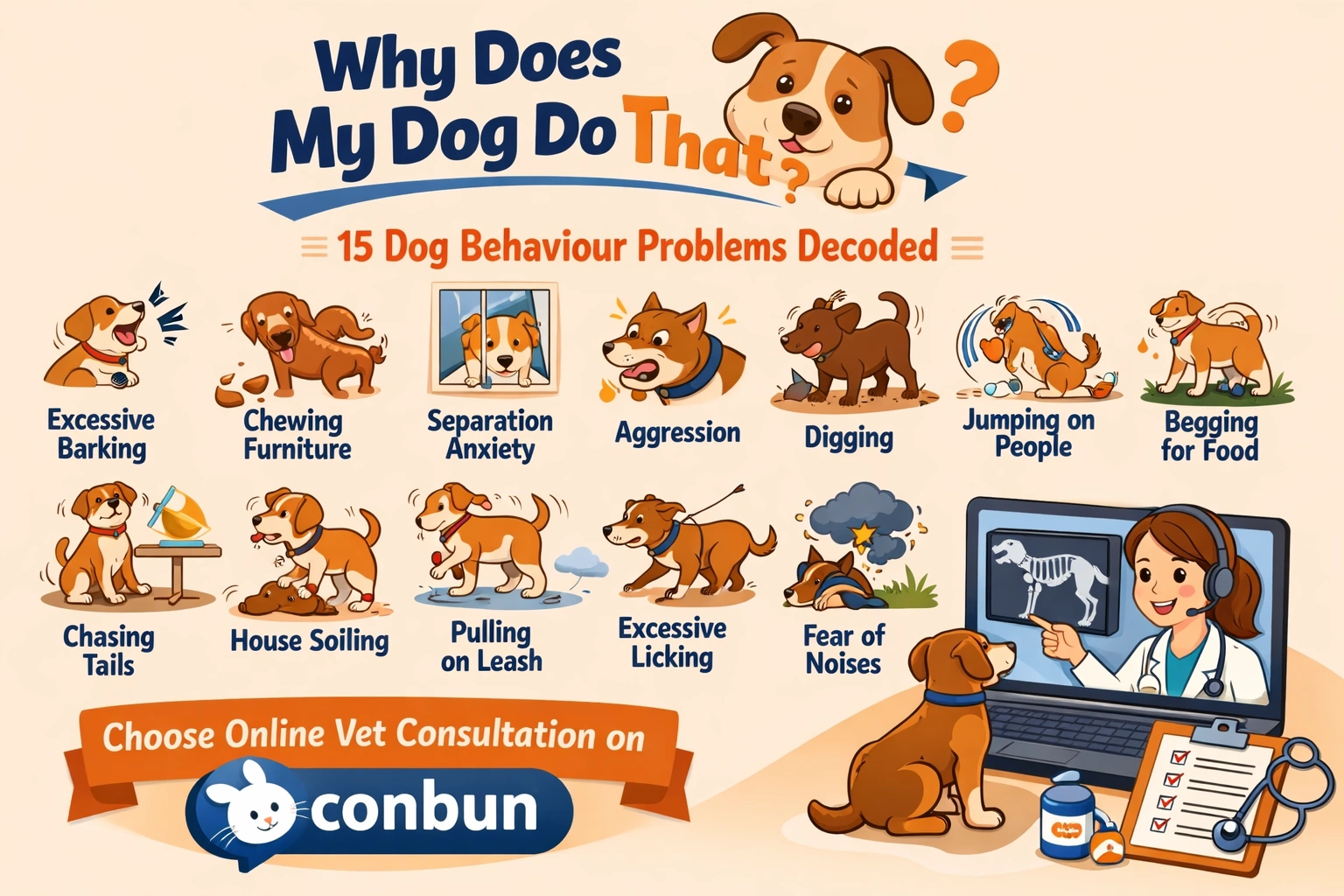
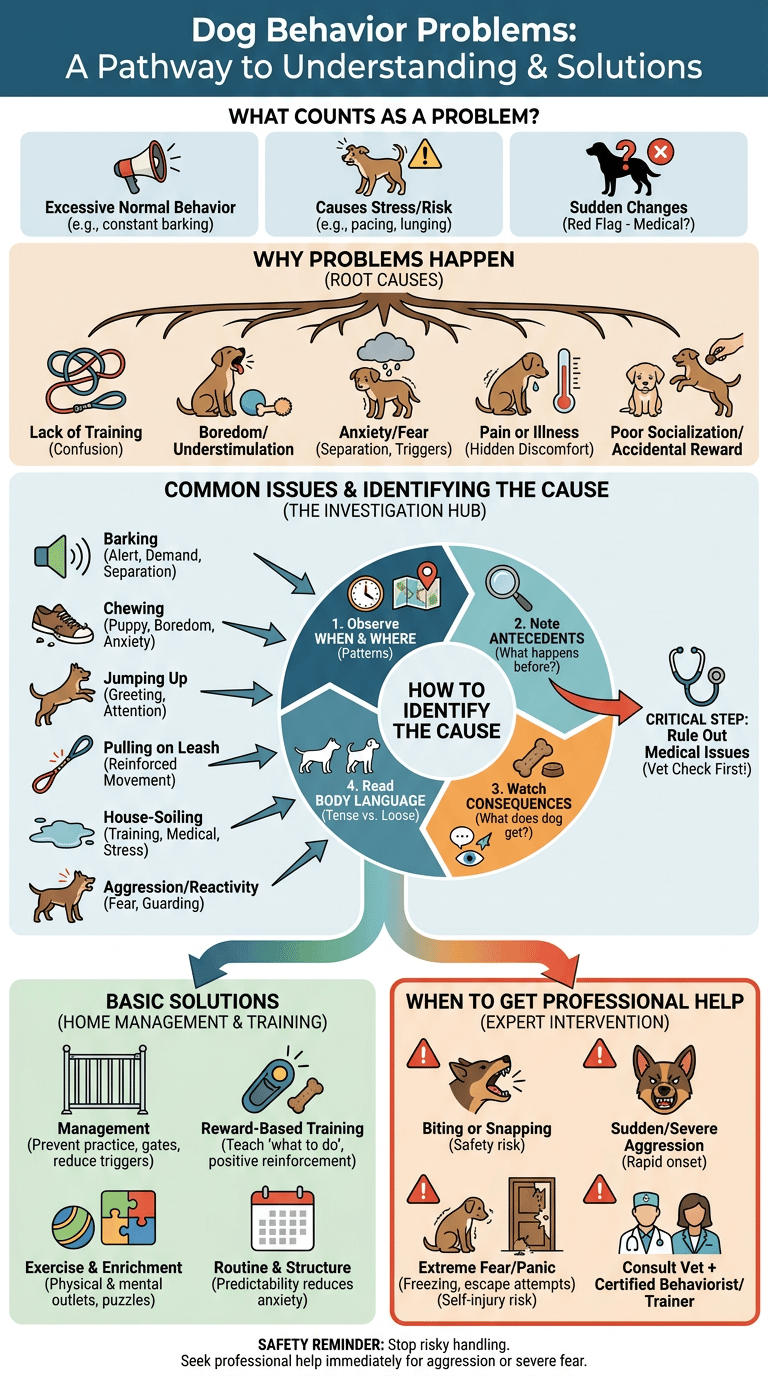
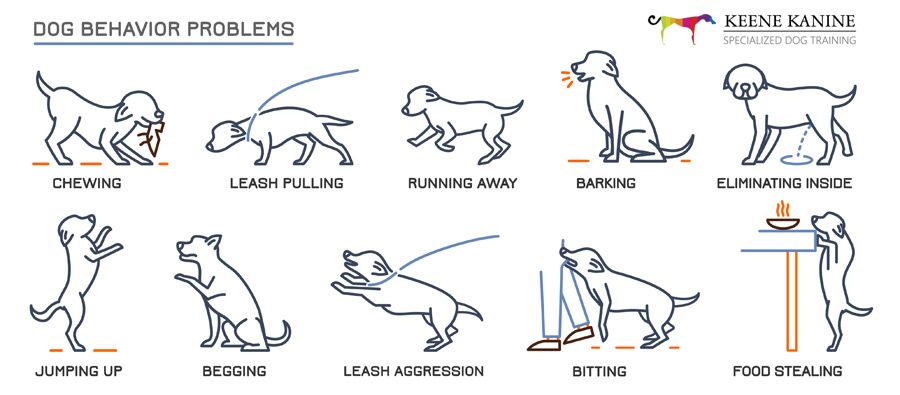
Dog behavior issues encompass any observable actions that conflict with human expectations or household safety, ranging from mild nuisances to severe safety concerns. These actions rarely occur without cause; they typically represent adaptive responses to environmental stimuli, fear, boredom, or medical discomfort. For instance, house-soiling might signal a urinary tract infection rather than simple disobedience, while leash reactivity often stems from fear or over-arousal when seeing other animals. Differentiating between a learned habit and a stress-induced reaction is critical for formulating an effective management strategy. For more related activities, check out our Xolo Dog Behavior.
The Comprehensive Impact on Canine Welfare and Human Households
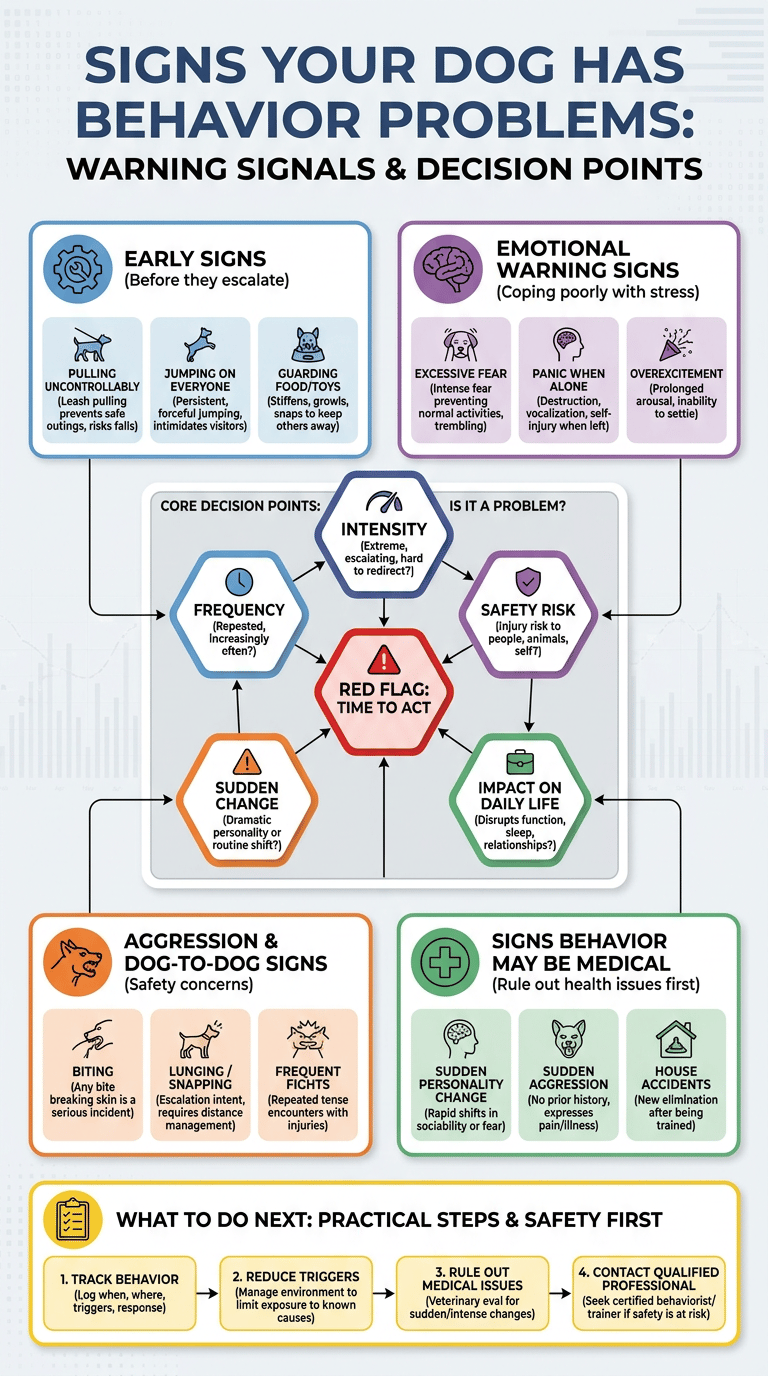
Unresolved behavioral concerns can significantly diminish the quality of life for both the animal and the human family members. Chronic stress or untreated anxiety frequently leads to physiological manifestations, such as compromised immune function or stress-related gastrointestinal disturbances. Furthermore, strained relationships between owners and pets often result in restricted movement, decreased socialization opportunities, and heightened tension within the home environment. Comprehensive veterinary guidance is essential to rule out underlying pain or metabolic disorders before designing a behavioral modification plan.
Behavioral problems in companion dogs frequently stem from underlying medical discomfort, environmental stress, or unmet physical and mental stimulation needs. — American Veterinary Medical Association
Evidence-Informed Approaches to Managing and Modifying Canine Actions
Managing canine challenges effectively relies on positive reinforcement, environmental management, and desensitization rather than punitive measures. Positive reinforcement involves rewarding desired actions with high-value treats, praise, or play, which encourages the animal to repeat those choices naturally. Environmental management focuses on removing triggers or preventing access to problem areas, such as keeping counters clear to deter food theft. Desensitization, paired with counter-conditioning, gradually exposes the dog to a feared or exciting stimulus at a low intensity while pairing it with positive experiences, shifting the emotional response over time.
Best Practices and Common Pitfalls in Canine Training
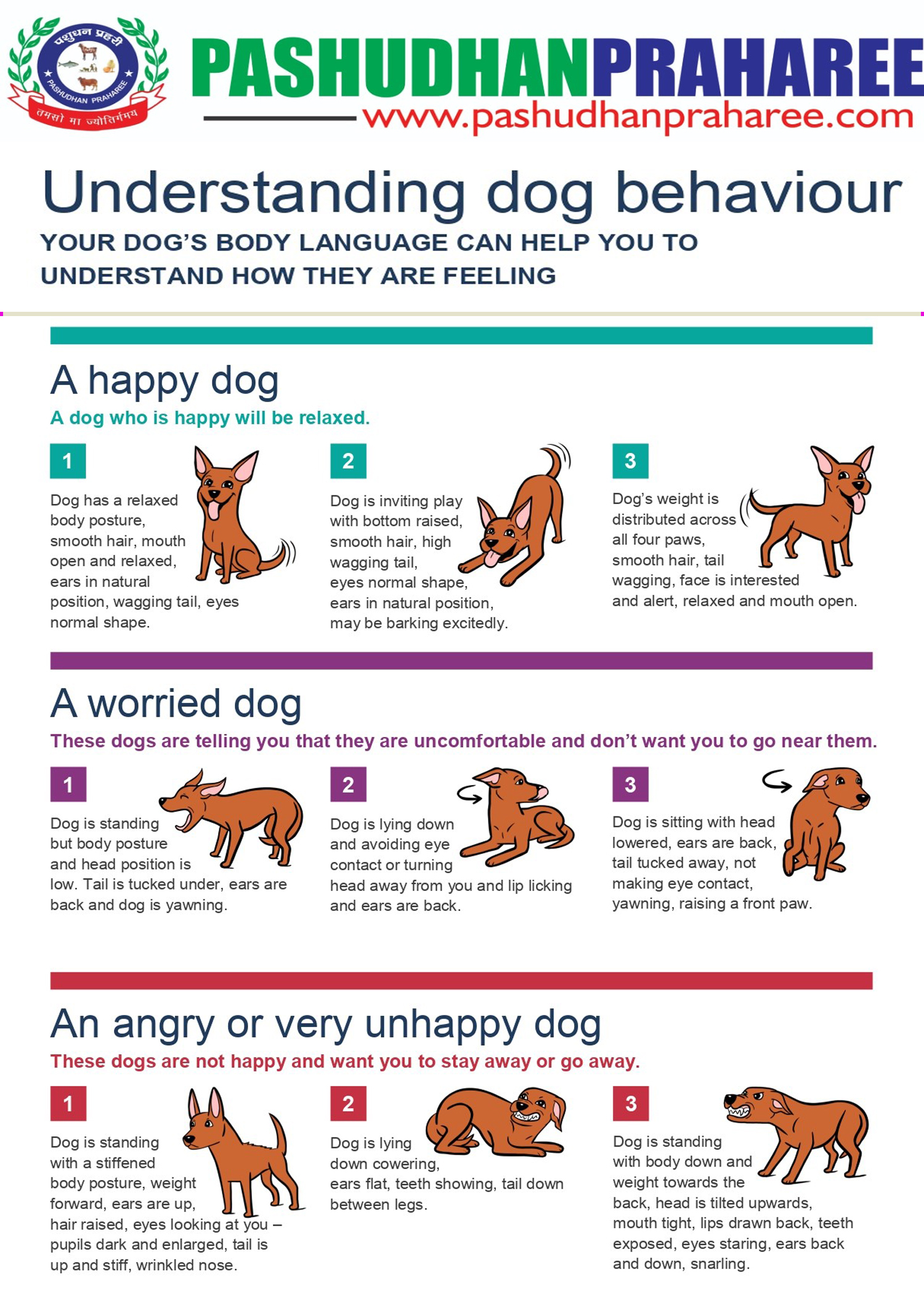
Implementing consistent routines and clear communication prevents confusion and accelerates learning during behavior modification programs. Consistency requires all household members to use identical cues, boundaries, and reward criteria so the animal does not receive mixed messages. A frequent mistake involves utilizing intimidation-based or dominance-based techniques, which professional organizations strongly advise against because such methods heighten fear, elevate stress hormones, and can escalate defensive aggression. Patience remains paramount, as sustainable behavioral shifts require time, repetition, and careful monitoring of body language for signs of fatigue or anxiety.
Positive reinforcement training methods build trust and improve communication between dogs and handlers without relying on intimidation or physical punishment. — Association of Professional Dog Trainers
Pet Care & Wellness Overview Table
| Life Stage | Daily Activity Level | Key Nutrition / Care Focus |
|---|---|---|
| Puppy / Kitten | High (frequent short bursts) | High-protein growth diet & early socialization |
| Adult Companion | Moderate (30–60 mins daily) | Balanced maintenance nutrition & dental hygiene |
| Senior Pets | Low to Gentle (mindful walks) | Joint support (Glucosamine) & routine vet checks |
Images References




Breed, Age, and Temperament Influences on Canine Actions
Individual predispositions heavily shape how specific animals respond to their environments and training efforts. Herding breeds, for instance, may attempt to control movement by nipping at heels, driven by strong genetic selection, whereas guardian breeds might exhibit heightened territorial vigilance. Age also plays a decisive role; adolescent canines experience hormonal shifts and boundary-testing phases similar to human teenagers, while senior dogs may develop cognitive dysfunction syndrome that alters established habits. Tailoring expectations to match the specific life stage, breed heritage, and unique temperament of the animal ensures realistic goals and reduces frustration.
When to Consult a Veterinary Professional or Certified Specialist
Persistent, worsening, or dangerous actions require immediate consultation with a licensed veterinarian or a certified applied animal behaviorist. Professional evaluation is particularly critical when addressing sudden shifts in temperament, severe fear responses, or any form of aggression directed toward people or other animals. Veterinarians can perform comprehensive diagnostics to uncover hidden pain, neurological disorders, or endocrinopathies that frequently mimic or exacerbate behavioral disturbances. Collaborating with qualified specialists ensures the safety of everyone involved and protects the welfare of the animal.
Fostering a Balanced Relationship Through Ongoing Education
Navigating the complexities of canine habits rewards attentive owners with a deep, trusting bond built on mutual understanding and respect. Utilizing reliable resources from PetsAnimalsWorld.com helps owners stay informed about best practices across various facets of pet companionship. Exploring topics related to Dog Training and Dog Behavior provides actionable strategies for everyday challenges. Additionally, staying educated on proper Dog Care ensures that the physical and emotional foundations of the animal are thoroughly supported at every stage of life.




