

Understanding the Unique Temperament of the Xoloitzcuintli
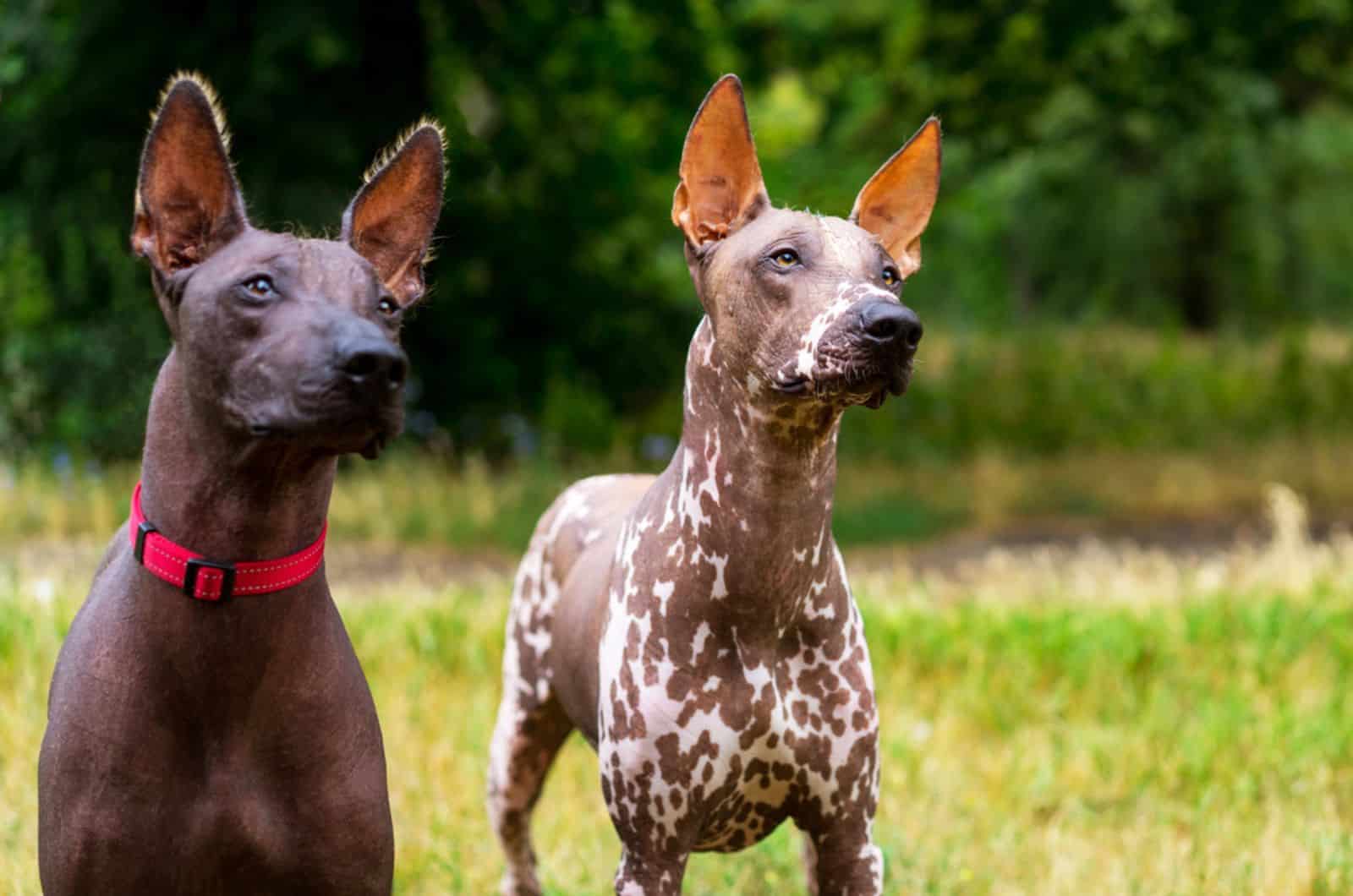
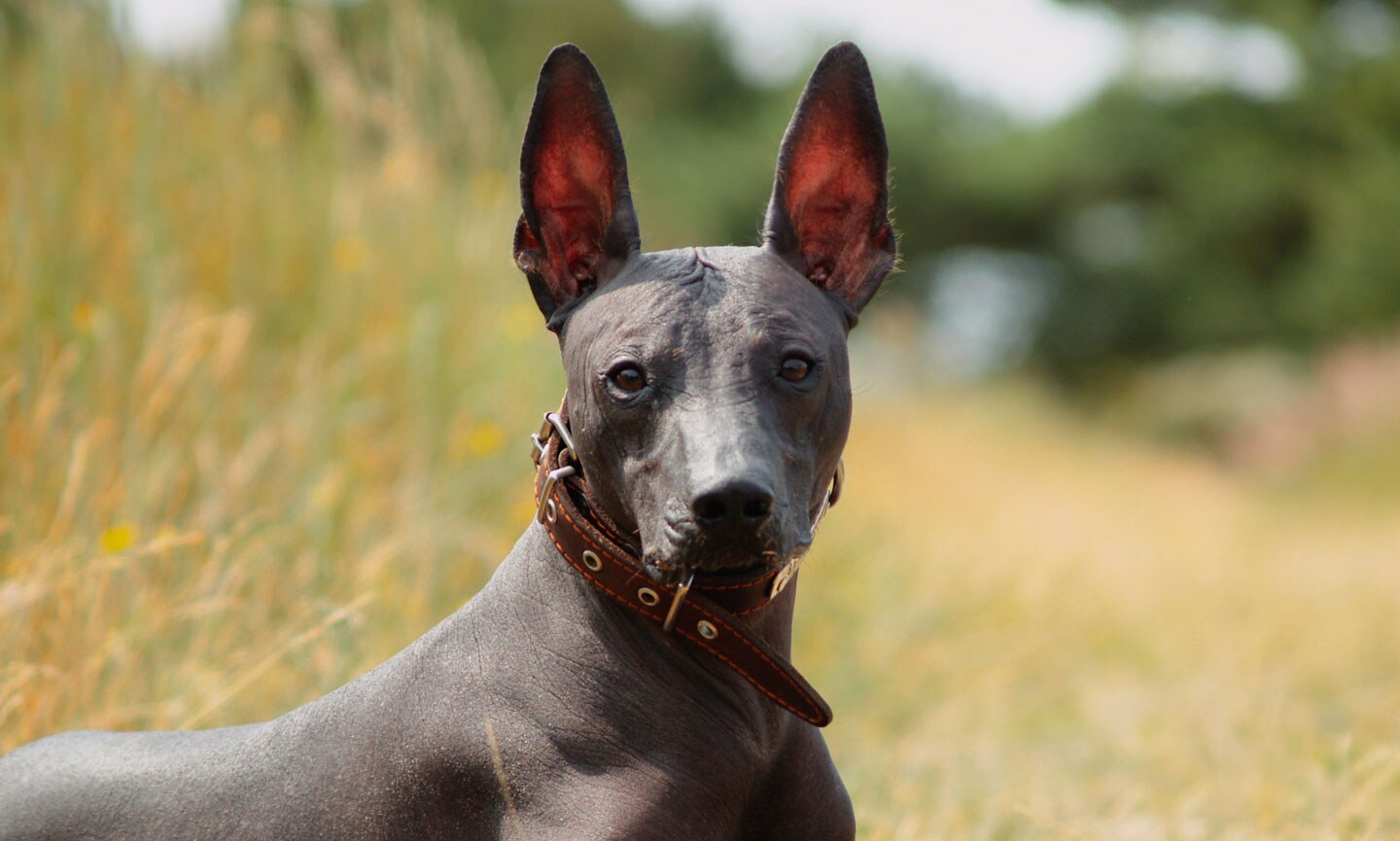
According to the American Kennel Club, the Xoloitzcuintli—often called the Xolo or Mexican Hairless Dog—possesses a calm, attentive, and loyal disposition that distinguishes the breed from many high-energy companion animals. Exploring xolo dog behavior requires a deep appreciation for an ancient heritage that blends intense loyalty with a naturally alert nature. Originally valued as companions and guardians in ancient Mesoamerican cultures, these dogs retain a strong awareness of their surroundings. Dog owners often observe that these canines form deep bonds with household members, frequently acting as gentle shadows that follow human companions from room to room.
💡 Pet Care Key Takeaways:
- Core Focus: Practical health, nutrition, and wellness guidelines for Xolo Dog Behavior.
- Target Scope: Pet owners, animal caregivers, and veterinary support staff.
- Best Recommendation: Maintain consistent daily routines and consult an accredited veterinarian before introducing major diet or medical changes.
Comprehending how this ancient breed interacts with the world involves looking past surface-level traits to understand underlying motivations. The psychological profile of the breed combines independent problem-solving with a sensitive emotional thermometer. Because these animals register environmental shifts quickly, understanding their reactions helps establish a harmonious household. Enthusiasts investigating Dog Breeds quickly discover that patience and consistency serve as the bedrock for positive interactions with this distinctive companion.
Decoding Typical Xolo Dog Behavior Patterns
Xolo dog behavior is characterized by a natural watchdog instinct, strong emotional sensitivity, and a high degree of intelligence that requires mental engagement. Unlike breeds bred exclusively for relentless physical work, this companion typically balances bursts of playful agility with extended periods of quiet relaxation. A watchful eye on the environment remains a signature trait; these dogs often evaluate unfamiliar humans or animals carefully before offering trust. Socialization that begins early helps shape this inherent watchfulness into confident, balanced discernment rather than nervous suspicion.
Vocalizations within the household usually occur purposefully rather than through constant nuisance barking. When an unfamiliar sound arises or a visitor approaches, the dog communicates the alert clearly before settling down once the situation is assessed by human companions. Furthermore, physical touch plays an integral role in daily life. Due to the lack of a traditional coat in hairless varieties, seeking warmth through physical contact is a deeply ingrained instinct, making these dogs exceptional snugglers who appreciate comfortable resting spaces.
Environmental sensitivities significantly shape xolo dog behavior, requiring careful management of physical surroundings and social introductions to prevent fear or avoidance. Because the skin lacks the protective barrier of thick fur, tactile sensitivity is elevated, meaning rough handling or harsh textures can cause immediate stress or defensive reactions. Positive reinforcement methods that rely on praise, high-value treats, and calm energy prove essential for building trust and ensuring emotional well-being.
The American Kennel Club notes that early, positive socialization to diverse sights, sounds, and gentle human handling is vital for developing a confident and well-adjusted Xoloitzcuintli. — American Kennel Club
Physical comfort directly influences emotional stability. Maintaining an appropriate ambient temperature and providing soft bedding prevents discomfort that might otherwise manifest as restlessness or irritability. Understanding these physiological nuances allows owners to create an environment where the animal feels secure, respected, and physically protected.
Effective Approaches for Managing and Guiding Conduct
Guiding xolo dog behavior successfully relies on positive, reward-based training protocols that respect the intelligence and independent streak of the breed. Coercive or intimidation-based techniques damage the delicate bond of trust between dog and human, frequently resulting in avoidance, anxiety, or defensive reactivity. Establishing clear, predictable routines helps the animal understand household expectations quickly.
Best Practices for Fostering Positive Conduct
Consistency, patience, and mental enrichment form the cornerstones of successful behavioral guidance for this intelligent companion. Owners should incorporate puzzle toys, scent games, and short, engaging obedience sessions to satisfy cognitive needs. Common mistakes to avoid include leaving the sensitive animal isolated for long periods or utilizing loud, punitive corrections that frighten a breed attuned to human emotional tones.
According to modern animal behavior science, reward-based training significantly improves learning outcomes and strengthens the human-animal bond across all canine breeds. — Association of Professional Dog Trainers
Pet Care & Wellness Overview Table
| Life Stage | Daily Activity Level | Key Nutrition / Care Focus |
|---|---|---|
| Puppy / Kitten | High (frequent short bursts) | High-protein growth diet & early socialization |
| Adult Companion | Moderate (30–60 mins daily) | Balanced maintenance nutrition & dental hygiene |
| Senior Pets | Low to Gentle (mindful walks) | Joint support (Glucosamine) & routine vet checks |
Images References


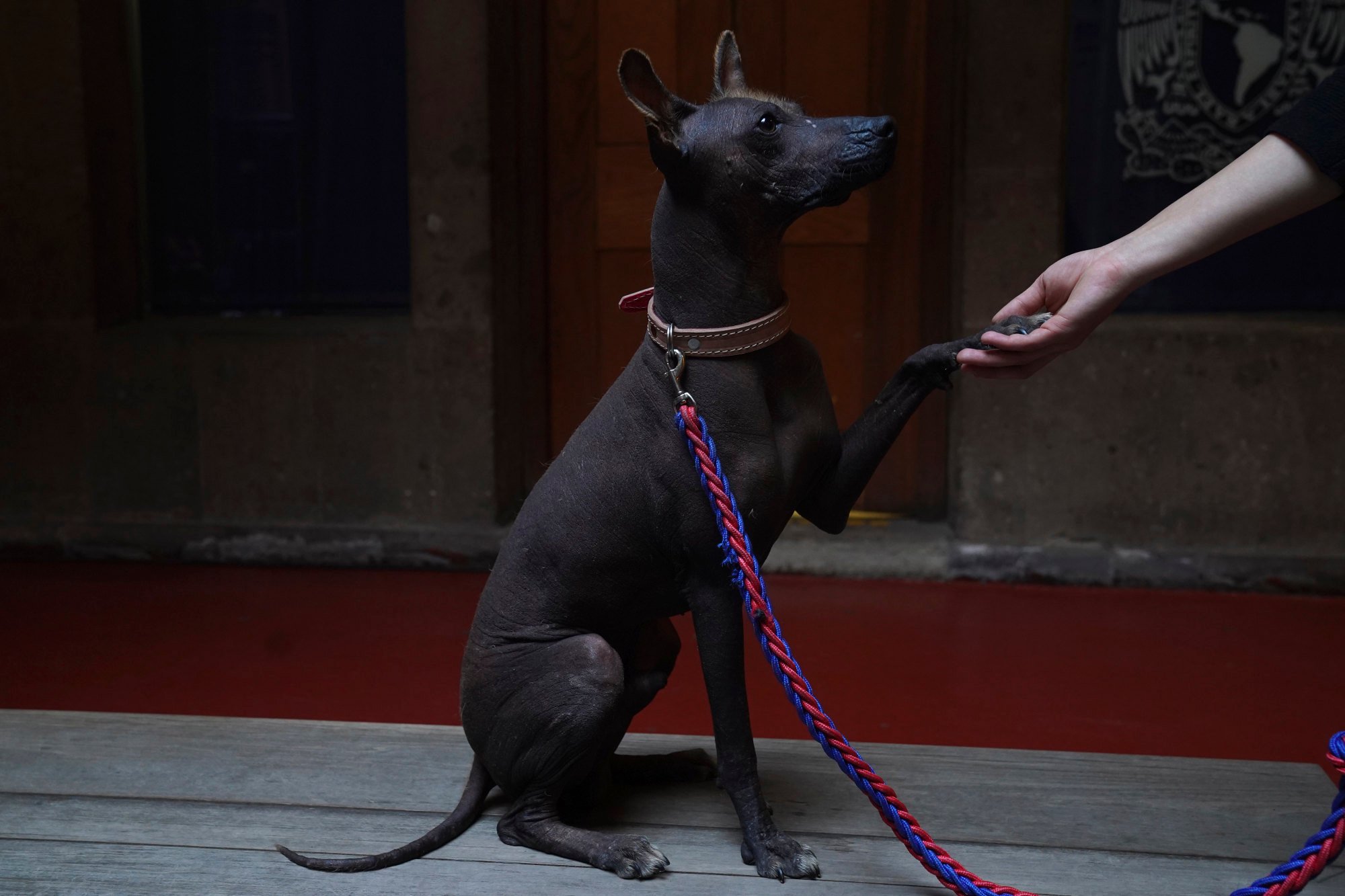


Integrating Dog Training principles into everyday life transforms routine moments into valuable educational opportunities. Keeping sessions brief and rewarding successful choices enthusiastically encourages the dog to repeat desired actions willingly.
Age and Developmental Considerations Across the Lifespan
Developmental stages heavily influence xolo dog behavior, as puppies display boundless curiosity and high activity levels that gradually mature into a dignified, composed adult temperament. Juvenile animals require structured outlets for physical energy to prevent destructive chewing or over-excitement. Regular exercise routines tailored to the specific age, size, and health status of the individual dog keep the body fit and the mind settled.
As dogs enter their senior years, behavioral shifts may reflect underlying physical changes such as vision loss, hearing impairment, or joint discomfort. Observing subtle changes in daily habits allows observant owners to adapt the home environment and consult veterinary professionals early, ensuring comfort throughout the golden years.
When to Consult a Veterinary Professional or Behaviorist
Professional guidance becomes necessary whenever sudden or severe changes in xolo dog behavior occur, particularly if aggression, severe fear, or house-soiling manifests without clear cause. Because sudden behavioral shifts frequently signal an underlying medical condition, pain, or sensory decline, a thorough veterinary examination represents the essential first step.
For persistent anxiety, generalized fear, or complex reactivity issues, consulting a qualified veterinary behaviorist or certified professional trainer utilizing humane, science-based methods is strongly recommended. Maintaining open communication with Dog Health experts ensures that both physical and emotional aspects of well-being receive expert attention.
Nurturing a Lifelong Partnership
Appreciating the intricacies of xolo dog behavior allows owners to build a deeply rewarding relationship rooted in mutual respect, clear communication, and attentive care. By honoring the sensitive nature, intelligence, and protective instincts of this remarkable ancient breed, households create safe and loving environments where these dogs thrive. Exploring resources dedicated to Dog Care provides additional insights into daily routines, dietary needs, and wellness strategies. Discover more guidance and expert resources to support your journey by visiting PetsAnimalsWorld.com today.


