
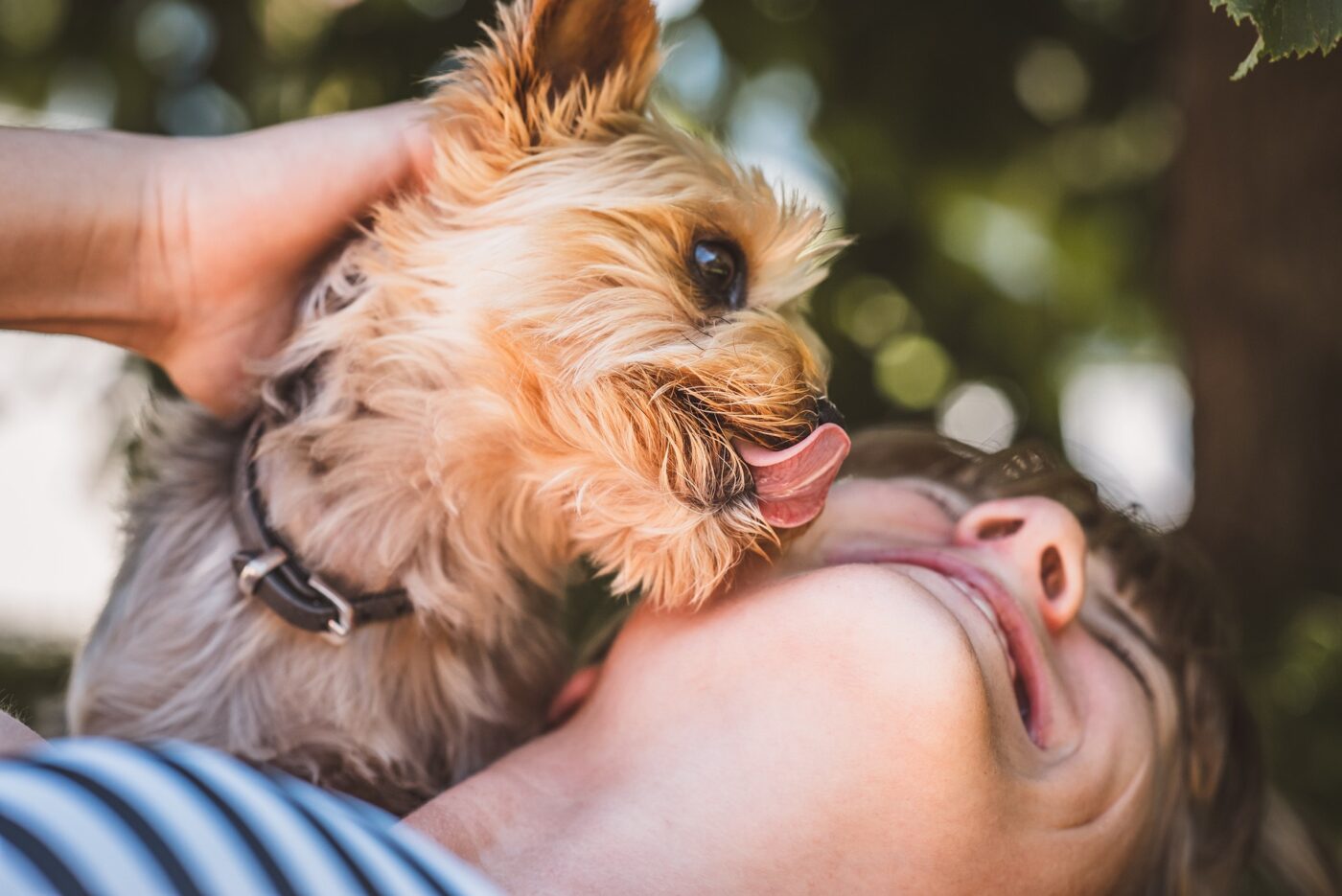
Decoding the Root Causes of Dog Behavior Licking Owner
According to the American Society for the Prevention of Cruelty to Animals (ASPCA), dogs use oral exploration and licking as a natural, instinctual method of interacting with their environment and communicating social bonds. Observing a dog eagerly greeting a human companion with a flurry of licks is a remarkably common daily occurrence in many households. Understanding the underlying motivations behind this widespread expression helps maintain a harmonious relationship between pets and their human families. While canine licking is typically benign, exploring the physiological and psychological triggers offers valuable insight into canine communication.
💡 Pet Care Key Takeaways:
- Core Focus: Practical health, nutrition, and wellness guidelines for Dog Behavior Licking Owner.
- Target Scope: Pet owners, animal caregivers, and veterinary support staff.
- Best Recommendation: Maintain consistent daily routines and consult an accredited veterinarian before introducing major diet or medical changes.
Interpreting Canine Licking Signals and Communication
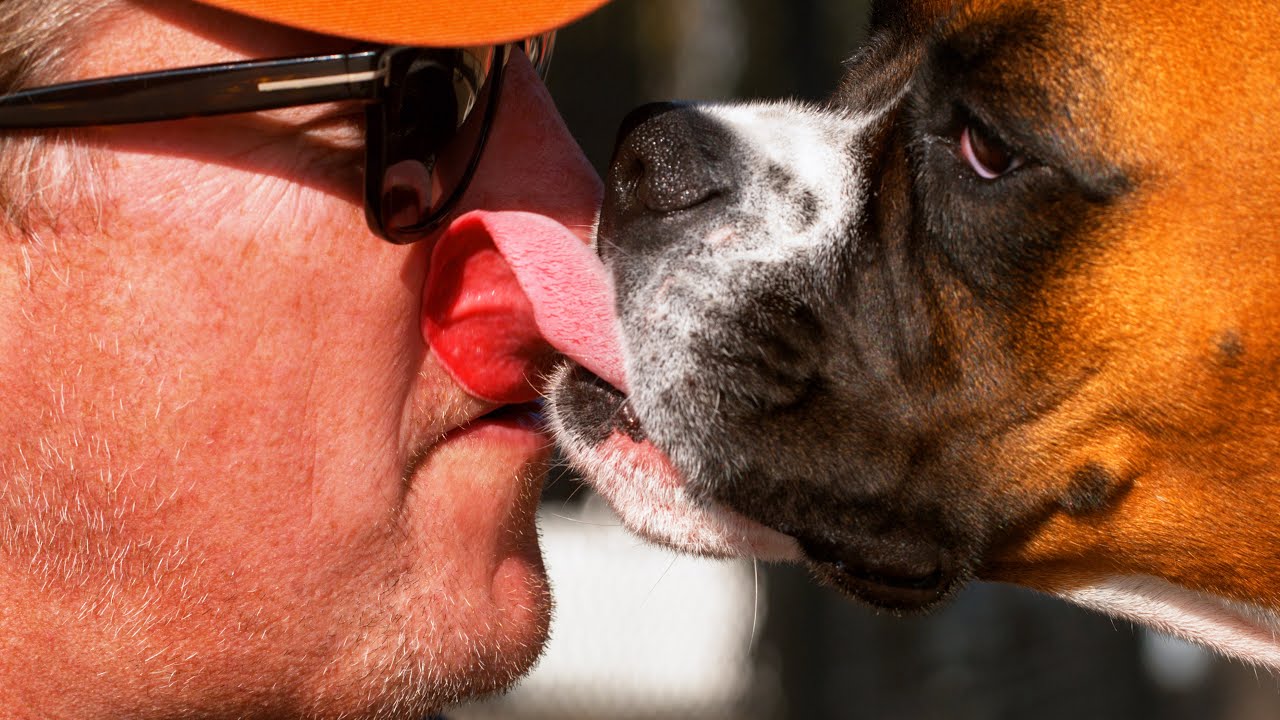
Licking serves as a primary form of social appeasement and communication rooted in evolutionary history. Canines inherit this behavior from wild ancestors, where young pups lick the muzzles of returning pack members to solicit food and signal submission. In domestic dogs, this instinctive habit transitions into a generalized greeting ritual, often referred to as affection licking. Beyond social bonding, dogs explore the world through taste and smell, meaning that the salty residue of human skin or lingering food odors can make hands and faces uniquely appealing. Recognizing these varied triggers allows observers to distinguish between a simple greeting, a request for attention, and an expression of appeasement during stressful moments.
Physical and Behavioral Implications of Excessive Licking
While intermittent licking is a normal part of canine social interaction, compulsive or obsessive licking can indicate underlying health or psychological concerns. When dogs lick incessantly, it may point toward dermatological irritation, nausea, or neurological issues that require professional evaluation in Dog Health management. Furthermore, chronic licking can sometimes develop into a displacement behavior—a coping mechanism used by dogs to self-soothe in response to environmental stress, boredom, or separation anxiety. Differentiating between affectionate gestures and compulsive habits ensures that any emerging medical or behavioral issues receive appropriate attention before they escalate into more significant concerns.
Canine licking behavior originates from early neonatal development, where mother dogs groom their puppies to stimulate circulation and bonding, establishing an enduring association between licking and security. — American Kennel Club (AKC)
Managing and Redirecting Canine Licking Habits
Managing persistent licking requires calm, consistent redirection rather than punitive measures that could induce fear or confusion. If the behavior stems from a desire for attention, inadvertently rewarding the dog by speaking, petting, or laughing can reinforce the habit. Instead, quietly withdrawing attention, turning away, or walking out of reach teaches the animal that licking causes the desired human interaction to cease immediately. Providing alternative outlets for mental stimulation, such as interactive puzzle toys or appropriate chew items, helps fulfill the dog’s natural urge to explore and engage their senses constructively within the broader scope of Dog Training practices.
Best Practices and Common Pitfalls in Licking Management
Successfully modifying persistent canine habits relies on consistency, patience, and a thorough understanding of positive reinforcement principles. One common mistake involves reacting with loud vocalizations or physical pushing, which high-energy dogs may misinterpret as a playful game, thereby inadvertently reinforcing the exact behavior owners wish to discourage. Establishing clear, predictable boundaries across all household members ensures the dog receives unambiguous signals regarding acceptable social interactions. Additionally, maintaining a consistent daily routine of physical exercise and mental enrichment significantly reduces the likelihood of boredom-driven behaviors.
Behavioral modification plans for excessive compulsive behaviors are most effective when they combine environmental enrichment, predictable daily routines, and positive reinforcement for alternative incompatible actions. — American Veterinary Medical Association (AVMA)
Pet Care & Wellness Overview Table
| Life Stage | Daily Activity Level | Key Nutrition / Care Focus |
|---|---|---|
| Puppy / Kitten | High (frequent short bursts) | High-protein growth diet & early socialization |
| Adult Companion | Moderate (30–60 mins daily) | Balanced maintenance nutrition & dental hygiene |
| Senior Pets | Low to Gentle (mindful walks) | Joint support (Glucosamine) & routine vet checks |
Images References






Breed, Age, and Temperament Influences on Licking
Individual predisposition toward licking varies significantly depending on a dog’s breed heritage, developmental life stage, and unique personality traits. Certain working and sporting groups, documented extensively in resources covering Dog Breeds, possess heightened tactile sensitivities and a strong drive for close physical interaction with their human companions. Younger dogs and puppies frequently exhibit higher frequencies of oral exploration as they navigate the developmental milestones of growth and teething. Conversely, senior dogs may experience shifts in behavioral patterns, sometimes developing increased licking tendencies associated with cognitive aging or sensory decline.
When to Consult a Veterinary Professional or Behaviorist
Professional guidance becomes essential when licking behavior escalates into compulsive routines, obsessive self-grooming, or occurs alongside other signs of physical discomfort or behavioral distress. A comprehensive veterinary examination helps rule out underlying medical conditions, such as gastrointestinal distress, dental pain, or dermatological allergies that might provoke compulsive oral behaviors. If physical causes are successfully excluded, consulting a certified animal behaviorist or a veterinary behaviorist can provide tailored, humane strategies to address anxiety-driven habits safely and effectively without resorting to aversive methods.
Interpreting and responding to canine communication requires patience, observation, and an appreciation for the natural instincts that guide domestic dogs. By addressing the root causes behind everyday habits and incorporating structured guidance from resources available on Dog Care, families can foster a secure, balanced environment for their pets. Exploring the diverse articles offered on PetsAnimalsWorld.com empowers animal lovers to deepen their understanding of canine companionship, ensuring a lifetime of mutual trust and well-being.




