
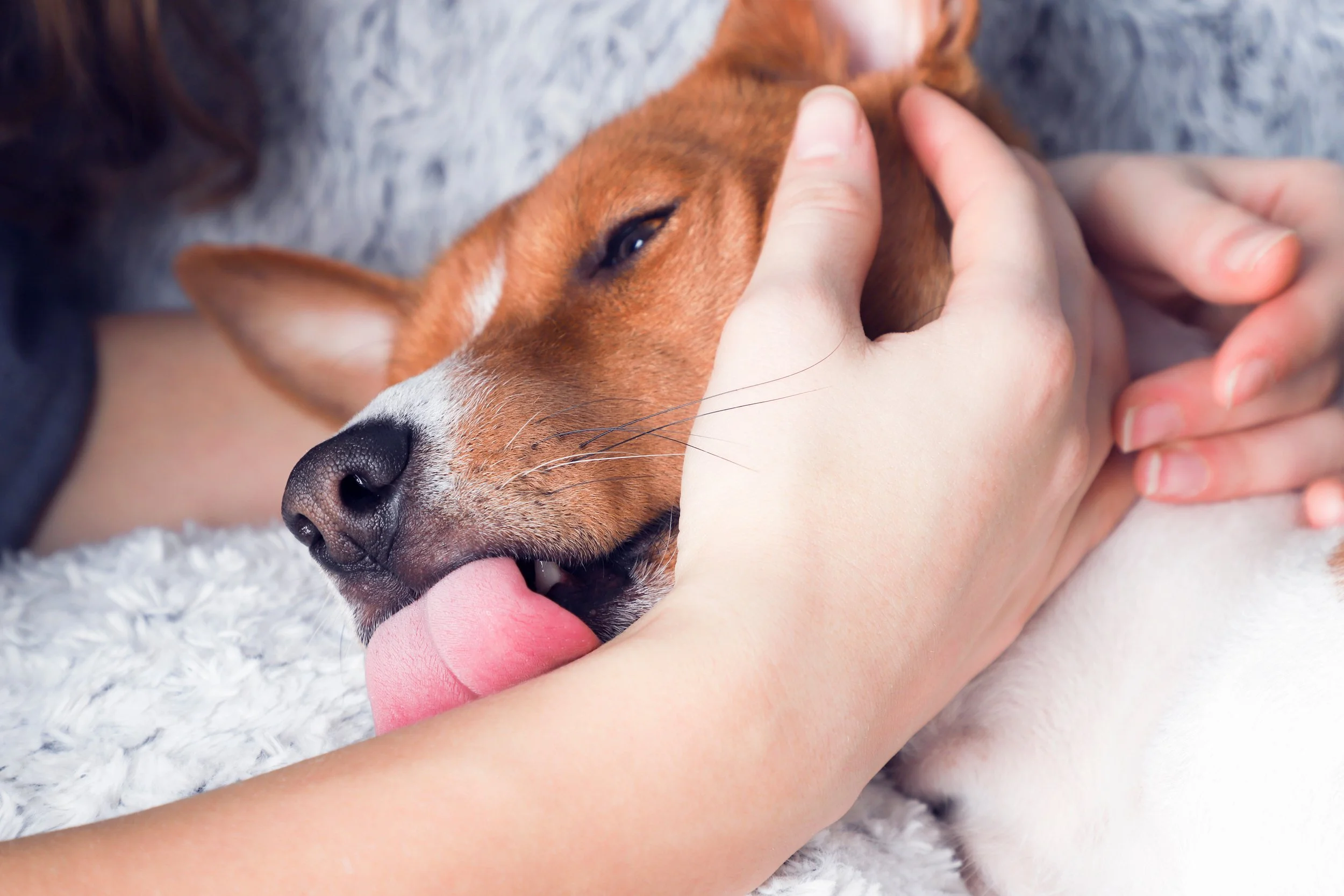
Understanding the Motivations Behind Canine Licking Habits
Canine licking is an everyday occurrence in households sharing space with a canine companion, yet the underlying reasons span a wide spectrum from simple affection to complex medical distress. According to the American Society for the Prevention of Cruelty to Animals (ASPCA), dogs use oral exploration as a primary method to interact with their environment, communicate internal states, and soothe themselves. Recognizing why a dog engages in excessive or targeted licking requires looking past the surface behavior to evaluate both psychological triggers and physiological signs. Maintaining an informed perspective allows owners to distinguish between normal species-typical actions and signals that require closer investigation or intervention within foundational Dog Behavior guidelines.
💡 Pet Care Key Takeaways:
- Core Focus: Practical health, nutrition, and wellness guidelines for Dog Behavior Licking.
- Target Scope: Pet owners, animal caregivers, and veterinary support staff.
- Best Recommendation: Maintain consistent daily routines and consult an accredited veterinarian before introducing major diet or medical changes.
Decoding the Meaning of Excessive Licking in Dogs
Dog behavior licking encompasses a diverse range of communicative signals, tactile explorations, and self-soothing mechanisms that change depending on context. Mothers groom their puppies using the tongue from birth, establishing licking as an early social bonding tool that persists into adulthood through muzzle-licking or greeting behaviors. Beyond affection, repetitive licking of surfaces, furniture, or the air can indicate underlying stress, boredom, or sensory-seeking tendencies. When a dog licks inanimate objects continuously, animal behaviorists often examine environmental enrichment levels and emotional states to determine whether the act serves as a coping strategy for anxiety.
Evaluating the Health and Behavioral Impacts
Unchecked licking habits can lead to localized skin inflammation, secondary infections, or digestive complications if non-food items are ingested regularly. Constant licking of a specific joint or paw frequently points toward localized discomfort, such as arthritis, allergies, or an insect sting, which demands careful observation. Conversely, lick granulomas—firm, raised skin lesions caused by chronic, obsessive self-trauma—demonstrate how a behavioral loop can manifest into a stubborn medical issue requiring comprehensive veterinary management.
Chronic licking of paws or specific joints often serves as a primary behavioral indicator of underlying localized pain, dermatological allergies, or emerging joint discomfort in dogs. — American Animal Hospital Association
Practical Approaches to Managing and Redirecting Licking
Managing persistent licking involves identifying environmental triggers, interrupting obsessive patterns gently, and offering appropriate alternative outlets for natural canine drives. Punishing a dog for licking often heightens anxiety and worsens the frequency of the behavior, whereas positive reinforcement strategies redirect focus toward puzzle toys, interactive play, or chew items designed for mental stimulation. Establishing predictable daily routines within structured Dog Training frameworks helps reduce stress-induced oral fixations by keeping the mind engaged and fulfilled.
Best Practices and Common Management Pitfalls
Avoiding ineffective or punitive interventions is essential when addressing compulsive oral habits in domestic dogs. Caregivers should refrain from yelling or using physical reprimands, as stress intensification frequently escalates obsessive soothing rituals like licking. Instead, practitioners recommend removing access to trigger areas quietly, ensuring consistent physical and mental enrichment, and maintaining objective records of when the licking episodes occur to share with a professional during evaluations.
Providing targeted puzzle toys and scent-work activities significantly reduces stress-related repetitive behaviors by fulfilling natural foraging and exploratory instincts. — American Kennel Club
Pet Care & Wellness Overview Table
| Life Stage | Daily Activity Level | Key Nutrition / Care Focus |
|---|---|---|
| Puppy / Kitten | High (frequent short bursts) | High-protein growth diet & early socialization |
| Adult Companion | Moderate (30–60 mins daily) | Balanced maintenance nutrition & dental hygiene |
| Senior Pets | Low to Gentle (mindful walks) | Joint support (Glucosamine) & routine vet checks |
Images References







Breed, Age, and Temperament Influences
Individual predisposition, genetic heritage, and developmental stages heavily influence the frequency and intensity of licking behaviors observed across different household dogs. Working and herding breeds with high mental stimulation requirements may develop repetitive habits more rapidly if under-exercised, while senior dogs experiencing cognitive decline sometimes exhibit disorientation characterized by pacing and rhythmic licking. Understanding these demographic factors ensures that owners tailor their Dog Care routines to suit the specific physical and psychological profile of the individual animal.
When to Consult a Veterinary Professional or Behaviorist
Persistent, intense, or sudden changes in licking behavior always warrant professional medical and behavioral evaluation to rule out underlying pathology. A licensed veterinarian must examine the dog first to diagnose or clear potential dermatological conditions, gastrointestinal distress, neurological issues, or chronic pain syndromes. If physical causes are successfully ruled out or treated, partnering with a qualified, certified animal behaviorist or veterinary behaviorist ensures the implementation of humane, science-based modification plans tailored to the specific needs of the dog.
Supporting Lifelong Canine Wellness
Navigating complex canine habits requires patience, consistent observation, and a commitment to evidence-based care principles across every stage of development. By addressing both the physical health and emotional enrichment needs of the animal, owners foster a balanced environment that minimizes stress-driven behaviors naturally. Explore additional resources, expert guidance, and educational materials across Dog Health and related topics by visiting PetsAnimalsWorld.com to ensure comprehensive support for every companion animal.




