
Understanding the Importance of Behavior Modification for Dogs
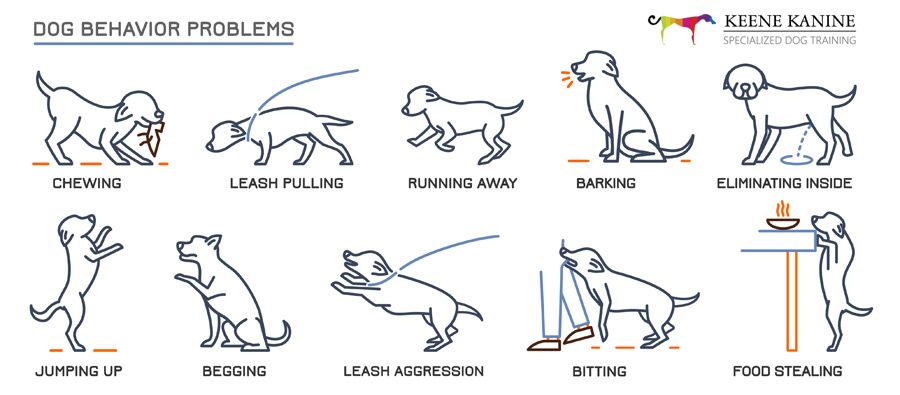
Effective communication between humans and their canine companions forms the foundation of a harmonious household. When unwanted behaviors emerge, such as excessive barking, leash reactivity, or anxiety, addressing these challenges requires a structured approach grounded in science and empathy. According to the American Society for the Prevention of Cruelty to Animals (ASPCA), positive reinforcement is the most effective and humane method for teaching new behaviors and modifying existing ones. By focusing on rewarding desired actions rather than punishing undesirable ones, owners can build a relationship based on trust and mutual understanding. This proactive approach to dog training not only improves daily life but also ensures the safety and well-being of the animal.
💡 Pet Care Key Takeaways:
- Core Focus: Practical health, nutrition, and wellness guidelines for Dog Behavior Modification Techniques.
- Target Scope: Pet owners, animal caregivers, and veterinary support staff.
- Best Recommendation: Maintain consistent daily routines and consult an accredited veterinarian before introducing major diet or medical changes.
Defining Behavior Modification Techniques
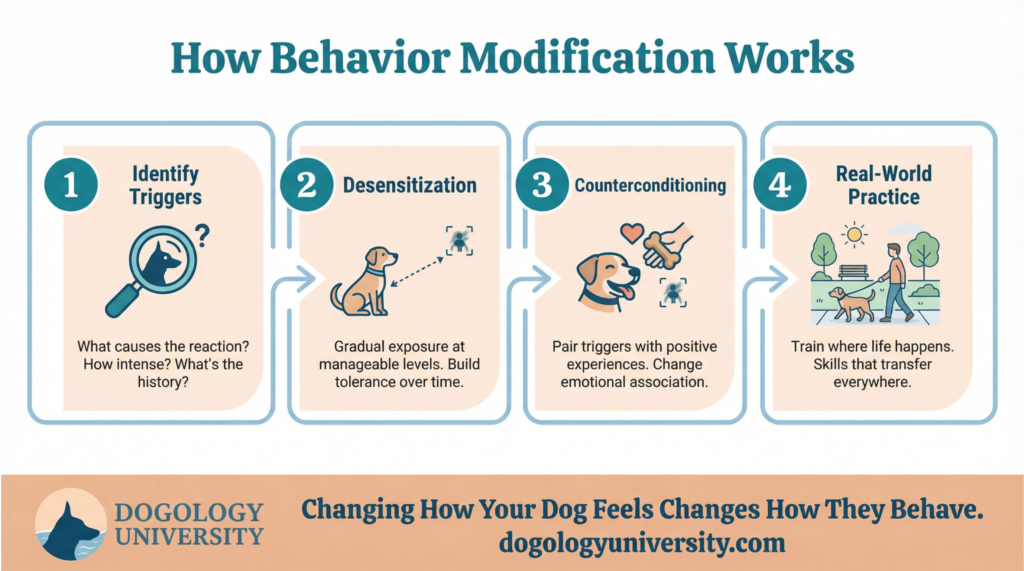
Behavior modification encompasses a set of evidence-based strategies designed to change a dog’s emotional response or physical reaction to specific triggers. At its core, this process utilizes operant conditioning, a method of learning that occurs through rewards and consequences for behavior. Positive reinforcement involves adding a desirable stimulus, such as a treat or praise, immediately after a dog performs a wanted action, thereby increasing the likelihood that the behavior will be repeated. Conversely, counter-conditioning aims to change a dog’s underlying emotional state by pairing a frightening or frustrating stimulus with something highly positive, such as a favorite toy or high-value food. These techniques require patience, consistency, and a clear understanding of the dog’s perspective, as the goal is to shift the animal’s internal experience rather than merely suppressing outward symptoms.
The Impact of Behavior on Overall Well-being
Addressing behavioral concerns is essential because chronic stress or fear can have significant implications for a dog’s long-term dog health. When a dog remains in a state of high arousal or anxiety, the body’s physiological response—often involving elevated cortisol levels—can negatively affect immune function and digestive health over time. Managing these behaviors through consistent modification techniques allows the dog to feel more secure in its environment, which reduces the frequency of stress-related responses. Furthermore, by identifying the root cause of a behavior, owners can prevent the development of more complex issues, such as redirected aggression or self-mutilation, which often stem from untreated frustration or fear.
Behavioral problems are one of the most common reasons owners surrender dogs to shelters, highlighting the critical need for early intervention and consistent training. — American Veterinary Medical Association (AVMA)
Implementing Effective Modification Strategies
Successful behavior modification relies on the systematic application of desensitization and management. Desensitization involves exposing the dog to a trigger at a very low intensity—one that does not elicit a fearful or reactive response—and gradually increasing the intensity over time as the dog remains calm. Management serves as a crucial bridge during this process; it involves altering the environment to prevent the dog from practicing the unwanted behavior while learning is in progress. For example, if a dog reacts to passersby through a window, covering the window or using opaque film serves as a management tool to reduce visual triggers. By combining management with active training sessions, owners create a controlled environment where the dog can experience success, which is vital for building confidence and long-term behavioral change.
Best Practices and Common Pitfalls
Consistency stands as the most critical factor in achieving behavioral progress. All members of the household must agree on the rules and the cues used during training sessions to avoid confusing the dog. A common mistake involves moving too quickly through the steps of desensitization; if a dog shows signs of stress—such as lip licking, yawning, or avoiding eye contact—the intensity of the trigger is likely too high. Training sessions should be kept short, frequent, and positive to maintain the dog’s engagement and enthusiasm. Furthermore, avoiding punitive measures is essential, as intimidation-based techniques often increase anxiety and can lead to the suppression of warning signals, potentially resulting in unpredictable aggression.
Positive reinforcement training, when applied consistently, has been shown to increase the strength of the bond between humans and their dogs while minimizing the risk of behavioral regression. — American Kennel Club (AKC)
Pet Care & Wellness Overview Table
| Life Stage | Daily Activity Level | Key Nutrition / Care Focus |
|---|---|---|
| Puppy / Kitten | High (frequent short bursts) | High-protein growth diet & early socialization |
| Adult Companion | Moderate (30–60 mins daily) | Balanced maintenance nutrition & dental hygiene |
| Senior Pets | Low to Gentle (mindful walks) | Joint support (Glucosamine) & routine vet checks |
Images References



Individual Variations in Behavior
Every dog possesses a unique temperament, genetic background, and history, all of which influence how they respond to dog behavior modification techniques. Certain dog breeds may have been developed for high-energy tasks, which can manifest as intense focus or, if under-stimulated, destructive habits. Age also plays a significant role; puppies are in a critical period of socialization, making them more adaptable, while senior dogs may require more time to adjust to new routines or may have underlying sensory changes that affect their perception of the environment. Owners must tailor their expectations and methods to suit the individual needs of their companion, ensuring that the pace of learning matches the dog’s comfort level and cognitive capacity.
When to Seek Professional Assistance
While many behavioral challenges can be managed at home, certain situations necessitate the guidance of a qualified professional. If a dog displays signs of severe aggression, persistent separation anxiety, or phobias that interfere with daily life, consultation with a veterinary behaviorist or a certified professional dog trainer is strongly recommended. These professionals can provide a comprehensive assessment to determine if the behavior has a medical component—such as pain or neurological issues—that requires clinical intervention. Early professional involvement can prevent the escalation of problematic behaviors and provide owners with a structured, safe, and effective plan tailored to the specific needs of their pet.
Continuing the Journey of Responsible Care
The process of modifying dog behavior is an ongoing commitment to the welfare and happiness of a canine companion. By utilizing humane, science-based techniques, owners foster an environment where dogs can thrive and feel secure. Continued education remains the best tool for any owner looking to improve their pet’s quality of life. For further guidance on dog care and training, explore the resources available at PetsAnimalsWorld.com to ensure every step taken supports a healthy and lasting relationship with a beloved animal.




