

Understanding the Importance of Professional Behavioral Support
Addressing behavioral challenges in canine companions is a critical component of responsible guardianship, directly impacting the quality of life for both the animal and the household. When a dog displays persistent issues such as reactivity, separation anxiety, or excessive fear, finding appropriate professional guidance becomes essential. According to the American Society for the Prevention of Cruelty to Animals (ASPCA), behavioral problems are a primary reason for the relinquishment of dogs to shelters, highlighting the necessity of early intervention and effective training strategies. Seeking professional assistance ensures that owners utilize evidence-based techniques that prioritize the mental well-being of the dog while fostering a safer environment for everyone involved.
💡 Pet Care Key Takeaways:
- Core Focus: Practical health, nutrition, and wellness guidelines for Dog Behavior Modification Training Near Me.
- Target Scope: Pet owners, animal caregivers, and veterinary support staff.
- Best Recommendation: Maintain consistent daily routines and consult an accredited veterinarian before introducing major diet or medical changes.
Defining Behavior Modification Training
Behavior modification training refers to a structured process designed to change a dog’s emotional response or behavioral reaction to specific triggers. Unlike basic obedience training, which focuses on teaching commands like “sit” or “stay,” behavior modification targets underlying psychological states, such as fear, aggression, or compulsive behaviors. This approach often utilizes systematic desensitization, which involves exposing the dog to a stimulus at a low intensity that does not trigger a fear response, and counter-conditioning, which aims to change the dog’s association with that stimulus from negative to positive. Professionals in this field rely on positive reinforcement, rewarding desired behaviors rather than punishing unwanted ones, to build confidence and trust.
Impact on Behavioral Health and Safety
The implementation of professional behavior modification has a profound impact on the long-term health and stability of a canine. Chronic stress, anxiety, and fear-based behaviors can manifest in physical symptoms, such as digestive issues, weakened immune responses, and self-inflicted injuries. By addressing these triggers systematically, owners can mitigate the physiological toll of stress, leading to a more balanced and content pet. Furthermore, proactive training enhances safety by reducing the likelihood of dangerous interactions, such as biting or lunging, which often stem from unmanaged fear or frustration. Consistent, science-based training creates a predictable environment where the dog understands expectations, thereby reducing the confusion and anxiety that often drive problematic behaviors.
Behavioral issues, including aggression and anxiety, are often treatable through evidence-based behavior modification techniques that prioritize positive reinforcement and desensitization. — American Veterinary Medical Association (AVMA)
Managing Behavior Modification Effectively
Successfully managing behavior modification requires patience, consistency, and a clear understanding of canine body language. It is vital to identify the specific triggers that cause the dog to react, such as the sight of other dogs, loud noises, or specific environments. Once identified, owners should work under the guidance of a qualified trainer to control the dog’s exposure to these triggers while implementing training exercises. Management strategies may include adjusting daily routines, utilizing physical barriers to prevent rehearsals of unwanted behaviors, and ensuring the dog receives adequate mental and physical stimulation. Because behavior modification is a gradual process, owners must remain committed to small, incremental improvements rather than expecting rapid, total transformations.
Best Practices and Common Pitfalls
When seeking behavior modification support, it is crucial to avoid trainers who rely on intimidation, dominance, or physical punishment. These methods can exacerbate fear and increase the risk of aggressive reactions. Instead, look for professionals who hold certifications from reputable organizations and who emphasize force-free, reward-based methodologies. A common mistake is attempting to rush the process or skipping steps in the desensitization hierarchy, which can lead to regression. Always ensure that the training environment is supportive and that the dog is not being pushed beyond its current threshold of comfort. Consistency across all household members is equally important, as conflicting signals can confuse the dog and hinder progress.
Positive reinforcement training is considered the most effective and humane approach for teaching dogs new skills and addressing behavioral challenges. — American Kennel Club (AKC)
Pet Care & Wellness Overview Table
| Life Stage | Daily Activity Level | Key Nutrition / Care Focus |
|---|---|---|
| Puppy / Kitten | High (frequent short bursts) | High-protein growth diet & early socialization |
| Adult Companion | Moderate (30–60 mins daily) | Balanced maintenance nutrition & dental hygiene |
| Senior Pets | Low to Gentle (mindful walks) | Joint support (Glucosamine) & routine vet checks |
Images References


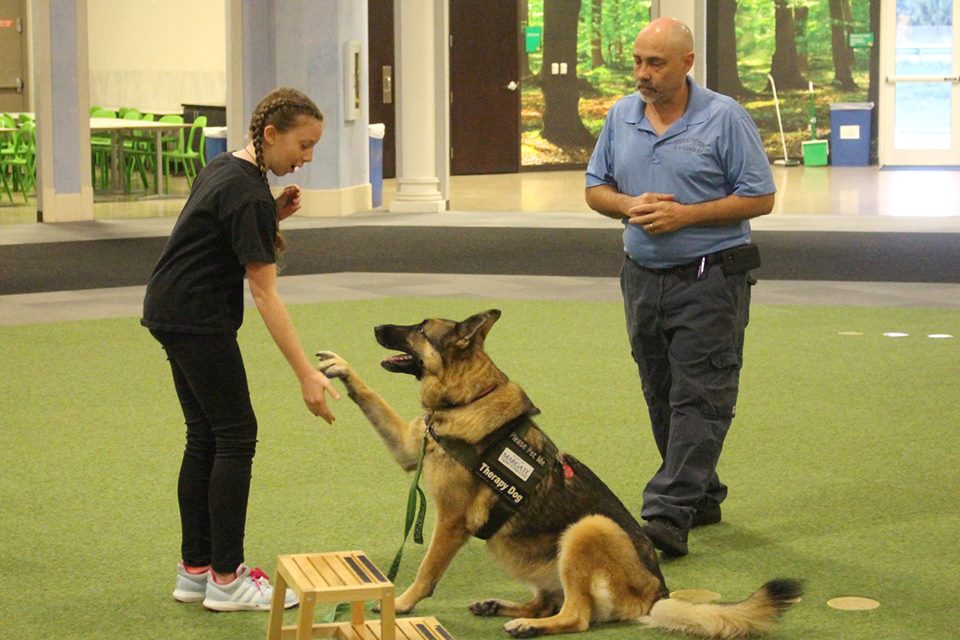


Considerations for Breed, Age, and Temperament
Every dog is an individual, and factors such as breed history, age, and temperament play a significant role in how they respond to training. Certain breeds may have been selectively bred for high energy or protective instincts, which may require specific outlets for their natural drives to prevent the development of unwanted behaviors. Younger dogs may be in a critical socialization window where they are more impressionable, while senior dogs might require different pacing due to potential sensory decline or underlying health concerns. Understanding the unique profile of a pet allows for a more tailored approach to behavior modification. Exploring resources on Dog Breeds can provide valuable insights into the inherent tendencies of a specific companion.
When to Consult a Veterinarian or Professional
Consulting a professional is imperative when behaviors are persistent, severe, or pose a risk to the safety of the dog or others. A veterinarian should be the first point of contact to rule out underlying medical conditions, as pain or illness can frequently manifest as behavioral changes. If a medical cause is ruled out, a certified professional dog trainer or a veterinary behaviorist can provide the necessary expertise to create a comprehensive, safe, and effective modification plan. For guidance on maintaining a healthy lifestyle, visit Dog Health, or explore general principles of Dog Training to better understand foundational concepts before engaging in specialized modification work.
Supporting Canine Well-being
Investing time and resources into appropriate behavior modification is a testament to the commitment of a dog owner. By focusing on humane, evidence-based practices, individuals can help their dogs navigate the world with greater confidence and less stress. For continued learning on fostering a healthy and happy relationship with a pet, please visit PetsAnimalsWorld.com. Further information on responsible ownership and care can be found through resources on Dog Care and Dog Behavior, ensuring that every step taken supports the long-term emotional and physical health of the animal.




