
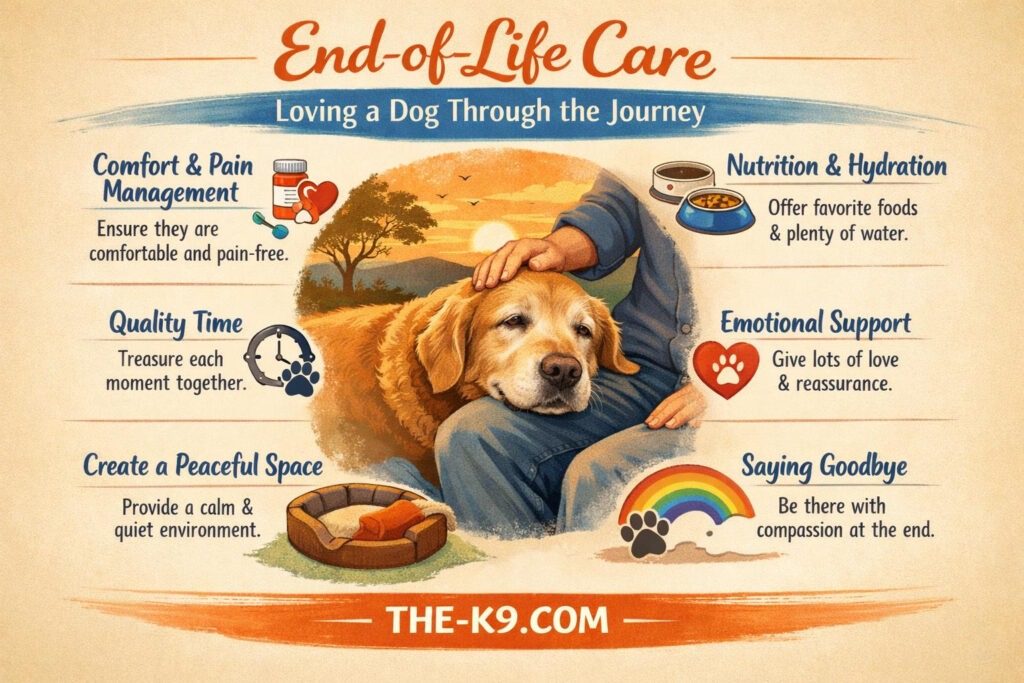
Recognizing the Subtle Shifts in Canine Behavior During Late Life Stages
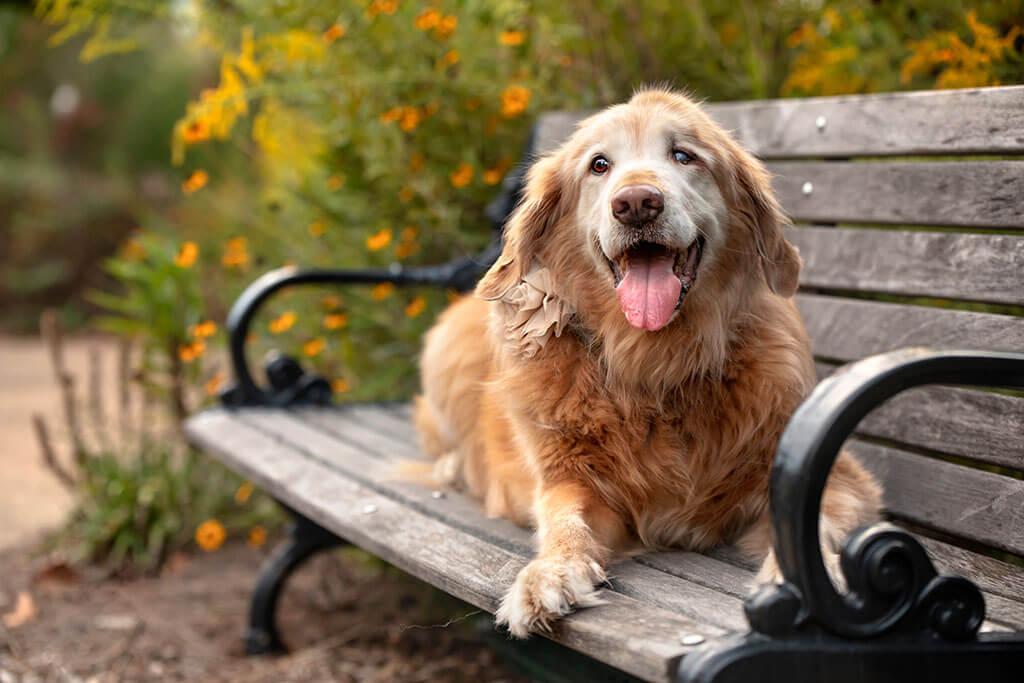
Navigating the final chapters of a canine companion’s life journey requires deep observation, emotional resilience, and a comprehensive understanding of how physical decline influences conduct. According to the American Veterinary Medical Association, senior and geriatric companion animals often exhibit noticeable shifts in daily habits, social interactions, and alertness as their internal organ systems gradually slow down. These changes can arrive abruptly following a specific health event or manifest as a slow, nearly imperceptible accumulation of age-related wear. For families devoted to their four-legged friends, learning to interpret these behavioral communications serves as a vital component of compassionate Dog Care. By replacing guesswork with informed observation, caregivers can better address the shifting needs of aging pets and ensure their remaining days are marked by comfort, dignity, and unwavering support.
💡 Pet Care Key Takeaways:
- Core Focus: Practical health, nutrition, and wellness guidelines for Dog Behavior Near End Of Life.
- Target Scope: Pet owners, animal caregivers, and veterinary support staff.
- Best Recommendation: Maintain consistent daily routines and consult an accredited veterinarian before introducing major diet or medical changes.
Understanding the Physiological Foundations of Late-Life Behavioral Changes
Dog behavior near end of life encompasses a wide range of psychological and physiological adaptations driven by sensory loss, cognitive decline, and chronic discomfort. Canines experiencing terminal illness, advanced arthritis, or canine cognitive dysfunction—a neurodegenerative disorder similar to human Alzheimer’s disease—frequently display alterations in routine, sleep patterns, and responsiveness. Confusion, restlessness during nighttime hours, staring blankly at walls, or losing familiarity with household layouts are hallmarks of cognitive decline. Simultaneously, sensory impairments like diminished vision and hearing can cause a previously confident animal to become easily startled, clingy, or reluctant to navigate familiar environments. Recognizing that these alterations stem from underlying neurological or physical shifts helps reframe frustration into empathy, allowing households to approach geriatric Dog Health with patience rather than confusion.
The Impact of Declining Mobility and Energy on Daily Routines
Physical exhaustion and musculoskeletal stiffness profoundly reshape how aging dogs interact with their environment, family members, and other household animals. As muscle mass diminishes and joint cartilage deteriorates, simple actions such as standing up, climbing stairs, or jumping onto furniture transform from effortless movements into exhausting challenges. Consequently, animals may withdraw from communal family spaces, seeking out quiet, isolated corners where they feel secure from accidental bumps or disturbances. This voluntary isolation is often misinterpreted as depression, though it frequently serves as a natural coping mechanism for chronic physical vulnerability. Environmental modifications, such as adding non-slip rugs over hardwood floors and elevating food bowls, can mitigate some of this physical stress, directly supporting overall well-being.
Geriatric dogs frequently experience shifts in sleep-wake cycles, often sleeping significantly more during daylight hours while exhibiting restlessness or pacing at night due to cognitive decline or physical discomfort. — American Veterinary Medical Association
Practical Approaches for Managing Comfort and Reducing Stress
Adapting the home environment to accommodate a declining pet minimizes unnecessary anxiety and protects fragile joints from further injury. Establishing a predictable, low-stress daily routine reduces the mental load on dogs whose cognitive processing abilities have begun to wane. Keeping furniture in fixed locations, maintaining consistent feeding times, and offering gentle, reassurance-based interactions help maintain a sense of psychological safety. When handling an animal with sore joints or heightened sensory sensitivities, every movement should be deliberate and calm. Forcing social interactions or intense physical exercise should be strictly avoided in favor of quiet companionship, gentle petting in preferred spots, and short, leisurely outdoor excursions solely for elimination purposes.
Essential Best Practices and Common Pitfalls to Avoid
Providing optimal support during a dog’s final life stage requires balancing attentiveness with a respect for the animal’s need for peace and rest. One common mistake involves overwhelming a sensitive, aging dog with excessive environmental stimulation, such as bringing unfamiliar visitors into the home or rearranging living spaces. Another pitfall is assuming that sudden house-soiling or uncharacteristic vocalization is simply a stubborn behavioral choice rather than a medical symptom of urinary incontinence, cognitive confusion, or escalating pain. Caregivers should focus on maintaining a peaceful atmosphere while closely tracking subtle shifts in appetite, breathing patterns, and mobility. Keeping a daily journal of these observations provides invaluable reference points when consulting veterinary professionals regarding palliative care strategies.
Canine cognitive dysfunction syndrome affects a significant percentage of senior dogs over the age of ten, manifesting through disorientation, altered social interactions, and disrupted sleep schedules. — American Society for the Prevention of Cruelty to Animals
Pet Care & Wellness Overview Table
| Life Stage | Daily Activity Level | Key Nutrition / Care Focus |
|---|---|---|
| Puppy / Kitten | High (frequent short bursts) | High-protein growth diet & early socialization |
| Adult Companion | Moderate (30–60 mins daily) | Balanced maintenance nutrition & dental hygiene |
| Senior Pets | Low to Gentle (mindful walks) | Joint support (Glucosamine) & routine vet checks |
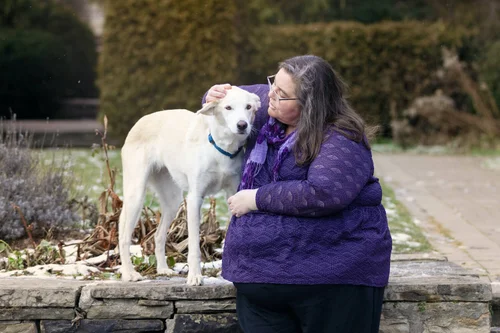
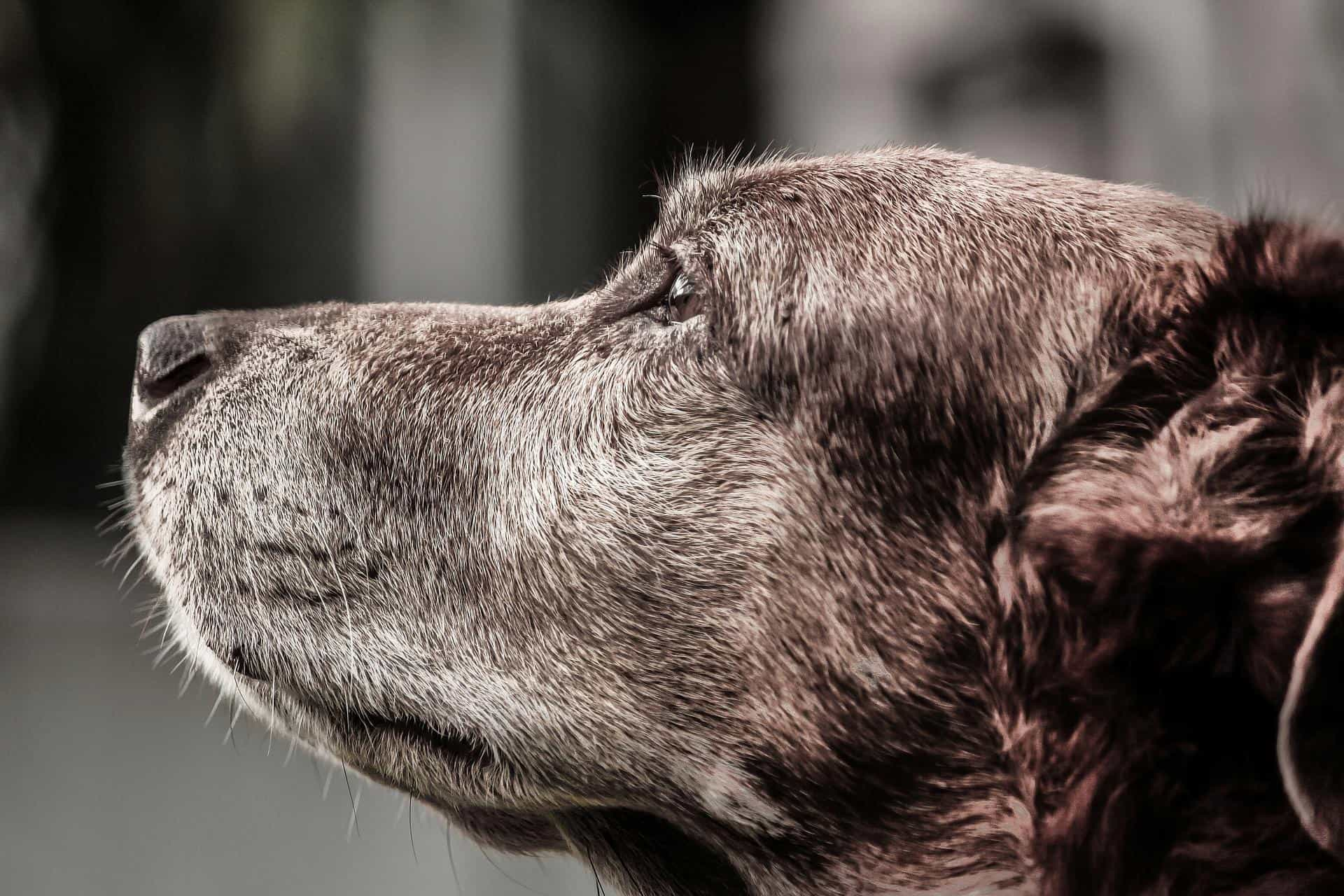
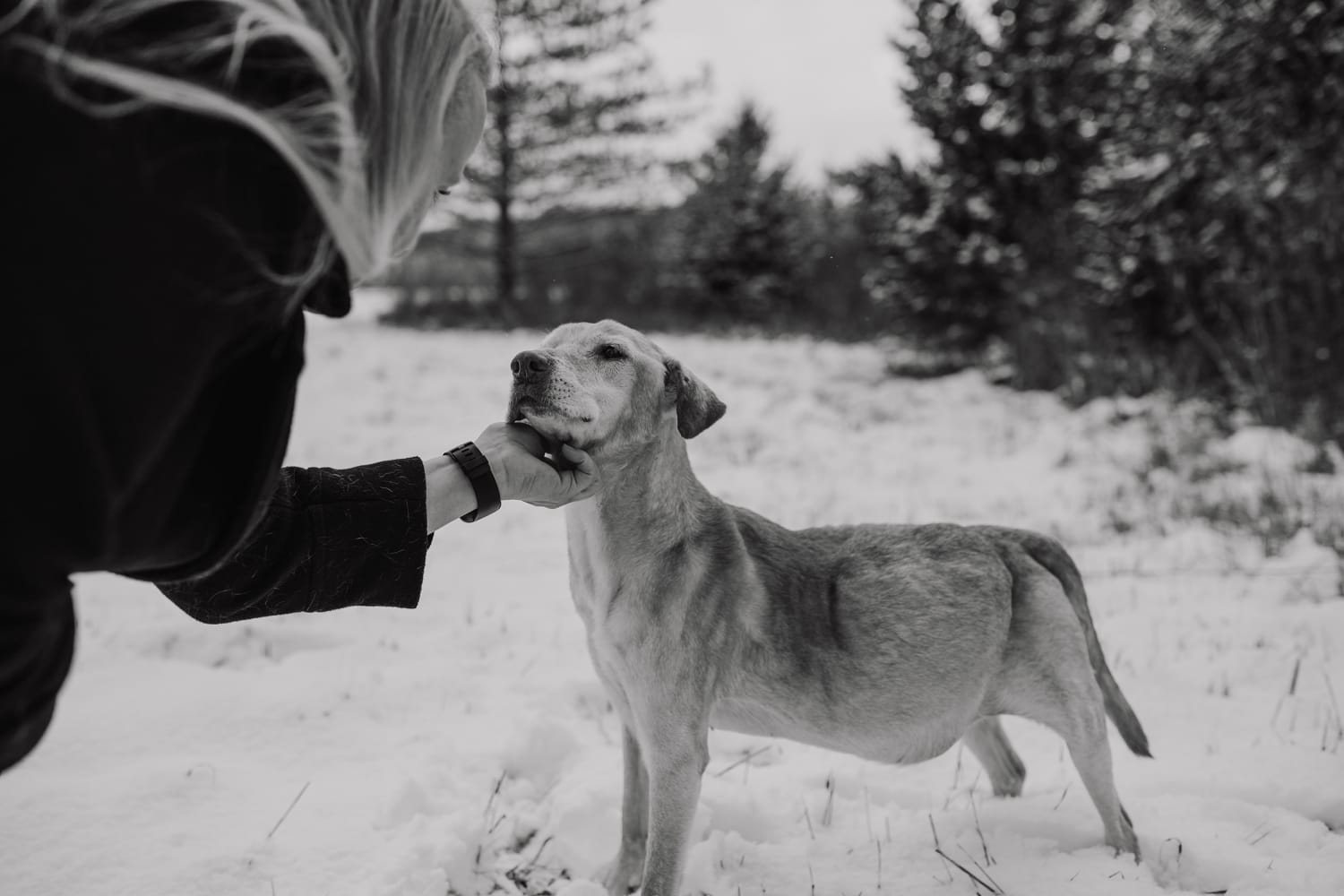
Images References




Breed, Size, and Individual Variations in the Aging Process
The timeline and manifestation of end-of-life behaviors vary dramatically depending on a dog’s adult size, breed background, and lifetime health history. Giant breeds, such as Mastiffs and Great Danes, often reach geriatric milestones much earlier in life—frequently around six or seven years of age—and face severe orthopedic challenges due to their massive frame. Conversely, smaller breeds like Chihuahuas or Toy Poodles often live well into their teens, with their behavioral changes more commonly tied to progressive dental disease, heart murmurs, or sensory loss rather than rapid musculoskeletal decline. Understanding these breed-specific trajectories, explored further within resources dedicated to Dog Breeds, ensures that expectations remain realistic and tailored to the specific physical realities of the individual animal.
When to Consult a Veterinary Professional for Guidance
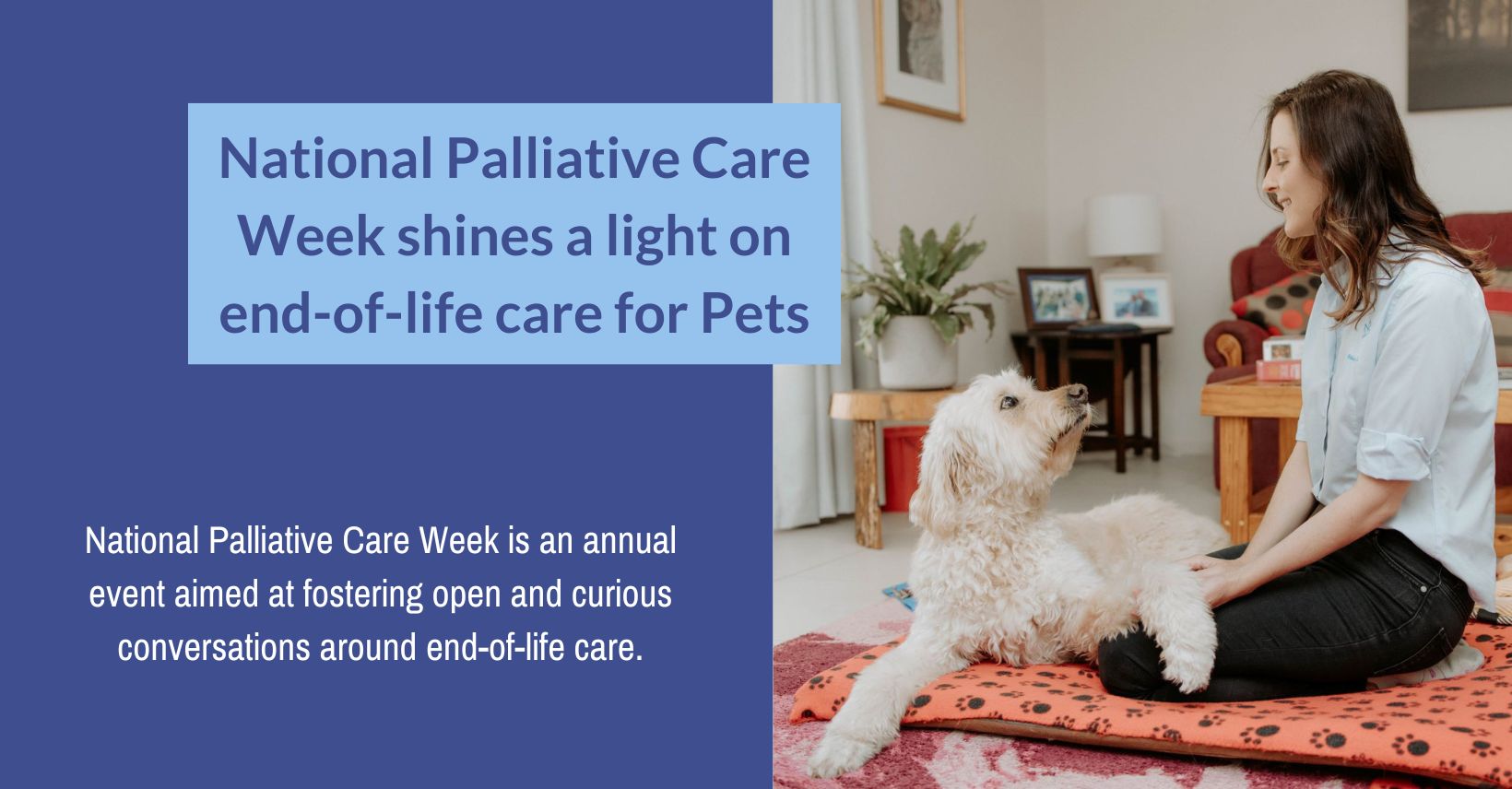
Professional veterinary evaluation is essential whenever an aging dog exhibits sudden behavioral shifts, persistent distress, or signs of unmanaged pain. Because animals instinctively mask discomfort, subtle indicators like heavy panting while resting, reluctance to change position, decreased appetite, or uncharacteristic withdrawal often represent the only visible clues of underlying suffering. A veterinarian can perform comprehensive diagnostic evaluations to differentiate between age-related behavioral decline and treatable medical conditions, such as organ dysfunction, dental pain, or secondary infections. Furthermore, veterinary teams can guide families through palliative care options, pain management protocols, and compassionate end-of-life decision-making, ensuring the dog remains comfortable and supported throughout every stage of the aging process.
Supporting Your Companion Through Every Life Stage
Caring for a canine companion through the final chapter of life is an act of profound dedication that calls for patience, attentiveness, and deep empathy. By understanding the intersection of physical health, cognitive changes, and behavioral expressions, families can create an environment centered on comfort and mutual trust. Exploring additional insights across Dog Behavior and related care guides helps ensure that every decision is rooted in reliable knowledge and genuine compassion. Ultimately, remaining attuned to the unique needs of a senior pet allows caregivers to provide a peaceful, dignified transition, honoring a lifetime of loyalty and companionship through thoughtful, informed stewardship at PetsAnimalsWorld.com.




