

Decoding the Complexities of Canine Mounting Habits
Understanding the underlying motivations behind canine mounting habits is essential for maintaining a harmonious household and ensuring canine well-being. According to the American Society for the Prevention of Cruelty to Animals (ASPCA), mounting behavior in dogs is a natural phenomenon with a wide range of potential triggers that extend far beyond simple reproductive urges. Observers often notice dogs engaging in this action toward other animals, human legs, or inanimate objects like plush toys and pillows. Because this conduct frequently causes embarrassment or confusion in social settings, pet guardians benefit greatly from looking past the surface awkwardness to examine the physical and psychological drivers involved. Recognizing that mounting serves multiple communicative and physiological functions allows caretakers to respond with patience and structured management rather than frustration.
💡 Pet Care Key Takeaways:
- Core Focus: Practical health, nutrition, and wellness guidelines for Dog Behavior Mounting.
- Target Scope: Pet owners, animal caregivers, and veterinary support staff.
- Best Recommendation: Maintain consistent daily routines and consult an accredited veterinarian before introducing major diet or medical changes.
Defining Canine Mounting and Its Biological Context
Canine mounting involves a dog placing their front paws over the back, shoulders, or head of another object, animal, or person, often accompanied by rhythmic pelvic thrusting. While sexual maturity and hormonal drives certainly play a primary role in intact animals, reproductive motivation represents only one piece of a much larger behavioral puzzle. In the field of Dog Behavior, specialists emphasize that this action frequently occurs in spayed females and neutered males alike. Puppies often test out mounting during normal play sequences as they learn physical coordination and social signaling. Recognizing the distinction between reproductive behavior, play-state arousal, and displacement activity helps observers interpret what a specific animal communicates during an episode.
Evaluating the Underlying Triggers and Environmental Stressors
Environmental stress, overstimulation, and displacement frequently provoke mounting episodes when animals lack an alternative outlet for sudden emotional tension. When excitement levels spike rapidly during play groups or household commotion, some dogs utilize rhythmic physical movement to self-soothe or process excess adrenaline. This non-sexual outlet acts much like pacing or whining in humans facing stressful circumstances. Chronic anxiety or changes in daily routines can similarly amplify these frequency rates, turning an occasional quirky habit into a persistent compulsion. Caregivers examining Dog Health factors should also note that urinary tract infections, skin allergies, or hormonal imbalances can manifest as unusual physical habits, making a veterinary evaluation a wise first step.
Behaviorists note that mounting can serve as a displacement behavior, emerging when a dog feels overaroused, conflicted, or uncertain about how to respond to an environmental stimulus. — American Society for the Prevention of Cruelty to Animals (ASPCA)
Practical Management and Positive Modification Strategies
Managing mounting behavior requires calm, consistent redirection and proactive environmental control rather than punitive corrections that risk escalating stress. When an animal begins to show signs of heightened arousal or approaches a trigger target, interrupting the sequence early with a familiar cue—such as asking for a sit or a target touch—helps de-escalate the moment. Rewarding the animal for calm choices reinforces alternative coping mechanisms. Integrating structured mental enrichment and appropriate physical exercise into the daily routine prevents the buildup of restless energy that often precedes repetitive habits. Consulting resources focused on Dog Training can provide further insights into reward-based teaching methods.
Best Practices and Common Pitfalls to Avoid
Effective guidance relies on understanding what works and recognizing strategies that inadvertently worsen the situation. Punishing, yelling at, or physically reprimanding a mounting dog often increases anxiety or misinterprets the behavior as a game of attention-seeking, which can intensify the frequency of the actions. Instead, quietly removing the audience, redirecting the dog to a durable chew toy, or managing access to stimulating environments yields better long-term results. Consistency among all household members remains paramount; mixed signals regarding what is permitted create confusion. Furthermore, forcing prolonged interactions in crowded dog parks where arousal runs high should be avoided, as tired or overstimulated animals are far more likely to resort to mounting as a coping mechanism.
Positive reinforcement methods that focus on teaching incompatible behaviors, such as four paws on the floor, yield more reliable behavioral changes than punitive responses. — Association of Professional Dog Trainers (APDT)
Pet Care & Wellness Overview Table
| Life Stage | Daily Activity Level | Key Nutrition / Care Focus |
|---|---|---|
| Puppy / Kitten | High (frequent short bursts) | High-protein growth diet & early socialization |
| Adult Companion | Moderate (30–60 mins daily) | Balanced maintenance nutrition & dental hygiene |
| Senior Pets | Low to Gentle (mindful walks) | Joint support (Glucosamine) & routine vet checks |
Images References

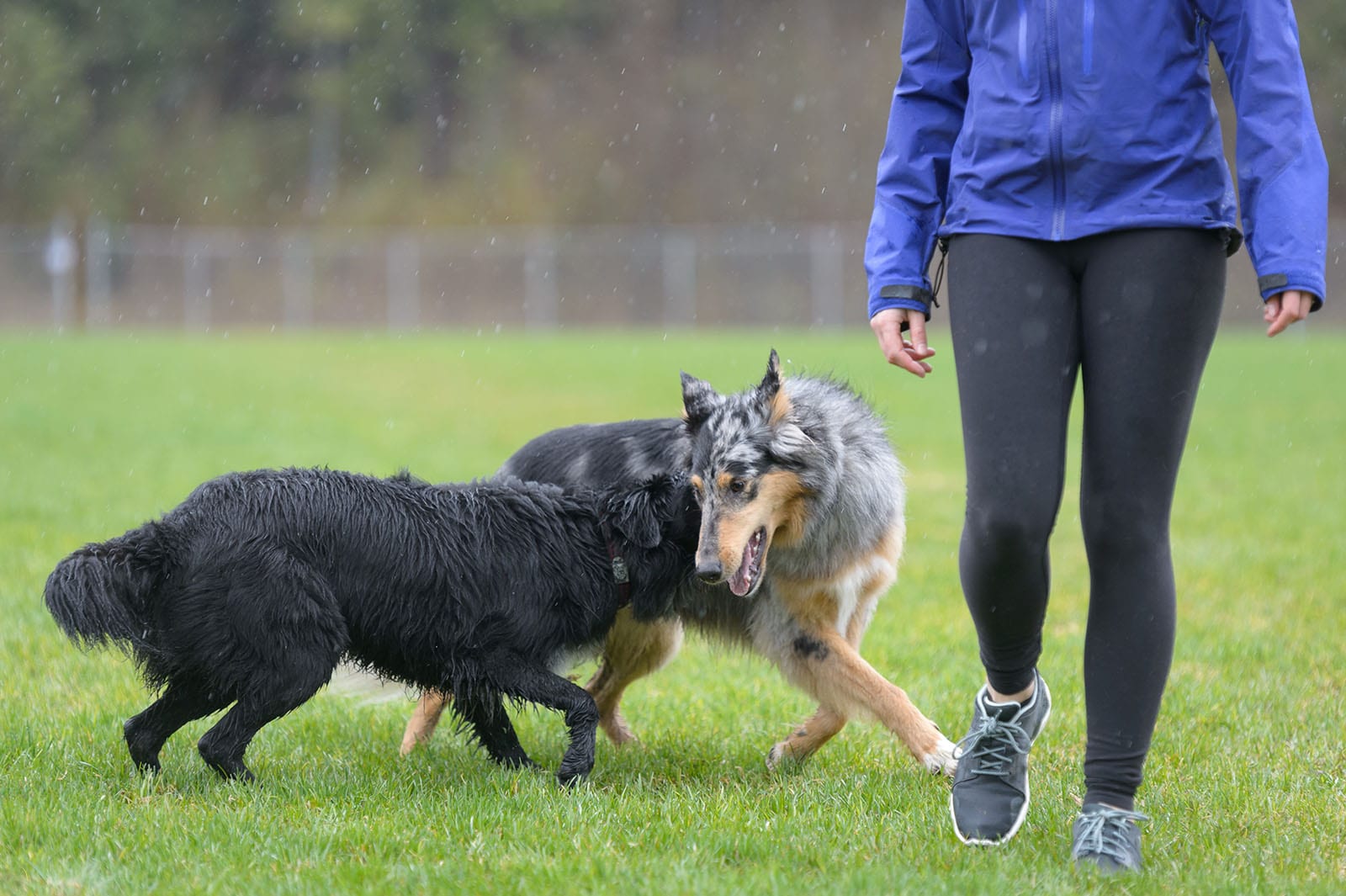






Breed, Age, and Temperament Influences on Mounting
Individual characteristics such as age, developmental stage, and innate temperament significantly influence how frequently and intensely mounting occurs. Adolescence, a transitional phase filled with hormonal shifts and boundless energy, often sees a temporary surge in exploratory behaviors, including mounting during play. High-energy working breeds or terriers may display heightened arousal thresholds, requiring specialized outlets for their drive. Conversely, senior dogs might resort to sudden changes in habits due to cognitive decline or physical discomfort. Exploring resources dedicated to Dog Breeds and Dog Care helps owners tailor their management approaches to match the specific needs of their animal companion’s life stage and physical build.
When to Seek Professional Guidance for Persistent Mounting
Persistent, obsessive, or intense mounting that causes distress to household members or other animals warrants consultation with a qualified veterinary behaviorist or a certified professional dog trainer. When the behavior stems from underlying medical conditions, obsessive-compulsive disorders, or severe anxiety, standard management techniques may prove insufficient without professional intervention. A veterinarian must first rule out physiological causes such as pain, neurology issues, or endocrine disorders. If behavioral, working alongside an expert who utilizes humane, science-based modification techniques ensures that the root emotional trigger is addressed safely and effectively.
Conclusion and Further Resources
Addressing dog behavior mounting requires a balanced blend of patience, observation, and humane management tailored to the individual animal. By looking beyond the surface action to identify whether excitement, stress, or medical factors are at play, guardians can guide their companions toward calmer, more constructive habits. For additional guidance on keeping pets healthy and well-adjusted, explore the comprehensive resources available across Dog Nutrition and related sections on PetsAnimalsWorld.com to support every stage of the journey.




