
Understanding the Critical Recovery Window Following Canine Seizures
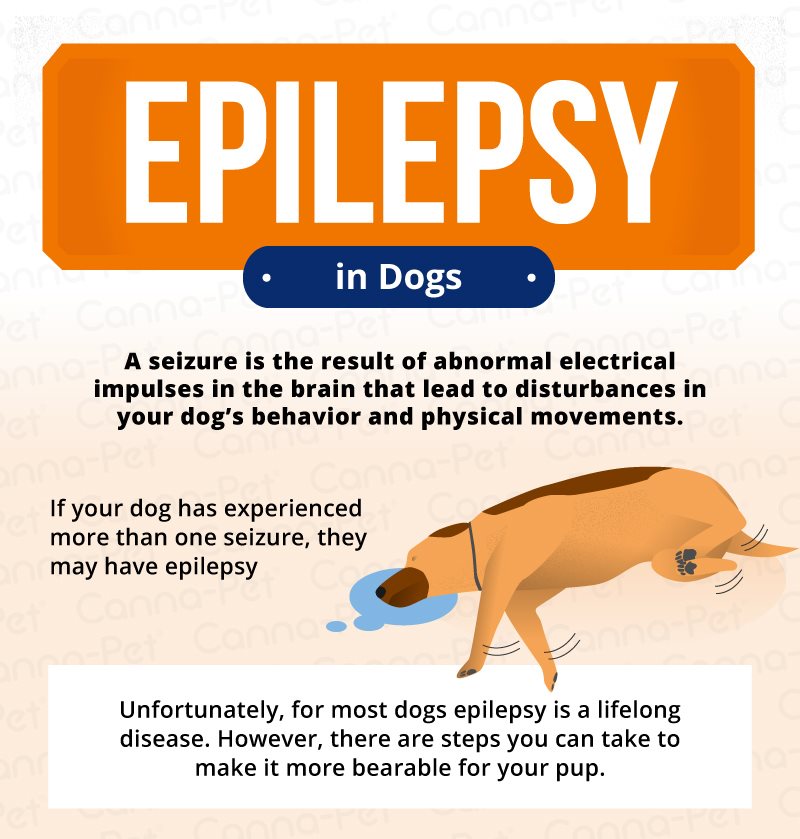
According to the American Kennel Association Canine Health Foundation, canine epilepsy and seizure disorders represent one of the most frequently diagnosed neurological conditions in veterinary practice, requiring attentive home management. Witnessing an episode can be profoundly distressing for any household. When the intense electrical storm inside the brain finally subsides, the immediate aftermath brings a distinct phase known clinically as the post-ictal period. During this transitional state, physiological equilibrium remains disrupted, and the nervous system slowly attempts to recalibrate. Recognizing what transpires during this vulnerable phase helps caregivers provide safe, compassionate support while safeguarding their beloved companions from accidental injury.
💡 Pet Care Key Takeaways:
- Core Focus: Practical health, nutrition, and wellness guidelines for Dog Behavior Post Seizure.
- Target Scope: Pet owners, animal caregivers, and veterinary support staff.
- Best Recommendation: Maintain consistent daily routines and consult an accredited veterinarian before introducing major diet or medical changes.
Defining the Post-Ictal Phase and Behavioral Manifestations
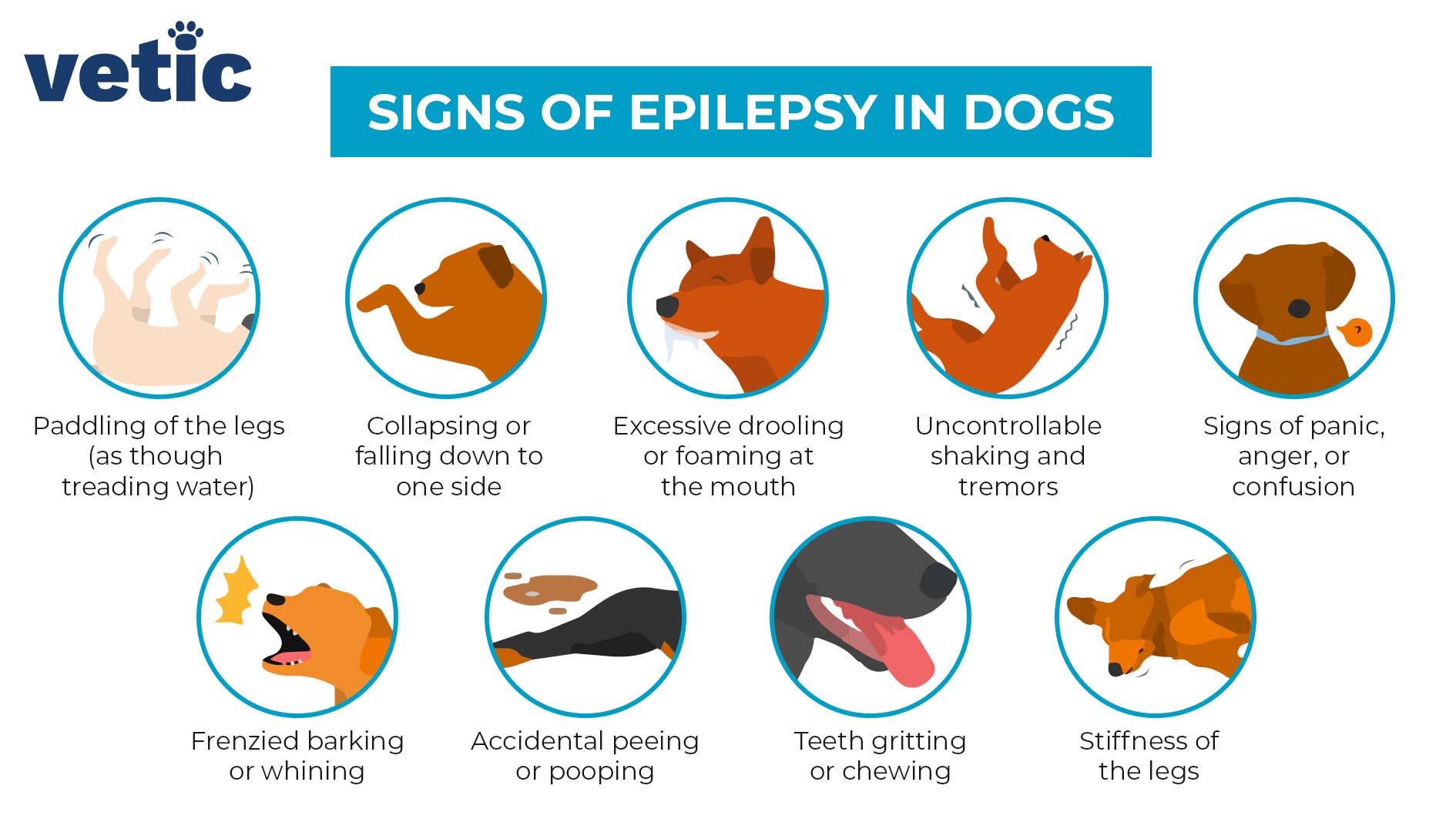
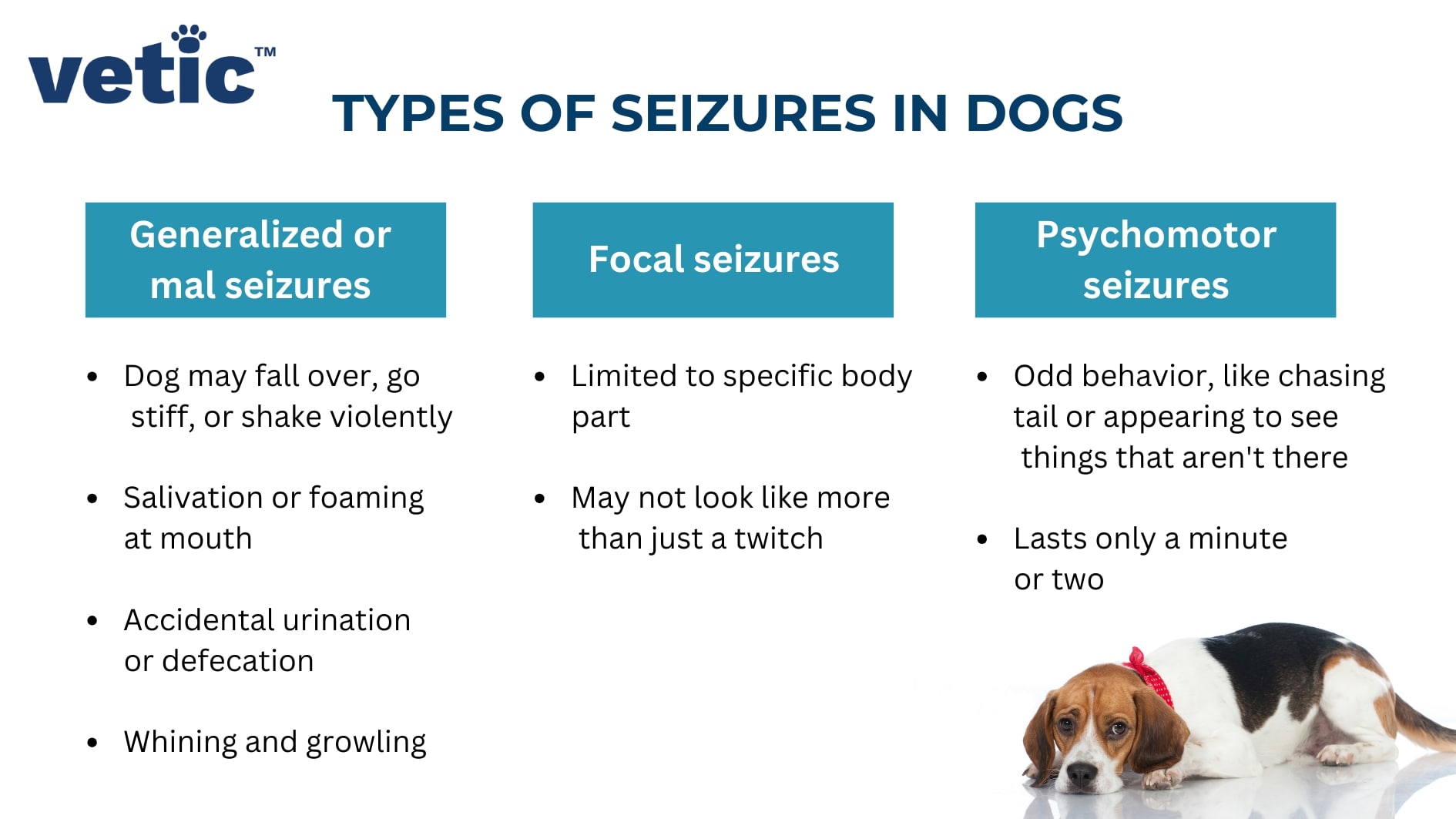
The post-ictal phase refers to the recovery interval immediately following an active seizure, characterized by temporary neurological dysfunction, profound disorientation, and altered responsiveness. Dogs navigating this transitional window frequently exhibit unusual conduct that starkly contrasts with normal daily temperament. Common manifestations include pacing endlessly, bumping into furniture, staring blankly at walls, whining softly, or demonstrating temporary blindness. Some individuals sink into an unusually deep sleep, while others experience frantic restlessness or uncharacteristic anxiety. These sudden behavioral shifts stem directly from intense cerebral exhaustion rather than behavioral disobedience or intentional distress, reflecting the sheer physiological toll the episode took on the central nervous system.
Physical exhaustion and sensory overload heavily dominate the recovery hours, leaving animals vulnerable to external stressors in the environment. Muscles often ache intensely due to the violent contractions sustained during the active seizure, resulting in temporary stiffness, weakness, or an unsteady gait that mimics neurological decline. Sensory processing filters also fail temporarily, causing ordinary household sounds, bright lights, or sudden movements to trigger panicked or defensive reactions. Minimizing environmental stimulation during this delicate interval remains essential for safe Dog Health management. Keeping rooms dimly lit, silencing loud televisions, and restricting access to multi-level stairways prevents accidental falls and reduces psychological panic.
The post-ictal recovery period can last anywhere from a few minutes to several hours, depending on the severity and underlying cause of the neurological event. — American Kennel Club Canine Health Foundation
Practical Strategies for Managing Recovery and Comfort
Safe environmental management requires a calm, deliberate approach that prioritizes physical protection without inducing further stress. Caregivers should gently block access to staircases, sharp corners, and swimming pools where an uncoordinated animal might sustain injury. Allowing the dog to rest undisturbed on a soft, supportive bed in a quiet room facilitates natural neurological recovery. Resist the urge to crowd, hug, or forcefully restrain the recovering animal, as disorientation can inadvertently provoke a snap or bite driven entirely by self-preservation instincts. Water should be offered only after complete physical coordination returns to prevent accidental aspiration or choking.
Essential Safety Practices and Common Pitfalls to Avoid
Maintaining strict safety protocols prevents secondary complications while the nervous system stabilizes. Never place hands anywhere near the animal’s mouth during or immediately after an episode, as unconscious jaw movements can cause severe accidental injury. Avoid administering human pain medications, sedatives, or unprescribed home remedies, as these substances can interact dangerously with ongoing neurological conditions. Keeping a detailed journal documenting the exact duration of the episode, the specific post-ictal behaviors observed, and the time required for full recovery provides invaluable data for subsequent veterinary evaluations. Consistency and patience form the absolute cornerstone of effective post-seizure care.
Recording detailed logs of seizure frequency, duration, and post-ictal recovery times significantly assists veterinarians in tailoring long-term treatment protocols. — American Veterinary Medical Association
Pet Care & Wellness Overview Table
| Life Stage | Daily Activity Level | Key Nutrition / Care Focus |
|---|---|---|
| Puppy / Kitten | High (frequent short bursts) | High-protein growth diet & early socialization |
| Adult Companion | Moderate (30–60 mins daily) | Balanced maintenance nutrition & dental hygiene |
| Senior Pets | Low to Gentle (mindful walks) | Joint support (Glucosamine) & routine vet checks |
Images References





Influence of Breed, Age, and Temperament on Recovery Dynamics
Individual predisposition, genetic background, and life stage heavily influence how different animals experience and recover from neurological episodes. Certain Dog Breeds with genetic predispositions to idiopathic epilepsy may display more intense or prolonged post-ictal phases requiring specialized veterinary management. Senior dogs experiencing sudden onset seizures often exhibit more severe confusion and prolonged physical weakness due to concurrent age-related cognitive changes or underlying systemic conditions. Conversely, younger dogs might bounce back to physical mobility more rapidly yet retain lingering behavioral anxiety or clinginess that requires gentle reassurance over subsequent days.
Recognizing When Veterinary Intervention Becomes Mandatory
Immediate professional medical evaluation remains vital if specific red flags emerge during or after a neurological event. Any seizure lasting longer than five minutes, or instances where multiple episodes occur in rapid succession without full recovery in between, represent a life-threatening medical emergency known as status epilepticus requiring immediate veterinary transport. Furthermore, if post-ictal blindness, severe ataxia, or extreme disorientation persists for more than a few hours, professional guidance is necessary. Consulting a qualified veterinarian ensures appropriate diagnostic testing, such as blood work or advanced imaging, to uncover root causes and establish safe, effective therapeutic interventions for ongoing Dog Care.
Supporting Long-Term Canine Wellness and Recovery
Navigating the complexities of neurological recovery requires dedication, patience, and a strong partnership with veterinary professionals. By maintaining a safe environment, tracking recovery milestones, and prioritizing compassionate Dog Behavior management, owners can significantly improve their companion’s quality of life. Explore further resources, expert health guides, and wellness tips by visiting PetsAnimalsWorld.com to ensure every pet receives optimal support.




