

Understanding Unanticipated Behavioral Changes Following Gonadectomy
According to the American Veterinary Medical Association, surgical sterilization procedures like gonadectomy are routine veterinary interventions designed to influence reproductive capability, population control, and specific aspects of canine temperament. However, a segment of caretakers observes unexpected shifts in household dynamics following the procedure. The phenomenon known as dog behavior regression after neuter involves the sudden reemergence of undesirable habits or the development of new, challenging conduct after surgical recovery. Recognizing that physiological recovery involves hormonal shifts can help guardians navigate this transition without panic. Exploring appropriate guidance within Dog Health and related resources establishes a solid foundation for managing unexpected challenges.
💡 Pet Care Key Takeaways:
- Core Focus: Practical health, nutrition, and wellness guidelines for Dog Behavior Regression After Neuter.
- Target Scope: Pet owners, animal caregivers, and veterinary support staff.
- Best Recommendation: Maintain consistent daily routines and consult an accredited veterinarian before introducing major diet or medical changes.
Defining Post-Surgical Behavioral Shifts in Canines
Dog behavior regression after neuter refers to the temporary or persistent worsening of obedience, anxiety, or reactivity following surgical sterilization. When a dog undergoes gonadectomy, circulating testosterone or estrogen levels drop significantly over subsequent weeks. This major endocrine transition interacts with the central nervous system, occasionally altering emotional regulation and baseline stress thresholds. For instance, an adolescent dog that previously walked calmly on a leash might suddenly display heightened leash reactivity or territorial barking. Rather than indicating a failed procedure or a permanent character flaw, these behavioral changes typically reflect an underlying adjustment period driven by neuroendocrine reorganization and recovery stress.
The Interplay Between Physiology, Environment, and Training
Managing post-operative changes requires understanding how physical healing intersects with daily routines and ongoing behavioral development. The immediate post-operative phase often necessitates strict confinement or leash-only exercise restrictions to protect the surgical incision. This sudden reduction in physical activity and mental stimulation can accumulate excess energy, frequently manifesting as destructive chewing, indoor pacing, or compulsive vocalization. Furthermore, any underlying fear-based reactivity that was previously masked by adolescent hormones may become more prominent as the protective or competitive drives diminish, shifting the core emotional motivation of the animal.
Surgical sterilization alters circulating sex hormones, which can temporarily influence stress responses, emotional baseline stability, and learning speed during the immediate post-operative recovery window. — American Veterinary Medical Association
Evidence-Based Strategies for Managing Behavioral Regression
Addressing dog behavior regression after neuter successfully relies on structured, reward-based management combined with predictable daily routines. Re-establishing clear communication through positive reinforcement helps build confidence in recovering animals without putting undue pressure on their healing bodies. Caretakers should focus on low-impact mental enrichment activities, such as scent games or puzzle feeders, to compensate for restricted physical exercise during the mandatory healing window. Consistency across all household members ensures that the animal receives unambiguous cues, reducing confusion and preventing the inadvertent reinforcement of reactive or anxious habits.
Practical Recommendations and Common Pitfalls to Avoid
Navigating this transitional phase safely requires avoiding outdated punitive methods that increase stress and worsen fear-based reactivity. Owners should steer clear of corrections, harsh reprimands, or aversive tools, as these approaches exacerbate anxiety and can aggravate defensive behavior. Instead, prioritize proactive environmental management by preventing exposure to known triggers while the dog regains emotional equilibrium. Keeping a detailed log of behavioral triggers, time of day, and environmental context provides valuable objective data that can guide subsequent training adjustments or professional consultations.
Consistent positive reinforcement training combined with adequate mental enrichment significantly improves coping mechanisms for dogs experiencing stress-related behavioral changes during recovery periods. — Association of Professional Dog Trainers
Pet Care & Wellness Overview Table
| Life Stage | Daily Activity Level | Key Nutrition / Care Focus |
|---|---|---|
| Puppy / Kitten | High (frequent short bursts) | High-protein growth diet & early socialization |
| Adult Companion | Moderate (30–60 mins daily) | Balanced maintenance nutrition & dental hygiene |
| Senior Pets | Low to Gentle (mindful walks) | Joint support (Glucosamine) & routine vet checks |
Images References


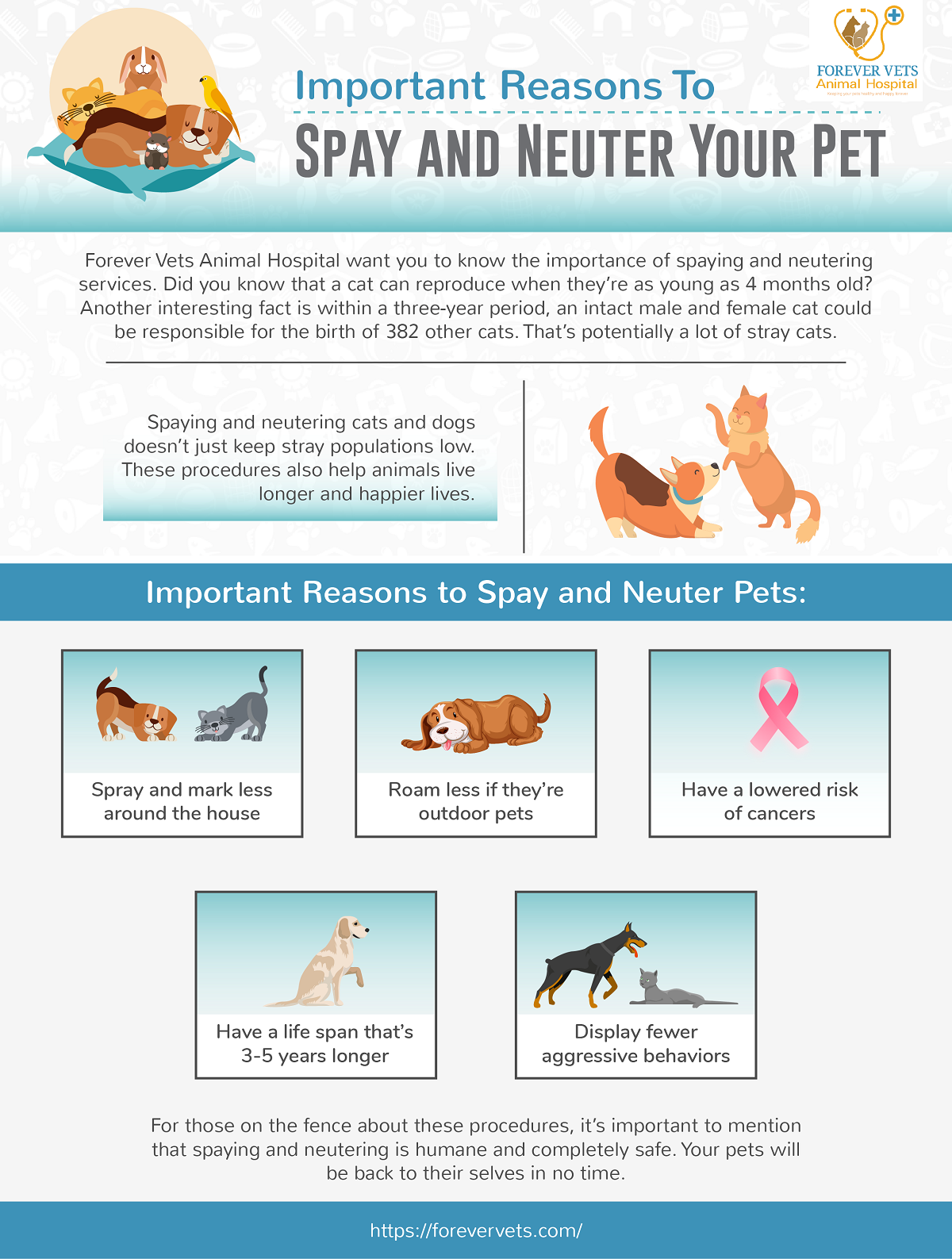


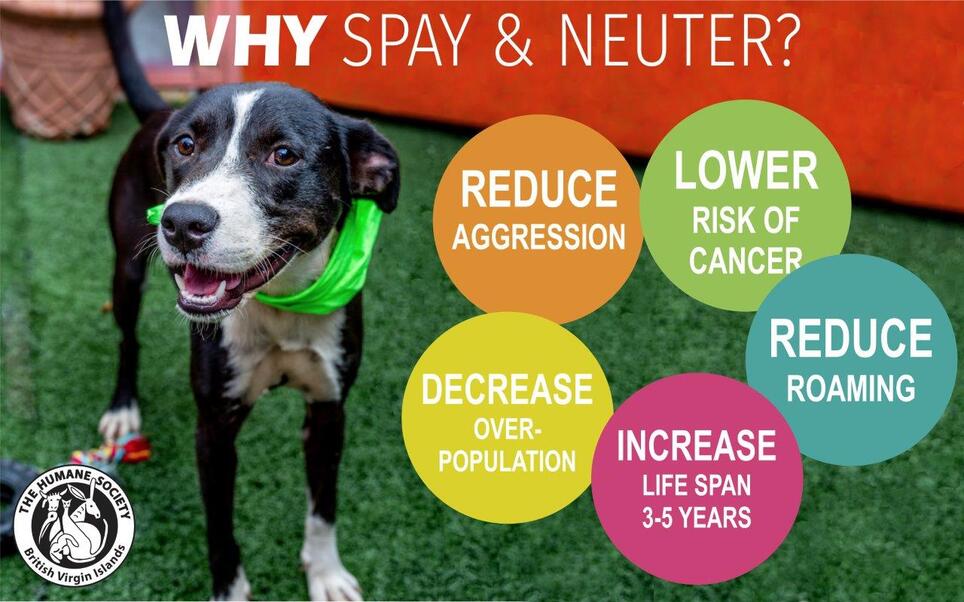
Influence of Age, Breed, and Individual Temperament
Individual differences play a substantial role in how animals process surgical interventions and subsequent hormonal shifts. Adolescent dogs experiencing developmental fear periods may exhibit more pronounced setbacks than mature adults whose neural architecture is fully stabilized. Additionally, genetically predisposed traits within certain working or guardian lines may interact differently with descending hormone levels compared to companion-oriented breeds. Evaluating each animal through the lens of individual temperament rather than broad generalizations ensures that care strategies remain tailored to the specific psychological profile of the dog.
When to Seek Professional Veterinary and Behavioral Support
Persistent behavioral deterioration that does not resolve with structured management warrants professional intervention to rule out underlying medical discomfort or chronic pain. A comprehensive physical examination by a licensed veterinarian helps identify lingering post-operative inflammation, subclinical infections, or unrelated orthopedic discomfort that could explain sudden reactivity or regression. For complex behavioral challenges such as severe generalized anxiety, unprovoked aggression, or compulsive disorders, consulting a board-certified veterinary behaviorist or a qualified, force-free professional certified through reputable organizations ensures safe, humane, and scientifically sound rehabilitation plans.
Supporting Long-Term Canine Wellness
Navigating unexpected challenges during recovery requires patience, observation, and adherence to evidence-based management principles. By combining veterinary guidance with structured, fear-free educational resources found across Dog Training and Dog Care, guardians can support their companions through temporary setbacks. Continuous learning and empathetic management foster a resilient bond between human and animal. For comprehensive insights into animal wellness, behavior, and care standards, explore additional resources directly at PetsAnimalsWorld.com.




