

Understanding the Science of Canine Conduct
According to the American Veterinary Medical Association, understanding canine psychology and environmental interactions is essential for promoting long-term animal welfare and strengthening the bond between companion animals and human households. Modern scientific investigations into how dogs think, learn, and communicate have transformed everyday Dog Care. Rather than relying on guesswork or outdated cultural myths, contemporary caretakers can utilize objective data to interpret what pets try to express through subtle body language, vocalizations, and daily routines. Scientific inquiry into canine minds bridges the gap between human expectations and animal realities, reducing misunderstandings in domestic settings.
💡 Pet Care Key Takeaways:
- Core Focus: Practical health, nutrition, and wellness guidelines for Dog Behavior Studies.
- Target Scope: Pet owners, animal caregivers, and veterinary support staff.
- Best Recommendation: Maintain consistent daily routines and consult an accredited veterinarian before introducing major diet or medical changes.
Defining Dog Behavior Studies
Dog behavior studies encompass the systematic, empirical observation and analysis of canine actions, cognitive processes, social structures, and emotional responses. Researchers in this field employ rigorous methodologies, ranging from controlled laboratory cognition tests to field observations in natural environments, to determine why canines react to specific stimuli in predictable ways. This academic discipline draws heavily from ethology, which is the scientific study of animal behavior under natural conditions, alongside psychology and veterinary medicine. By measuring cortisol levels during stressful events or tracking eye movements during problem-solving tasks, investigators uncover how canines process information and form attachments with humans and conspecifics, meaning other members of the same species.
The Impact of Research on Canine Welfare
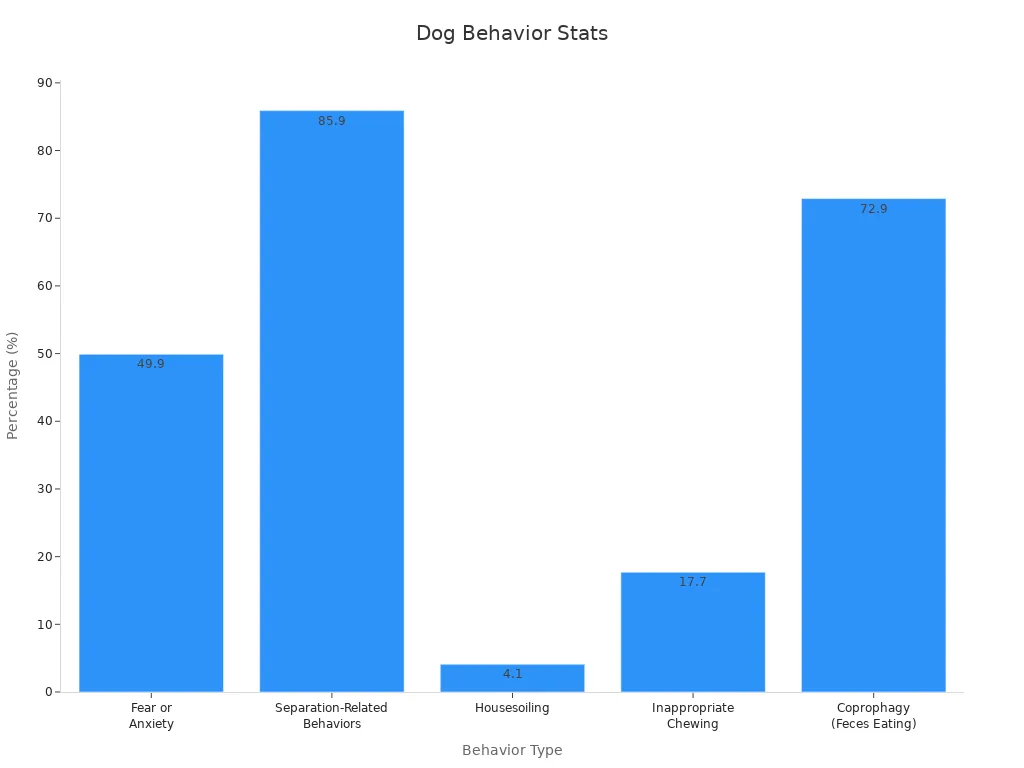
Insights derived from empirical investigations directly influence Dog Health and emotional well-being by identifying major stressors in domestic environments. Chronic stress and anxiety often manifest as destructive chewing, excessive vocalization, or house-soiling, which can lead to relinquishment if misinterpreted as disobedience. Scientific studies reveal that predictable daily routines, adequate mental stimulation, and proper socialization during developmental windows significantly reduce anxiety-related disorders. Furthermore, recognizing early signs of cognitive decline allows veterinary teams to implement appropriate management strategies before behavioral symptoms escalate severely. For households navigating complex behavioral challenges, evidence-based insights provide a roadmap toward humane, effective household management.
Behavioral changes in senior canines frequently serve as early indicators of underlying medical conditions or cognitive dysfunction syndrome, highlighting the deep connection between physical health and observable actions. — American Veterinary Medical Association
Applying Evidence-Based Training Methods
Translating scientific findings into practical applications requires methods rooted in positive reinforcement and clear communication rather than outdated dominance theories. Evidence-informed education focuses on rewarding desired actions while safely managing or preventing inadvertent rewards for unwanted habits. For guidance on structuring these teaching sessions, exploring resources dedicated to Dog Training helps caretakers implement structured, humane techniques. Dogs learn most effectively through clear consequences and consistent cues, which align with principles of operant conditioning—a learning process where behaviors are modified through reinforcement or punishment. Establishing predictable guidelines builds confidence and trust, minimizing confusion during daily interactions.
Best Practices and Common Mistakes to Avoid
Avoiding punitive, intimidation-based techniques is paramount, as punishment frequently escalates fear, anxiety, and defensive aggression in domestic canines. A common oversight involves punishing a dog long after an undesirable action occurred, which creates severe confusion because animals lack the episodic memory to connect the delayed penalty with the past event. Instead, proactive management—such as utilizing secure baby gates, crates, or designated quiet zones—prevents rehearsal of unwanted habits while new responses are being taught. Consistency across all household members ensures that communication remains clear, preventing mixed signals that impede the learning process. Patience and structured consistency yield the most reliable, long-lasting adjustments in daily habits.
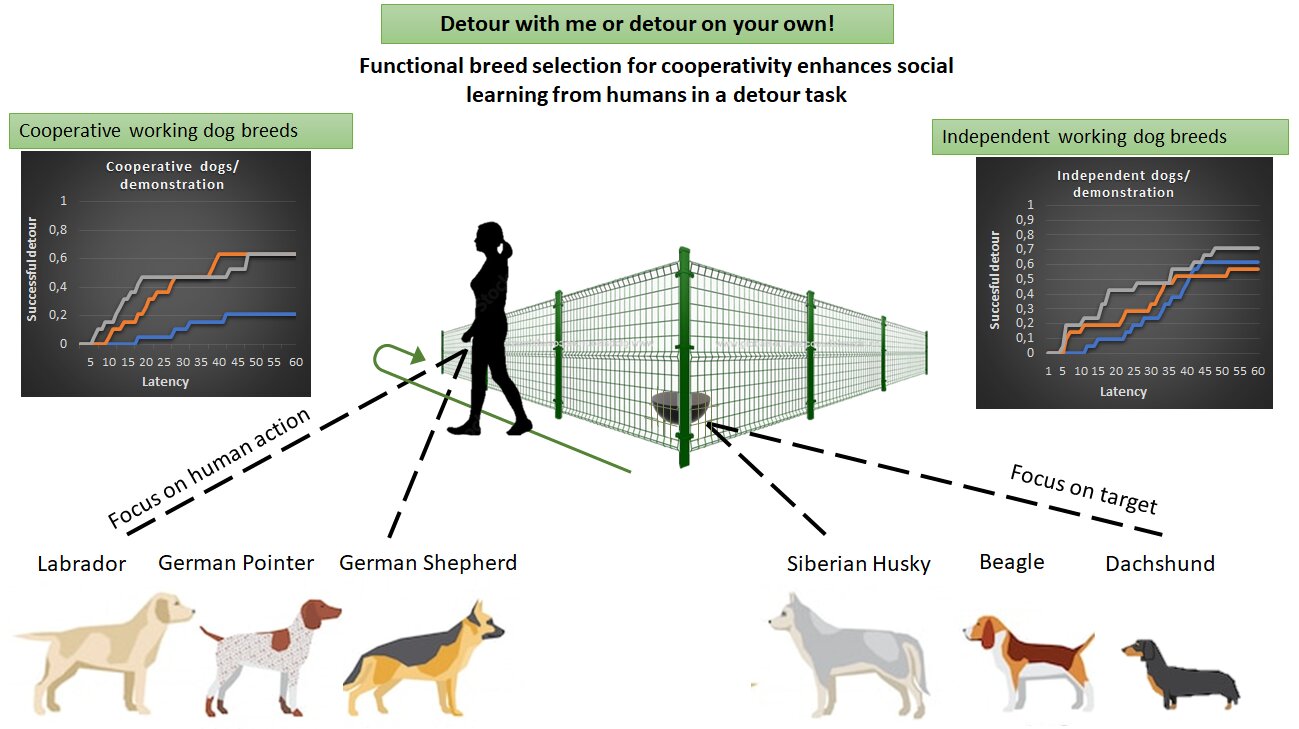
Canines possess remarkable social-cognitive skills that allow them to interpret human communicative gestures, such as pointing and gaze direction, more effectively than many other domestic species. — American Kennel Club
Pet Care & Wellness Overview Table
| Life Stage | Daily Activity Level | Key Nutrition / Care Focus |
|---|---|---|
| Puppy / Kitten | High (frequent short bursts) | High-protein growth diet & early socialization |
| Adult Companion | Moderate (30–60 mins daily) | Balanced maintenance nutrition & dental hygiene |
| Senior Pets | Low to Gentle (mindful walks) | Joint support (Glucosamine) & routine vet checks |
Images References






Individual Variability Across Breeds and Lifestages
Inherited predispositions, developmental age, and individual temperament heavily influence how specific canines respond to environmental stimuli and training approaches. While broader breed traits categorized within resources on Dog Breeds offer general insight into historical working purposes, every animal possesses a unique personality shaped by early socialization and life experiences. Working groups often display high drive and problem-solving needs, whereas companion lines may prioritize close human attachment. Recognizing these individual differences prevents unrealistic expectations and allows caretakers to tailor enrichment strategies to match the specific physical and mental requirements of each unique animal.
When to Consult a Veterinary Professional or Behaviorist
Sudden shifts in conduct, persistent fearfulness, separation-related distress, or any manifestation of unprovoked aggression necessitate prompt evaluation by a qualified professional. A comprehensive physical examination by a veterinarian is always the necessary first step to rule out underlying medical issues, chronic pain, or neurological disorders that frequently manifest as behavioral concerns. For complex, deep-seated emotional challenges, seeking guidance from a board-certified veterinary behaviorist or a qualified professional certified in humane, fear-free methodology ensures that the household receives safe, scientifically sound intervention tailored to the specific situation.
Closing Insights on Canine Science
Embracing scientific insights into canine conduct elevates the standard of daily life for pets and their human families alike. By prioritizing patience, empathy, and evidence-informed strategies, households can foster environments where animals thrive mentally and physically. For further guidance on nurturing a well-adjusted companion, explore additional resources across Dog Behavior and visit PetsAnimalsWorld.com to support a fulfilling, healthy journey for every four-legged family member.




