
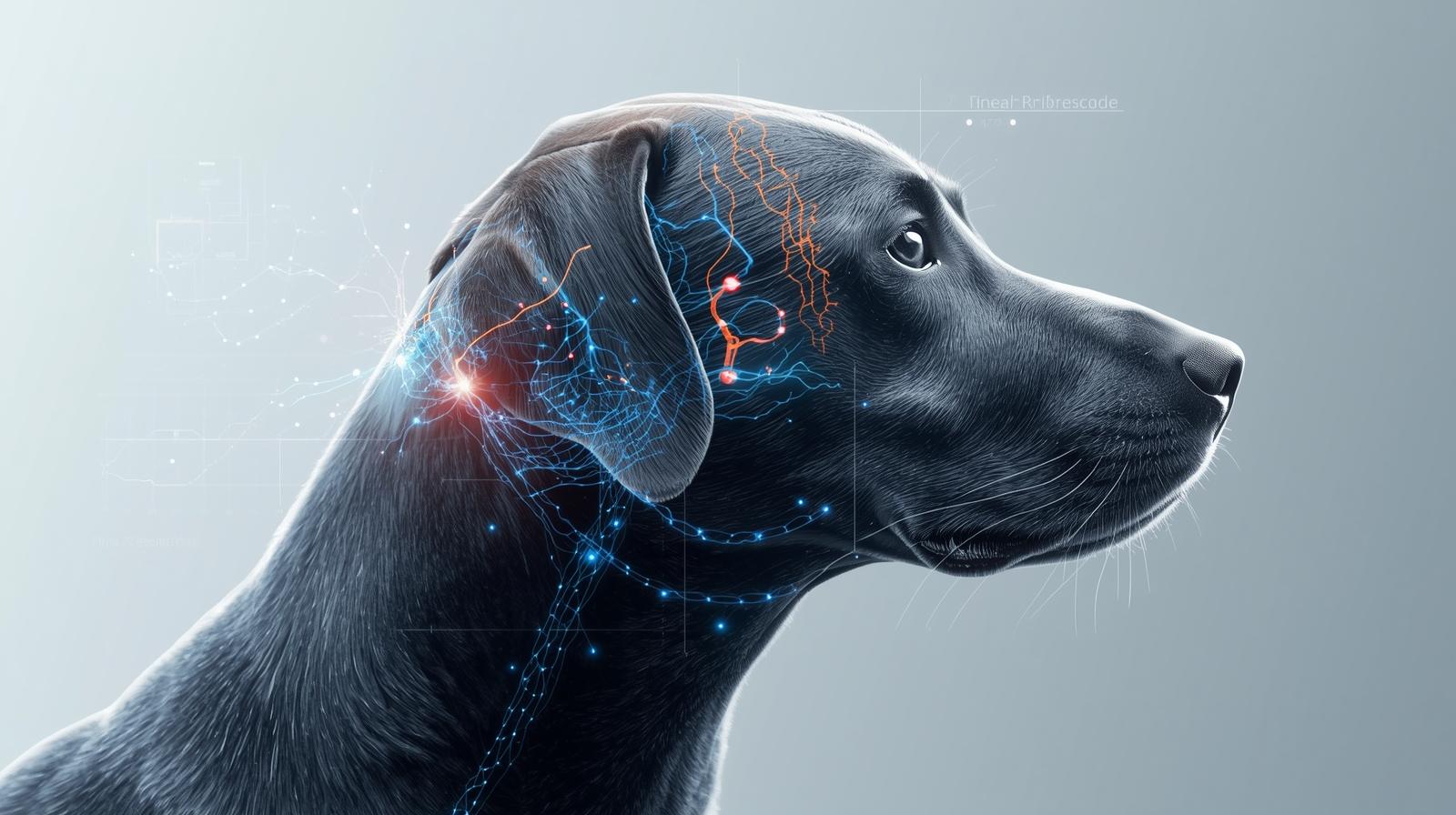
Decoding the Complex World of Canine Conduct
Understanding why domestic dogs act the way they do remains a central focus for modern animal behaviorists and pet guardians alike. According to the American Society for Prevention of Cruelty to Animals, behavioral issues are among the primary reasons owners seek guidance or, tragically, relinquish companion animals to shelters. Unraveling the motivations behind barking, chewing, or social hesitation requires looking beyond simple obedience and examining the underlying mental processes driving every action. Observing a canine companion tilt its head or pace near a doorway offers a small window into a rich, cognitively active internal life. Translating those everyday observations into meaningful insights transforms daily routines into opportunities for deeper connection and mutual trust. Explore more in our Dog Behavior collection.
💡 Pet Care Key Takeaways:
- Core Focus: Practical health, nutrition, and wellness guidelines for Dog Behavior Science.
- Target Scope: Pet owners, animal caregivers, and veterinary support staff.
- Best Recommendation: Maintain consistent daily routines and consult an accredited veterinarian before introducing major diet or medical changes.
The Empirical Framework of Canine Conduct
Dog behavior science combines ethology, psychology, and physiology to study how animals interact with their environment and communicate with humans. Ethology is the scientific study of animal behavior under natural conditions, emphasizing innate instincts alongside learned adaptations. Rather than viewing actions as willful stubbornness or spite, behavioral science interprets them through operant conditioning, classical conditioning, and developmental biology. For instance, operant conditioning explains how consequences shape future actions—when a behavior results in a rewarding outcome, the frequency of that action increases. Classical conditioning involves learning through association, such as a dog recognizing the jingle of car keys as a predictor of a trip to the park. Recognizing these psychological mechanisms allows observers to approach canine actions with curiosity rather than frustration.
The Intersection of Mental Well-Being and Physical Health
Behavioral expressions frequently serve as the primary indicator of physical health or internal distress in domestic animals. Pain, sensory decline, or underlying medical conditions often manifest as sudden shifts in demeanor, reluctance to engage, or defensive reactions. When a previously calm animal exhibits sudden reactivity or withdrawal, a thorough veterinary examination is essential to rule out discomfort or illness. Emotional well-being relies heavily on mental stimulation, physical enrichment, and predictable daily routines. Neglecting psychological needs can lead to chronic stress, which compromises immune function and diminishes overall quality of life.
Behavioral changes are frequently the earliest observable signs of underlying medical discomfort or chronic pain in domestic dogs. — American Animal Hospital Association
Applying Humane, Evidence-Informed Management Principles
Addressing canine conduct effectively relies on positive reinforcement, environmental management, and proactive socialization rather than punitive measures. Positive reinforcement involves rewarding desired responses with treats, praise, or play, thereby strengthening the neural pathways associated with those actions. Management involves altering the environment to prevent unwanted rehearsal of habits, such as keeping food items off counters or using baby gates to restrict access to trigger zones. Socialization, particularly during early developmental windows, exposes young dogs to novel sights, sounds, and social partners in a safe, controlled manner, fostering resilience and adaptability. Consistent, clear communication builds a predictable environment where animals feel secure and understood.
Best Practices and Common Pitfalls in Behavioral Guidance
Avoiding intimidation-based, dominance-oriented techniques is paramount, as fear and coercion escalate anxiety and can provoke defensive aggression. Timing is another critical factor; rewards or corrections must occur within seconds of the behavior to establish a clear cognitive link for the animal. Many guardians inadvertently reinforce undesirable habits by providing attention—such as yelling or petting—when a dog jumps up or whines. Consistency among all household members ensures the animal receives clear signals rather than mixed messages that cause confusion. Prioritizing patience and emotional regulation during interactions sets a calm tone that helps settle an over-aroused dog.
Punishment-based training methods increase stress hormone levels and heighten the risk of defensive aggression in companion animals. — Journal of Veterinary Behavior
Pet Care & Wellness Overview Table
| Life Stage | Daily Activity Level | Key Nutrition / Care Focus |
|---|---|---|
| Puppy / Kitten | High (frequent short bursts) | High-protein growth diet & early socialization |
| Adult Companion | Moderate (30–60 mins daily) | Balanced maintenance nutrition & dental hygiene |
| Senior Pets | Low to Gentle (mindful walks) | Joint support (Glucosamine) & routine vet checks |
Images References





Breed Heritage, Age, and Individual Temperament Considerations
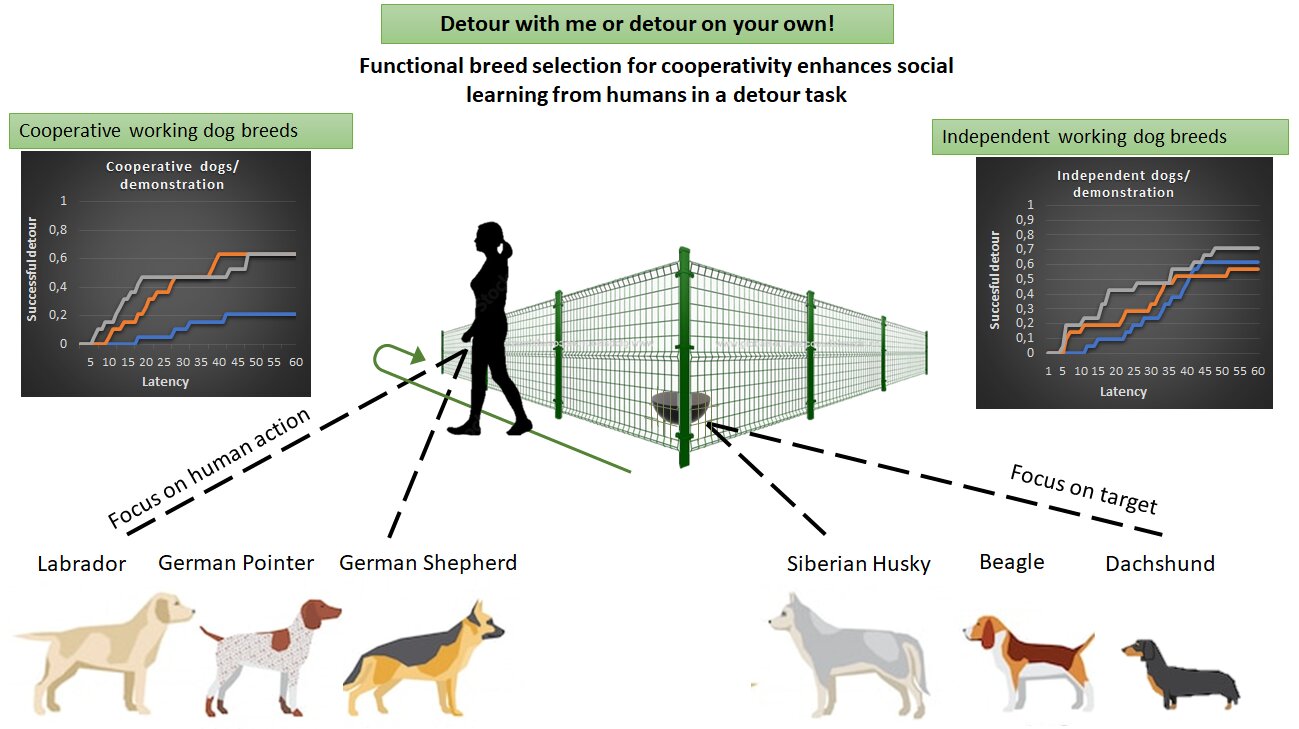
Genetic predisposition, life stage, and individual personality heavily influence how a dog perceives and reacts to the surrounding world. Herding breeds, sporting dogs, and guardian types possess distinct functional traits shaped by generations of selective breeding, influencing their tendencies toward movement tracking, object retrieval, or territorial alertness. Puppies navigate the world with high exploratory drive and developing impulse control, while senior dogs may experience cognitive dysfunction syndrome or sensory changes that alter their daily interactions. Acknowledging these biological variables prevents unrealistic expectations and guides the implementation of tailored care strategies suited to Dog Breeds of all types.
Recognizing When to Consult Veterinary and Behavioral Specialists
Persistent fear, separation distress, sudden behavioral shifts, or any form of aggression warrant professional guidance from qualified experts. A primary veterinarian should always be the first point of contact to evaluate potential medical contributors to the observed changes. For complex behavioral challenges, partnering with a board-certified veterinary behaviorist or a certified professional dog trainer utilizing humane, science-based methods ensures safe, effective intervention. Addressing issues early prevents them from escalating and protects the safety and well-being of both the animal and the household.
Building Lifelong Harmony Through Scientific Understanding
Deepening knowledge of canine conduct enriches the shared human-animal bond and supports optimal Dog Health across all life stages. By viewing companion animals through an objective, compassionate, and scientifically informed lens, guardians can navigate challenges with confidence and empathy. Exploring educational resources on Dog Training and Dog Care provides further tools for nurturing a balanced, fulfilling life. Visit PetsAnimalsWorld.com to discover more guides dedicated to responsible pet guardianship and animal wellness.




