
Understanding the Dangerous Shifts in Dog Behavior Associated with Rabies
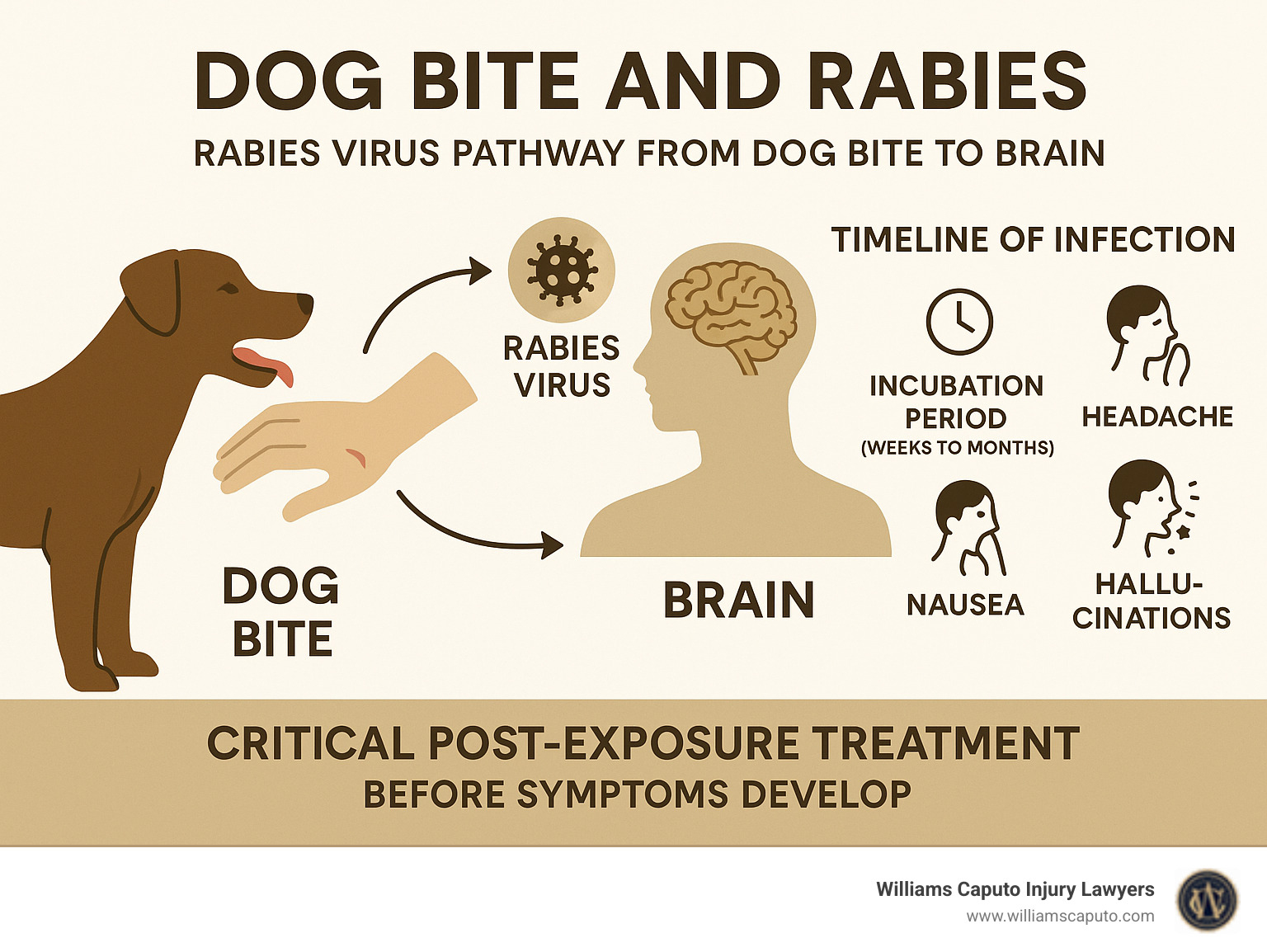
Rabies remains one of the most feared zoonotic diseases globally, altering not only the physiological health of an infected animal but also fundamentally changing typical temperament and neurological function. According to the World Health Organization, domestic dogs are the main source of human rabies deaths, accounting for up to 99% of all human rabies transmissions globally. Recognizing how the virus impacts neurological pathways helps communities stay safe and ensures that domestic canines receive proper preventative care. Explore more in our Dog Behavior collection.
💡 Pet Care Key Takeaways:
- Core Focus: Practical health, nutrition, and wellness guidelines for Dog Behavior Rabies.
- Target Scope: Pet owners, animal caregivers, and veterinary support staff.
- Best Recommendation: Maintain consistent daily routines and consult an accredited veterinarian before introducing major diet or medical changes.
Recognizing the Core Alterations in Dog Behavior Rabies Cases
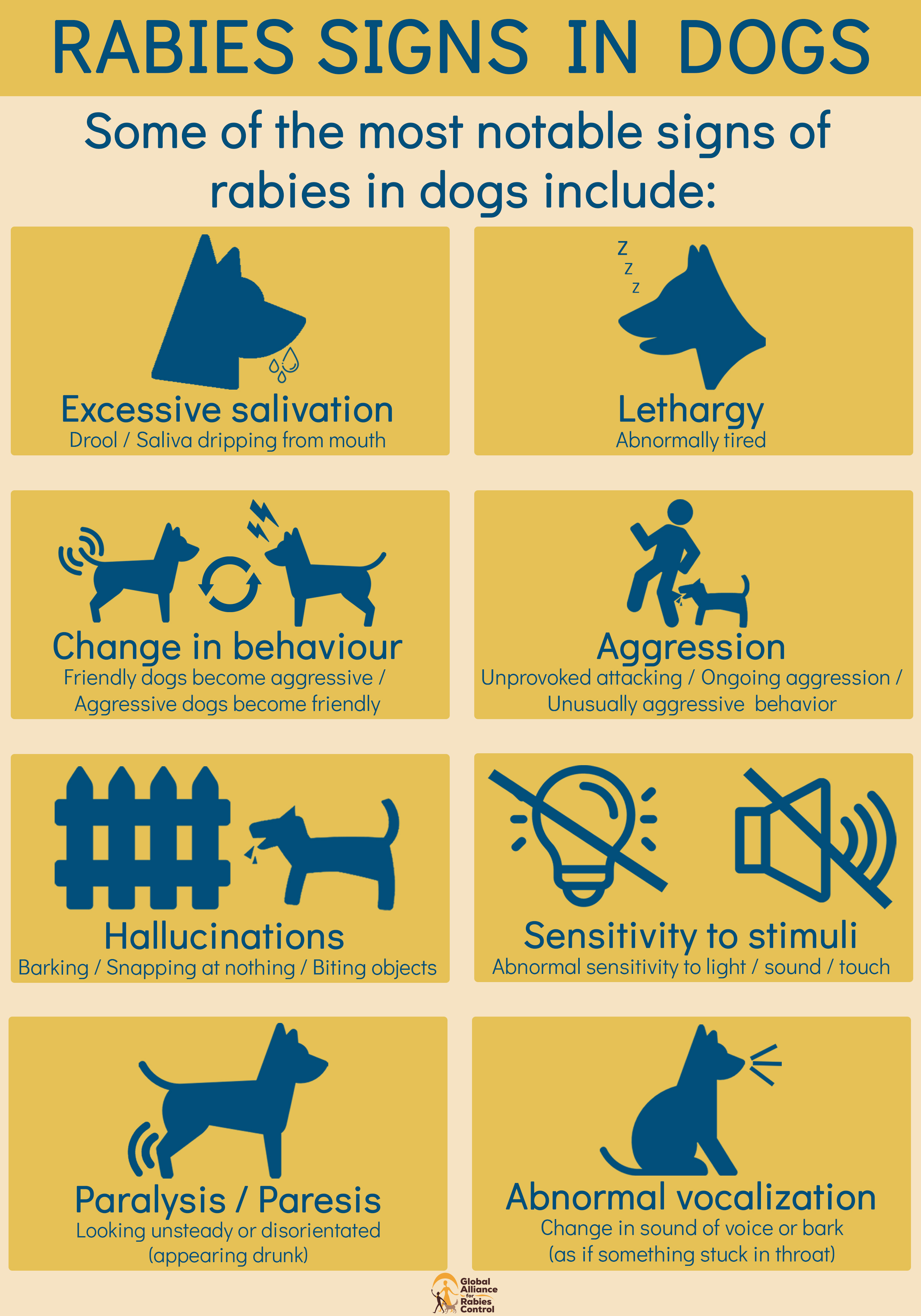
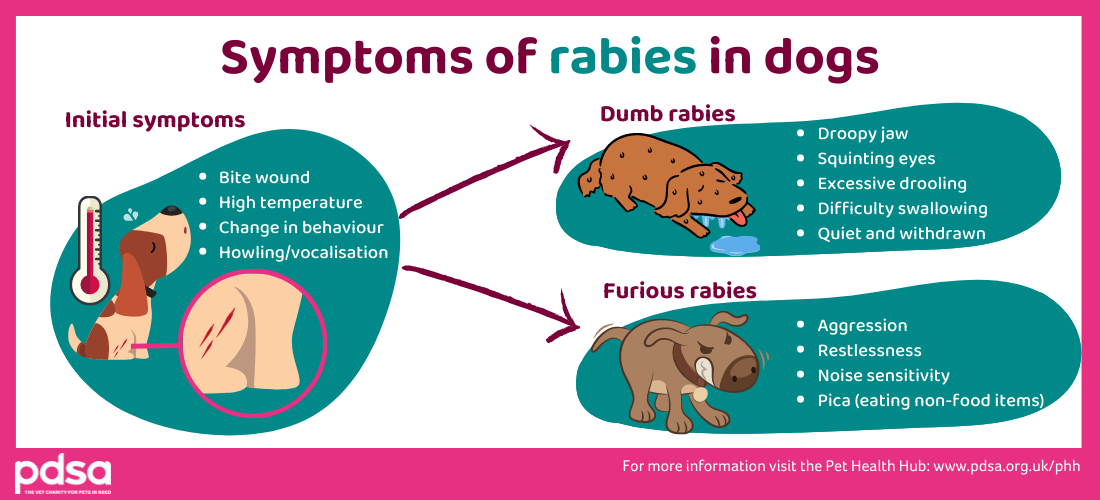
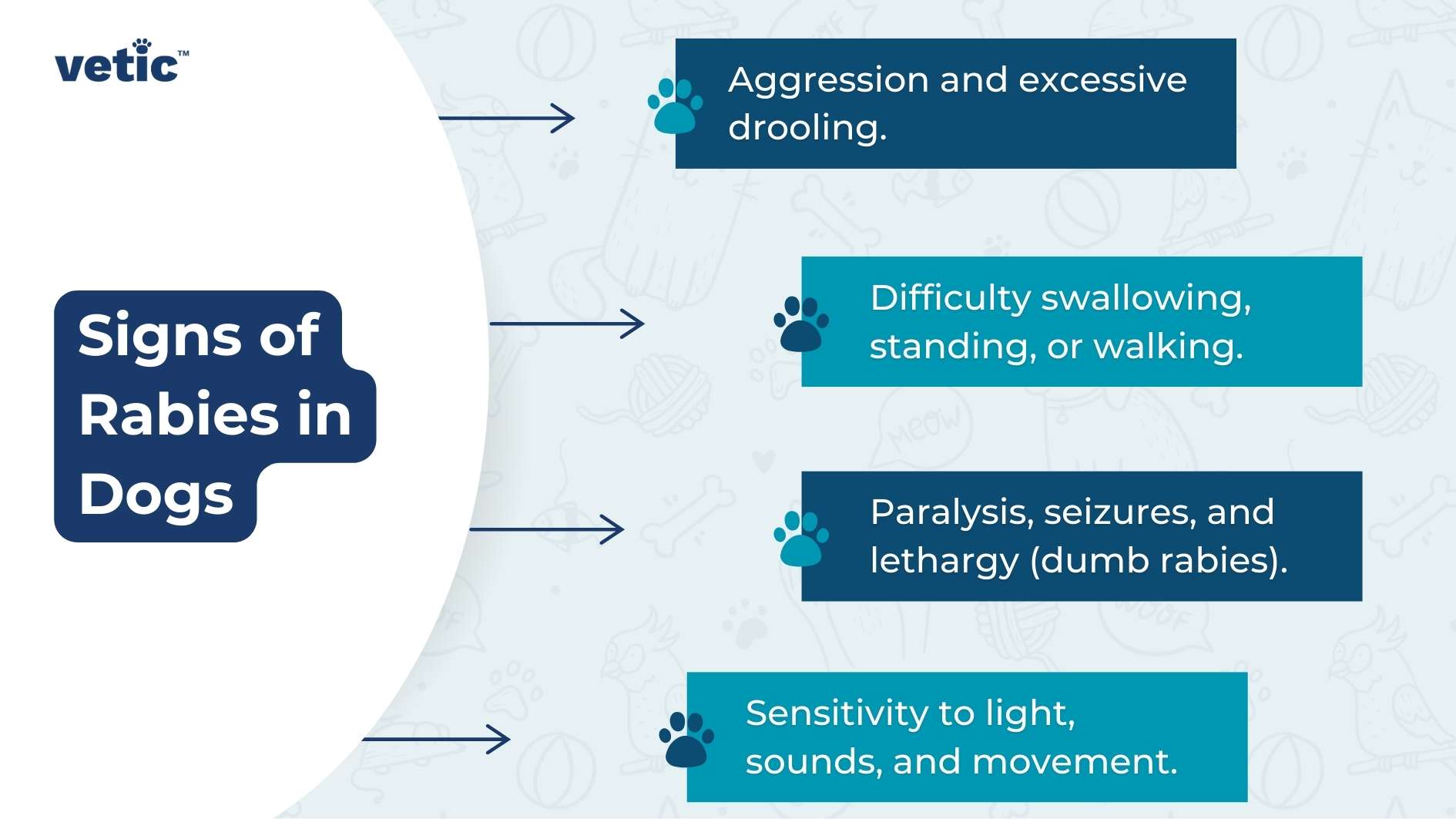
Rabies is a viral zoonosis, meaning it can be transmitted from animals to humans, primarily attacking the central nervous system and triggering profound psychological and behavioral shifts. As the virus progresses through neural pathways to the brain, infected canines typically display one of two primary forms: furious rabies or paralytic rabies. Furious rabies involves extreme agitation, unprovoked aggression, howling, biting at imaginary objects, and a severe loss of natural fear toward humans or other animals. Paralytic rabies, conversely, manifests as lethargy, weakness, and eventual paralysis starting near the site of the bite before spreading throughout the body. For more related activities, check out our Xolo Dog Behavior.
Neurological Progression and Environmental Triggers
The behavioral transformation during a rabies infection is driven by encephalitis, which is inflammation of the active brain tissues that disrupts normal cognitive processing, sensory perception, and impulse control. Ordinary environmental stimuli that previously caused calm curiosity or mild indifference can suddenly provoke intense panic or extreme hostility. Canines experiencing these neurological changes lose the capacity for habituation and associative learning, reacting purely out of erratic instinct and neurological misfires.
The rabies virus travels through peripheral nerves toward the central nervous system, where it causes acute inflammation of the brain before shedding into the salivary glands. — World Health Organization
Identifying Suspicious Signs and Managing Potential Exposure Risks
Managing suspected rabies exposure requires strict adherence to public health protocols and immediate separation of any animal displaying erratic neurological symptoms. Because the virus can be shed in saliva before clinical signs become fully apparent, any sudden, inexplicable shift from a friendly demeanor to intense viciousness, coupled with physical symptoms like excessive drooling or difficulty swallowing, must be treated as an extreme emergency. Human safety requires avoiding direct contact with unfamiliar, stray, or wild mammals exhibiting abnormal actions, such as nocturnal animals wandering in broad daylight or animals showing uncharacteristic tameness.
Critical Precautions and Common Misconceptions Regarding Suspected Cases
Preventing tragic outcomes relies heavily on proactive vaccination and avoiding dangerous interactions with wildlife known to carry the virus, such as bats, raccoons, skunks, and foxes. A common misconception is that a rabid dog will always foam at the mouth; while excessive salivation occurs due to paralysis of the throat muscles, many infected animals display silent or primarily paralytic symptoms without prominent foaming. Furthermore, pet owners must never attempt to handle, feed, or quarantine a potentially infected wild animal independently.
Routine vaccination of domestic dogs is the most cost-effective strategy for preventing rabies deaths and protecting human populations from exposure. — Centers for Disease Control and Prevention
Pet Care & Wellness Overview Table
| Life Stage | Daily Activity Level | Key Nutrition / Care Focus |
|---|---|---|
| Puppy / Kitten | High (frequent short bursts) | High-protein growth diet & early socialization |
| Adult Companion | Moderate (30–60 mins daily) | Balanced maintenance nutrition & dental hygiene |
| Senior Pets | Low to Gentle (mindful walks) | Joint support (Glucosamine) & routine vet checks |
Images References




Breed, Age, and Individual Vulnerability Factors
While the rabies virus does not discriminate based on breed, size, or age, a dog’s lifestyle and geographic location heavily influence overall exposure risk. Free-roaming dogs, hunting breeds with high prey drives, and pets lacking up-to-date vaccinations face significantly higher probabilities of wildlife encounters. Puppies and senior dogs might exhibit faster disease progression due to developing or compromised immune systems, though the neurotropic nature of the virus ensures that any unvaccinated canine is equally vulnerable once infected.
When to Consult a Veterinarian or Public Health Official
Any suspected case of rabies or an unexplained bite incident involving a potentially infected mammal requires immediate notification of local animal control, public health authorities, and emergency veterinary professionals. Do not attempt to diagnose or manage a potentially rabid dog at home, as the disease is invariably fatal once clinical symptoms appear and poses an immediate threat to human life. For routine preventative medicine, scheduling regular wellness exams ensures that core vaccinations, including the rabies shot, remain current according to regional legal mandates and veterinary guidelines.
Ensuring Lifelong Safety Through Prevention and Education
Safeguarding communities and household pets from viral threats requires consistent vigilance, responsible pet ownership, and strict adherence to local vaccination laws. Exploring comprehensive resources on Dog Health and Dog Care can help owners maintain optimal wellness standards. To discover more expert guides and educational materials, visit PetsAnimalsWorld.com today.




