
Understanding the Shifts in Dog Behavior When Pregnant
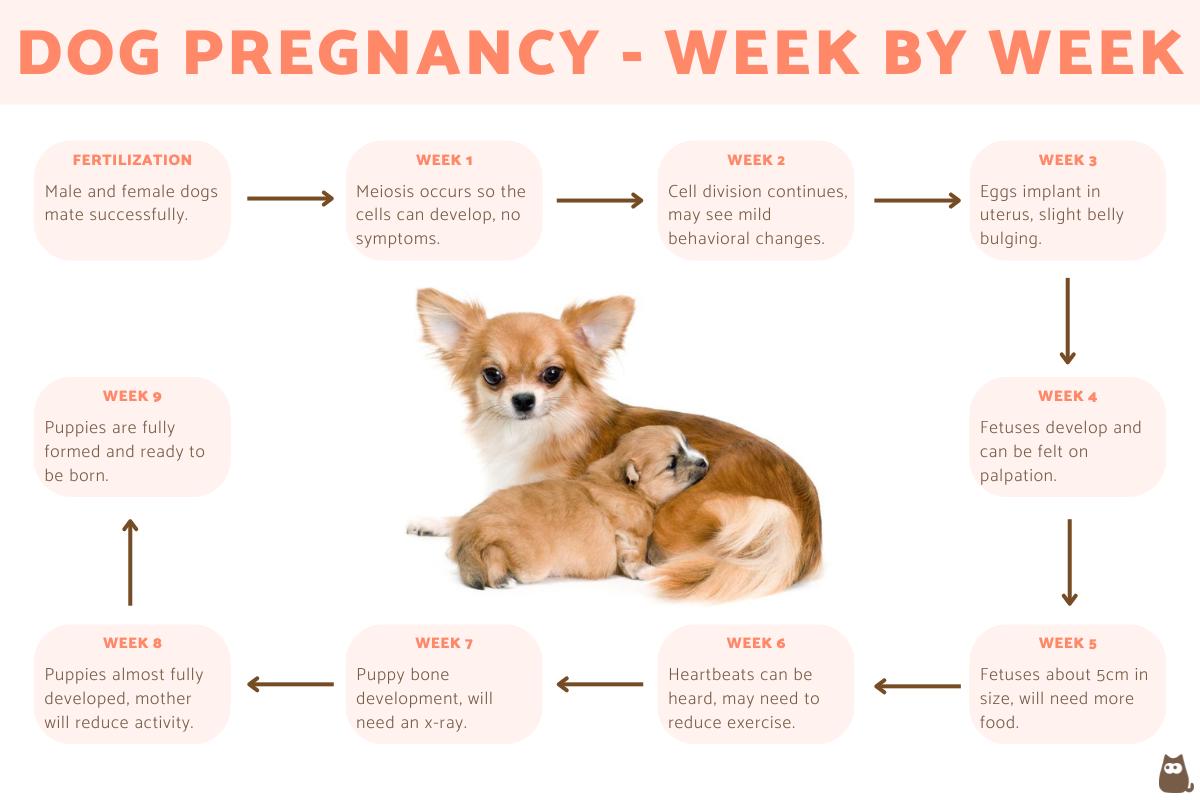
Recognizing the distinct shifts in dog behavior when pregnant allows caretakers to provide appropriate support during a physically demanding life stage. According to the American Kennel Club, canine gestation lasts approximately nine weeks, during which hormonal fluctuations directly influence daily routines, emotional responses, and physical comfort. Careful observation helps distinguish normal physiological adaptations from signs that require veterinary intervention. Monitoring these transformations ensures optimal maternal wellness throughout the entire gestation period.
💡 Pet Care Key Takeaways:
- Core Focus: Practical health, nutrition, and wellness guidelines for Dog Behavior When Pregnant.
- Target Scope: Pet owners, animal caregivers, and veterinary support staff.
- Best Recommendation: Maintain consistent daily routines and consult an accredited veterinarian before introducing major diet or medical changes.
Defining Canine Gestation and Behavioral Signifiers
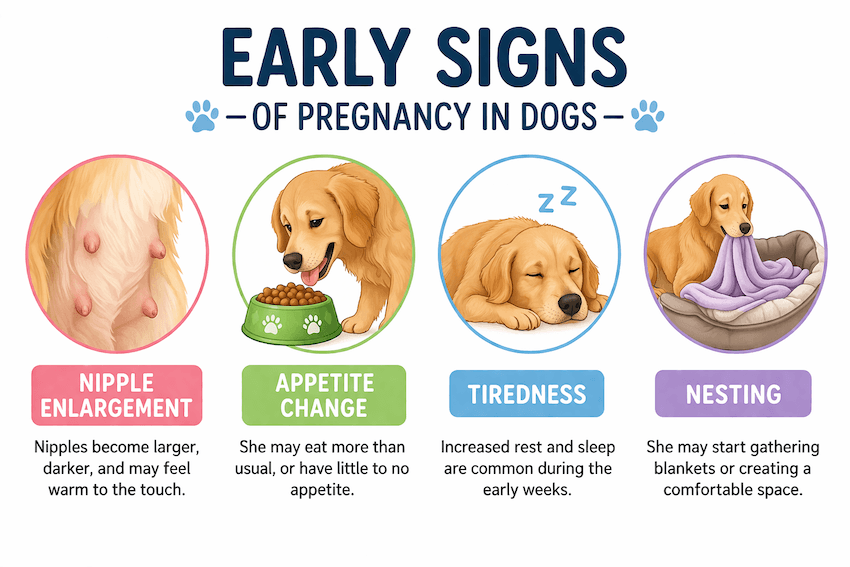
Dog behavior when pregnant encompasses a broad spectrum of physical and psychological changes driven by progesterone and relaxin. Progesterone maintains the pregnancy by supporting the uterine lining, while relaxin prepares the pelvic ligaments for birth, both of which heavily influence mood and energy levels. During the initial weeks, subtle fatigue or increased affection may appear. As pregnancy progresses into the second and third trimesters, nesting instincts emerge alongside protective tendencies regarding territory and resources. These shifts represent natural biological programming designed to secure a safe environment for the upcoming litter.
Physical Impacts and Environmental Adjustments
Physiological changes during gestation directly affect mobility, metabolic needs, and daily interactions within the household. Expanding nutritional requirements demand careful dietary adjustments, typically transitioning to nutrient-dense formulas endorsed by organizations like the Association of American Feed Control Officials to support fetal development. Concurrently, heavy physical alterations restrict rigorous exercise, necessitating gentle leash walks and quiet mental stimulation instead of high-impact games. Providing a calm, predictable environment minimizes cortisol spikes, protecting both the expectant mother and the developing puppies from chronic stress.
Canine gestation typically spans between 58 and 68 days from ovulation, requiring careful tracking of dietary and environmental needs throughout each trimester. — American Kennel Club
Managing Maternal Wellness and Routine Care
Managing dog behavior when pregnant involves establishing calm routines that respect the changing physical limitations of the canine. Caretakers should create secure, quiet whelping areas early in the pregnancy so the animal can acclimate to the space before labor begins. For more guidance on establishing proper living conditions, exploring resources on Dog Care can offer helpful perspectives. Keeping interactions gentle and avoiding forced social pressure prevents undue anxiety during vulnerable hormonal phases.
Best Practices and Common Mistakes to Avoid
Supporting an expectant dog requires balanced oversight, avoiding both excessive interference and total neglect of subtle health indicators. One common mistake involves sudden dietary over-supplementation, which can disrupt calcium balances and lead to dangerous metabolic conditions such as eclampsia. Instead, adhere strictly to veterinary-approved nutrition guidelines suited for pregnancy. Furthermore, harsh discipline or punishment should never be used to address protective aggression or resource guarding; such punitive methods escalate fear and compromise emotional security. Reviewing insights from Dog Training highlights why positive, low-stress management remains vital during sensitive life stages.
Proper nutritional management during the final trimester is critical to prevent dangerous metabolic imbalances like hypocalcemia during or after labor. — American Veterinary Medical Association
Pet Care & Wellness Overview Table
| Life Stage | Daily Activity Level | Key Nutrition / Care Focus |
|---|---|---|
| Puppy / Kitten | High (frequent short bursts) | High-protein growth diet & early socialization |
| Adult Companion | Moderate (30–60 mins daily) | Balanced maintenance nutrition & dental hygiene |
| Senior Pets | Low to Gentle (mindful walks) | Joint support (Glucosamine) & routine vet checks |
Images References






Breed Variations and Individual Temperament Factors
Individual reactions to pregnancy vary significantly based on breed genetics, previous reproductive history, and baseline temperament. Working or guarding breeds may exhibit intense territorial displays much earlier in gestation due to heightened protective instincts. Conversely, companion breeds might seek continuous human physical contact, displaying clingy tendencies as discomfort sets in. Understanding these breed-specific inclinations ensures that caretakers tailor their approach to match the emotional profile of the individual dog. Delving into breed profiles via Dog Breeds helps contextualize normal temperamental baselines.
When to Consult a Veterinarian or Professional
Professional veterinary guidance remains essential throughout gestation to monitor fetal health and address unusual behavioral abnormalities. Any sudden lethargy, refusal to eat, abnormal vaginal discharge, or signs of intense pain warrant immediate clinical examination. For persistent behavioral issues involving severe anxiety or unprovoked aggression, consulting a certified veterinary behaviorist ensures safe, science-based interventions. Regular veterinary check-ups safeguard the health of the mother and litter, providing peace of mind through every stage of pregnancy.
Supporting Maternal Health and Wellness Resources
Navigating canine pregnancy successfully relies on informed observation, balanced nutrition, and compassionate environmental management. Maintaining close collaboration with a licensed veterinarian ensures that any physical or psychological shifts remain within safe parameters. To explore further educational materials on canine health, behavior, and wellness, visit PetsAnimalsWorld.com today. Additional information regarding physiological health can also be found across specialized guides dedicated to Dog Health.




