
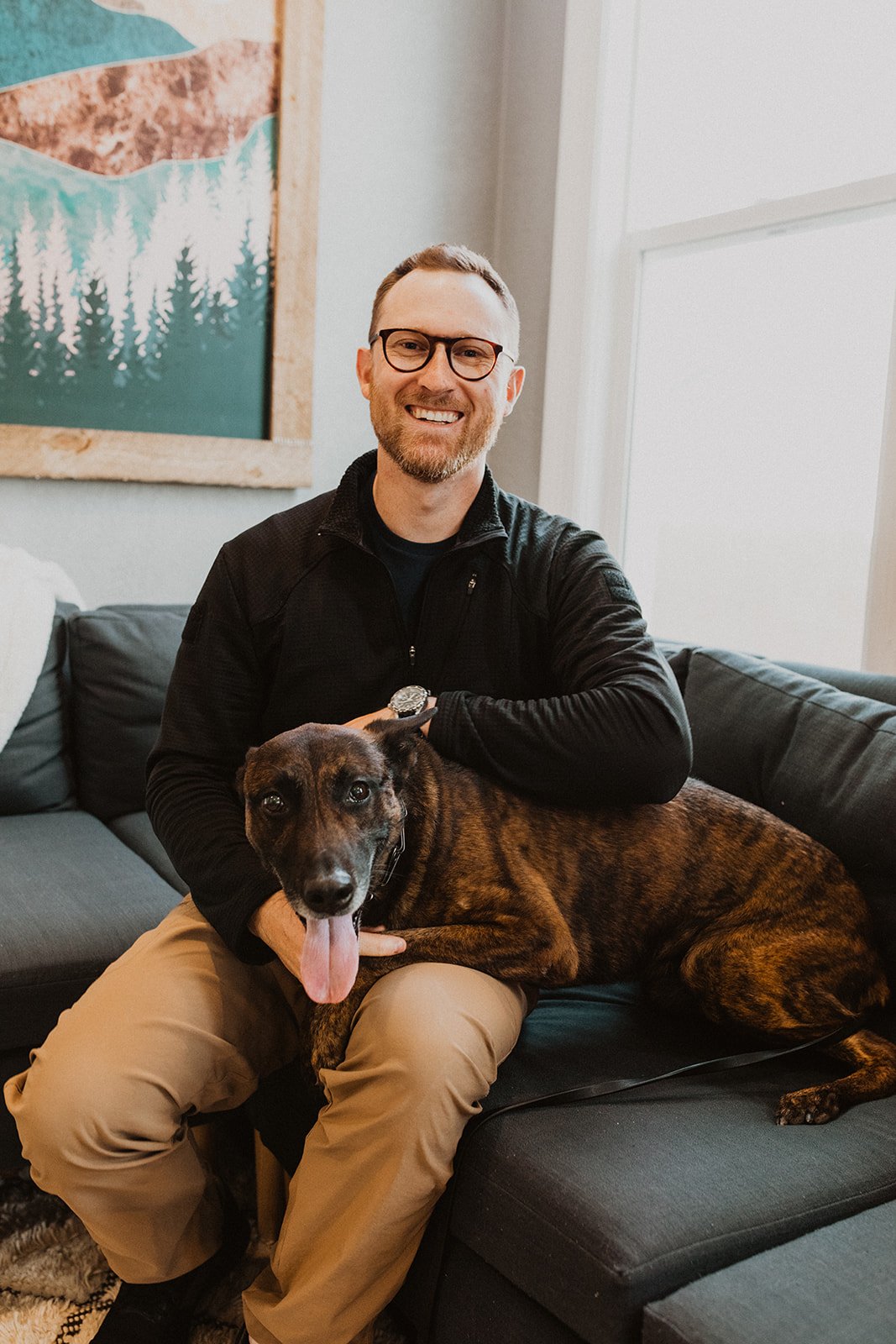
According to the American Veterinary Medical Association, behavioral issues represent a primary factor influencing the lifelong bond between human families and domestic companion animals. Within urban and suburban environments like the Front Range, domestic canines often navigate dynamic landscapes filled with crowded parks, bustling multi-use trails, and unpredictable weather patterns. These environmental complexities can sometimes trigger intense stress responses, leash reactivity, or separation distress in sensitive pets. Understanding the underlying mechanisms of domestic animal psychology helps owners provide the structured guidance necessary for optimal emotional wellness.
💡 Pet Care Key Takeaways:
- Core Focus: Practical health, nutrition, and wellness guidelines for Dog Behaviorist Denver.
- Target Scope: Pet owners, animal caregivers, and veterinary support staff.
- Best Recommendation: Maintain consistent daily routines and consult an accredited veterinarian before introducing major diet or medical changes.
Addressing these complex psychological patterns requires specialized expertise that extends far beyond basic obedience instruction. Seeking out a qualified dog behaviorist in Denver offers residents access to professionals who evaluate the root causes of canine distress rather than merely suppressing surface-level symptoms. Modern behavior consulting relies on peer-reviewed scientific literature, emphasizing humane modification methods that protect the physical and mental wellbeing of the animal. Recognizing when everyday training methods fall short marks an essential step toward restoring peace within the multi-species household.
Understanding Canine Behavioral Consulting and Modification
Professional canine behavior consulting involves the scientific study and modification of domestic animal actions through evidence-based learning theory and ethology. Ethology, the scientific study of animal behavior under natural conditions, helps specialists interpret subtle body language signals such as lip licking, whale eyes, or postural tension before conflicts escalate. Unlike traditional obedience instructors who focus primarily on command compliance, certified behavior specialists typically hold advanced credentials like Certified Applied Animal Behaviorist or veterinary behaviorist designations. These practitioners analyze environmental triggers, physiological health factors, and emotional states to develop comprehensive, individualized intervention strategies.
The consultative process usually begins with a thorough medical exclusion ruling, as underlying pain or endocrine imbalances frequently manifest as sudden behavioral changes. Practitioners then observe the animal within its daily living environment, mapping out specific antecedents—the events or stimuli preceding a specific reaction—and consequences that inadvertently maintain unwanted patterns. By replacing fear-based or punitive strategies with positive reinforcement and systematic desensitization, practitioners help animals build positive emotional associations with previously frightening triggers. This structured approach fosters lasting psychological resilience without compromising trust between the animal and the caregiver.
Addressing Environmental Stressors and Physiological Well-Being
Environmental and physiological stressors significantly influence a companion animal’s capacity to regulate emotional responses in daily life. Urban settings present unique challenges, ranging from high-density housing acoustics to sudden elevation changes during outdoor excursions that can impact sensitive canines. Chronic exposure to these stressors elevates cortisol levels, often resulting in hypervigilance, destructive chewing, or generalized anxiety disorders. Ensuring adequate mental enrichment, predictable daily routines, and proper physical rest remains fundamental to maintaining neurological balance.
Environmental enrichment and structured mental stimulation significantly reduce stress-related behaviors in domestic canines. — American Veterinary Medical Association
Nutrition, sleep quality, and physical comfort also play foundational roles in canine behavioral health. Pain resulting from subclinical orthopedic conditions or dental disease frequently underlies sudden irritability or defensive displays. Comprehensive behavioral assessments therefore require close collaboration with primary care veterinarians to rule out or treat concurrent medical ailments. Integrating proper veterinary oversight with expert behavioral intervention ensures that physical healing and emotional rehabilitation progress simultaneously.
Implementing Humane Modification Strategies at Home
Successfully modifying chronic behavioral challenges demands consistency, patience, and strict adherence to reward-based learning protocols. Caregivers must learn to identify early signs of canine discomfort, allowing intervention before the animal reaches threshold—the point at which emotional arousal prevents rational processing. Management techniques, such as blocking visual access to street traffic through window films or utilizing secure baby gates, prevent the animal from repeatedly practicing undesirable habits while long-term learning takes place.
Counter-conditioning and desensitization serve as the primary pillars of modern humane modification. Counter-conditioning involves changing an animal’s emotional response to a stimulus by pairing that stimulus with something highly desirable, such as high-value food rewards. Desensitization involves gradual, low-intensity exposure to the trigger well below the animal’s reactive threshold, slowly increasing intensity over weeks or months. This systematic pacing ensures the animal remains calm and receptive throughout the learning sequence, building long-term confidence and emotional stability.
Best Practices and Common Pitfalls in Behavior Modification
Avoiding outdated dominance-based theories and aversive tools remains essential for protecting animal welfare during the behavior modification process. Punitive measures, including shock collars, prong collars, or physical reprimands, often exacerbate fear and aggression by associating the handler or the environment with pain and terror. Furthermore, inconsistent execution of training protocols frequently stalls progress, confusing the animal and reinforcing unwanted habits.
Establishing clear communication channels and predictable boundaries creates a secure learning environment for companion animals. Caregivers should focus on reinforcing desired alternatives rather than simply reacting to mistakes, ensuring the animal understands what to do instead of what to avoid. Utilizing structured schedules for feeding, resting, and interactive play supports overall emotional regulation and strengthens the human-animal bond.
Positive reinforcement training methods build stronger human-animal bonds and yield more reliable, long-term behavioral outcomes than aversive techniques. — American Animal Hospital Association
Pet Care & Wellness Overview Table
| Life Stage | Daily Activity Level | Key Nutrition / Care Focus |
|---|---|---|
| Puppy / Kitten | High (frequent short bursts) | High-protein growth diet & early socialization |
| Adult Companion | Moderate (30–60 mins daily) | Balanced maintenance nutrition & dental hygiene |
| Senior Pets | Low to Gentle (mindful walks) | Joint support (Glucosamine) & routine vet checks |
Images References


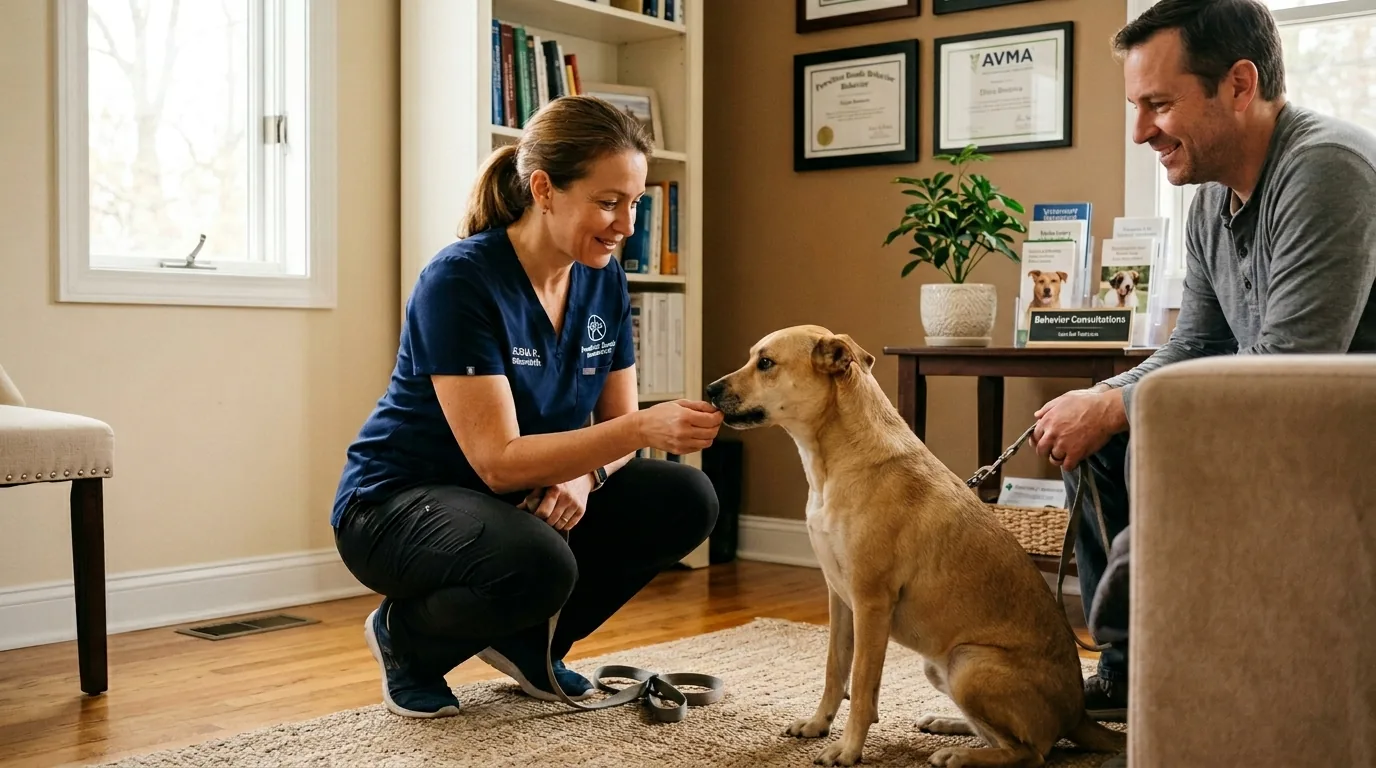




Exploring educational resources through dedicated portals like Dog Training can help owners refine their technical understanding. Additionally, reviewing materials found within Dog Behavior offers deeper insights into canine communication signals and emotional health.
Breed, Age, and Temperament Factors in Behavioral Interventions
Every individual animal possesses a unique genetic predisposition, developmental history, and temperament profile that shapes behavioral expression. Working or herding breeds, for instance, often retain intense motor patterns geared toward driving or guarding livestock, requiring specialized outlets to channel their innate drive constructively. Understanding these hereditary traits prevents unrealistic expectations and guides caregivers toward appropriate enrichment strategies tailored to the specific animal.
Age-related behavioral shifts also demand careful consideration throughout the lifespan of a companion animal. Adolescent animals frequently experience temporary regressions in impulse control due to hormonal fluctuations, whereas senior canines may experience cognitive decline similar to human dementia. Recognizing these developmental milestones allows practitioners to adjust behavior modification plans proactively, ensuring interventions remain appropriate for the animal’s current life stage and physical capabilities.
When to Consult a Veterinary Professional or Certified Behaviorist
Persistent fear, sudden aggression, severe separation anxiety, or self-injurious habits necessitate immediate professional intervention from qualified experts. Delaying treatment for entrenched behavioral concerns often allows neuropathways to solidify, making future rehabilitation significantly more challenging and prolonged. Caregivers should prioritize seeking licensed veterinary behaviorists or certified specialists who utilize humane, fear-free methodologies backed by contemporary scientific research.
When evaluating professional support, owners should verify credentials, professional organization memberships, and continuing education records to ensure high standards of practice. Collaborating with a knowledgeable Dog Health specialist alongside a certified behaviorist ensures that both the physical and psychological dimensions of the animal receive expert attention. Maintaining open communication across the care team supports safe, effective, and compassionate rehabilitation for every companion animal.
Building Lasting Harmony in the Household
Achieving long-term behavioral stability requires ongoing dedication, environmental management, and a deep respect for canine sentience. By combining professional behavioral guidance with informed daily care practices found in Dog Care, owners can cultivate a balanced, peaceful living environment. Exploring resources across PetsAnimalsWorld.com further equips pet families with reliable knowledge to support their animal companions through every stage of life.




