Understanding Modern Canine Behavior Tools and the Dog Care Edge Ultrasonic Dog Trainer
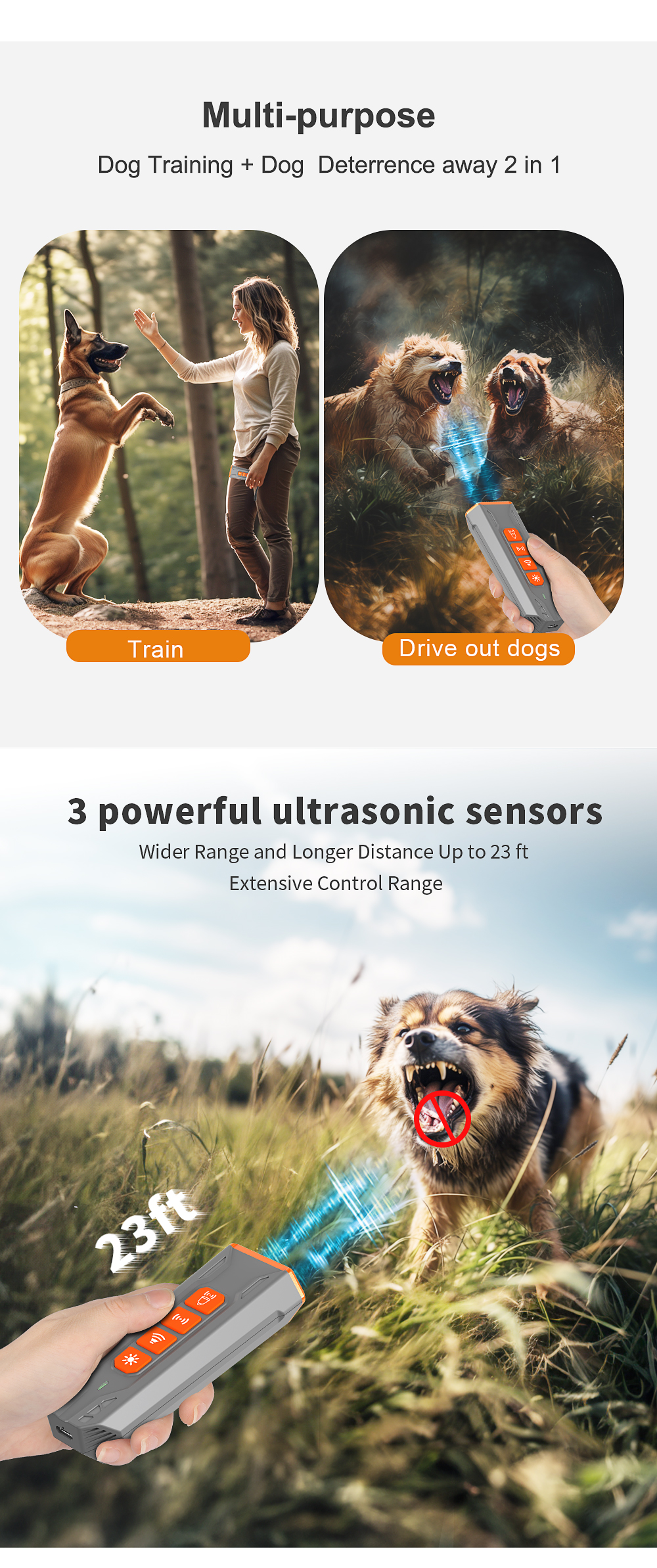
Managing canine behavior safely requires reliable methods that align with humane learning theory and modern Dog Training standards. According to the American Society for the Prevention of Cruelty to Animals, effective behavior modification relies heavily on clear communication and positive reinforcement rather than fear or intimidation. Many handlers seek supplementary tools to help manage barking, jumping, or boundary infractions during daily routines. One such device gaining attention in household management discussions is the dog care edge ultrasonic dog trainer, a handheld electronic apparatus designed to emit a high-frequency sound wave intended to capture a dog’s attention and interrupt unwanted actions without physical correction.
💡 Pet Care Key Takeaways:
- Core Focus: Practical health, nutrition, and wellness guidelines for Dog Care Edge Ultrasonic Dog Trainer.
- Target Scope: Pet owners, animal caregivers, and veterinary support staff.
- Best Recommendation: Maintain consistent daily routines and consult an accredited veterinarian before introducing major diet or medical changes.
Exploring the Mechanics of Ultrasonic Deterrents
An ultrasonic dog trainer is a portable electronic device that produces high-frequency sound waves typically ranging from twenty to thirty kilohertz, frequencies that generally lie beyond the range of comfortable human hearing but are easily perceived by dogs. When activated in the presence of a barking or distracted animal, the sound creates an audible stimulus designed to momentarily startle or distract the dog from its current behavior, redirecting its focus back toward the handler. These devices operate on the principle of auditory aversion, offering a non-contact alternative to traditional corrections like loud verbal reprimands or physical startling mechanisms.
Behavioral Impacts and Perceptual Considerations
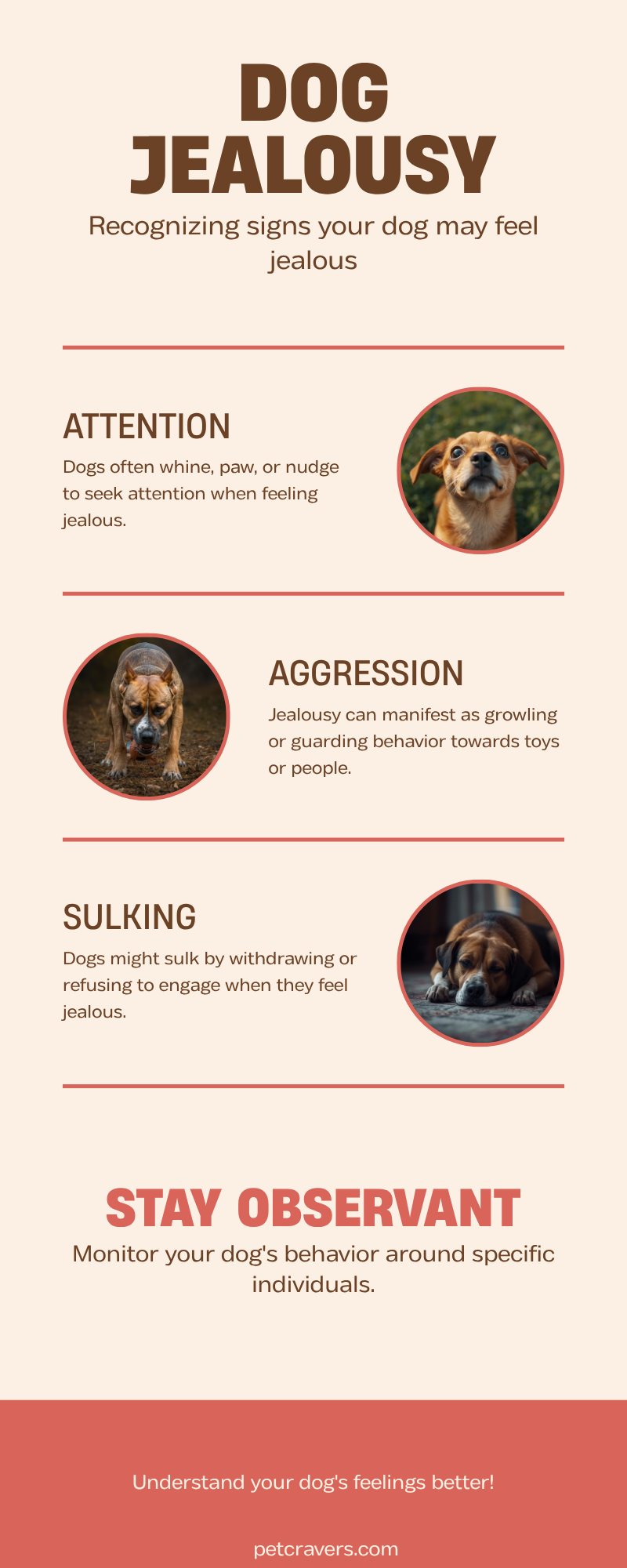
The implementation of high-frequency sound devices can produce varied behavioral outcomes depending on individual sensitivities, environmental stressors, and previous life experiences. While some dogs quickly associate the sound interruption with the cessation of an undesirable action, others may experience confusion, anxiety, or fear if the stimulus is applied inconsistently or too harshly. Sound-sensitive canines, in particular, may react with avoidance behaviors, trembling, or chronic stress responses when exposed to unfamiliar high-frequency noises. Ethical management demands careful evaluation of how a dog perceives these auditory cues during routine Dog Care.
Behavioral science emphasizes that aversive stimuli can inadvertently induce fear and anxiety in companion animals if misapplied during everyday management. — American Veterinary Medical Association
Implementing Auditory Management Tools Responsibly
Successful integration of an electronic interruption device requires precise timing, consistency, and a foundation of clear foundational cues. The device should serve solely as a temporary distraction mechanism to break a cycle of high arousal, immediately followed by redirection toward an alternative, incompatible behavior such as sitting or settling on a mat. Handlers must never use these tools in anger, as punitive deployment damages trust between the animal and the human caregiver. Furthermore, relying exclusively on an auditory deterrent without addressing the underlying emotional drivers of the behavior—such as boredom, territorial reactivity, or separation distress—rarely yields long-term success.
Best Practices and Common Pitfalls to Avoid
Maximizing utility while safeguarding animal welfare involves adhering to several essential guidelines and recognizing common operational mistakes. Avoid holding the activation button continuously for extended periods, as prolonged exposure can cause undue distress or sensory fatigue. Never direct the emitter toward a dog’s ears at close range, and refrain from using the device on puppies whose sensory systems are still developing. A major pitfall is treating the device as a substitute for active obedience work; tools should complement structured learning rather than replace foundational teaching. Maintaining patience ensures the environment remains calm and conducive to learning.
Consistent positive reinforcement paired with environmental management remains the cornerstone of lasting behavioral change in domestic dogs. — Association of Professional Dog Trainers
Pet Care & Wellness Overview Table
| Life Stage | Daily Activity Level | Key Nutrition / Care Focus |
|---|---|---|
| Puppy / Kitten | High (frequent short bursts) | High-protein growth diet & early socialization |
| Adult Companion | Moderate (30–60 mins daily) | Balanced maintenance nutrition & dental hygiene |
| Senior Pets | Low to Gentle (mindful walks) | Joint support (Glucosamine) & routine vet checks |
Images References






Individual Variations Across Breeds and Life Stages
Canine responses to high-frequency sound devices vary substantially based on breed characteristics, individual hearing acuity, age, and neurological development. Working terriers or hound breeds with intense prey drives may completely ignore the ultrasonic sound when fully engaged in a chase or scent trail. Conversely, sensitive herding breeds or dogs with noise phobias may exhibit an exaggerated startle response that exacerbates underlying anxiety disorders. Evaluating each animal’s unique temperament is essential before introducing any novel sensory stimulus into their daily routine, keeping broader Dog Behavior principles in mind.
Recognizing When Professional Intervention Becomes Necessary
Persistent behavior problems such as severe fear, generalized anxiety, human-directed aggression, or compulsive barking often require specialized professional assessment rather than over-the-counter gadgetry. When a dog displays intense reactivity that does not respond to standard management, consulting a certified professional dog trainer or a board-certified veterinary behaviorist is strongly recommended. These professionals conduct comprehensive evaluations to rule out underlying medical pain or neurological issues that frequently manifest as behavioral disturbances, ensuring the overall health and safety of the household.
Closing Guidance on Balanced Canine Management
Promoting a harmonious relationship with a canine companion requires thoughtful tool selection, unwavering patience, and a commitment to humane handling practices. While modern technology offers various aids to assist with daily management, true behavioral stability stems from clear communication, meeting physical and mental stimulation needs, and understanding individual canine psychology. Explore additional resources across Dog Health and related topics to support lifelong wellness. Visit PetsAnimalsWorld.com for further guidance on responsible pet companionship.