
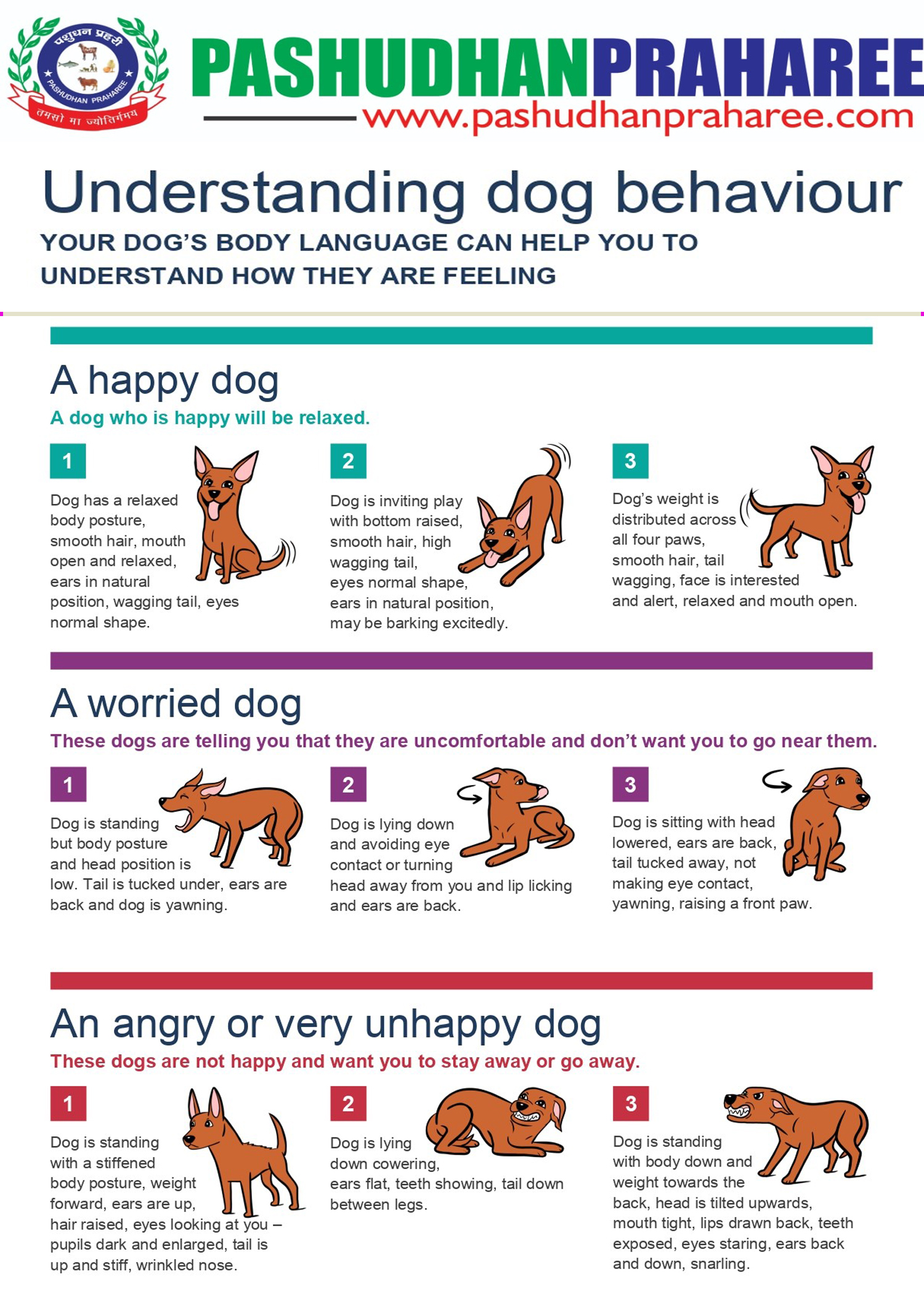
Understanding the Foundations of Canine Conduct
Addressing unwanted actions in canine companions requires a clear understanding of learning theory and animal psychology. According to the American Society for the Prevention of Cruelty to Animals, behavior modification relies heavily on changing the underlying emotional response to a trigger rather than merely suppressing surface actions. Domestic animals learn through continuous interactions with their environment, associating specific consequences with their choices. When households look into Dog Training strategies, shifting the focus from dominance-based control to clear communication yields far superior results. By exploring modern Dog Behavior science, owners can build a framework of trust and mutual understanding that transforms daily routines.
💡 Pet Care Key Takeaways:
- Core Focus: Practical health, nutrition, and wellness guidelines for How Do You Correct A Dog’S Behavior.
- Target Scope: Pet owners, animal caregivers, and veterinary support staff.
- Best Recommendation: Maintain consistent daily routines and consult an accredited veterinarian before introducing major diet or medical changes.
Defining Humane Behavioral Modification
Behavior modification encompasses systematic techniques designed to alter how a companion responds to specific environmental stimuli, social situations, or perceived threats. Rather than punishing an animal for natural instincts, effective guidance focuses on reinforcing incompatible actions and removing inadvertent rewards. Operant conditioning, which involves positive reinforcement and negative punishment—such as removing attention—forms the cornerstone of evidence-based intervention. A structured approach ensures the animal understands clear boundaries without experiencing unnecessary fear or confusion. Clear consistency across all household members prevents mixed signals and accelerates learning across multiple contexts.
The Impact of Environment and Routine on Well-Being
Unresolved conduct issues frequently stem from unmet physical, mental, or social needs that compromise overall stability. Environmental enrichment, adequate exercise, and predictable daily schedules serve as primary preventative measures against destructive habits like chewing, excessive vocalization, or house-soiling. When dogs experience chronic stress or under-stimulation, undesirable actions often emerge as coping mechanisms. Proper attention to Dog Care ensures that basic biological requirements are met, reducing the likelihood of frustration-driven behaviors. Addressing root causes through environmental management creates a stable foundation for successful learning.
Behavioral issues are among the leading factors in pet relinquishment, highlighting the critical need for early, humane intervention and education. — American Society for the Prevention of Cruelty to Animals
Implementing Effective, Science-Based Management Strategies
Managing undesirable actions successfully begins with proactive environmental control and the reinforcement of alternative choices. Owners should identify specific triggers—such as visitors at the door or sudden loud noises—and manage the animal’s exposure while teaching a preferred response, such as settling on a mat. Rewarding calm focus immediately shifts the internal state from arousal to relaxation. Establishing clear expectations requires patience, as new neural pathways take time to solidify through repeated positive experiences. Tracking progress helps determine whether current techniques are effective or if adjustments are necessary.
Best Practices and Common Pitfalls to Avoid
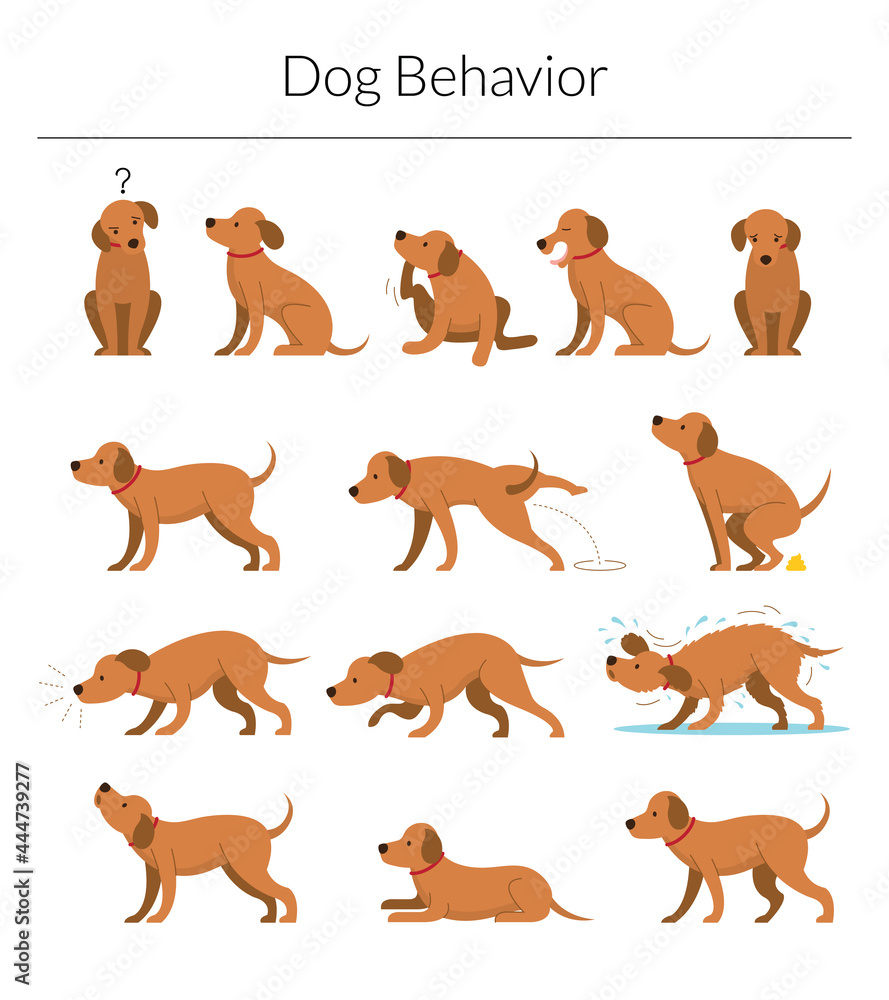
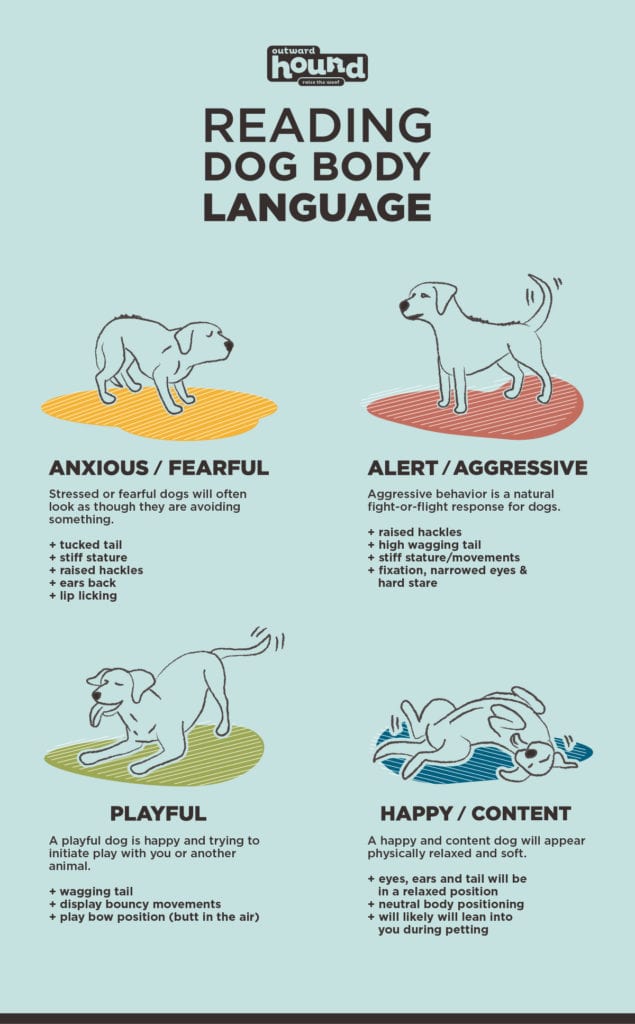
Applying physical corrections, yelling, or using intimidation-based methods often damages the human-animal bond and can escalate fear or defensive aggression. Instead, focus on timing; rewards or redirection must occur within seconds of the target action for the animal to make the correct mental connection. Consistency across all caregivers remains paramount, as mixed rules create prolonged confusion and delay progress. Patience and observation allow handlers to catch subtle body language cues before an animal reacts impulsively. Avoiding rushed timelines helps maintain a calm atmosphere conducive to steady, long-term learning.
Positive reinforcement training effectively builds reliable responses by strengthening desired actions through immediate, rewarding consequences. — American Kennel Club
Pet Care & Wellness Overview Table
| Life Stage | Daily Activity Level | Key Nutrition / Care Focus |
|---|---|---|
| Puppy / Kitten | High (frequent short bursts) | High-protein growth diet & early socialization |
| Adult Companion | Moderate (30–60 mins daily) | Balanced maintenance nutrition & dental hygiene |
| Senior Pets | Low to Gentle (mindful walks) | Joint support (Glucosamine) & routine vet checks |
Images References



Breed, Age, and Temperament Influences
Individual genetic predisposition, developmental stage, and innate temperament heavily influence how an animal responds to guidance and environmental changes. Working and herding backgrounds may manifest as intense tracking or nipping tendencies, requiring structured outlets for that natural energy. Younger animals process information rapidly but require frequent reinforcement, whereas mature companions may have deeply ingrained habits that demand prolonged, patient intervention. Understanding specific traits outlined within Dog Breeds literature helps set realistic expectations for training outcomes. Tailoring approaches to match individual personality ensures a more receptive and cooperative learner.
When to Consult a Veterinarian or Certified Professional
Persistent, worsening, or sudden behavioral shifts warrant immediate evaluation by a veterinary professional to rule out underlying medical conditions or pain. Conditions such as cognitive dysfunction, dental discomfort, or joint disease frequently manifest as unexpected reactivity or disobedience. For complex cases involving severe fear, anxiety, or aggression, seeking guidance from a board-certified veterinary behaviorist or a qualified professional utilizing humane, science-based methods is essential. A thorough physical examination ensures that medical contributors are identified and treated alongside any behavioral plan.
Building a Harmonious Relationship
PetsAnimalsWorld.com offers comprehensive resources dedicated to enriching the lives of companion animals through informed, compassionate stewardship. Understanding canine communication and applying humane management techniques fosters a secure environment where both humans and animals thrive. Explore additional insights across Dog Health and Dog Nutrition to support total wellness from puppyhood through the senior years. Consistency, empathy, and professional guidance remain the cornerstones of a lifelong, joyful companionship.


