
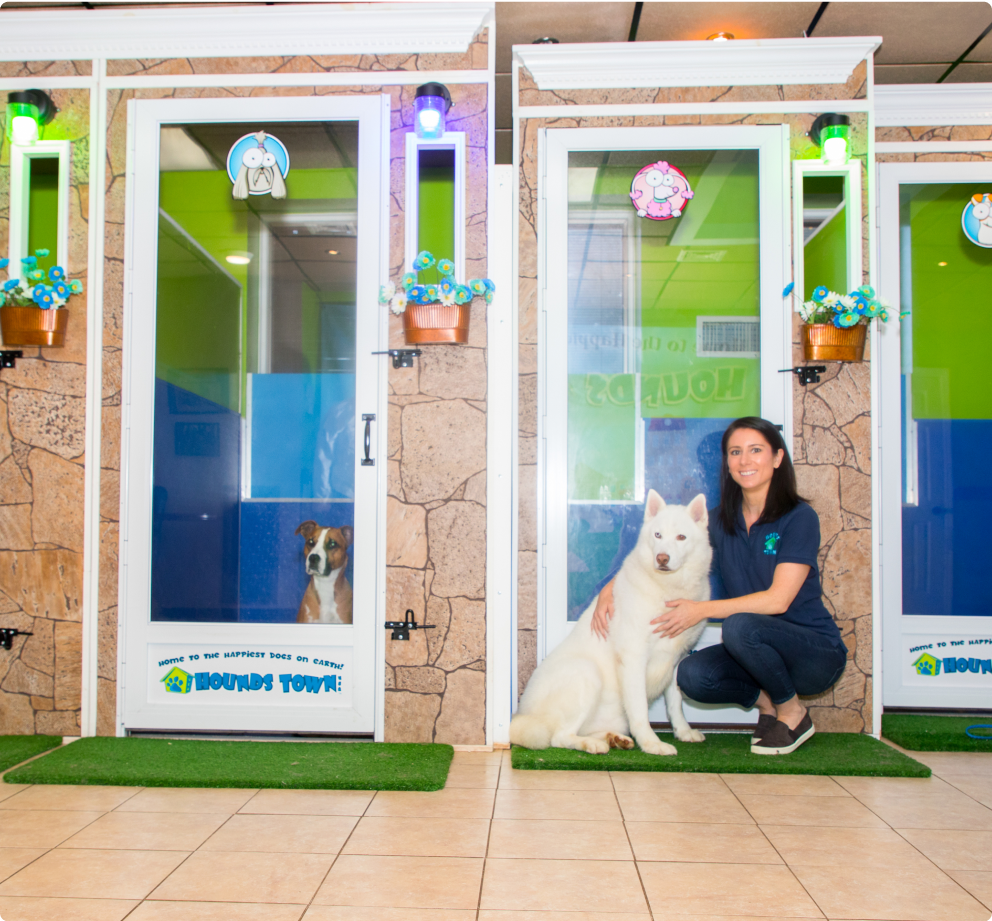
Finding suitable temporary care for an intact canine companion introduces unique management considerations that differ significantly from standard facility requirements. According to the American Veterinary Medical Association, proactive preparation and clear communication regarding an animal’s intact status remain vital for maintaining safety and proper supervision in group settings. Intact dogs—those that have not undergone gonadectomy, the surgical removal of the reproductive organs—often experience distinct hormonal influences that can alter how they interact with unfamiliar peers, staff members, and unfamiliar environments. Because many traditional kennel facilities operate under strict policies requiring sterilization after a certain age, locating an inclusive establishment requires careful research, transparent dialogue, and an understanding of facility protocols.
💡 Pet Care Key Takeaways:
- Core Focus: Practical health, nutrition, and wellness guidelines for Boarding For Unneutered Dogs.
- Target Scope: Pet owners, animal caregivers, and veterinary support staff.
- Best Recommendation: Maintain consistent daily routines and consult an accredited veterinarian before introducing major diet or medical changes.
Understanding Facility Policies on Intact Canines
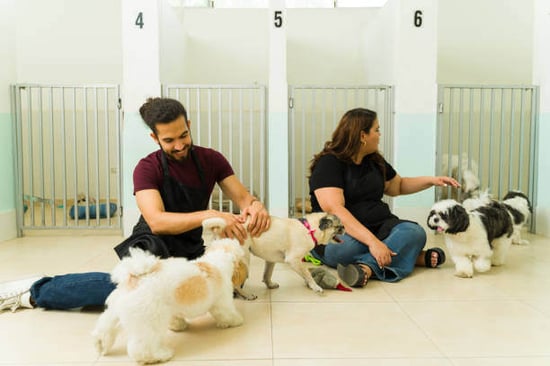
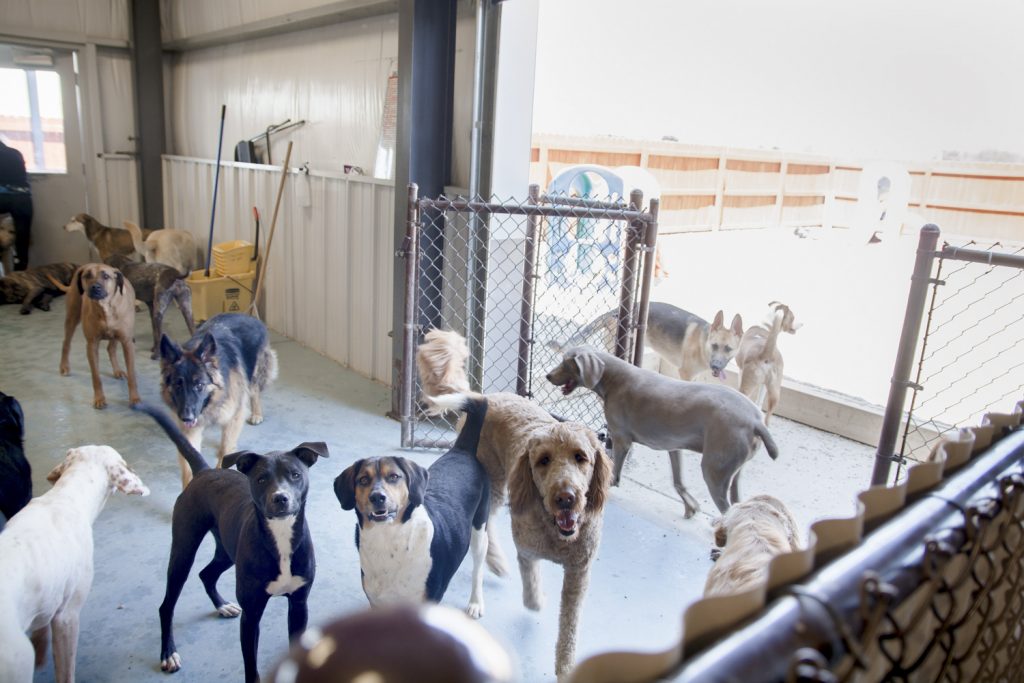
Boarding for unneutered dogs typically involves specialized management strategies due to the physiological and behavioral profiles associated with intact status. Facilities that accept unneutered animals often enforce stricter social grouping rules, keeping intact adolescents or adults separated from general playgroups to prevent unplanned breeding events and mitigate tension that can arise from hormonal scent signaling. An intact male dog may display heightened territorial behaviors, while an intact female experiencing estrus—the recurring physiological cycle during which a female is receptive to mating, commonly known as being in heat—cannot be housed in standard open-board facilities at all due to the intense scent attraction produced. Consequently, responsible caretakers must evaluate whether a prospective facility provides individualized lodging, private play yards, or strict 1-on-1 human interaction rather than chaotic communal daycare environments. For more related activities, check out our Dog Boarding Zebulon Nc.
Hormonal Influences and Group Dynamics
Hormonal fluctuations significantly shape the daily experience of an intact animal in a boarding environment, influencing stress levels, scent marking, and reactivity toward other dogs. Intact males produce testosterone, which can heighten arousal levels and competition in the presence of other canines, while females experience estrogen cycles that alter group chemistry and sometimes provoke resource-guarding behaviors among peers. Recognizing these natural physiological drivers allows kennel staff to adjust environmental management, reduce sensory triggers, and provide appropriate physical and mental enrichment without relying on punitive measures. Maintaining lower-stress environments helps prevent over-arousal, ensuring the animal remains comfortable throughout the stay.
Intact animals require customized supervision and specialized facility policies to ensure safe interactions in kennel environments. — American Veterinary Medical Association
Preparing an Intact Dog for a Kennel Stay
Preparation for a successful kennel stay begins weeks before drop-off by familiarizing the animal with crate training, scent-neutral bedding, and independent downtime. Because intact dogs may experience higher vigilance in unfamiliar places, bringing familiar items such as a heavily scented unwashed t-shirt belonging to the primary human guardian can provide immense olfactory comfort. Furthermore, verifying vaccination status, flea and tick prevention protocols, and kennel cough inoculations well in advance ensures compliance with facility health standards. Open communication with the kennel manager about specific behavioral triggers, handling preferences, and feeding schedules establishes a reliable foundation for quality care.
Best Practices and Common Mistakes to Avoid
Avoiding common pitfalls during the reservation process prevents last-minute disruptions and ensures the animal receives appropriate attention. One frequent mistake involves failing to disclose a female dog’s upcoming or current heat cycle, which can disrupt an entire facility; transparency regarding estrus cycles is non-negotiable. Additionally, owners should avoid booking large group play environments for reactive intact adolescents, opting instead for private yards with dedicated human handlers. Establishing a trial overnight stay before a long vacation allows the dog to acclimate gradually to the sights, sounds, and routines of the facility without overwhelming stress.
Conducting a brief trial overnight stay before an extended boarding period significantly reduces separation-related anxiety in dogs. — American Kennel Club
Pet Care & Wellness Overview Table
| Life Stage | Daily Activity Level | Key Nutrition / Care Focus |
|---|---|---|
| Puppy / Kitten | High (frequent short bursts) | High-protein growth diet & early socialization |
| Adult Companion | Moderate (30–60 mins daily) | Balanced maintenance nutrition & dental hygiene |
| Senior Pets | Low to Gentle (mindful walks) | Joint support (Glucosamine) & routine vet checks |
Images References



Breed, Age, and Developmental Considerations
Individual maturation rates, breed-specific temperaments, and age play a monumental role in how an intact animal handles temporary relocation. Giant breeds mature much more slowly than smaller counterparts, often retaining puppy-like exuberance well past their first year, which can manifest as intense physical play that traditional kennel groups may discourage. Conversely, mature intact adults may display heightened independence or skepticism toward unfamiliar handlers. Understanding these developmental milestones ensures that expectations remain realistic and that the chosen lodging aligns with the animal’s physical and emotional maturity level.
When to Consult a Veterinarian or Professional Trainer
Professional guidance from a veterinarian or a certified professional dog trainer becomes essential if an intact animal displays severe separation anxiety, barrier frustration, or aggressive reactivity toward handlers or other canines. A veterinarian can evaluate underlying health conditions contributing to sudden behavioral shifts, while a qualified force-free trainer can develop structured desensitization protocols to ease kennel stress safely. For persistent behavioral concerns, early intervention prevents escalation and ensures the animal remains manageable in professional care settings.
Securing the Ideal Environment for Your Pet
Selecting the right temporary home requires balancing rigorous safety standards with individualized attention, ensuring the animal’s physical and emotional well-being remains the top priority. Exploring comprehensive resources regarding Dog Care, understanding typical Dog Behavior, and monitoring general Dog Health equips owners to make informed decisions. By planning ahead and partnering with knowledgeable professionals, guardians can ensure a seamless experience. Visit PetsAnimalsWorld.com for further guidance on responsible pet ownership.


