

Understanding the Multi-Faceted Role of a Dog Care Assistant
Managing the daily requirements of modern domestic dogs often requires collaborative effort, making the involvement of a dedicated dog care assistant an invaluable asset for busy households, boarding facilities, and veterinary hospitals. According to the American Kennel Club, routine physical maintenance and structured daily enrichment are fundamental pillars supporting long-term canine wellness and behavioral stability. As canine companionship becomes increasingly integrated into hectic human lifestyles, supportive hands ensure that dietary schedules, exercise routines, and hygiene standards are consistently met. This collaborative approach to canine welfare bridges the gap between basic survival needs and optimal quality of life, benefiting both the animal and the human family.
💡 Pet Care Key Takeaways:
- Core Focus: Practical health, nutrition, and wellness guidelines for Dog Care Assistant.
- Target Scope: Pet owners, animal caregivers, and veterinary support staff.
- Best Recommendation: Maintain consistent daily routines and consult an accredited veterinarian before introducing major diet or medical changes.
Defining the Responsibilities of a Professional Dog Care Assistant
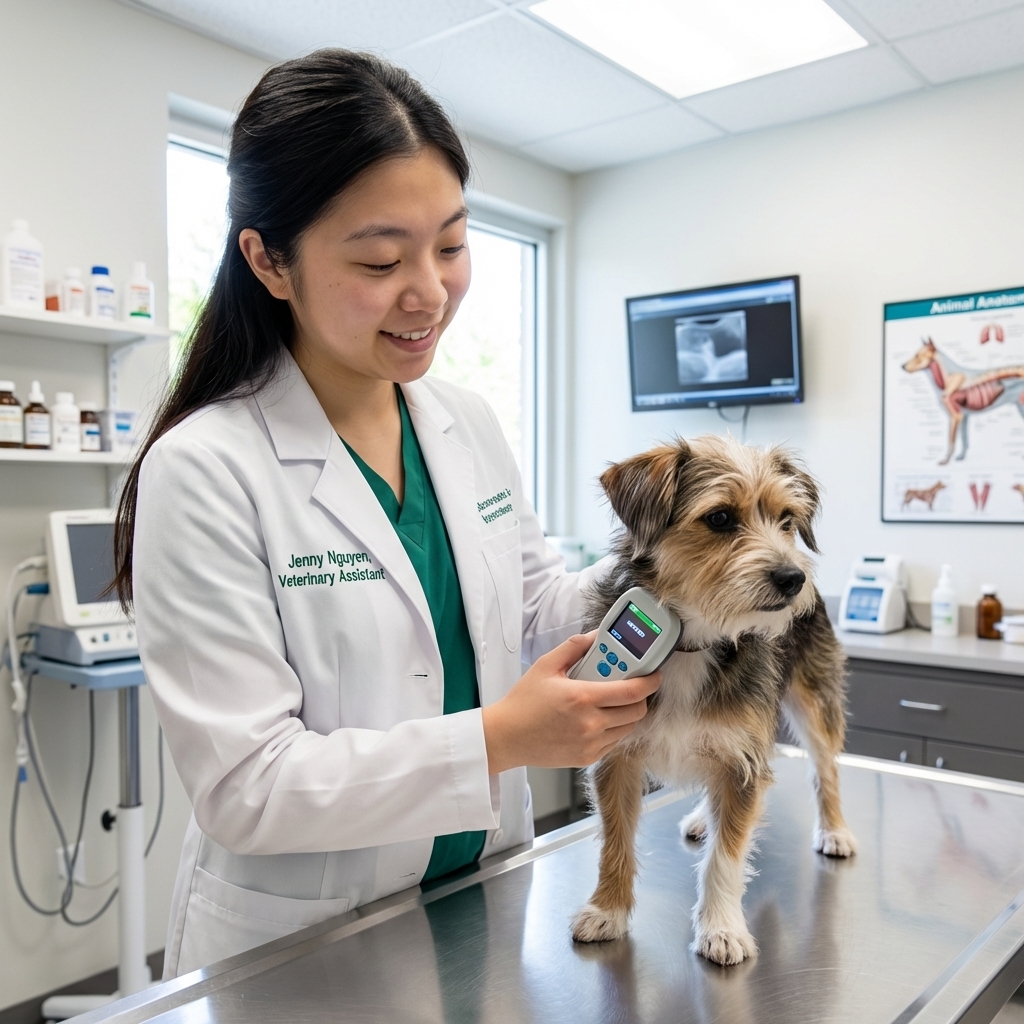
A dog care assistant typically refers to a trained support professional who aids in the daily management, handling, and maintenance of dogs within professional or domestic environments. Core duties frequently encompass administering basic grooming tasks, monitoring environmental safety, facilitating supervised play groups, and documenting daily health observations. Unlike licensed veterinary technicians or certified professional dog trainers, who possess specialized clinical or behavioral credentials, an assistant focuses primarily on husbandry, sanitation, nutritional preparation, and attentive supervision. Understanding this distinction helps pet owners set appropriate expectations when utilizing supportive personnel for daily pet management or specialized boarding services.
Impact on Canine Physical Health and Emotional Well-Being
Consistent support from a knowledgeable dog care assistant directly influences a dog’s physiological health and behavioral equilibrium through structured daily routines. Predictable schedules for feeding, elimination, and rest reduce stress hormones like cortisol, fostering a stable emotional state. Furthermore, attentive handlers can quickly identify subtle shifts in posture, gait, or appetite that might otherwise go unnoticed during busy workdays. These observations support proactive Dog Health management by alerting primary owners or veterinary professionals to early indicators of discomfort or illness before conditions escalate.
Daily environmental enrichment and structured social interaction significantly reduce stress-related behaviors and promote physiological stability in domestic dogs. — American Society for the Prevention of Cruelty to Animals
Implementing Effective Daily Management and Support Strategies
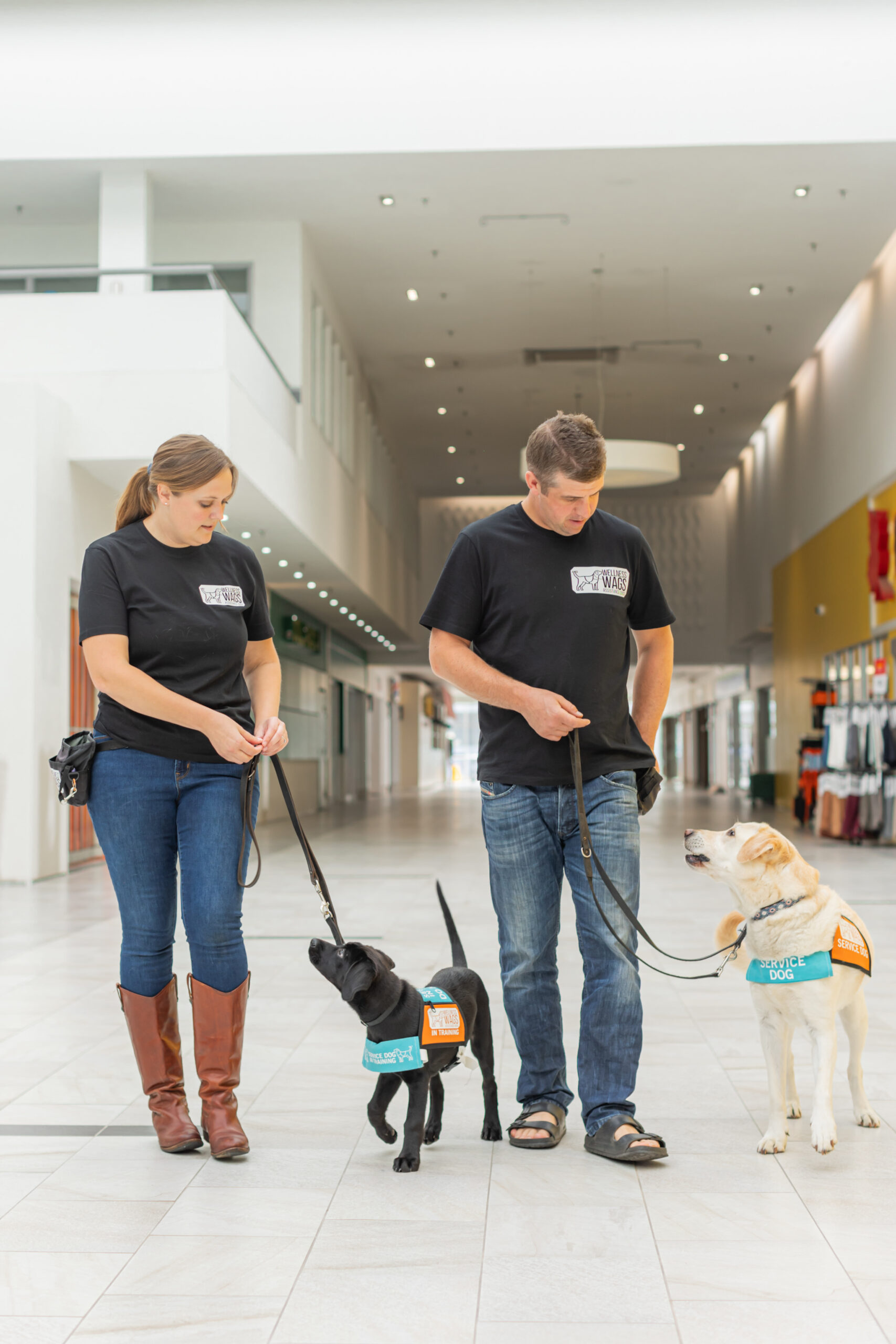
Integrating reliable assistance into a canine’s life requires clear communication, established protocols, and a thorough understanding of safe animal handling. Care routines should be documented systematically, detailing specific dietary brands, exact feeding times, restricted items, and emergency contact details. When managing multiple animals, handlers must prioritize safety by utilizing physical barriers, secure leashes, and careful observation of body language to prevent resource guarding or over-arousal. Establishing clear, positive reinforcement protocols ensures that every interaction between the dog and the assistant reinforces trust and cooperative behavior.
Best Practices, Common Mistakes, and Operational Safety
Successful integration of supportive care relies heavily on consistency, patience, and strict adherence to safety guidelines rather than rushed routines or harsh physical corrections. A frequent mistake in communal or assisted care environments is ignoring early warning signs of canine stress, such as lip-licking, yawning, or averted gaze, which can inadvertently lead to escalating fear or defensive reactivity. Safe Dog Behavior management requires respecting personal space and allowing animals adequate downtime in quiet, secure resting zones. Assistants and owners alike should avoid punitive handling methods, favoring calm, predictable leadership that nurtures confidence and emotional security.
Observing subtle canine body language signals helps prevent preventable conflicts and ensures safe, positive socialization experiences across all life stages. — American Veterinary Medical Association
Pet Care & Wellness Overview Table
| Life Stage | Daily Activity Level | Key Nutrition / Care Focus |
|---|---|---|
| Puppy / Kitten | High (frequent short bursts) | High-protein growth diet & early socialization |
| Adult Companion | Moderate (30–60 mins daily) | Balanced maintenance nutrition & dental hygiene |
| Senior Pets | Low to Gentle (mindful walks) | Joint support (Glucosamine) & routine vet checks |
Images References





Adapting Support Protocols for Breed, Age, and Temperament
Every individual dog requires customized care adjustments based on unique genetic heritage, physical maturity, and inherent temperament traits. For instance, high-energy working breeds require intensive mental stimulation and robust physical exertion, whereas brachycephalic breeds—dogs with shortened facial structures—need careful monitoring during exercise to prevent respiratory distress in warm weather. Similarly, senior dogs experiencing age-related cognitive decline or joint stiffness require gentle handling, non-slip flooring, and modified pacing during walks. Exploring specific characteristics through resources like Dog Breeds helps assistants tailor their approach to suit the specific physical and psychological needs of each animal.
Knowing When to Consult Veterinary or Behavioral Professionals
While daily support assistants manage routine husbandry, certain clinical and psychological signs require immediate expert intervention to ensure safety and welfare. For suspected poisoning, severe respiratory distress, sudden collapse, uncontrolled bleeding, or traumatic injury, immediate veterinary evaluation is essential; never attempt home remedies or administer human medications without direct professional instruction. Likewise, for persistent behavioral challenges such as severe fear, generalized anxiety, or unprovoked aggression, owners and assistants should consult a qualified veterinary behaviorist or certified positive-reinforcement trainer rather than relying on basic management techniques.
Collaborating for Optimal Canine Care and Enrichment
Partnering with a competent dog care assistant empowers households to maintain high standards of daily husbandry, physical exercise, and attentive health monitoring. By combining structured routines with compassionate, evidence-based handling, dogs experience safer, more enriching lives. To explore further resources on optimizing your companion’s lifestyle, review informative guides on Dog Care, balanced Dog Nutrition, and effective Dog Training methods. Visit PetsAnimalsWorld.com today to discover more expert-backed insights designed to support every stage of your journey with your beloved Pets.


