
Ensuring Canine Safety During Automotive Travel
According to the American Automobile Association and pet safety organizations, unrestrained pets in moving vehicles create significant safety hazards for both human passengers and animals alike. When an automobile stops suddenly or takes a sharp turn, an unsecured animal becomes a projectile within the cabin. Beyond the obvious physical risks associated with sudden deceleration, unrestrained dogs frequently distract drivers by roaming across the console, climbing into the front footwell, or attempting to look out open windows. Addressing these hazards requires proactive measures that keep the animal securely positioned while still allowing for a comfortable travel experience.
💡 Pet Care Key Takeaways:
- Core Focus: Practical health, nutrition, and wellness guidelines for Dog Car Seat.
- Target Scope: Pet owners, animal caregivers, and veterinary support staff.
- Best Recommendation: Maintain consistent daily routines and consult an accredited veterinarian before introducing major diet or medical changes.
Understanding the Function of a Dog Car Seat
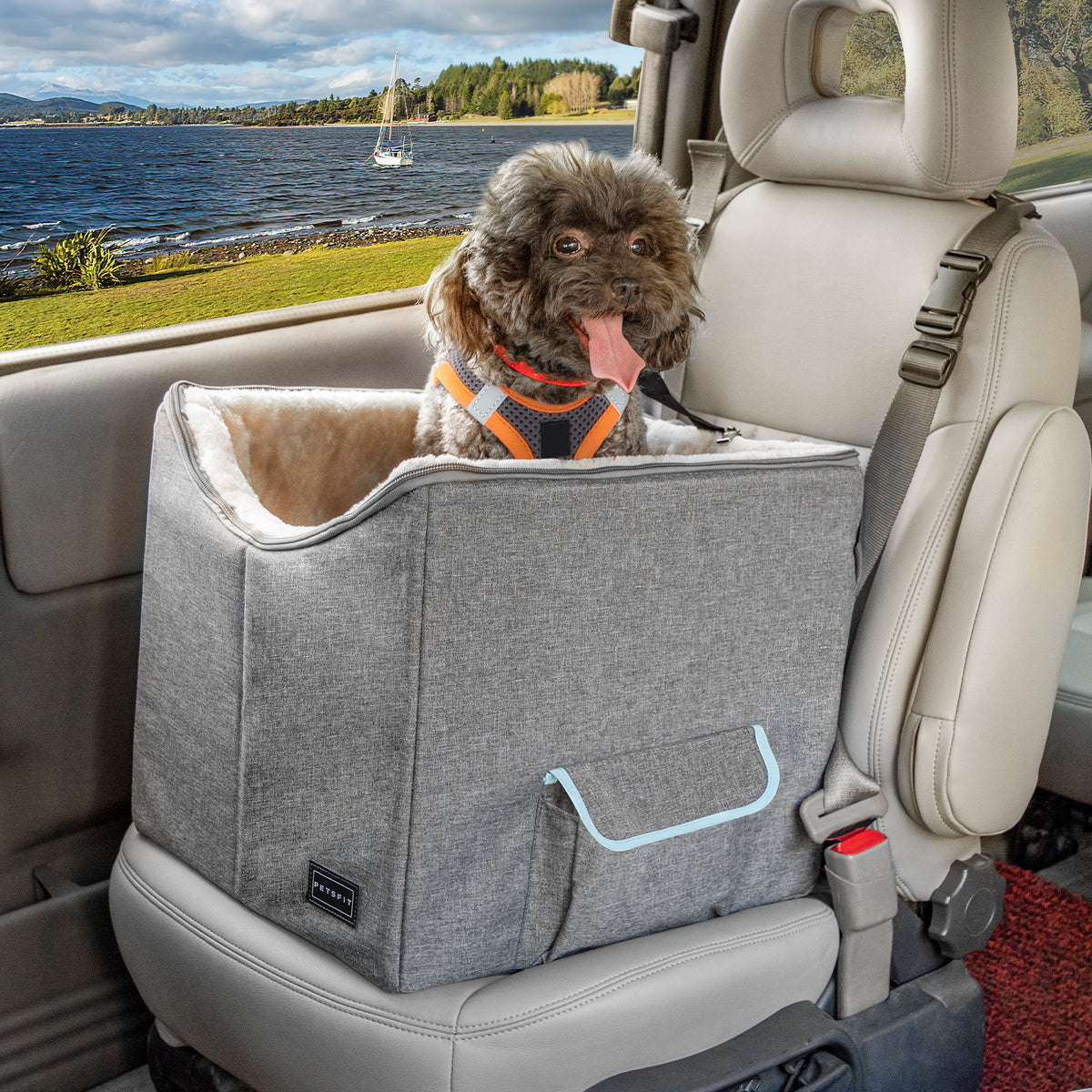
A dog car seat is a specialized restraint accessory designed to elevate and secure smaller dogs safely within a vehicle passenger area. Unlike standard human seatbelts, which fail to accommodate canine anatomy or seating postures, these specialized enclosures anchor securely to the vehicle seat using existing seatbelt loops or LATCH (Lower Anchors and Tethers for Children) systems. Most models incorporate an internal tether that attaches directly to a secure canine harness rather than a traditional collar, which prevents dangerous pressure on the delicate structures of the neck during sudden vehicle movements.
Mitigating Physical and Behavioral Travel Risks
Utilizing a designated pet restraint system significantly minimizes the physical impact forces experienced during a collision while simultaneously addressing common canine travel anxieties. Many dogs experience motion sickness or situational stress when sliding around on slick leather or fabric upholstery; a supportive, structured enclosure provides a stable den-like environment that reduces disorientation. Furthermore, containing the animal to a fixed location discourages barrier frustration and frantic pacing, allowing the driver to maintain full concentration on the roadway.
Restraining pets during vehicle transit significantly reduces driver distraction and prevents animals from becoming dangerous projectiles during sudden stops. — American Automobile Association
Implementing Effective Car Seat Selection and Setup
Integrating a mobile restraint device successfully into a routine requires careful hardware selection and gradual habituation. Owners should measure the length and weight of the animal carefully to ensure the chosen enclosure provides adequate room to sit, stand, and lie down comfortably without restricting movement excessively. Placing the unit in the backseat rather than the front seat is universally recommended by safety advocates, as front-passenger airbags can deploy with immense force and cause severe injury to small animals. For guidance on managing stress and associated travel behaviors, resources on Dog Behavior offer valuable insights.
Best Practices and Common Mistakes to Avoid
Prioritizing safety means avoiding critical setup errors, such as attaching vehicle tethers directly to standard neck collars instead of approved body harnesses. Neck attachment poses severe risks to the trachea and cervical spine if the vehicle stops abruptly. Additionally, rushing the acclimation process can create negative associations with travel; owners should allow the animal to explore the stationary restraint device inside the home while offering positive reinforcement before ever starting the engine. Maintaining proper foundational care is equally vital, as detailed in broader guides on Dog Care.
Vehicle airbags present severe injury risks to small animals seated in the front, making the rear passenger seats the safest location for canine travel restraints. — National Highway Traffic Safety Administration
Pet Care & Wellness Overview Table
| Life Stage | Daily Activity Level | Key Nutrition / Care Focus |
|---|---|---|
| Puppy / Kitten | High (frequent short bursts) | High-protein growth diet & early socialization |
| Adult Companion | Moderate (30–60 mins daily) | Balanced maintenance nutrition & dental hygiene |
| Senior Pets | Low to Gentle (mindful walks) | Joint support (Glucosamine) & routine vet checks |
Images References




Accounting for Size, Breed, and Temperament Factors
Specialized elevated seating units are primarily engineered for toy breeds and small companion dogs under twenty pounds, while larger canines require robust crash-tested harnesses or dedicated kennel crates anchored securely in the cargo area. Breed-specific physical traits also influence travel comfort; brachycephalic breeds—dogs with shortened facial structures—exhibit heightened sensitivity to respiratory strain and environmental stress, making well-ventilated, supportive seating configurations essential. Understanding individual physical traits aligns closely with principles discussed within resources dedicated to Dog Breeds.
When to Consult a Veterinary Professional or Behaviorist
Persistent travel distress, severe vomiting, or extreme panic responses during automotive transit warrant professional evaluation rather than simple management through restraints alone. If an animal exhibits signs of severe motion sickness or profound phobia that fails to resolve with basic environmental adjustments, consulting a veterinarian is crucial to discuss appropriate medical interventions or professional behavioral modification plans. Professional guidance ensures that underlying health concerns are addressed safely and humanely.
Conclusion and Ongoing Safety Practices
Investing in appropriate automotive safety equipment protects both human and animal passengers, turning every journey into a secure and organized experience. By combining proper hardware selection with gradual training and attentive monitoring, owners establish a reliable travel routine that safeguards canine wellbeing on every trip. Explore further expert advice and resources by visiting PetsAnimalsWorld.com today.


