
Introduction
For many dog owners, the sight of a beloved furry companion joyfully gnawing on a new toy quickly turning into a pile of shredded remnants is a familiar, if frustrating, experience. Aggressive chewing, more accurately described as persistent or powerful chewing, is a natural and often healthy behavior for dogs, but it necessitates the right tools to be safely expressed. Understanding the specific needs of an aggressive chewer is paramount to a dog’s well-being, behavior, and overall quality of life, as well as the longevity of household items. This article explores the critical aspects of selecting the best toys for aggressive chewing dogs, offering insights into why this behavior occurs and how to manage it effectively. Providing appropriate, durable chew toys can prevent dental issues, alleviate boredom or anxiety, and redirect destructive habits, ultimately fostering a safer and happier environment for both dog and owner.
💡 Pet Care Key Takeaways:
- Core Focus: Practical health, nutrition, and wellness guidelines for Best Toys For Aggressive Chewing Dogs.
- Target Scope: Pet owners, animal caregivers, and veterinary support staff.
- Best Recommendation: Maintain consistent daily routines and consult an accredited veterinarian before introducing major diet or medical changes.
Common Causes and Key Factors
A dog’s inclination towards aggressive chewing stems from a variety of innate and environmental factors. It is essential to recognize these underlying reasons to address the behavior effectively. For more related activities, check out our Dog Care Electric Collar.
Firstly, chewing is a natural instinct for canids. Puppies use their mouths to explore their world and to relieve discomfort during teething. Adolescent and adult dogs continue to chew as a form of play, exploration, and self-soothing. Breeds with strong jaws and high energy levels, such as certain terrier types, working breeds, and bully breeds, are naturally predisposed to more intense chewing.
Secondly, boredom and lack of mental or physical stimulation are significant contributors. Dogs that are under-exercised or left alone for extended periods without adequate enrichment may resort to chewing as a way to pass the time and expend pent-up energy.
Thirdly, anxiety and stress can manifest as destructive chewing. Dogs experiencing separation anxiety, fear, or general stress may chew excessively as a coping mechanism. Changes in routine, environment, or the presence of new stressors can trigger this behavior.
Occasionally, chewing can be an attention-seeking behavior if a dog learns that gnawing on an inappropriate item garners immediate human interaction. While rare, certain medical conditions or nutritional deficiencies can also contribute to unusual chewing habits, though this is typically less common for general toy destruction.
Signs and Symptoms to Observe
Identifying a dog as an aggressive chewer typically involves observing specific behaviors and the rapid destruction of objects. These signs can manifest differently based on a dog’s age, breed, and individual temperament.
The most obvious indicator is the swift demolition of standard dog toys. Toys marketed for “normal” chewers might last mere minutes or hours before showing significant wear, breaking into pieces, or becoming completely destroyed. This includes fabric toys being ripped apart, rubber toys losing chunks, or plastic toys splintering.
Another crucial sign is the dog’s tendency to chew inappropriate household items. This can range from furniture legs and door frames to shoes, remote controls, or even walls. Such behavior not only causes property damage but also poses a significant safety risk if the dog ingests hazardous materials.
Other observable traits include an intense focus on chewing for extended periods, an apparent satisfaction derived from the act of tearing and shredding, and sometimes, a protective stance over chewed items. Owners might also notice small pieces of toy material scattered around the dog’s resting or play areas. In severe cases, dental wear, such as flattened or worn-down teeth, can be a long-term consequence of consistently chewing on overly hard or abrasive materials.
Practical Solutions and Management Strategies
Managing aggressive chewing effectively revolves around providing appropriate outlets and employing smart strategies. The cornerstone of this approach is selecting the best toys for aggressive chewing dogs.
1. Selecting Durable Chew Toys
The market offers a wide array of toys designed for strong chewers. Key features to prioritize include:
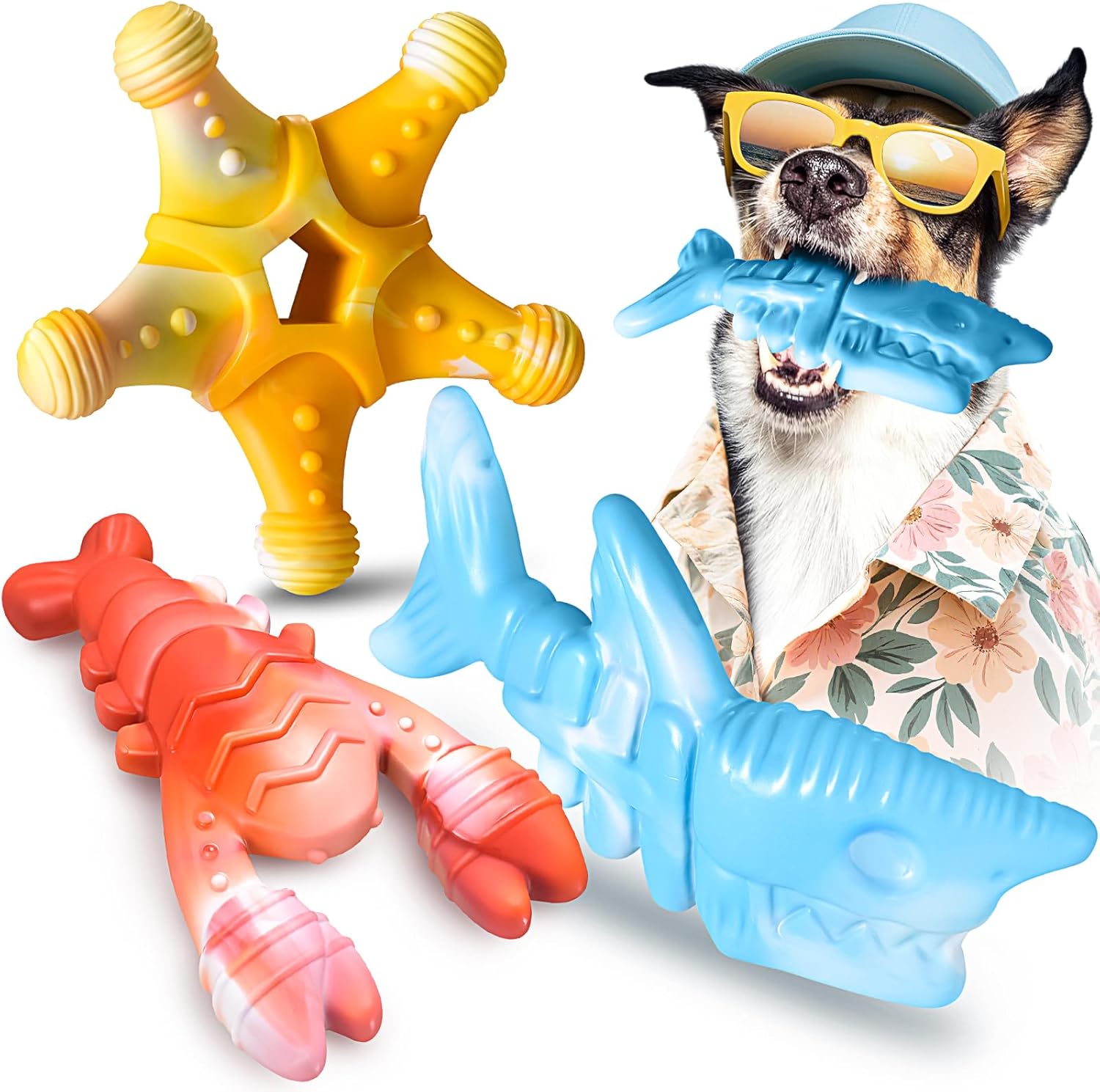
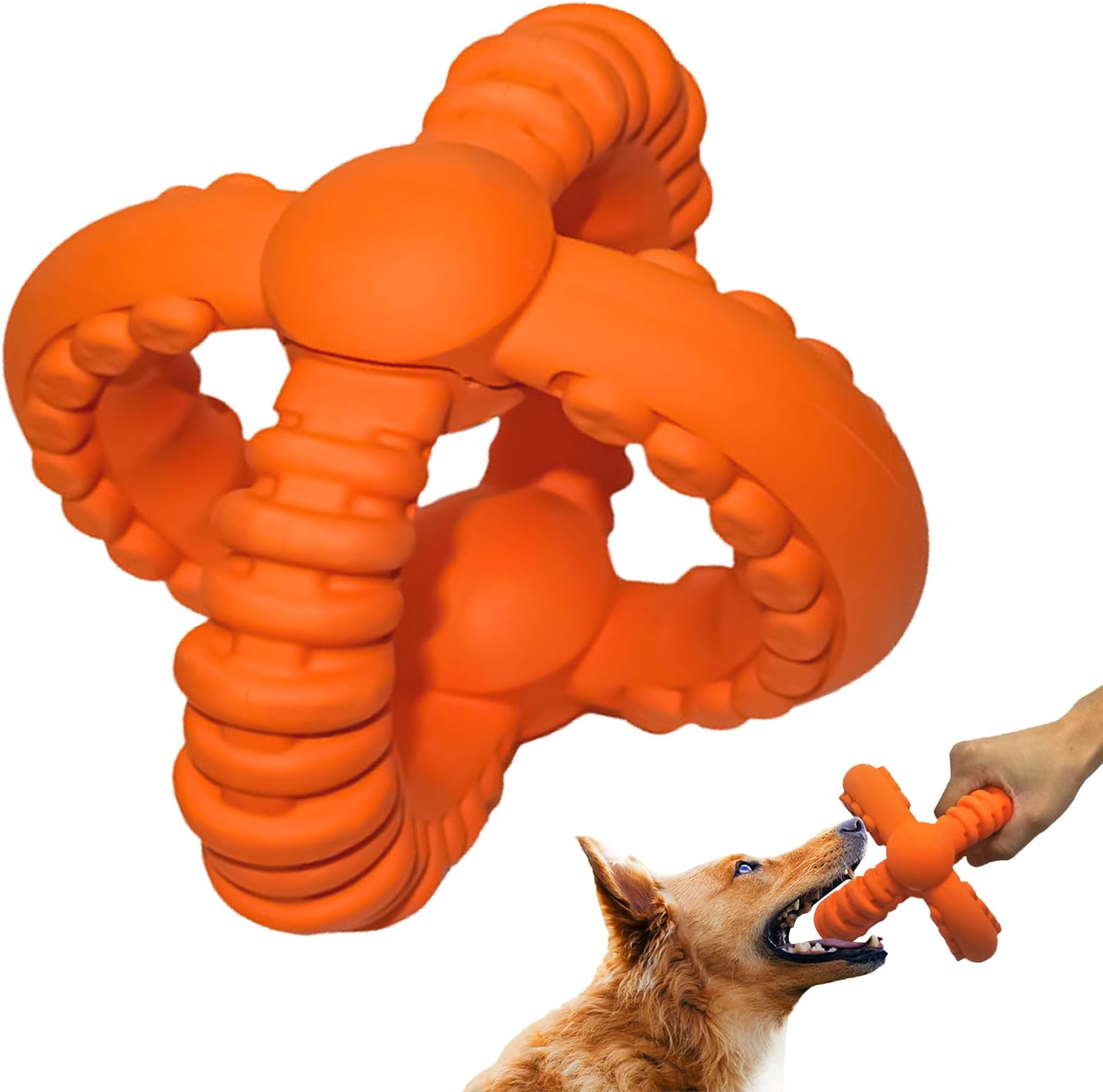
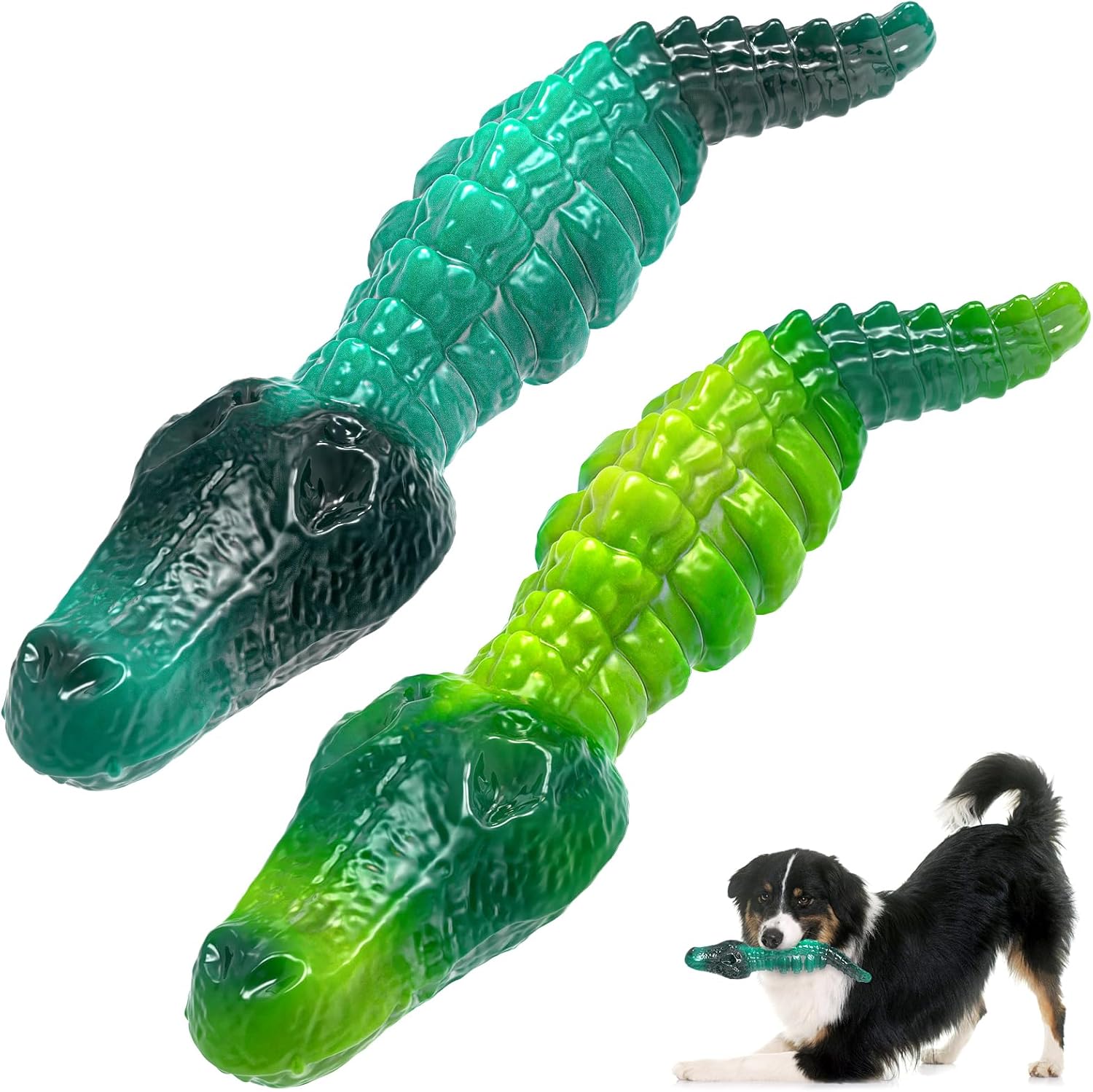
- Material Durability: Look for toys made from high-grade natural rubber, virtually indestructible nylon, or other proprietary tough synthetic materials. Avoid toys with easily detachable small parts or thin walls.
- Size Appropriateness: The toy must be large enough that the dog cannot swallow it whole or choke on it, but small enough to be comfortable for chewing.
- Texture and Engagement: Varied textures, ridges, and shapes can make a toy more appealing and help clean teeth. Puzzle or treat-dispensing toys made from durable materials can add mental stimulation, prolonging engagement.
- Safety Certifications: Opt for toys from reputable brands that use non-toxic materials and have clear safety standards.
Examples of effective toy types include solid rubber toys (often marked as “extreme” or “heavy duty”), sturdy nylon bones with different textures, and some types of dense, non-splintering natural wood chews. It is important to note that no toy is truly indestructible, and regular inspection for damage is crucial to prevent ingestion of broken pieces.
2. Environmental and Behavioral Strategies
Beyond toy selection, several management strategies can help:
- Supervised Chewing: Always supervise a dog, especially with new toys, to ensure safety and monitor destruction rates.
- Toy Rotation: Keep a selection of durable toys and rotate them every few days to maintain novelty and interest.
- Redirection: When a dog attempts to chew on an inappropriate item, calmly redirect the behavior by offering an acceptable, durable chew toy.
- Adequate Exercise and Mental Stimulation: Regular physical activity and engaging mental puzzles can significantly reduce boredom-induced chewing. Obedience training, interactive games, and daily walks are essential.
- Safe Space: Ensure the dog has a designated safe area, like a crate or playpen, furnished with appropriate chew toys, especially when unsupervised for short periods.
- Bitter Sprays: For particularly tempting forbidden items (e.g., furniture legs), applying a pet-safe bitter spray can act as a deterrent.
When Professional Help May Be Needed
While many cases of aggressive chewing can be managed through careful toy selection and consistent behavioral strategies, there are instances where professional intervention becomes necessary. Recognizing these situations ensures that a dog receives the most appropriate and effective support.
A primary concern for professional consultation arises when a dog’s chewing habit is causing self-harm or poses a significant risk to its health. This includes ingesting foreign objects that lead to gastrointestinal blockages or damage, requiring emergency veterinary care. If a dog’s chewing is severe, indiscriminate, and persistent despite consistent owner intervention, it warrants further investigation.
Furthermore, if chewing appears to be driven by underlying behavioral issues such as severe separation anxiety, generalized anxiety, or obsessive-compulsive tendencies, a veterinary behaviorist or a certified professional dog trainer specializing in behavior modification can offer tailored guidance. These experts can assess the root cause of the behavior and develop a comprehensive treatment plan, which may include behavioral therapy, environmental modifications, and, in some cases, medication to help manage anxiety.
A veterinarian should always be consulted first to rule out any medical conditions that might contribute to unusual chewing behaviors, such as dental pain or nutritional deficiencies. This initial step is crucial to ensure that any physical ailments are addressed before focusing solely on behavioral solutions.
Conclusion
Understanding and managing a dog’s aggressive chewing tendencies is a vital aspect of responsible pet ownership. The careful selection of the best toys for aggressive chewing dogs, coupled with consistent behavioral management strategies, forms the foundation for a harmonious household. Prioritizing durable, safe, and appropriately sized chew toys protects both the dog from potential harm and household belongings from destruction. Furthermore, ensuring adequate exercise, mental stimulation, and addressing any underlying anxieties are equally crucial components of a holistic approach. By remaining vigilant, observant, and proactive in providing appropriate outlets for this natural canine behavior, owners can foster a safer, more engaging environment, promoting the health and happiness of their cherished companions for years to come.
Pet Care & Wellness Overview Table
| Life Stage | Daily Activity Level | Key Nutrition / Care Focus |
|---|---|---|
| Puppy / Kitten | High (frequent short bursts) | High-protein growth diet & early socialization |
| Adult Companion | Moderate (30–60 mins daily) | Balanced maintenance nutrition & dental hygiene |
| Senior Pets | Low to Gentle (mindful walks) | Joint support (Glucosamine) & routine vet checks |
Images References





For more expert pet care tips and advice, check out our dedicated Dog Behavior guides to keep your companions healthy and happy.




