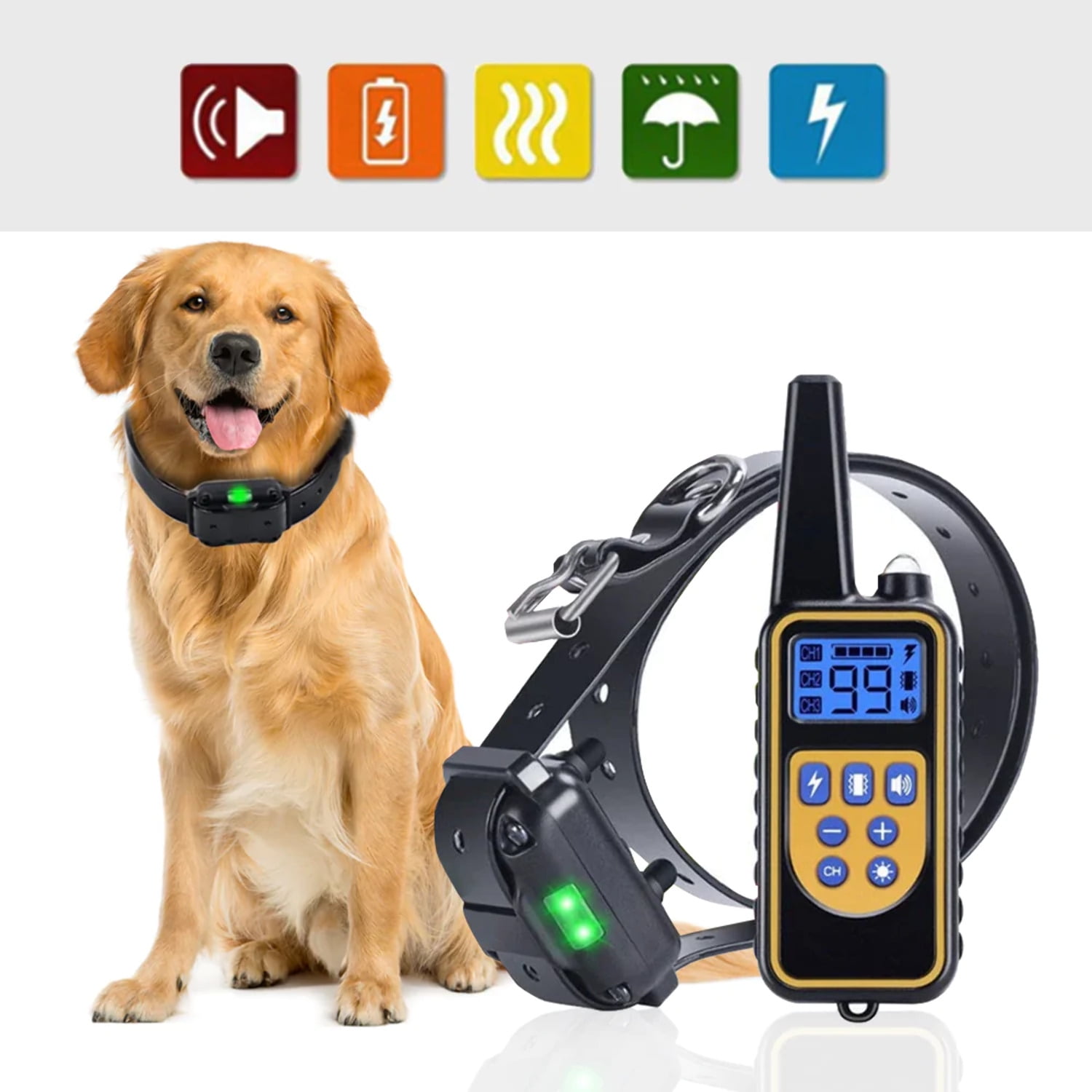
Understanding the Role of Electric Collars in Dog Care
The decision to utilize specific training equipment often represents a significant point of consideration for dog owners focused on dog care and behavioral development. Electric collars, frequently referred to as remote training collars or e-collars, are devices designed to deliver an electronic stimulus to a dog through contact points on the neck. Because these tools influence both the physical comfort and the psychological state of the animal, understanding their mechanism and the potential implications of their use is essential for maintaining a positive relationship with a canine companion. According to the American Society for the Prevention of Cruelty to Animals (ASPCA), the use of aversion-based training methods, which include those that rely on potential discomfort, can lead to increased anxiety and may negatively impact the bond between a dog and its owner.
💡 Pet Care Key Takeaways:
- Core Focus: Practical health, nutrition, and wellness guidelines for Dog Care Electric Collar.
- Target Scope: Pet owners, animal caregivers, and veterinary support staff.
- Best Recommendation: Maintain consistent daily routines and consult an accredited veterinarian before introducing major diet or medical changes.
Defining the Functionality of Electric Collars
An electric collar functions by transmitting a signal from a handheld remote to a receiver unit worn by the dog, which then delivers an electrical pulse, a vibration, or a tone. The intensity of the electrical pulse is typically adjustable, allowing the user to select levels ranging from a mild sensation to a more significant shock. These devices are often marketed as tools for off-leash control or as a method for curbing unwanted behaviors such as excessive barking, jumping, or digging. However, the primary mechanism relies on the concept of negative reinforcement or positive punishment, where the goal is to discourage a behavior by introducing an unpleasant stimulus that the dog seeks to avoid or stop.
Behavioral and Physical Considerations
The impact of electric stimulation on canine behavior is a subject of ongoing discussion within the fields of animal behavior and dog training. When a dog experiences an unexpected or painful stimulus, the association formed may not always be linked to the intended behavior. Instead, the animal might associate the sensation with other elements present in the environment, such as the owner, other nearby pets, or specific locations. This misattribution can lead to the development of fear-based responses or generalized anxiety. Furthermore, the physical fit of the collar is critical; if the contact points remain in contact with the skin for extended periods or are applied with excessive pressure, they can cause skin irritation, necrosis, or pressure sores, which are serious concerns for general dog health.
The American Veterinary Society of Animal Behavior (AVSAB) supports the use of training methods that prioritize positive reinforcement and discourage the use of punishment-based techniques, as they can cause long-term behavioral damage. — American Veterinary Society of Animal Behavior
Best Practices and Humane Alternatives
Successful training relies on clear communication, consistency, and motivation rather than the avoidance of discomfort. Most professional trainers advocate for reward-based methods, which focus on reinforcing desirable actions with treats, praise, or play. This approach encourages the dog to make positive choices because they are inherently rewarding. When addressing behavioral challenges, the focus should remain on identifying the underlying cause—such as boredom, fear, or lack of exercise—rather than simply suppressing the outward manifestation of the behavior. By creating a structured environment that rewards calm and obedient responses, owners can achieve long-term behavioral success without the risks associated with electronic stimulation.
Mistakes to Avoid During Training
One common mistake is the reliance on equipment to perform training that should be achieved through socialization and basic obedience exercises. Using a collar as a shortcut for training often results in a dog that only obeys when the device is present or active. Additionally, timing is essential; if a correction is delivered even a second too late, the dog cannot logically connect the stimulus to the specific action. This confusion often leads to frustration for both the owner and the animal. Owners should also avoid leaving any collar on for more than twelve hours a day, as constant pressure on the neck tissues can cause significant physical discomfort and potential injury over time.
Positive reinforcement training has been shown to be as effective, if not more effective, than aversive training methods while fostering a stronger, more trusting human-animal bond. — American Kennel Club
Pet Care & Wellness Overview Table
| Life Stage | Daily Activity Level | Key Nutrition / Care Focus |
|---|---|---|
| Puppy / Kitten | High (frequent short bursts) | High-protein growth diet & early socialization |
| Adult Companion | Moderate (30–60 mins daily) | Balanced maintenance nutrition & dental hygiene |
| Senior Pets | Low to Gentle (mindful walks) | Joint support (Glucosamine) & routine vet checks |
Images References







Considerations for Different Dogs
Temperament, age, and individual history play a massive role in how a dog responds to training. Younger dogs, in particular, are highly sensitive to their environment and the feedback they receive from their owners. A high-energy breed might require more physical activity and mental stimulation rather than strict control methods. Conversely, a fearful or reactive dog may experience significant emotional distress when exposed to aversive stimuli, which can escalate aggressive tendencies as a defense mechanism. Understanding the specific needs and history of different dog breeds is vital to choosing a training path that respects their natural instincts and emotional limitations.
When to Seek Professional Guidance
If a dog exhibits signs of persistent anxiety, aggression, or if training efforts have failed to yield progress, it is imperative to consult a qualified professional. A veterinary behaviorist or a certified dog trainer who specializes in positive reinforcement techniques can provide a customized plan that prioritizes the welfare of the animal. Attempting to manage complex behavioral issues without professional support can lead to the worsening of the problem or unintended physical harm. A veterinarian should always be the first point of contact to rule out any underlying medical conditions that might be contributing to behavioral changes, as pain or discomfort can often manifest as disobedience or aggression.
Building a Strong Foundation
Effective dog care is built upon the pillars of patience, empathy, and evidence-based practice. By choosing methods that promote learning through positive outcomes, owners can foster a cooperative relationship that lasts a lifetime. Whether working on basic commands or addressing complex behavioral challenges, the goal should always be to provide a safe and supportive environment for the canine companion. For more resources on how to best support the well-being and training needs of a dog, visit PetsAnimalsWorld.com, where information on Dog Behavior and other essential topics can be found. Dedicated care and informed decision-making ensure that every dog has the opportunity to thrive in a loving home environment.