Understanding the Connection Between Canine Conduct and Ear Discomfort
Recognizing subtle shifts in canine actions often serves as the earliest warning sign of underlying physical ailments. According to the American Veterinary Medical Association, behavioral changes frequently precede overt physical symptoms when a companion animal experiences discomfort or illness. When an ear canal becomes inflamed or infected, a dog experiences intense irritation that alters daily routines, social interactions, and resting patterns. Connecting unusual conduct to a medical issue requires careful observation of how a pet responds to touch, sounds, and environmental stimuli. Pet owners who understand these physiological signals can seek timely medical intervention, protecting their animals from chronic suffering and more severe complications.
💡 Pet Care Key Takeaways:
- Core Focus: Practical health, nutrition, and wellness guidelines for Dog Behavior Ear Infection.
- Target Scope: Pet owners, animal caregivers, and veterinary support staff.
- Best Recommendation: Maintain consistent daily routines and consult an accredited veterinarian before introducing major diet or medical changes.
Interpreting Canine Conduct Associated with Otitis Externa
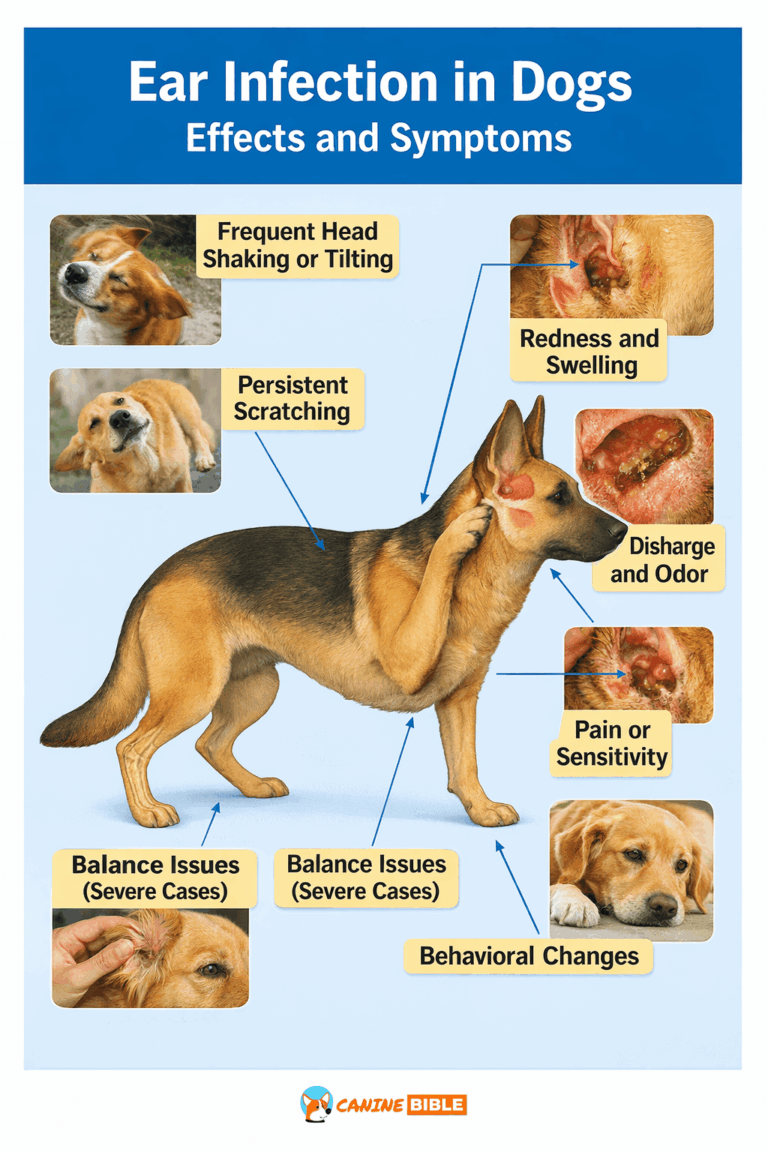
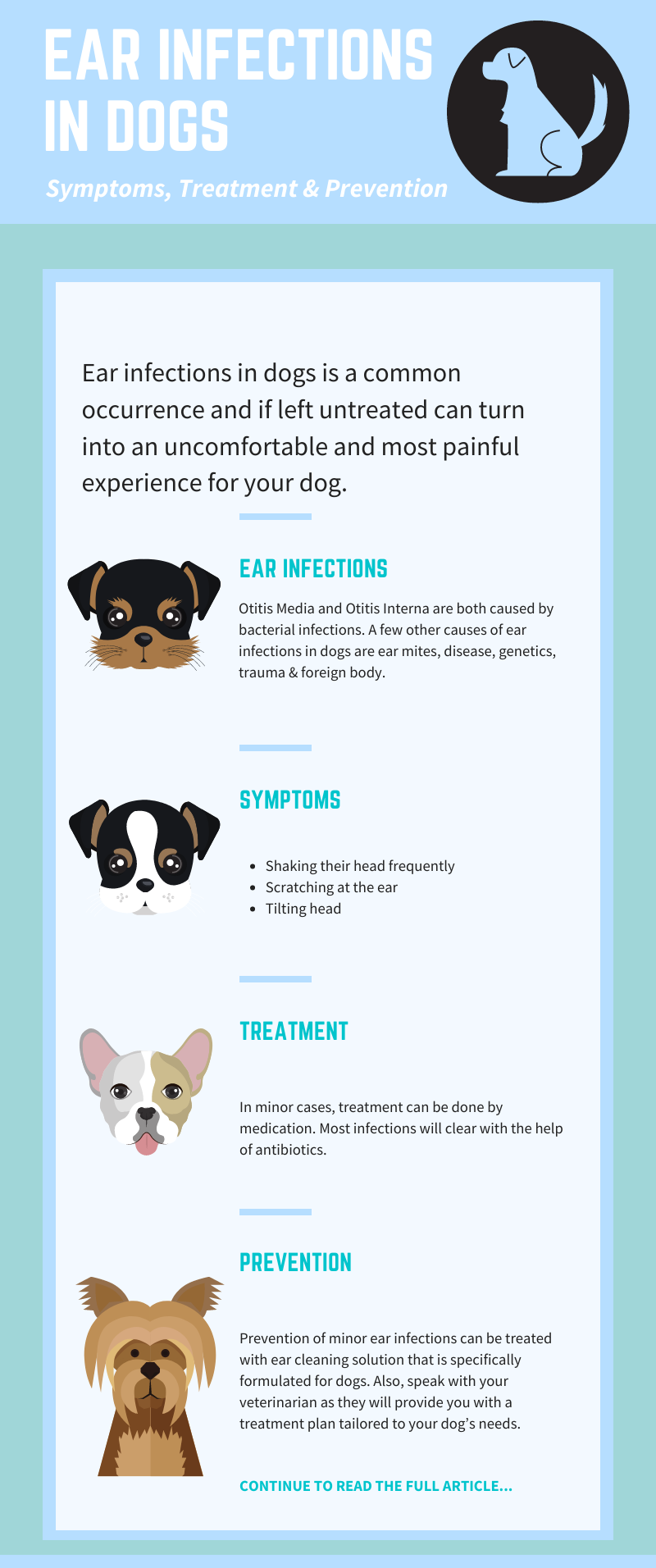
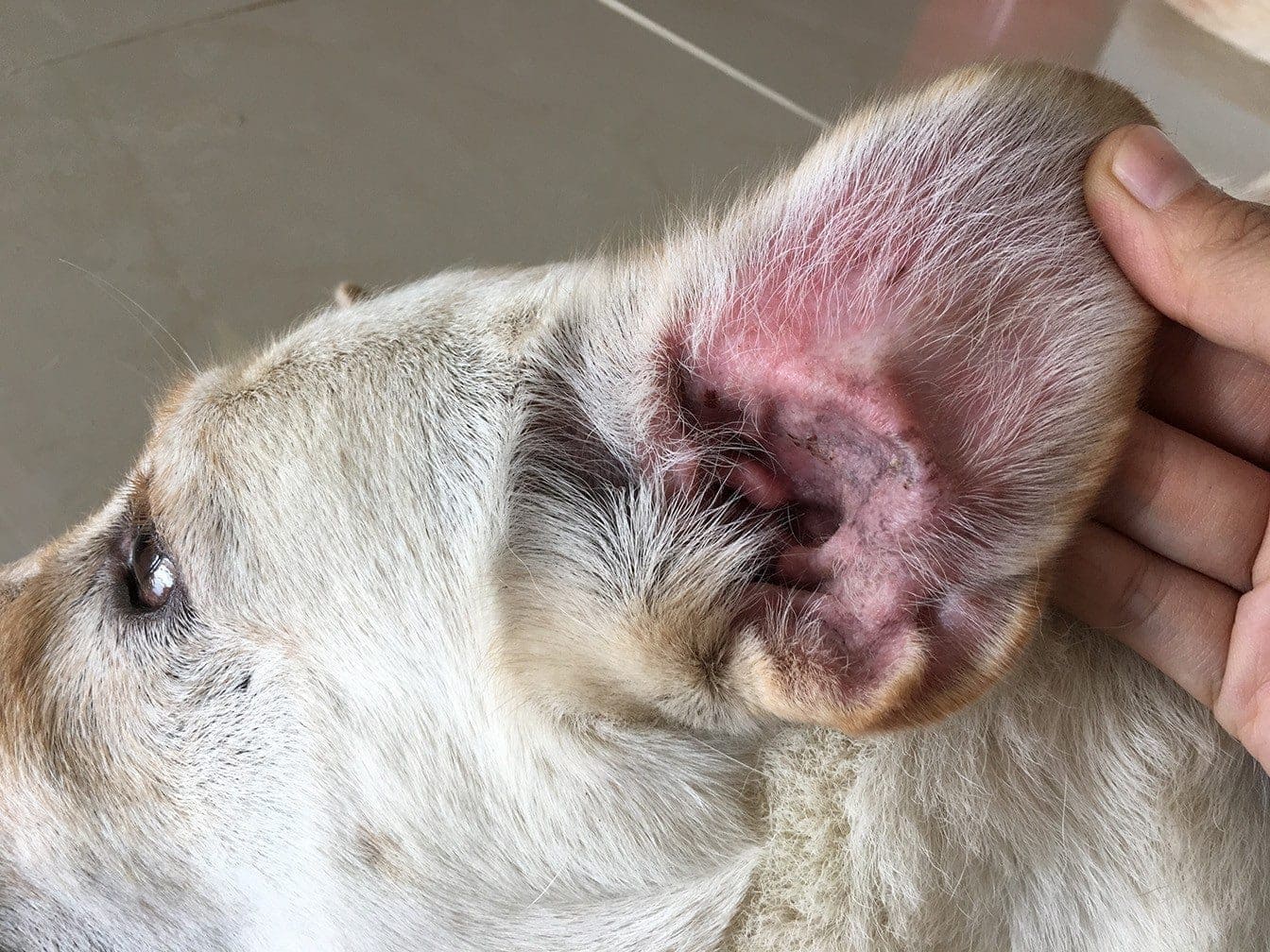
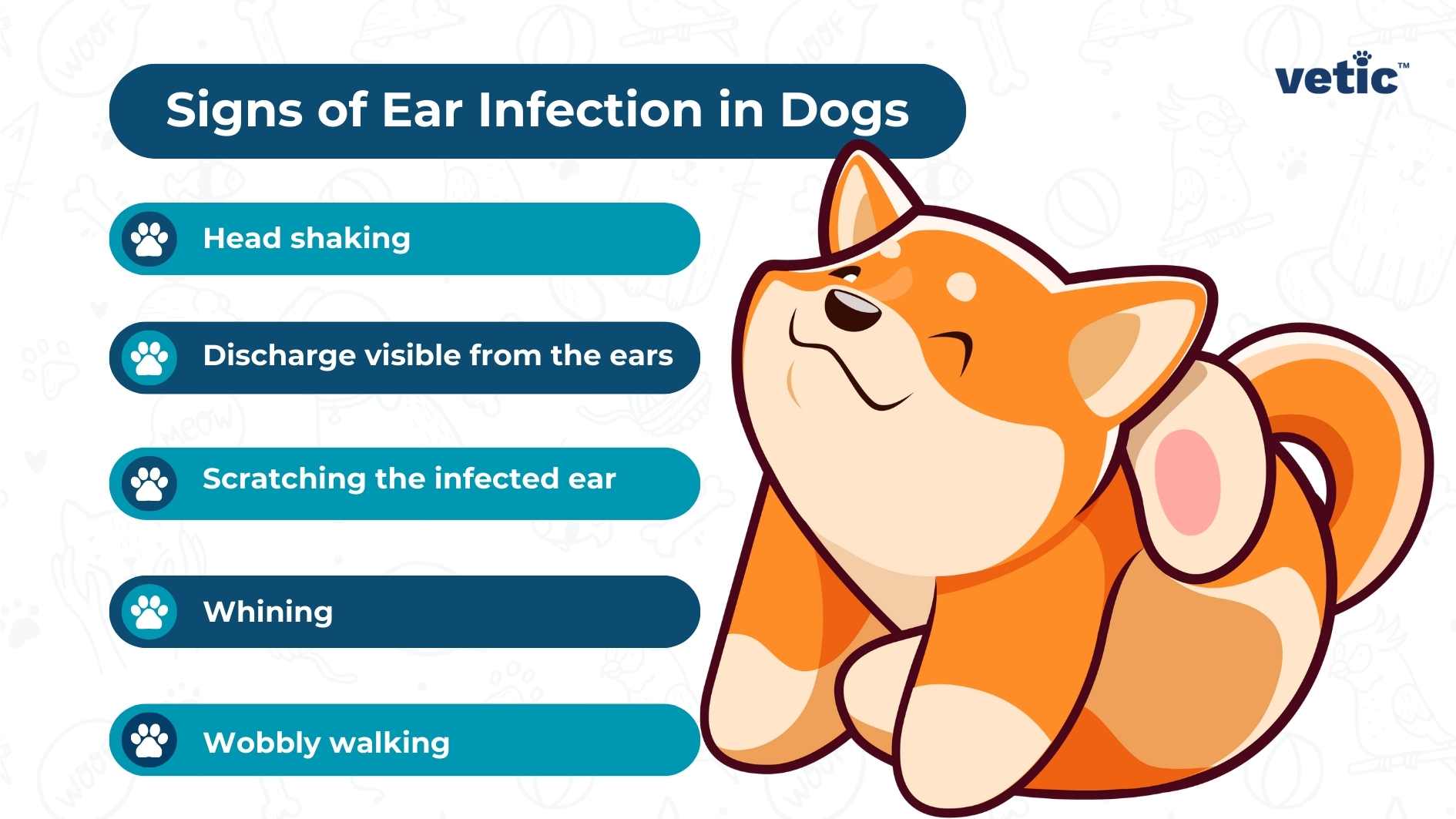
Otitis externa, the medical term for inflammation of the outer ear canal, directly influences how a dog acts, reacts, and moves throughout the day. A dog behavior ear infection typically manifests through repetitive actions like excessive head shaking, persistent pawing at the side of the head, and frantic scratching around the pinna, which is the visible flap of the ear. Beyond obvious physical scratching, subtle psychological shifts often occur. Affected animals might display sudden reluctance to participate in play, show irritability when family members approach the head region, or exhibit unusual clinginess and lethargy. The constant pressure and itchiness inside the auditory structure create a persistent state of stress, transforming a usually relaxed companion into an anxious or defensive pet.
The Impact of Otic Inflammation on Stress and Well-Being
Physical discomfort profoundly alters neurological and emotional stability in domestic canines, creating a ripple effect across daily routines and training responses. Chronic pain or intense localized itching triggers elevated cortisol levels, leading to hypervigilance, startling easily at everyday household noises, or showing uncharacteristic reactivity toward other animals in the household. Furthermore, sleep quality deteriorates significantly because the deep discomfort intensifies when resting in quiet environments. Comprehensive guidance on managing these physical and emotional changes is available through resources dedicated to Dog Health and overall wellness management.
Ear infections are among the most common medical diagnoses in veterinary medicine, frequently causing secondary behavioral changes due to localized pain and irritation. — American Veterinary Medical Association
Practical Approaches to Recognizing and Addressing Discomfort
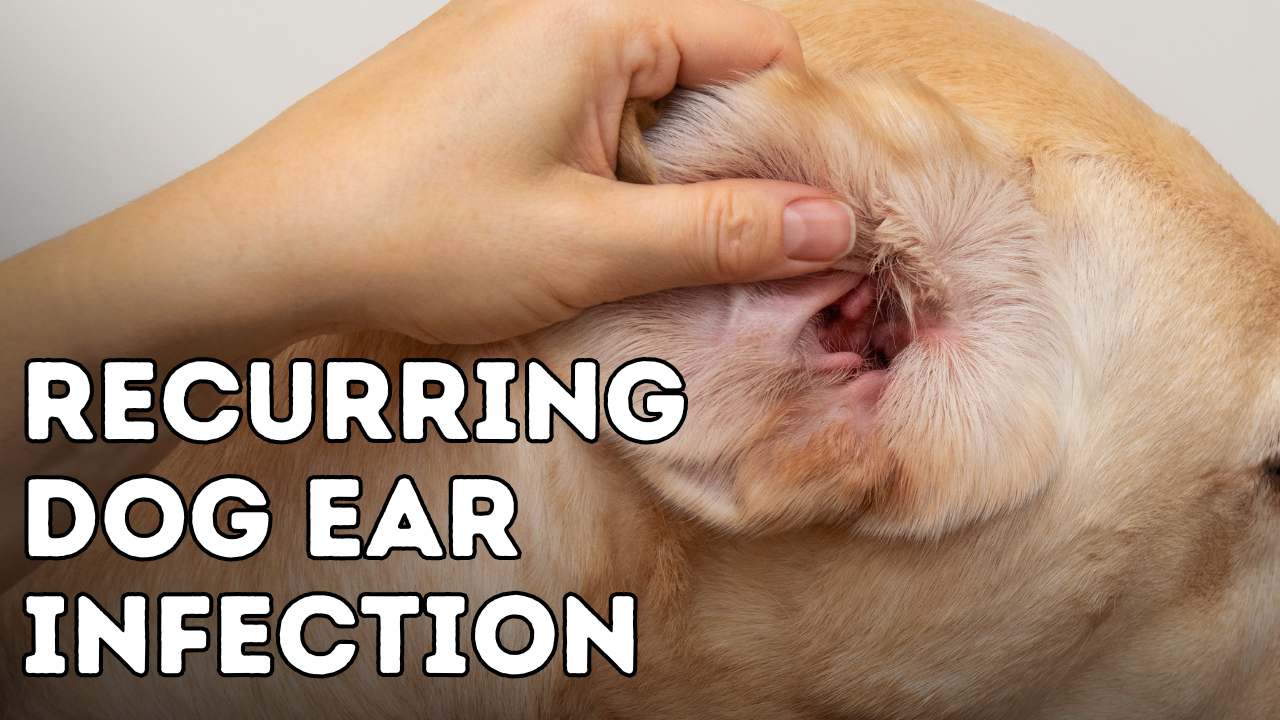
Observational vigilance and proactive home maintenance form the foundation of effective management when dealing with otic issues. Routine visual checks of the ear canal help detect early warning signs like redness, swelling, dark debris, or an unusual yeasty odor before behavioral distress becomes severe. Maintaining proper hygiene through gentle, vet-approved cleaning techniques prevents moisture buildup, which is a primary catalyst for microbial growth. When handling an affected animal, maintaining a calm demeanor ensures the pet does not associate human touch with additional stress or punishment.
Best Practices and Common Mistakes in Otic Care
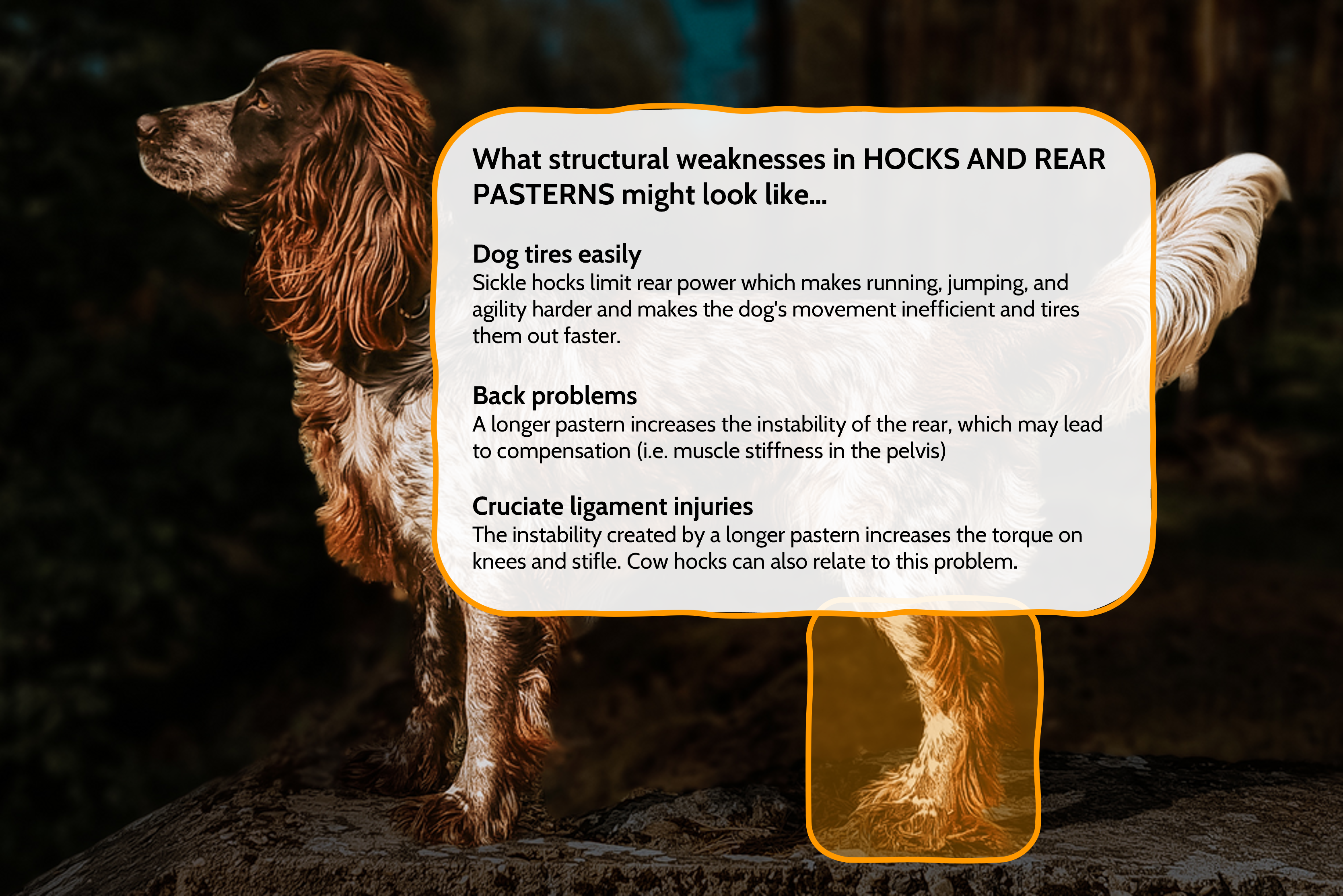
Avoiding frequent errors in hygiene routines ensures that delicate ear tissues remain undamaged during daily care. One major pitfall involves inserting cotton-tipped applicators deep into the ear canal, which risks packing debris further inward and potentially puncturing the tympanic membrane, also known as the eardrum. Additionally, applying over-the-counter medicated drops without a formal veterinary diagnosis can mask underlying symptoms or introduce incompatible chemical agents. Safe maintenance relies exclusively on exterior wiping with soft gauze and approved cleaning solutions recommended during clinical examinations.
The canine ear canal features a vertical and horizontal L-shaped bend, making it prone to trapping moisture, debris, and pathogens that require careful, non-invasive management. — American Kennel Club
Pet Care & Wellness Overview Table
| Life Stage | Daily Activity Level | Key Nutrition / Care Focus |
|---|---|---|
| Puppy / Kitten | High (frequent short bursts) | High-protein growth diet & early socialization |
| Adult Companion | Moderate (30–60 mins daily) | Balanced maintenance nutrition & dental hygiene |
| Senior Pets | Low to Gentle (mindful walks) | Joint support (Glucosamine) & routine vet checks |
Images References





Breed Predispositions and Anatomical Factors
Certain structural traits place specific animal groups at a much higher statistical risk for developing recurring ear issues. Breeds with long, pendulous ears, such as Basset Hounds and Cocker Spaniels, restrict air circulation, creating a warm, humid environment where yeast and bacteria thrive. Conversely, heavily coated or hair-growing breeds like Poodles accumulate loose hairs inside the canal, trapping wax and moisture. Understanding these anatomical realities allows guardians to tailor preventive care strategies accordingly, and additional insights can be found within resources covering various Dog Breeds.
When to Consult a Veterinary Professional
Professional medical evaluation becomes necessary whenever persistent scratching, head tilting, balance issues, or foul odors accompany behavioral shifts. Attempting to resolve advanced infections solely through home remedies prolongs suffering and risks permanent damage to the auditory system. A licensed veterinarian performs an otoscopic examination to inspect the eardrum, takes cytologic samples to identify specific pathogens like bacteria or yeast, and prescribes targeted antifungal or antibiotic formulations. For broader guidance on maintaining a safe environment and daily wellness routines, consult resources on Dog Care.
Supporting Long-Term Wellness and Comfort
Ensuring long-term comfort requires ongoing partnership with veterinary professionals alongside diligent observation of everyday demeanor and physical health. By addressing both the underlying medical causes and the resulting behavioral stress, guardians cultivate a peaceful, thriving environment for their companion animals. Comprehensive educational materials across Dog Training and general wellness help maintain strong bonds through informed stewardship. Visit PetsAnimalsWorld.com to explore additional expert-backed insights designed to support a healthy, balanced life for every furry family member.