Understanding Structural Development and Weak Pasterns in Growing Dogs
Watching a young canine grow brings countless moments of joy, yet watching that same young dog navigate unsteady steps can introduce genuine worry. According to the American Kennel Club, proper structural development during early puppyhood lays the foundation for a lifetime of comfortable mobility and athletic soundness. When an owner notices that a young dog appears to sink downward at the wrists or ankles, confusion often follows regarding normal growth phases versus genuine skeletal concerns. Recognizing these anatomical variations early helps caregivers support proper physical conditioning and seek appropriate veterinary guidance when structural anomalies arise during formative months.
💡 Pet Care Key Takeaways:
- Core Focus: Practical health, nutrition, and wellness guidelines for Loose Pasterns In Puppies.
- Target Scope: Pet owners, animal caregivers, and veterinary support staff.
- Best Recommendation: Maintain consistent daily routines and consult an accredited veterinarian before introducing major diet or medical changes.
Defining Loose Pasterns and Canine Anatomy
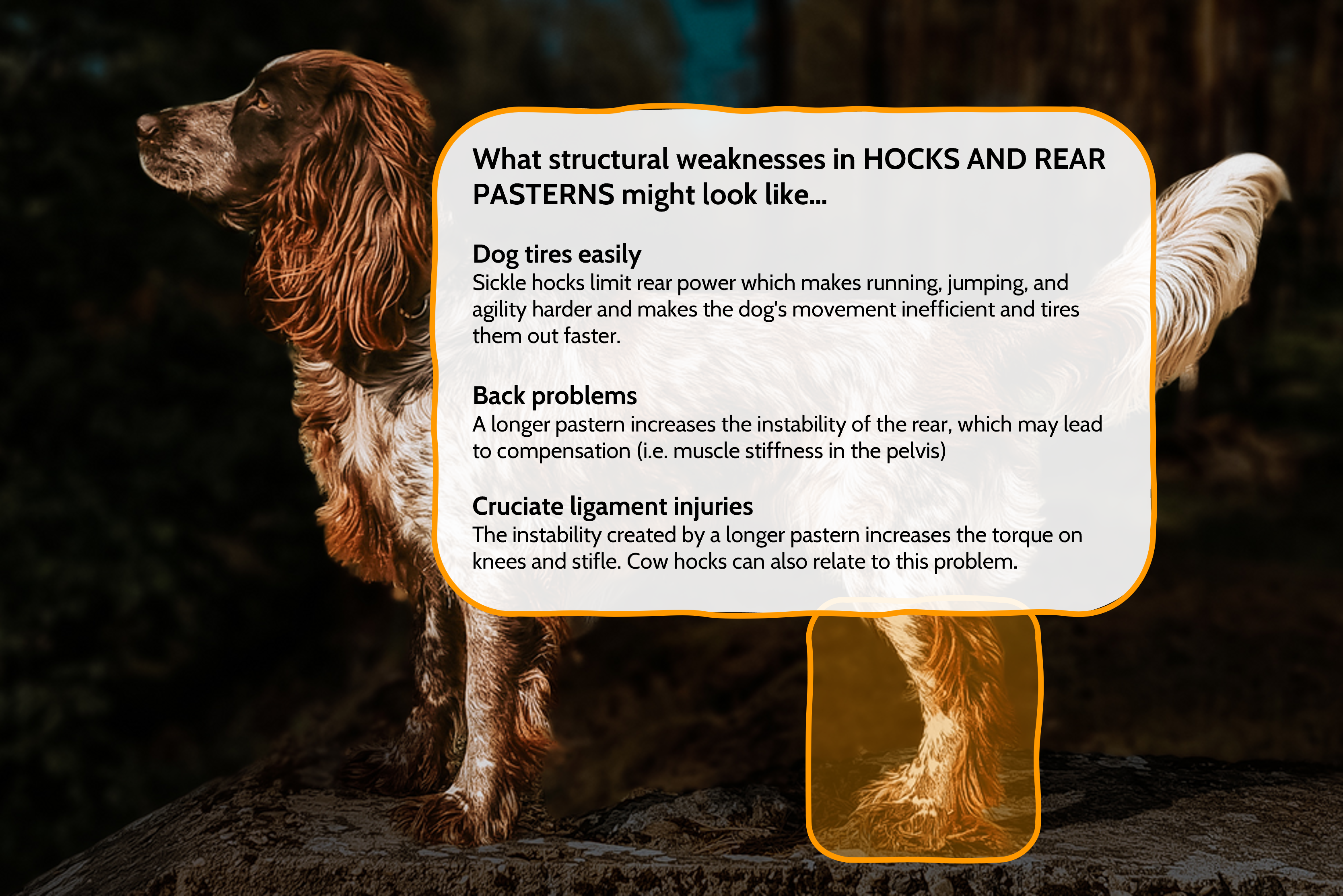
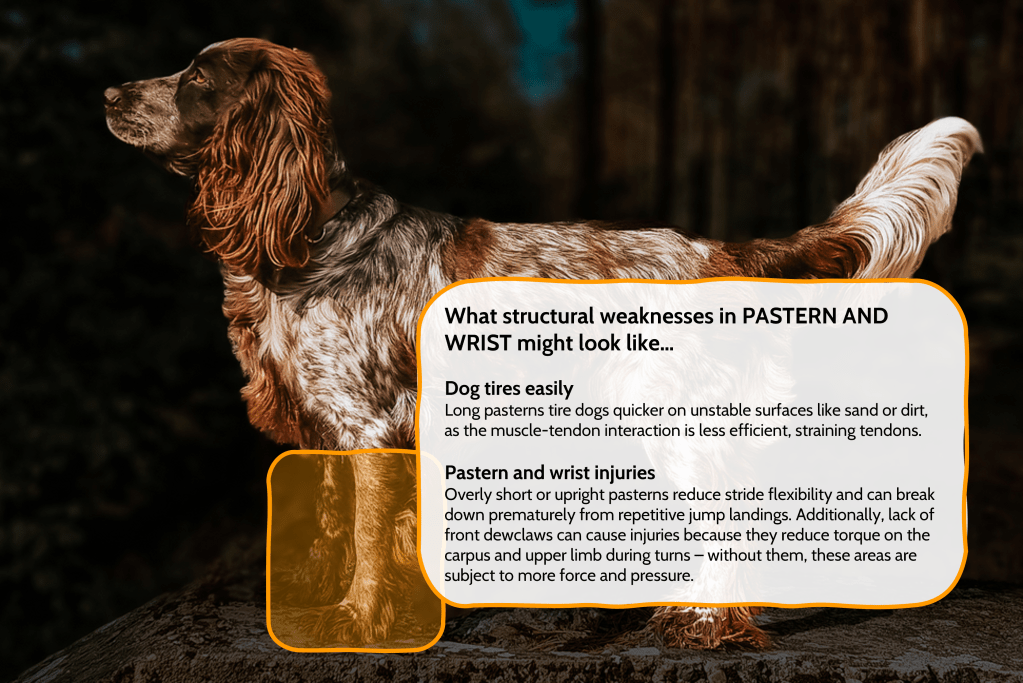
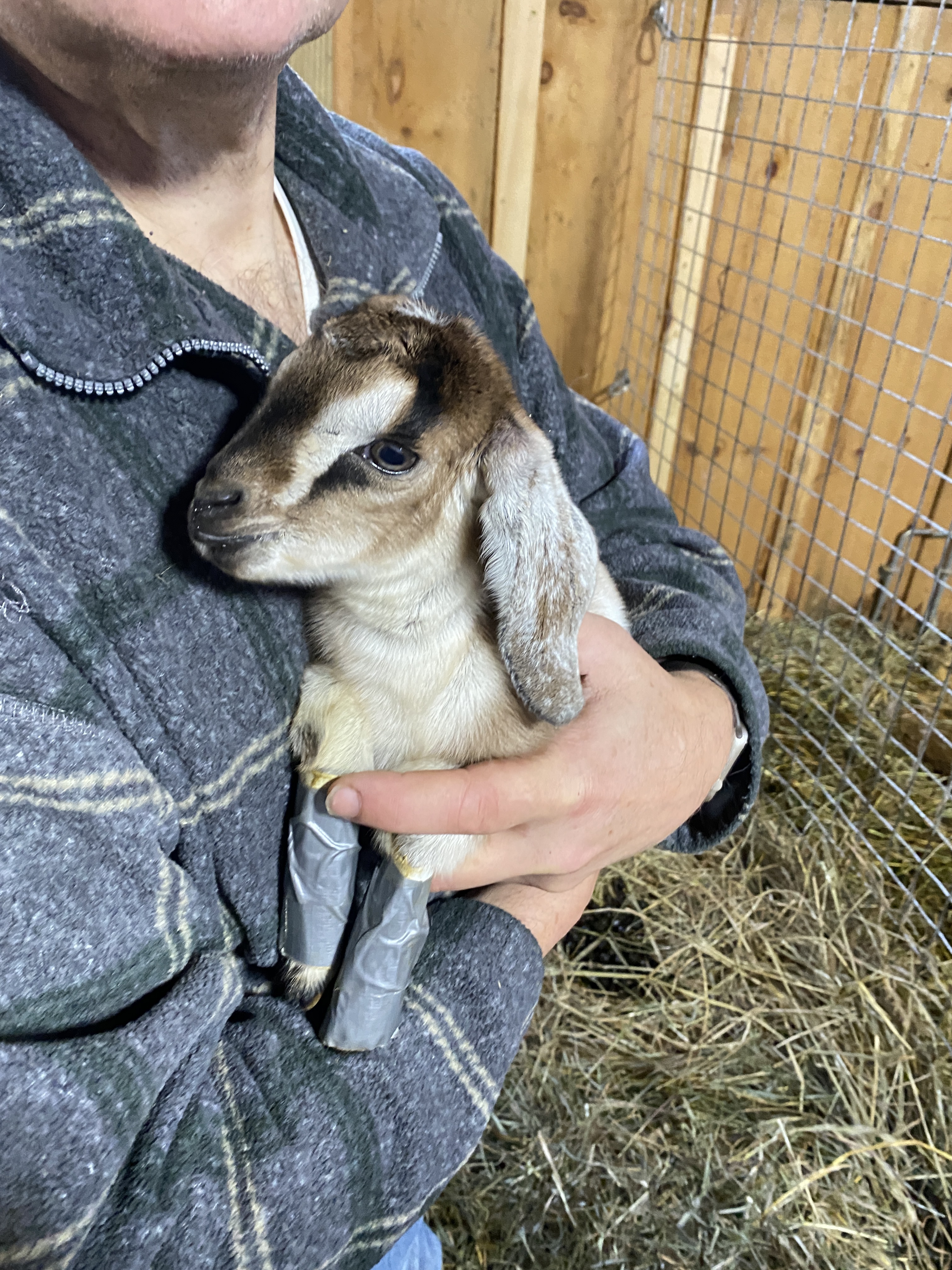
Loose pasterns refer to a developmental condition where the carpal or tarsal joints—the equivalent of human wrists and ankles—exhibit excessive laxity, causing the lower leg to slope downward toward the ground rather than standing straight and upright. This anatomical structure, scientifically termed carpal hyperextension when occurring in the front limbs, involves weak ligaments, tendons, and surrounding muscle support structures that have not yet achieved sufficient strength to maintain proper alignment. While mature dogs require rigid support to absorb impact during running and jumping, fast-growing juveniles often display temporary flexibility as their skeletal framework expands faster than the supporting soft tissues can mature and tighten. For more related activities, check out our Homemade Dog Treats For Dogs With Gallbladder Mucoceles.
Impact on Mobility and Long-Term Joint Health
Unstable lower limbs can alter a developing dog’s overall gait, shifting unnatural mechanical stress onto the elbows, shoulders, and digits. As the joints flex beyond normal angles during routine walking or play, growing cartilage and bone plates may experience uneven pressure distribution, which warrants careful monitoring by veterinary professionals. Furthermore, canine wellness experts emphasize that untreated structural weaknesses can sometimes persist into adulthood, potentially increasing vulnerability to early-onset joint degeneration or soft tissue injuries if high-impact activities are permitted before skeletal closure occurs.
Joint stability in growing dogs depends heavily on the harmonious development of supporting ligaments, tendons, and surrounding musculature alongside rapid skeletal elongation. — American Veterinary Medical Association
Management Strategies and Environmental Adjustments
Addressing lax joints typically involves a balanced approach focused on controlled exercise, appropriate nutrition, and safe flooring surfaces during the critical growth window. Restricting access to slippery hardwood or tile floors prevents sudden slipping that strains developing ligaments, while providing high-traction rugs or outdoor turf encourages stable footing. Veterinary practitioners often evaluate daily routines to ensure that physical activity remains age-appropriate, avoiding excessive forced running, repetitive jumping, or high-intensity agility training that places undue strain on fragile joints before growth plates close.
Best Practices and Common Management Mistakes
Providing optimal care requires careful attention to nutritional balance and structured physical conditioning without resorting to unproven supplements or extreme exercise restrictions. One frequent error involves independently administering high-dose calcium or vitamin supplements, which can actually disrupt delicate bone mineralization when combined with commercial diets formulated by organizations like the Association of American Feed Control Officials. Instead, caregivers should focus on maintaining a lean body condition score, as carrying excess body weight exacerbates stress on weak joints and hinders proper structural tightening.
Proper nutritional balance during early growth is critical, as over-supplementation can interfere with normal skeletal mineralization and joint development. — Association of American Feed Control Officials
Pet Care & Wellness Overview Table
| Life Stage | Daily Activity Level | Key Nutrition / Care Focus |
|---|---|---|
| Puppy / Kitten | High (frequent short bursts) | High-protein growth diet & early socialization |
| Adult Companion | Moderate (30–60 mins daily) | Balanced maintenance nutrition & dental hygiene |
| Senior Pets | Low to Gentle (mindful walks) | Joint support (Glucosamine) & routine vet checks |
Images References





Breed Predispositions and Growth Rate Factors
Certain canine populations experience transient joint laxity more frequently than others, particularly large and giant breeds whose rapid skeletal growth outpaces soft-tissue strengthening. Breeds with heavy bone density, significant body mass, or distinct conformational traits may temporarily look uncoordinated or down-in-the-pastern during growth spurts lasting several weeks or months. Understanding these breed-specific developmental patterns helps owners distinguish between a normal, self-correcting phase of growth and a progressive structural defect that requires ongoing Dog Health monitoring.
When to Consult a Veterinary Professional
Professional veterinary evaluation becomes essential if laxity worsens over time, if the young dog displays visible pain, reluctance to move, or swelling around the joint, or if the condition persists past the expected age of structural maturity. A qualified veterinarian can perform a comprehensive physical examination, assess gait mechanics, review daily nutritional intake, and rule out underlying nutritional secondary hyperparathyroidism or congenital deformities. Establishing an open dialogue with veterinary staff ensures that any necessary interventions—ranging from therapeutic exercise plans to specialized bracing—are implemented safely and effectively.
Supporting Lifelong Mobility and Wellness
Navigating the complexities of canine development requires patience, careful observation, and a commitment to evidence-based care practices. By staying informed about structural milestones, maintaining appropriate nutritional standards, and utilizing trusted resources available through PetsAnimalsWorld.com, caregivers can profoundly influence their companion’s long-term comfort and agility. Exploring additional guides on Dog Care and Dog Nutrition further equips owners to foster a vibrant, healthy lifestyle for their developing dogs.