Understanding Canine Wellness and Gabapentin Therapy
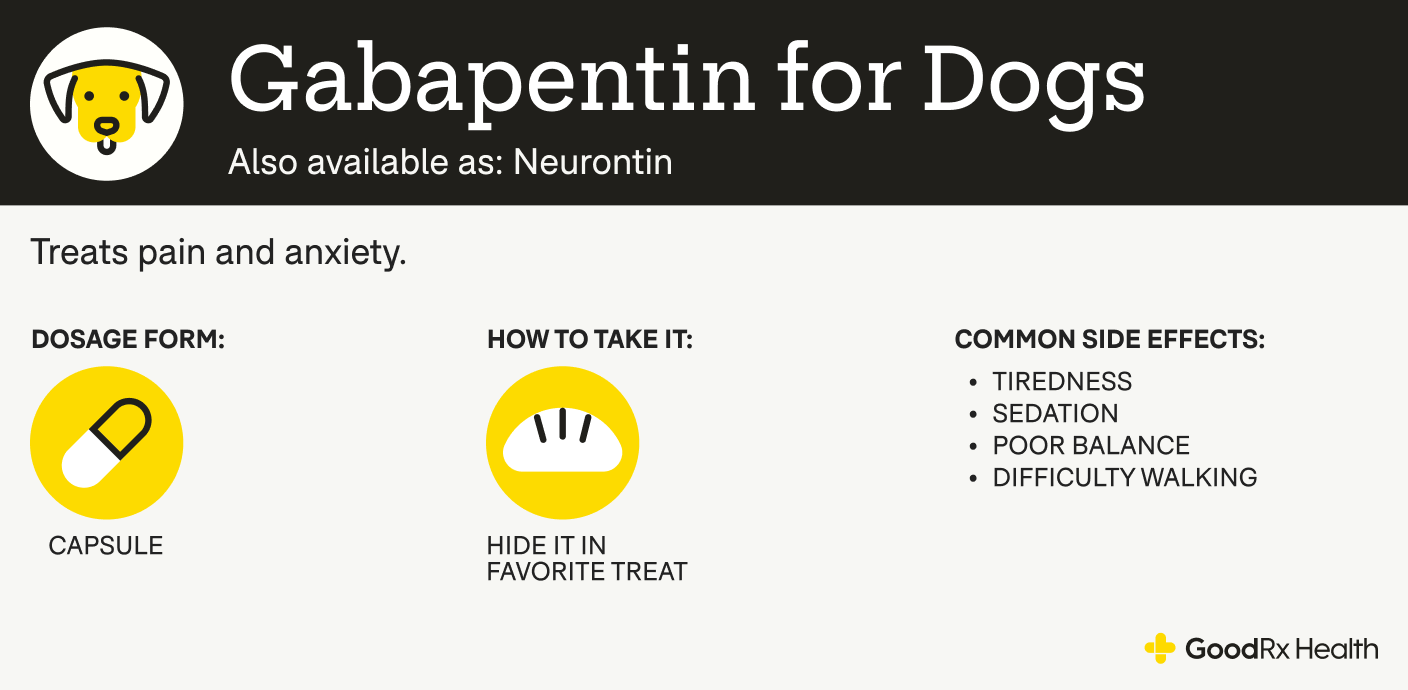
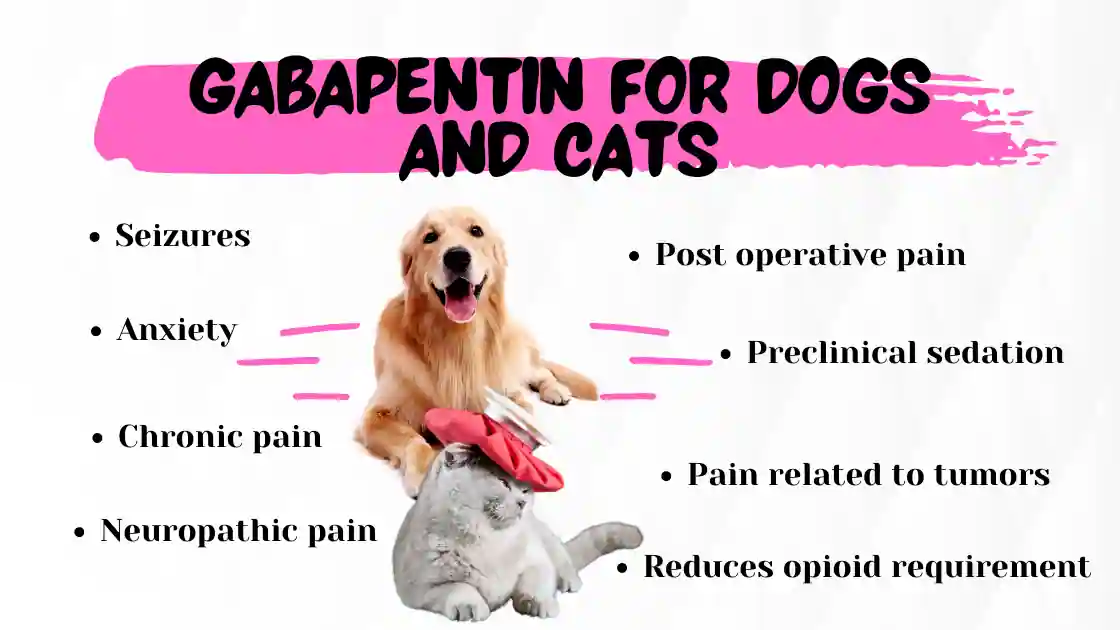
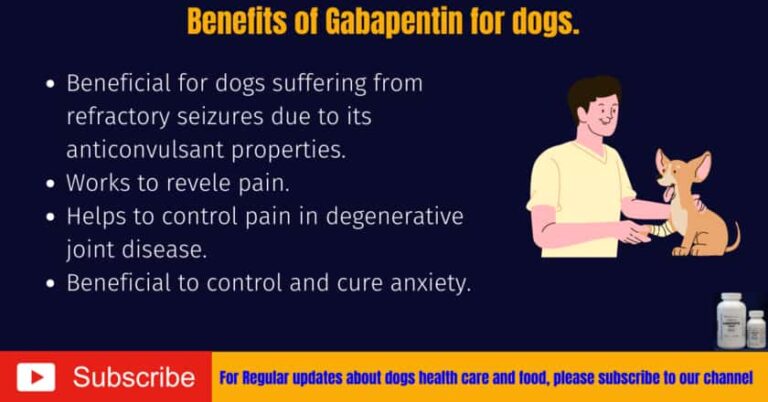
Watching a canine companion transition onto a new pharmaceutical regimen often brings curiosity and concern, especially regarding unexpected shifts in daily disposition. According to the American Veterinary Medical Association, medications prescribed for pain management or neurological support frequently induce noticeable adjustments in overall activity levels and alertness. Gabapentin, a prescription medication originally developed for human neurology, has become a widely utilized tool in veterinary medicine. It serves as an adjunct treatment for chronic pain, osteoarthritis, and neuropathic discomfort, as well as an anxiolytic agent for veterinary visits and storm phobias.
💡 Pet Care Key Takeaways:
- Core Focus: Practical health, nutrition, and wellness guidelines for Dog Behavior On Gabapentin.
- Target Scope: Pet owners, animal caregivers, and veterinary support staff.
- Best Recommendation: Maintain consistent daily routines and consult an accredited veterinarian before introducing major diet or medical changes.
Observing dog behavior on gabapentin requires careful attention from pet guardians, as chemical interventions alter central nervous system signaling. Because canine patients cannot articulate subtle sensations of dizziness or heavy-limbed relaxation, guardians rely entirely on visible physical cues and behavioral changes. Recognizing normal medication responses versus adverse reactions helps ensure the comfort and safety of the animal during recovery or long-term management.
Defining Gabapentin Effects on Canine Disposition
Dog behavior on gabapentin typically encompasses varying degrees of sedation, lethargy, and reduced muscular coordination as the compound interacts with neurotransmitter pathways. Scientifically classified as an anticonvulsant and gabapentinoid, the medication works by modulating calcium channels in the central nervous system, which subsequently dampens abnormal electrical activity and pain signals. This physiological braking mechanism explains why a previously restless dog might suddenly appear deeply relaxed or indifferent to environmental stimuli.
Common behavioral manifestations include a noticeable reluctance to jump onto furniture, an extended sleeping duration, and a generalized mellowing of high-energy reactions. While these effects are often intentional—particularly when managing acute anxiety or post-surgical confinement—they can sometimes startle guardians who expected a different therapeutic outcome. Differentiating between peaceful rest and profound lethargy remains a primary responsibility for anyone administering this substance.
Managing the daily routine of a medicated pet requires proactive adjustments to the living environment to accommodate altered mobility and cognitive processing speed. Reduced reaction times and mild ataxia, meaning loss of full control of bodily movements, can make slippery hardwood floors or steep staircases hazardous. Providing traction rugs, blocking off stairwells, and offering a quiet, low-traffic recovery zone significantly reduce accidental slips and unnecessary stress.
Gabapentin functions primarily by mimicking gamma-aminobutyric acid pathways to reduce nerve activity — American Veterinary Medical Association
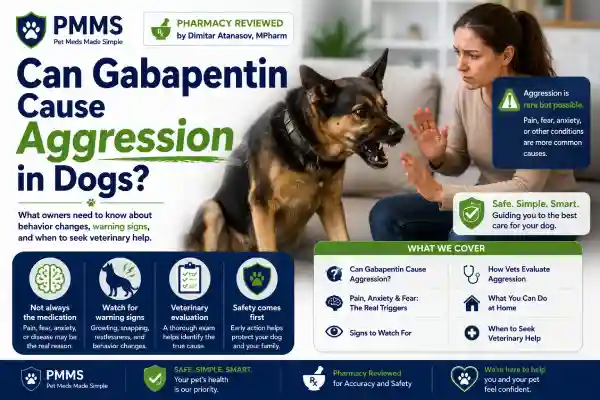
Furthermore, social interactions within the household may need modification. Other household pets might react strangely to a newly sedated companion, making supervised introductions or temporary separations wise precautions. Guardians should ensure that resting animals are never startled awake, as the sudden jolt combined with medication-induced grogginess can provoke an unintended defensive reaction.
Best Practices and Common Management Pitfalls
Successful administration relies heavily on strict adherence to veterinary guidance regarding dosage titration and schedule consistency. One frequent mistake involves altering the schedule abruptly or doubling up on doses following a missed administration, which can severely exacerbate sedative side effects. Introducing any new medication should always be paired with open communication with the prescribing veterinarian to tailor the plan specifically to the individual animal’s metabolism.
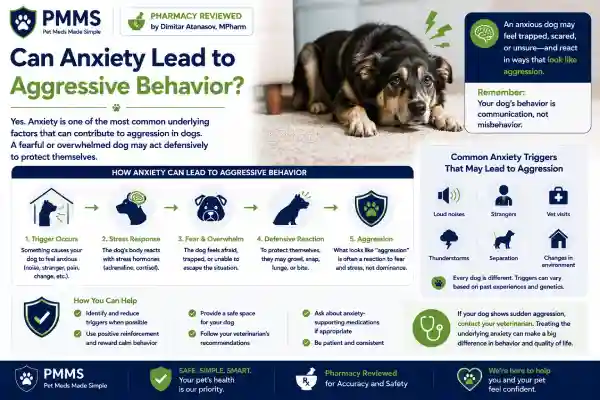
Another oversight is failing to monitor for paradoxical reactions, which occur when a substance meant to calm actually causes agitation, pacing, or vocalization. While rare, such responses indicate that the medication profile is ill-suited for that specific dog. Keeping a daily log of behavior, administration times, and physical reactions provides invaluable data for veterinary check-ins and dosage adjustments.
Concurrent use of certain liquid formulations containing xylitol can be acutely toxic to dogs — ASPCA Animal Poison Control Center
Pet Care & Wellness Overview Table
| Life Stage | Daily Activity Level | Key Nutrition / Care Focus |
|---|---|---|
| Puppy / Kitten | High (frequent short bursts) | High-protein growth diet & early socialization |
| Adult Companion | Moderate (30–60 mins daily) | Balanced maintenance nutrition & dental hygiene |
| Senior Pets | Low to Gentle (mindful walks) | Joint support (Glucosamine) & routine vet checks |
Images References




Individual Factors Influencing Medication Response
Breed, age, body weight, and concurrent health statuses all heavily dictate how an individual canine processes pharmaceutical agents. Senior dogs, for instance, often metabolize medications much slower than younger adults, meaning standard doses can lead to prolonged drowsiness. Exploring Dog Health resources helps guardians understand how geriatric physiology impacts pharmaceutical processing.
Additionally, working breeds or high-drive temperaments might fight the sedative effects, resulting in a restless, uncoordinated state rather than peaceful relaxation. Understanding these biological nuances prevents misplaced panic and encourages tailored care strategies that respect the unique needs of each animal, bridging the gap between clinical prescription and daily living.
When Professional Veterinary Consultation Becomes Necessary
Any persistent, severe, or worsening behavioral shift warrants an immediate conversation with the prescribing veterinary clinic before modifying or discontinuing the regimen. If a dog experiences complete collapse, extreme difficulty breathing, profound unresponsiveness, or continuous distress, urgent veterinary evaluation is required. To explore broader behavioral support strategies, consult trusted guidance on Dog Behavior.
Professional oversight ensures that dosage adjustments remain safe and effective. Never attempt to utilize human-grade leftover prescriptions or administer home remedies for adverse reactions without direct clinical authorization, as precise formulations vary wildly and carry distinct risks.
Supporting Canine Health Through Informed Care
Navigating pharmaceutical support requires patience, close observation, and a collaborative relationship with veterinary professionals to maximize comfort and minimize risks. By understanding the physiological mechanisms behind dog behavior on gabapentin, guardians can create a supportive, safe environment tailored to their companion’s temporary or long-term needs. Explore further educational resources, breed insights via Dog Breeds, and daily management tips on Dog Care to ensure every pet thrives. Discover more expert guidance by visiting PetsAnimalsWorld.com.