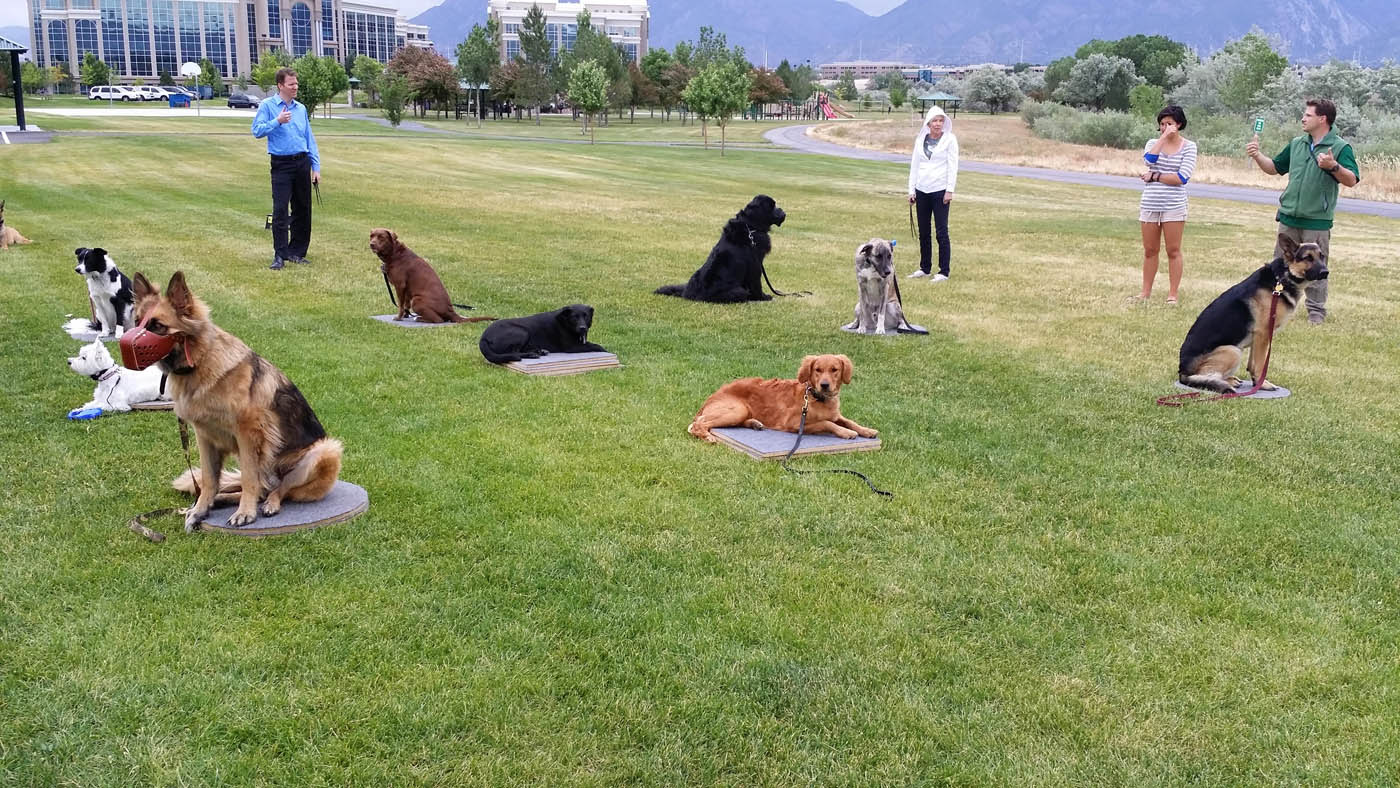
The Significance of Structured Canine Education
Effective dog training in the United States encompasses a wide array of methodologies designed to foster communication between humans and their canine companions. According to the American Veterinary Medical Association (AVMA), socialization and training are critical components of responsible pet ownership, as they promote positive behaviors and help prevent common issues that lead to animal abandonment. Training serves as more than just teaching tricks; it provides mental stimulation, builds confidence, and establishes a foundation of mutual trust. By prioritizing humane, evidence-based practices, owners can ensure their dogs navigate the complexities of modern life with greater ease and safety.
💡 Pet Care Key Takeaways:
- Core Focus: Practical health, nutrition, and wellness guidelines for Dog Training Usa.
- Target Scope: Pet owners, animal caregivers, and veterinary support staff.
- Best Recommendation: Maintain consistent daily routines and consult an accredited veterinarian before introducing major diet or medical changes.
Understanding the Landscape of Dog Training in the USA
Dog training in the United States refers to the application of learning theory—specifically operant and classical conditioning—to shape desired behaviors while discouraging unwanted ones. The contemporary approach emphasizes positive reinforcement, which involves rewarding a dog for performing a correct action rather than punishing it for mistakes. This method relies on the principle that behaviors followed by favorable outcomes are likely to be repeated. Professional trainers across the country typically advocate for this approach, as it fosters a collaborative relationship rather than one based on fear or intimidation. Whether focusing on basic obedience, such as sitting and staying, or more complex tasks like service work or agility, the objective remains the same: creating a clear, consistent language that the dog can understand.
The Behavioral and Physical Impact of Consistent Training
Consistent, well-structured training has a profound impact on the long-term well-being of a dog, influencing both mental health and physical safety. Dogs that understand clear boundaries and expectations often exhibit lower levels of stress and anxiety, as they are not left to guess how to navigate their environment. Furthermore, training allows for better management of high-arousal behaviors, such as jumping on guests or pulling on a leash, which can pose physical risks to both the animal and the handler. Engaging in regular training sessions also provides necessary Dog Behavior enrichment, keeping the mind sharp and preventing the development of destructive habits born from boredom or lack of direction.
Positive reinforcement training, which focuses on rewarding desired behaviors, is widely considered the most effective and humane approach to canine education. — American Society for the Prevention of Cruelty to Animals (ASPCA)
Implementing Effective Training Strategies
Addressing training needs requires patience, consistency, and a clear understanding of the individual dog’s motivations. Effective sessions are typically short, frequent, and conducted in environments with minimal distractions to ensure the dog can focus on the lesson. Rewards, such as high-value treats, toys, or praise, should be provided immediately following the desired behavior to create a strong association. Owners should focus on “capturing” good behavior, which involves rewarding a dog for doing something desirable naturally, such as lying down quietly on a mat. By breaking complex skills into smaller, manageable steps—a process known as shaping—owners can guide their pets toward success without causing unnecessary frustration.
Best Practices and Common Pitfalls
Successful training hinges on avoiding common mistakes that can hinder progress or erode trust. One frequent error is the use of punitive measures, which are often misunderstood by the dog and can lead to increased fear, aggression, or a breakdown in the human-animal bond. Consistency is equally vital; if one family member allows a dog on the couch while another forbids it, the dog will struggle to learn the rules. Furthermore, owners should avoid training when they are feeling impatient or frustrated, as these emotions can negatively affect the dog’s performance. Instead, prioritize Dog Training as a pleasant, bonding experience that is mutually beneficial for both parties.
Socialization, the process of exposing a dog to new people, environments, and other animals in a controlled manner, is essential for preventing future behavioral problems. — American Kennel Club (AKC)
Pet Care & Wellness Overview Table
| Life Stage | Daily Activity Level | Key Nutrition / Care Focus |
|---|---|---|
| Puppy / Kitten | High (frequent short bursts) | High-protein growth diet & early socialization |
| Adult Companion | Moderate (30–60 mins daily) | Balanced maintenance nutrition & dental hygiene |
| Senior Pets | Low to Gentle (mindful walks) | Joint support (Glucosamine) & routine vet checks |
Images References




Breed, Age, and Temperament Considerations
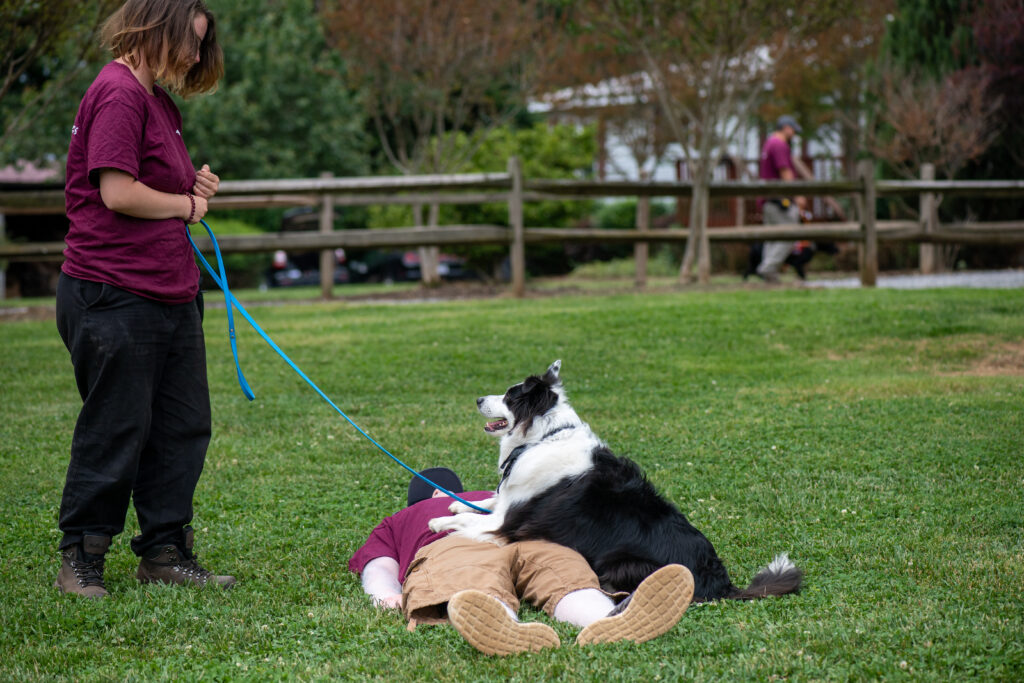
Every dog is a unique individual, and training programs must be tailored to account for specific breed characteristics, age-related developmental stages, and personal temperament. Working breeds, such as Border Collies or German Shepherds, may require more intense mental and physical outlets to remain satisfied, while smaller or more sensitive breeds might respond better to lower-pressure, praise-based approaches. Puppies are in a critical period of development where they are highly impressionable, making early, positive experiences vital for long-term social health. Conversely, older dogs are fully capable of learning new skills, though they may require more time and patience to unlearn previously established habits. Recognizing these nuances ensures that Dog Care and training efforts remain effective and respectful of the dog’s innate needs.
When to Seek Professional Guidance
While many behavioral challenges can be managed through consistent, positive training at home, certain situations necessitate the intervention of a certified professional. If a dog displays persistent aggression, severe separation anxiety, or fear-based behaviors that threaten the safety of others, it is imperative to consult a certified professional dog trainer or a veterinary behaviorist. These experts possess the specialized knowledge required to address complex issues through safe, humane, and structured modification plans. Additionally, if a sudden change in behavior occurs, a visit to a veterinarian is the first step to rule out underlying medical issues, as pain or illness can often manifest as behavioral changes.
Moving Forward with Confident Training
Embarking on a training journey strengthens the connection between owners and their dogs, creating a harmonious environment where both can thrive. By utilizing evidence-based, humane techniques and maintaining a focus on positive reinforcement, owners can navigate the challenges of pet ownership with confidence. For further insights into maintaining your pet’s health, understanding their natural instincts, or refining your training techniques, visit PetsAnimalsWorld.com. Explore our resources on Dog Health and Dog Nutrition to ensure your companion receives the comprehensive support they deserve throughout every stage of life.