Understanding the Importance of Credentialed Dog Training
Navigating the world of canine education can be complex, as the industry lacks uniform legal regulations regarding the use of the term “trainer.” Because anyone can technically claim this title without formal education or certification, understanding dog training qualifications is essential for pet owners seeking safe, effective, and humane guidance for their companions. According to the American Veterinary Society of Animal Behavior, the choice of a trainer is a critical decision that directly impacts the welfare, safety, and long-term behavioral health of a dog. Selecting a professional who holds recognized credentials ensures that the methods utilized are based on established scientific principles rather than outdated or potentially harmful practices.
💡 Pet Care Key Takeaways:
- Core Focus: Practical health, nutrition, and wellness guidelines for Dog Training Qualifications.
- Target Scope: Pet owners, animal caregivers, and veterinary support staff.
- Best Recommendation: Maintain consistent daily routines and consult an accredited veterinarian before introducing major diet or medical changes.
Defining Professional Dog Training Qualifications
Dog training qualifications refer to certifications earned through reputable, third-party organizations that require rigorous testing, adherence to a strict code of ethics, and a demonstrated commitment to continuing education. These qualifications distinguish professionals who have undergone standardized assessment from those who rely solely on self-taught experience. Key certifications often look for evidence of knowledge in learning theory—the study of how dogs process information and change their behavior based on consequences—and the application of force-free, positive reinforcement techniques. By prioritizing trainers who hold credentials from nationally recognized bodies, owners can ensure their pets are learning in an environment that minimizes stress and promotes healthy cognitive development.
Impact on Behavioral Health and Canine Welfare
The methodology employed by a trainer has a profound impact on a dog’s psychological well-being, as improper techniques can exacerbate underlying anxiety or lead to new behavioral concerns. Professionals with verified qualifications are trained to identify the nuances of canine body language, allowing them to adjust strategies based on an individual dog’s emotional state rather than applying a “one-size-fits-all” approach. When training is approached through a lens of behavioral science, it fosters a stronger, more trusting relationship between the pet and the owner. Conversely, reliance on intimidation-based methods can damage this bond and potentially suppress warning signs of aggression, which may increase the risk of future incidents. For further insights into how to support a pet’s emotional needs, explore resources on Dog Behavior.
The American Veterinary Society of Animal Behavior emphasizes that the use of punishment-based training methods is associated with an increased risk of aggression and other behavioral issues in dogs. — American Veterinary Society of Animal Behavior
Evaluating and Selecting a Qualified Professional
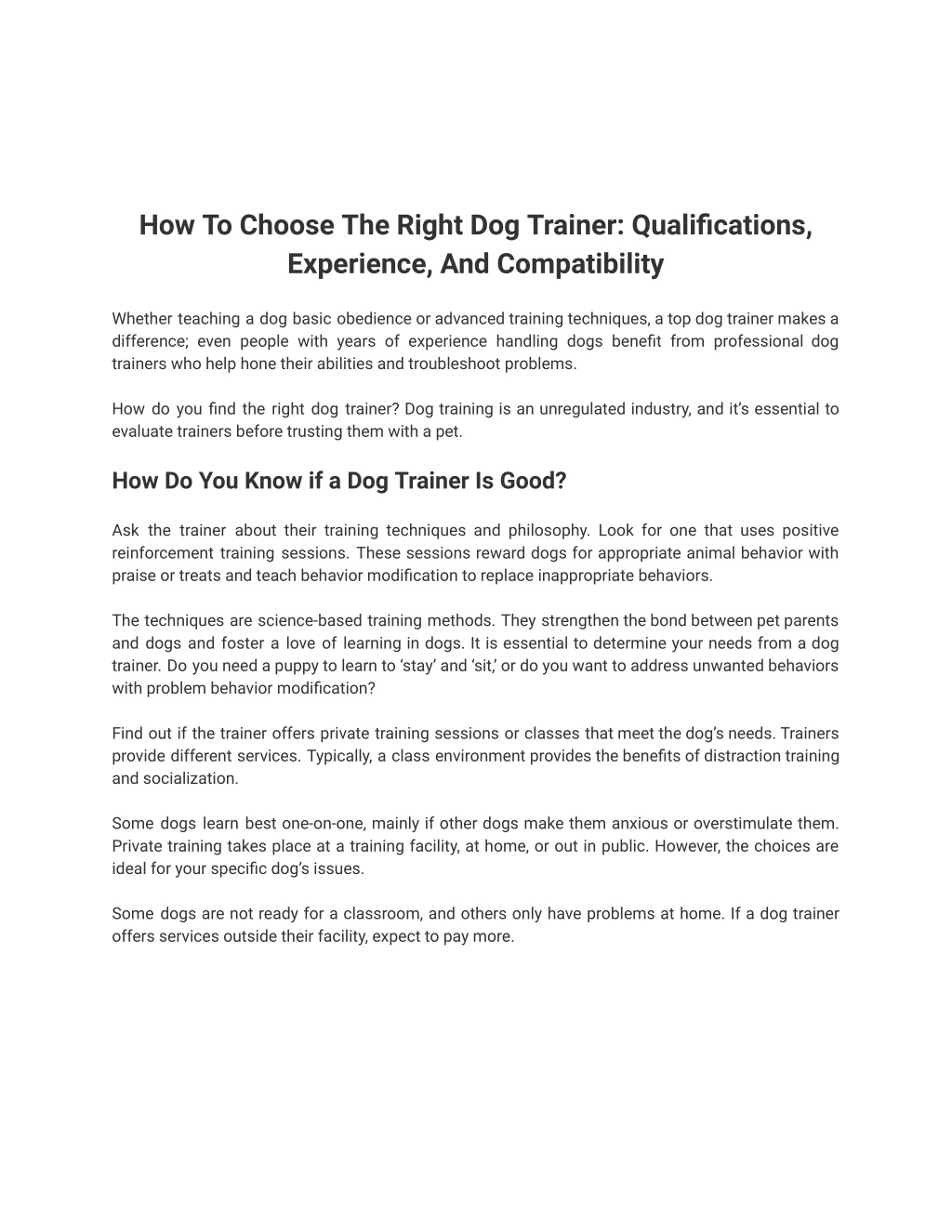
When researching potential trainers, owners should look for transparency regarding certification, experience, and the specific methodology used during sessions. A qualified trainer will be happy to discuss their educational background and explain why they choose specific reinforcement strategies, such as the use of rewards for desired actions rather than physical corrections for mistakes. It is advisable to ask if the professional is a member of reputable associations that mandate ongoing education, as the field of animal behavior is constantly evolving with new research. Observing a session, either in person or through provided demonstrations, can also help determine if the trainer’s style aligns with the owner’s expectations for a humane and supportive learning environment. Comprehensive guidance on basic skills and socialization can be found within Dog Training resources.
Best Practices for Choosing a Trainer
To avoid common pitfalls, owners should prioritize trainers who focus on teaching the dog what to do, rather than focusing solely on what not to do. A significant red flag is any professional who guarantees specific behavioral outcomes or suggests that dominance over the dog is necessary for success. Instead, seek trainers who emphasize clear communication, consistency, and the use of high-value rewards to motivate learning. It is also beneficial to verify that the trainer holds professional liability insurance, as this demonstrates a commitment to professional standards and accountability. Always ensure the trainer is comfortable working with the specific needs of the individual dog, whether that involves puppy socialization, basic obedience, or managing minor reactivity.
The American Kennel Club recommends that owners select trainers who use positive, reward-based methods to encourage a dog’s natural desire to learn and cooperate. — American Kennel Club
Pet Care & Wellness Overview Table
| Life Stage | Daily Activity Level | Key Nutrition / Care Focus |
|---|---|---|
| Puppy / Kitten | High (frequent short bursts) | High-protein growth diet & early socialization |
| Adult Companion | Moderate (30–60 mins daily) | Balanced maintenance nutrition & dental hygiene |
| Senior Pets | Low to Gentle (mindful walks) | Joint support (Glucosamine) & routine vet checks |
Images References







Considering Breed, Age, and Individual Temperament
The effectiveness of a training program often depends on the alignment between the training style and the dog’s unique characteristics. Younger dogs, for instance, have different cognitive thresholds and energy levels compared to senior dogs, requiring a trainer who understands developmental milestones. Similarly, certain breeds may have specific historical drives or sensitivities that a qualified professional will account for when designing a lesson plan. Rather than forcing a dog into a rigid structure, a skilled trainer tailors the pace and complexity of tasks to match the individual’s comfort level. For those interested in the specific traits and histories of different breeds, detailed information is available at Dog Breeds.
When to Consult a Veterinary Professional
Behavioral changes can sometimes be rooted in underlying physical discomfort or illness, making a veterinary examination a critical first step for any significant behavioral concern. If a dog displays sudden changes in temperament, persistent fear, or severe reactivity, it is necessary to consult a veterinarian to rule out pain or medical conditions. In cases involving complex behavioral issues like severe anxiety or aggression, a veterinary behaviorist—a veterinarian with specialized training in behavior—may be the most appropriate professional to manage the situation. Veterinary professionals can provide a comprehensive assessment that considers both the medical and environmental factors influencing a dog’s behavior, ensuring a safe and effective path forward.
Empowering Your Journey as a Responsible Pet Owner
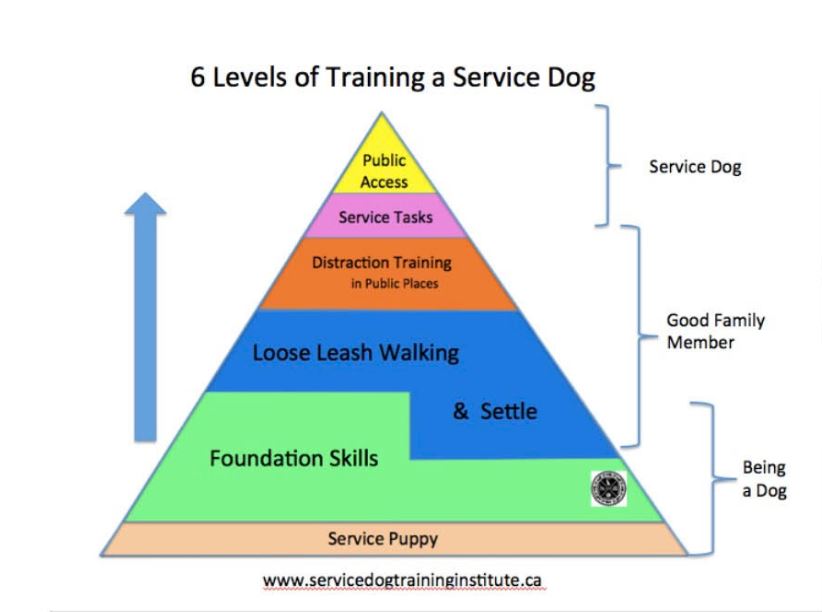
Investing time in selecting a qualified trainer is an investment in the long-term happiness and safety of a canine companion. By prioritizing evidence-based practices and professional credentials, owners create a foundation of mutual respect and clear communication. Whether addressing foundational skills or navigating more complex challenges, remember that the goal is always to enhance the quality of life for the pet. For continued learning and support on all aspects of canine well-being, visit PetsAnimalsWorld.com, where you can access further guidance on Dog Care and Dog Health to ensure your dog remains happy, healthy, and well-adjusted throughout every stage of life.