Introduction
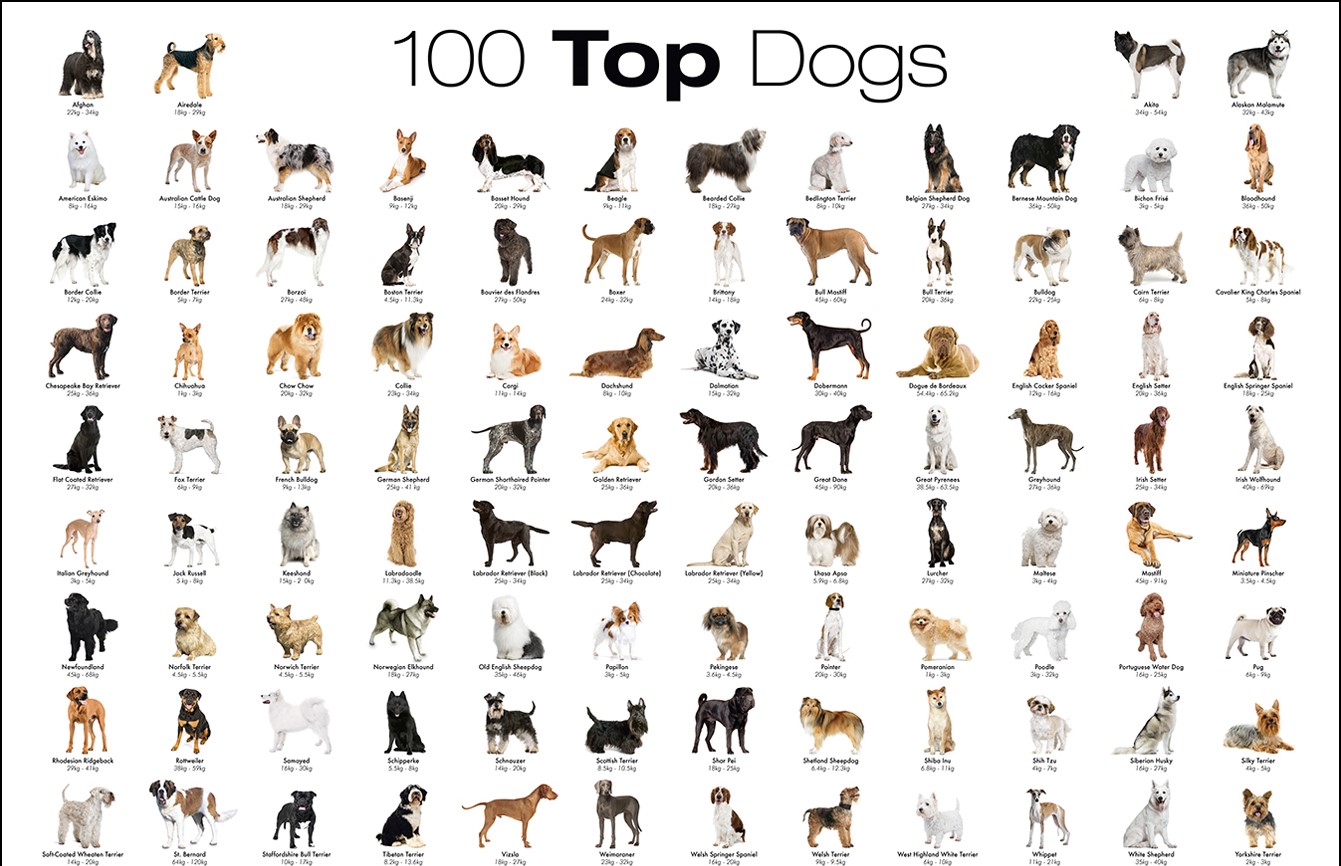
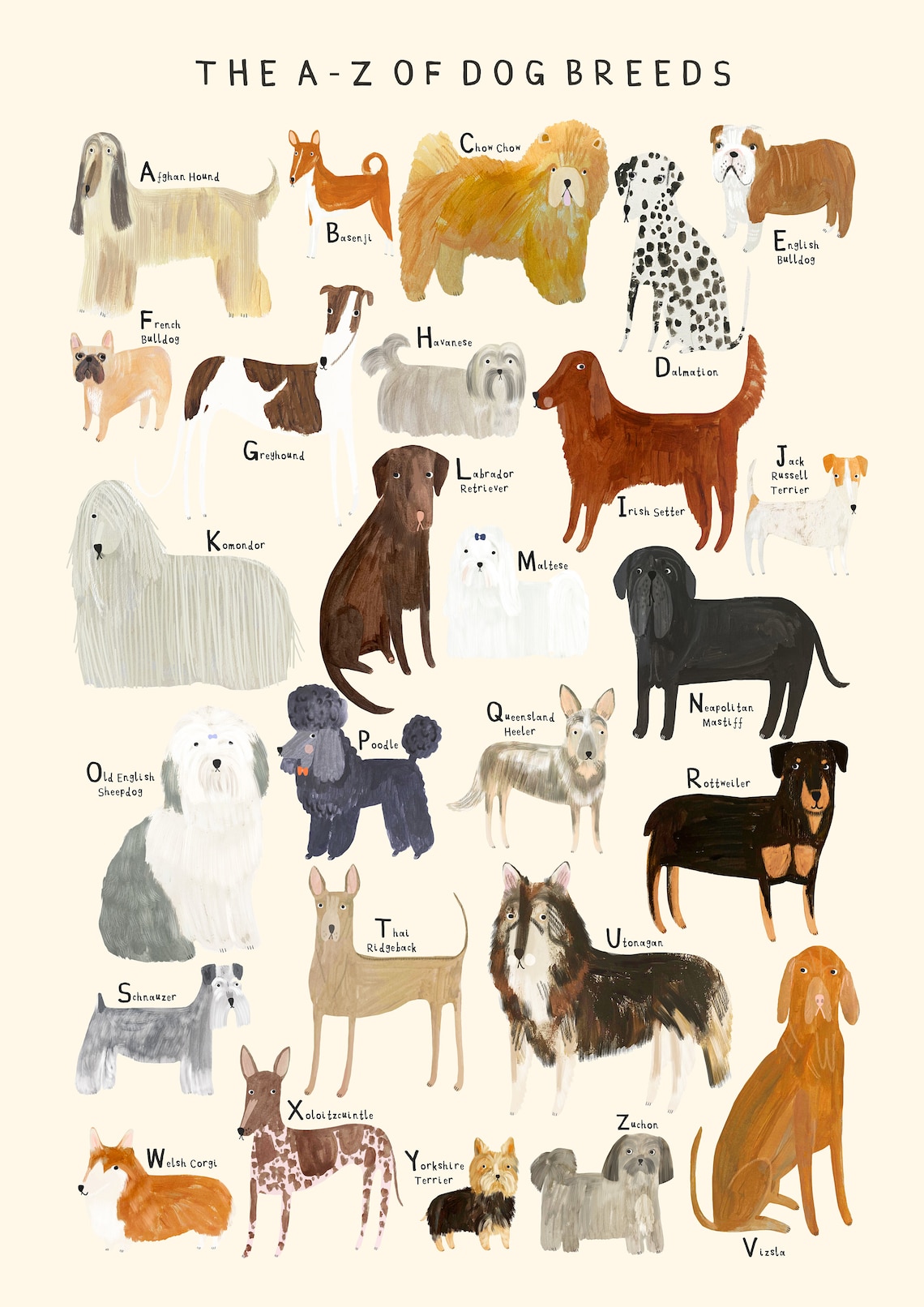
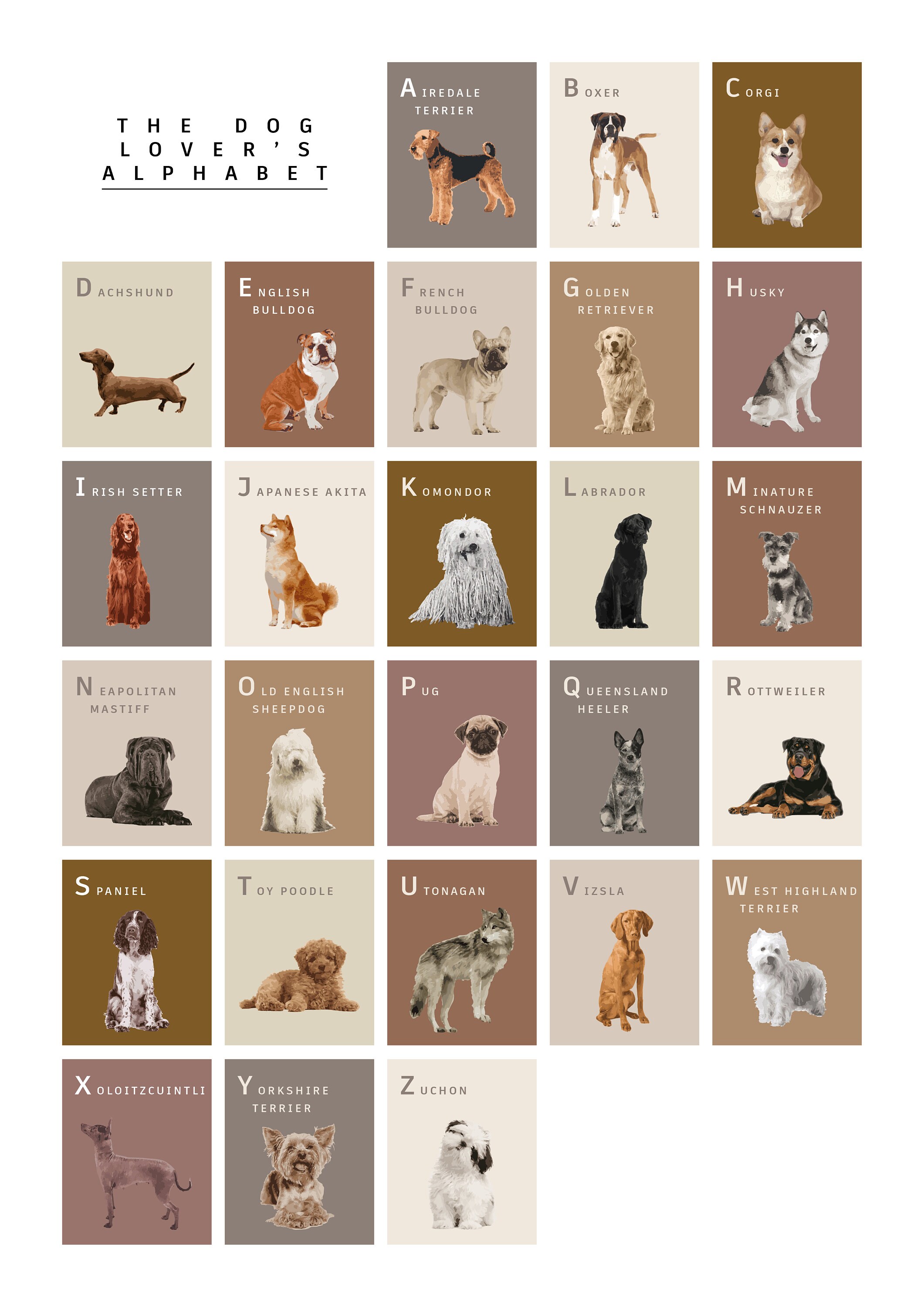
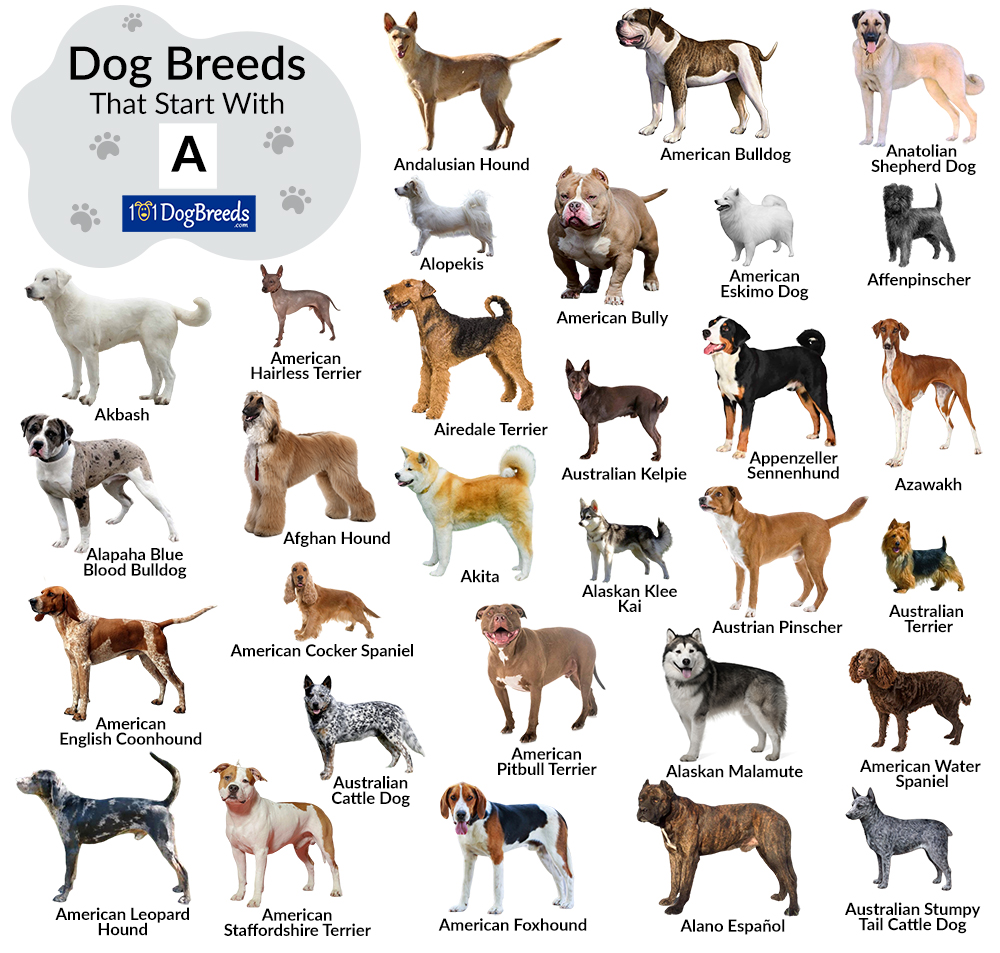
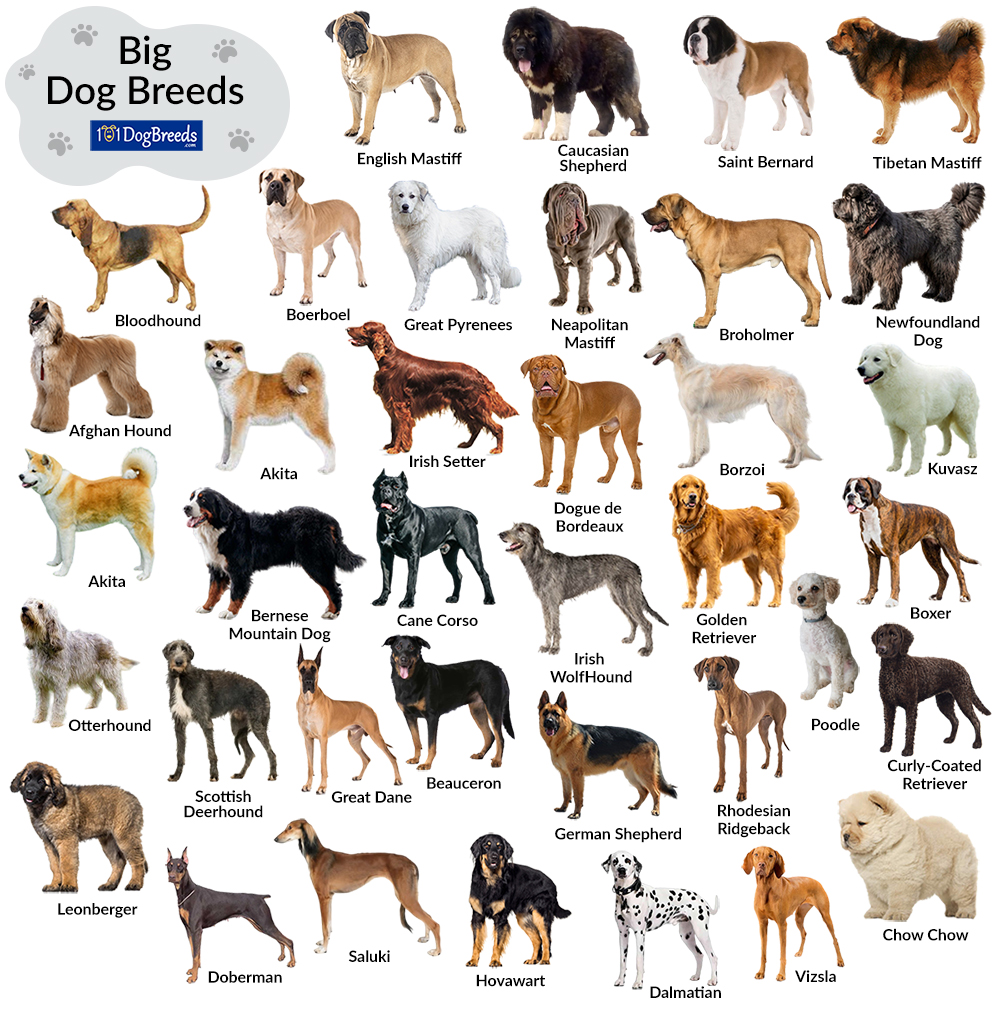
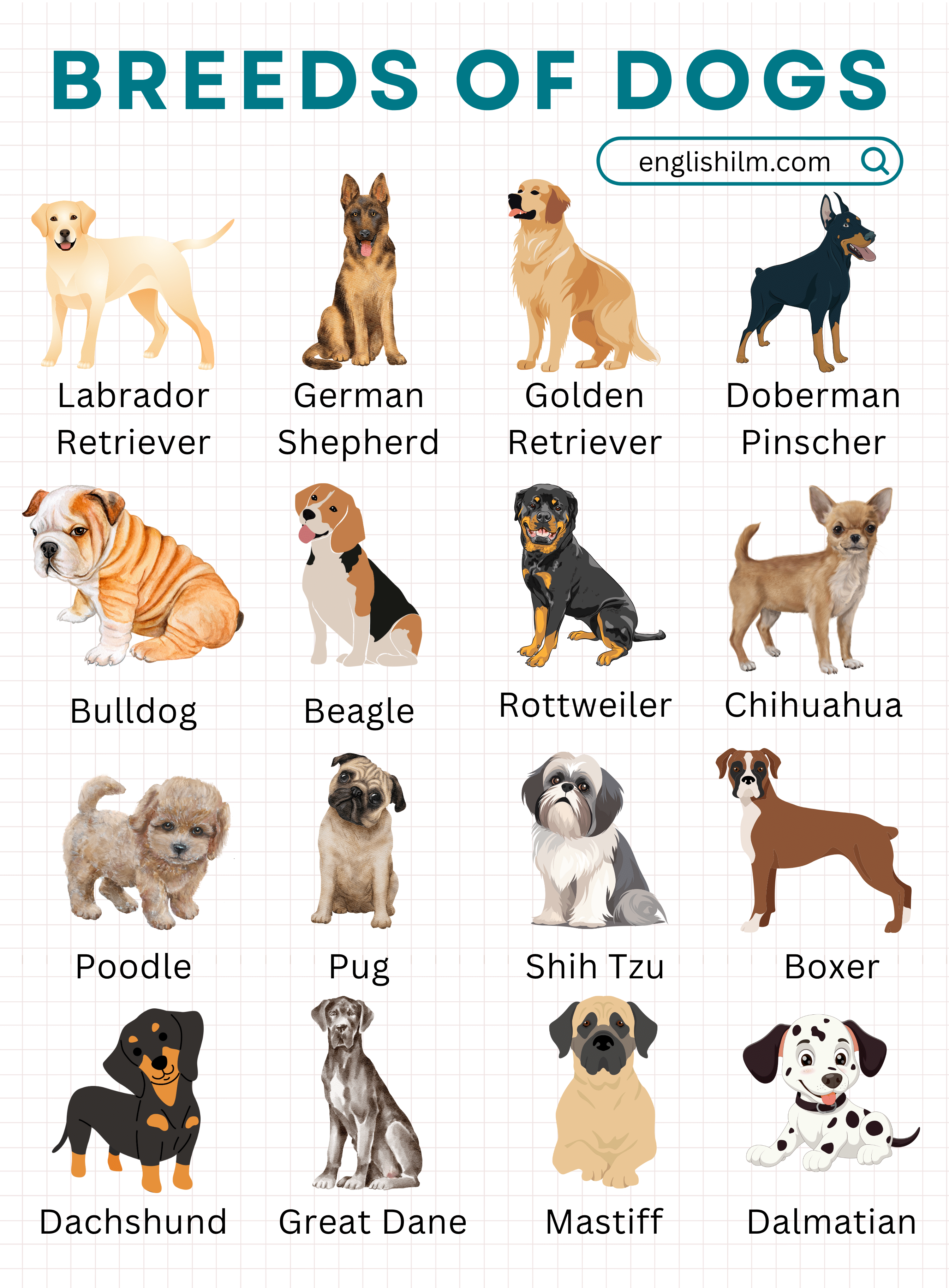
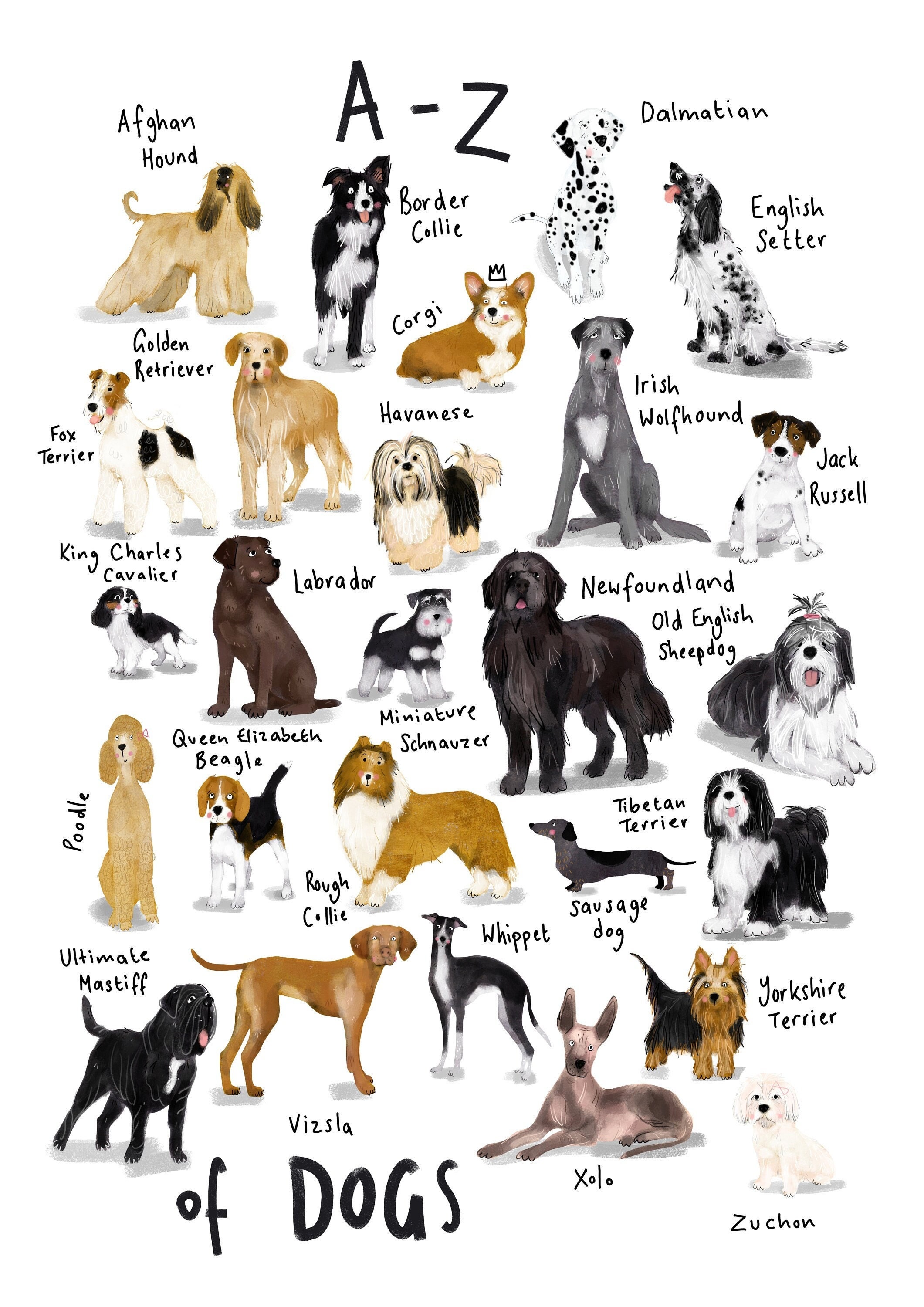
Comprehensive visual catalogs of canine lineages from A to Z provide essential taxonomic reference points that directly inform targeted veterinary healthcare, behavioral profiling, and species-appropriate nutrition. According to the American Animal Hospital Association (AAHA), utilizing standardized breed references ensures that companion animal caregivers align their husbandry protocols with the specific physiological and behavioral baselines of distinct genetic lines. Systematic categorization empowers veterinary technicians and pet owners alike to anticipate breed-specific disease predispositions, exercise thresholds, and socialization requirements long before clinical signs manifest. Analyzing visual traits alongside genetic lineages establishes a reliable framework for proactive wellness planning across all developmental life stages.
Pet Wellness & Behavior Snapshot:
- Core Focus: Comprehensive evaluation of dog breeds a-z with pictures to optimize health, behavior, and nutrition management.
- Target Scope: Applied reference tool for veterinary technicians, animal behaviorists, and dedicated pet parents.
- Key Recommendation: Match daily environmental enrichment and dietary formulations directly to the specific genetic profile of the individual breed.
Core Principles and Detailed Overview
Systematic canine classification organizes diverse morphological and psychological traits into manageable categories that dictate precise clinical interventions and daily maintenance standards. Visual identification guides paired with comprehensive encyclopedic data assist practitioners in recognizing structural predispositions, such as brachycephalic airway syndromes in flat-faced companions or joint laxity in chondrodysplastic variants. Understanding these physical archetypes allows caregivers to modify home environments, reduce orthopedic stress, and implement targeted Dog Health monitoring regimens. Furthermore, linking physical phenotypes to behavioral propensities prevents misinterpretations of normal canine communication signals, thereby minimizing fear-based reactivity and reinforcing positive learning pathways.
Key Specifications and Breakdown
| Observed Indicator / Factor | Veterinary & Behavioral Explanation | Actionable Management Protocol |
|---|---|---|
| Morphological Variations (A-Z) | Physical structure dictates biomechanical load, thermal regulation limits, and susceptibility to specific hereditary pathologies. | Customize exercise intensity, environmental temperature control, and ergonomic bedding to protect structural integrity. |
| Behavioral Drive Profiles | Selective breeding for tasks such as herding, guarding, or retrieving establishes innate arousal thresholds and occupational needs. | Provide structured mental enrichment and task-oriented Dog Training to prevent destructive displacement behaviors. |
| Metabolic & Nutritional Demands | Body mass, coat type, and growth velocity govern baseline caloric requirements and micronutrient absorption rates. | Consult evidence-based nutritional standards and adjust Dog Nutrition ratios to maintain optimal lean body condition. |
Veterinary professionals must evaluate individual physiological variation and behavioral history alongside breed standards during every comprehensive wellness examination to ensure optimal clinical outcomes. — American Veterinary Medical Association (AVMA)
Step-by-Step Practical Application and Guidelines
Implementing a breed-informed care strategy requires a methodical approach that integrates visual identification with individualized clinical assessments and routine Dog Care. The foundational step involves identifying the primary and secondary genetic influences of the companion animal through visual confirmation and, where necessary, genetic screening. Following identification, caregivers must cross-reference breed-specific health registries to establish a proactive diagnostic schedule, including specific orthopedic evaluations and cardiac screenings. Daily routines should then be calibrated to accommodate the inherent energy expenditure and psychological needs detailed in comprehensive Dog Breeds profiles. Finally, continuous monitoring of body condition scores and emotional responses ensures that husbandry modifications remain aligned with the changing needs of the animal over time.
Common Challenges and How to Avoid Them
Misinterpreting visual breed characteristics often leads to inappropriate exercise regimes, behavioral frustration, and sub-optimal nutritional choices in domestic companions. A frequent pitfall involves assuming uniform behavioral traits within mixed-breed populations solely based on a single dominant visual phenotype, which can disrupt effective Dog Behavior modification plans. Caregivers must avoid generalized feeding guidelines and instead calculate precise caloric density relative to the actual metabolic rate of the individual animal rather than relying strictly on external appearance. Regular consultation with licensed veterinary professionals prevents overlooking subtle pathologies that are frequently masked by resilient temperaments or atypical coat configurations.
💬 Frequently Asked Questions
Explore More Pet Care and Animal Health Guides on PetsAnimalsWorld
Expanding knowledge regarding canine genetics, physical maintenance, and behavioral wellness ensures a higher standard of living for domestic companions. Access further expert-reviewed resources, clinical guides, and species-specific husbandry protocols by exploring the comprehensive Pets Animals World library.
Visual Reference Gallery