Introduction
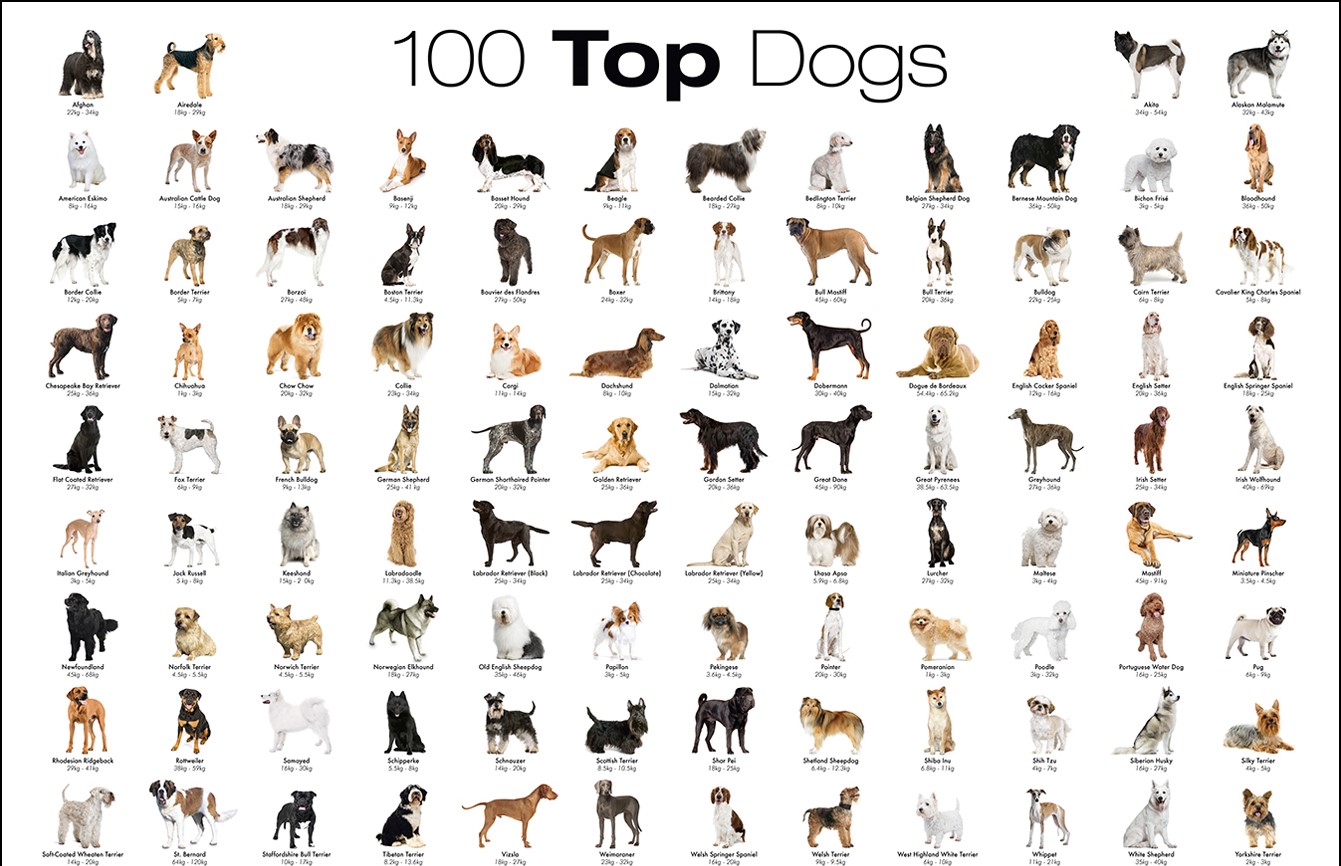
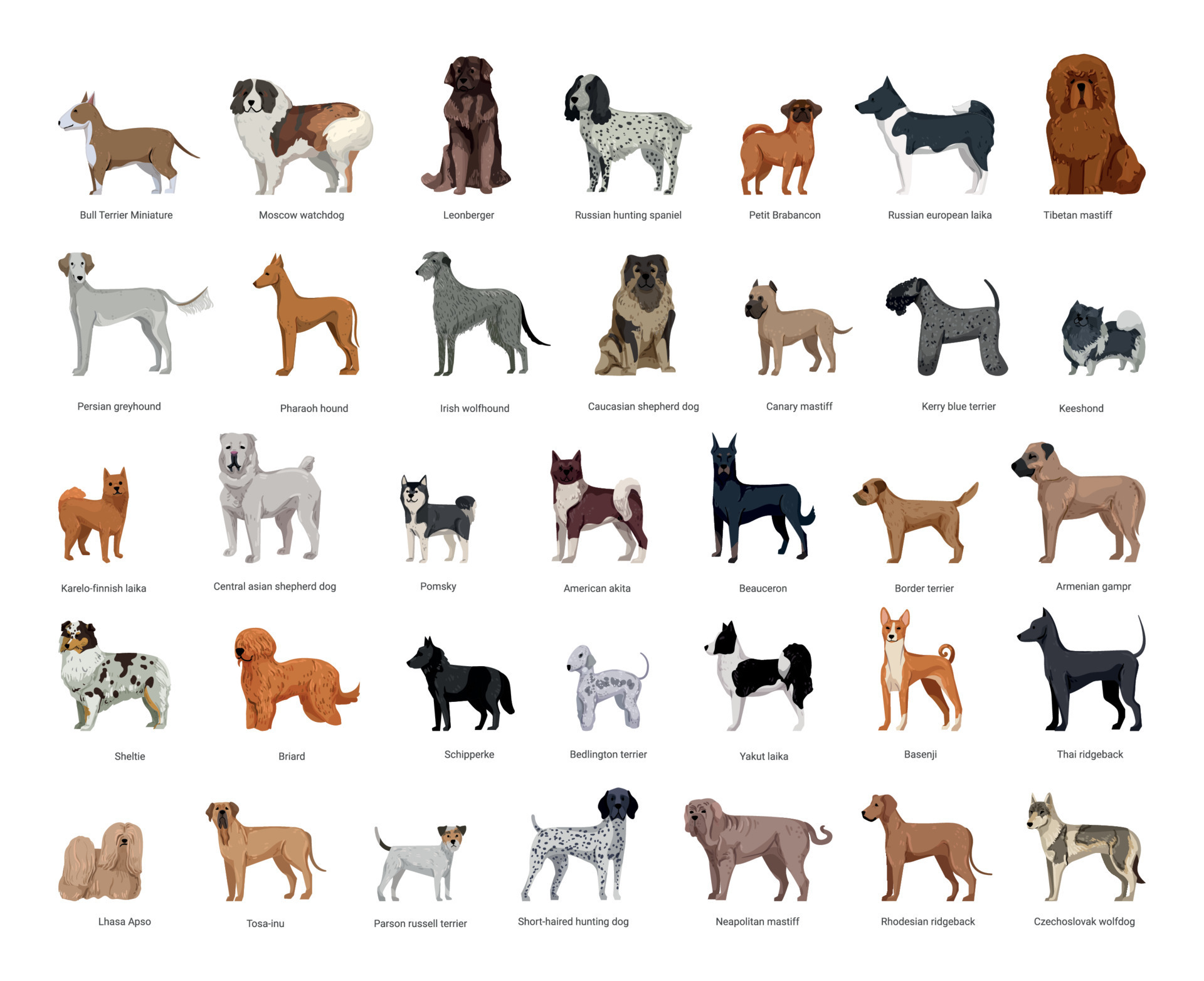
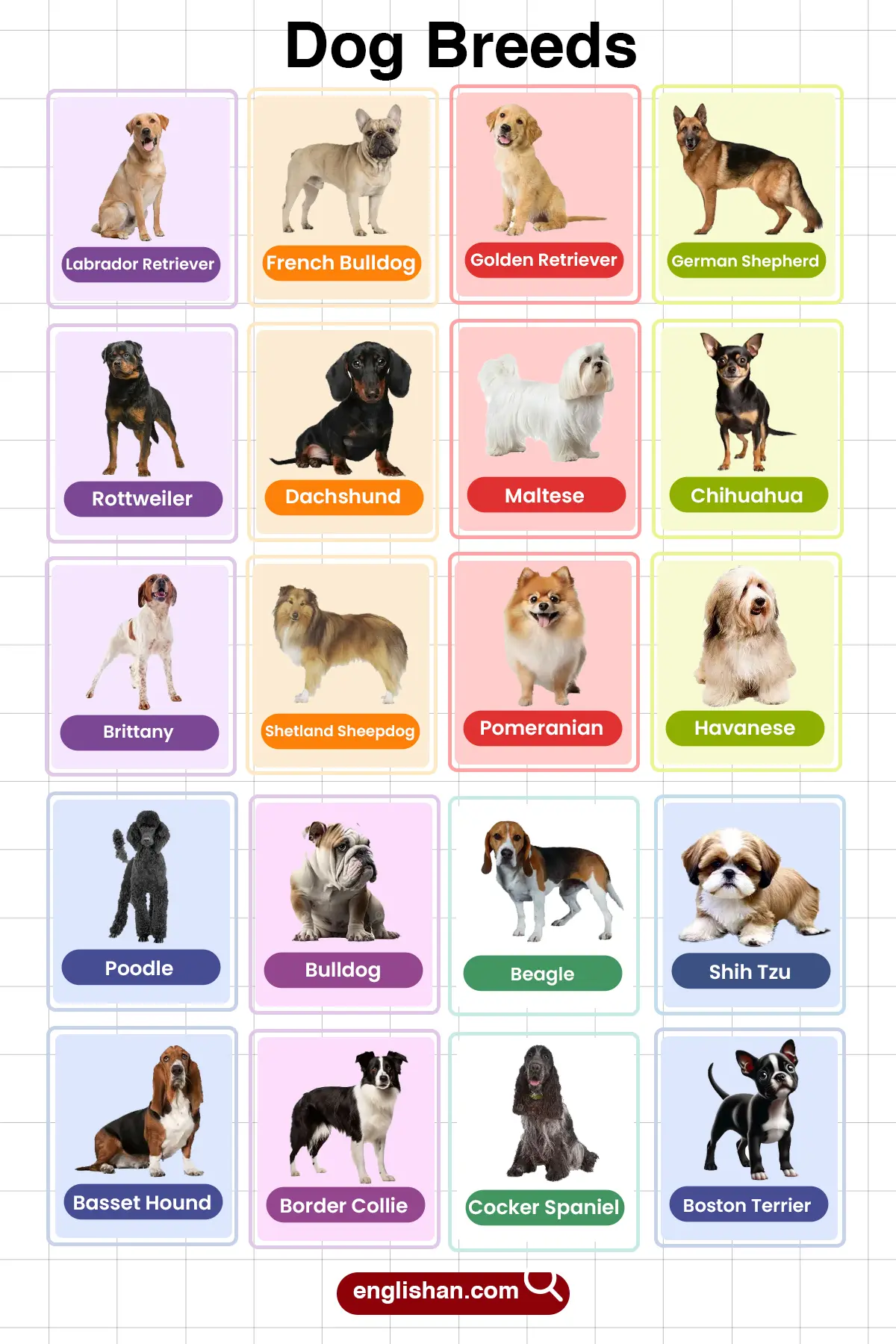
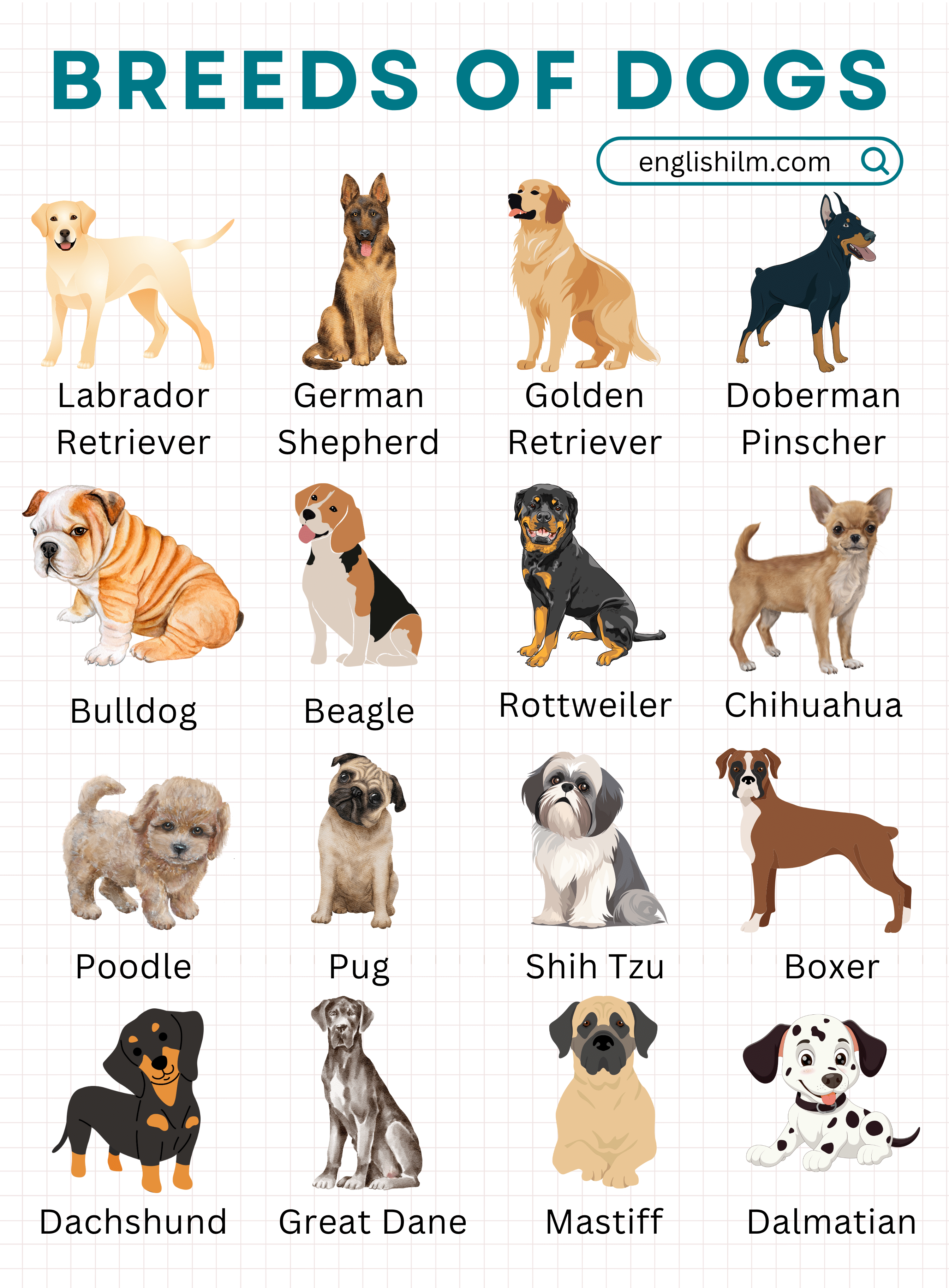
A comprehensive dog breeds list serves as a foundational taxonomic guide for matching human lifestyles with distinct canine genetics, physiological traits, and inherited behavioral predispositions. According to the American Animal Hospital Association (AAHA), understanding breed-specific anatomical and genetic baselines is vital for establishing targeted preventative healthcare protocols and accurate diagnostic baselines. Navigating an extensive dog breeds catalog requires rigorous attention to morphological variations, metabolic rates, and neurological tendencies unique to specific lineages. Evaluating these biological markers helps veterinary professionals and animal caregivers predict future susceptibility to hereditary disorders, formulate precise dietary management plans, and structure early socialization frameworks. Grounding animal husbandry practices in objective genetic categorization ensures that domestic canines experience optimal physical wellness and behavioral stability throughout every life stage. Exploring specific classifications within the broader category of Dog Breeds assists prospective pet parents in selecting companions that align with available living space, exercise capacity, and time commitments.
Pet Wellness & Behavior Snapshot:
- Core Focus: A structured dog breeds list categorizes canines by genetic predisposition, physical traits, and specific care requirements.
- Target Scope: Designed for pet parents, veterinary technicians, and animal behaviorists managing multi-faceted canine health profiles.
- Key Recommendation: Match environmental enrichment and nutritional density directly to the ancestral working or sporting background of the specific breed.
Core Principles and Detailed Overview
Genetic diversity across a definitive dog breeds list dictates specialized requirements for veterinary medicine, behavioral conditioning, and nutritional balance. Brachycephalic lineages, sporting dogs, toy groups, and giant guardian types present radically different metabolic demands and orthopedic vulnerabilities that necessitate tailored veterinary oversight. For example, large-skeleton breeds require strict calcium-to-phosphorus ratios during rapid developmental phases to prevent debilitating skeletal abnormalities, whereas high-energy working dogs demand dense caloric formulations rich in targeted fatty acids to support sustained muscular output. Furthermore, canine behavioral cues manifest differently depending on historical breeding purposes; herding groups often display intense fixation and perimeter-patrolling behaviors that require structured redirection channels outlined in professional Dog Behavior resources. Recognizing these physiological and psychological imperatives prevents chronic stress, nutritional deficiencies, and secondary injuries associated with mismatched living environments.
Key Specifications and Breakdown
| Observed Indicator / Factor | Veterinary & Behavioral Explanation | Actionable Management Protocol |
|---|---|---|
| Cephalic Index & Airway Anatomy | Brachycephalic skulls often involve stenotic nares and elongated soft palates, severely compromising thermoregulation and respiratory efficiency. | Utilize harness leads instead of neck collars, restrict high-intensity exertion in warm environments, and maintain optimal body condition score. |
| Metabolic Velocity & Joint Stress | Giant and large-breed dogs experience accelerated bone growth relative to muscle strength, elevating the risk of hip and elbow dysplasia. | Administer controlled, low-impact exercise regimens and feed scientifically formulated large-breed growth diets to regulate skeletal development. |
| Instinctual Drive & Predatory Motor Patterns | Terriers and hound groups retain powerful genetic predation sequences that trigger excessive digging, chasing, and vocalization if unmanaged. | Provide structured scent-work activities, puzzle feeders, and robust impulse-control exercises to fulfill psychological working needs safely. |
Comprehensive veterinary evaluations must account for breed-specific hereditary disease predispositions, phenotypic variations, and age-related metabolic shifts to ensure optimal clinical outcomes and lifelong companion wellness. — American Veterinary Medical Association (AVMA)
Step-by-Step Practical Application and Guidelines
Implementing a rigorous care plan derived from a verified dog breeds list requires a systematic approach to environmental adaptation, preventative medicine, and nutritional execution. Caregivers must first audit household spatial constraints, local climate conditions, and daily schedule availability against the physiological limits of the target breed. Next, establish a proactive veterinary partnership focusing on breed-specific screening exams, such as cardiac evaluations for cavalier king charles spaniels or ophthalmologic testing for collies. Integrate balanced daily feeding routines that reflect the metabolic classification of the animal, consulting advanced literature on Dog Nutrition to calculate precise daily caloric and macronutrient distributions. Pair these dietary structures with consistent obedience training sessions that honor the cognitive style and independent or cooperative nature of the specific canine lineage.
Common Challenges and How to Avoid Them
Failing to account for specialized breed traits frequently results in behavioral regression, chronic health complications, and fractured human-animal bonds. A frequent misstep involves underestimating the psychological enrichment required for working and herding groups, which rapidly translates into destructive chewing, separation anxiety, and compulsive vocalizations unless mitigated by targeted mental stimulation. Caregivers must also avoid generic dietary paradigms, as feeding a sedentary companion animal the high-fat formulations required by endurance sled dogs leads directly to canine obesity and accelerated joint degeneration. Routine preventative care must never be neglected based on superficial hardiness; even robust outdoor breeds require strict parasite prevention, dental hygiene maintenance, and routine diagnostic blood panels to catch subclinical pathology early. Consulting dedicated clinical guides within Dog Health ensures that emerging anomalies are addressed before advancing into systemic disorders.
💬 Frequently Asked Questions
Explore More Pet Care and Animal Health Guides on PetsAnimalsWorld
Mastering canine biology, behavioral psychology, and preventative medicine requires continuous education across all facets of companion animal husbandry. Caregivers seeking further expertise in managing specific behavioral challenges can review structured methodologies available at Dog Training. For additional insights spanning general household management, multi-species dynamics, and foundational wellness, explore the broader resource directory hosted on Pets. Deepening veterinary knowledge empowers pet parents and animal healthcare professionals alike to deliver exceptional, individualized care that maximizes the health span and quality of life for every companion animal. Visit the central library at Pets Animals World to access authoritative, veterinarian-approved guides.
Visual Reference Gallery