Introduction
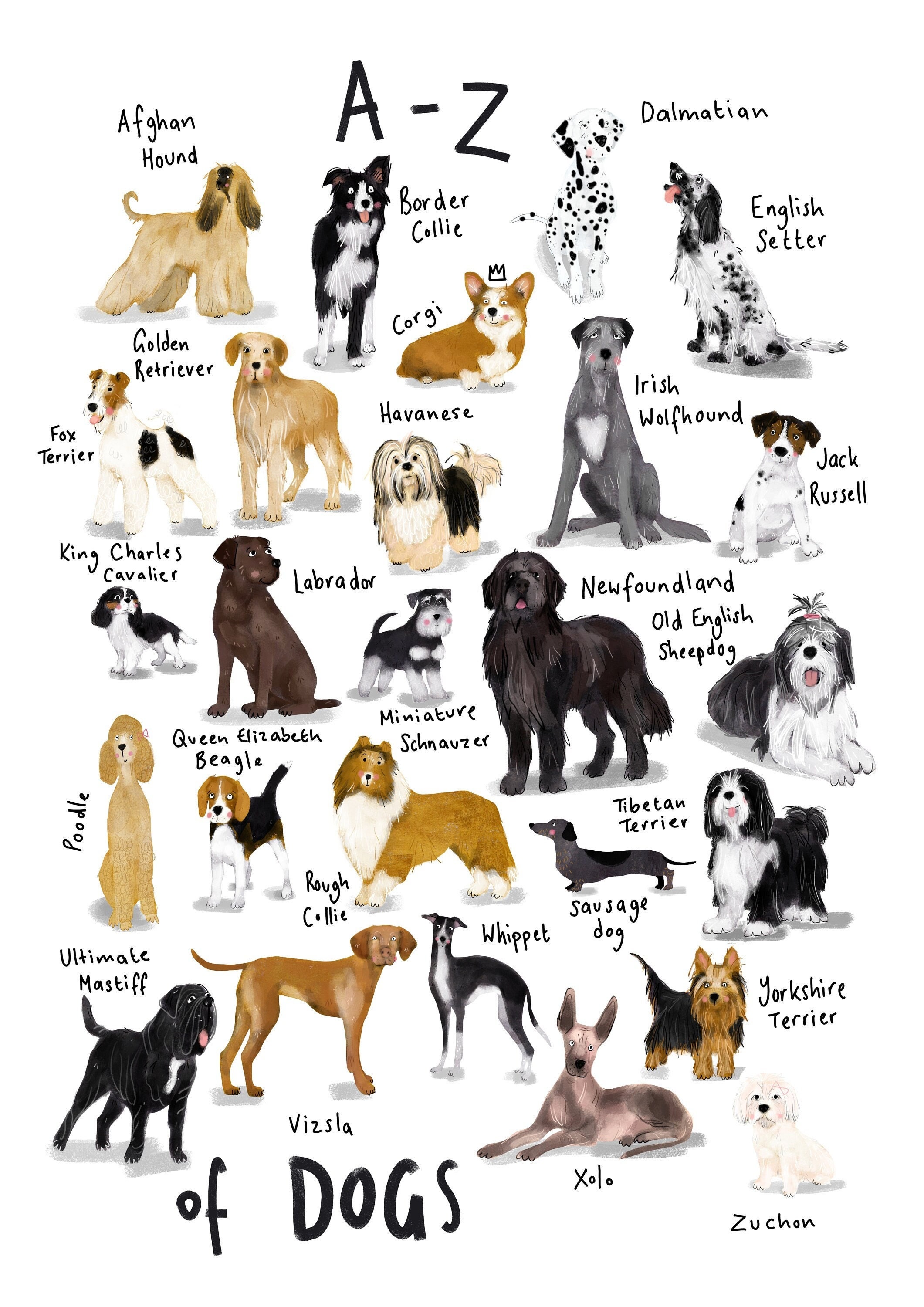
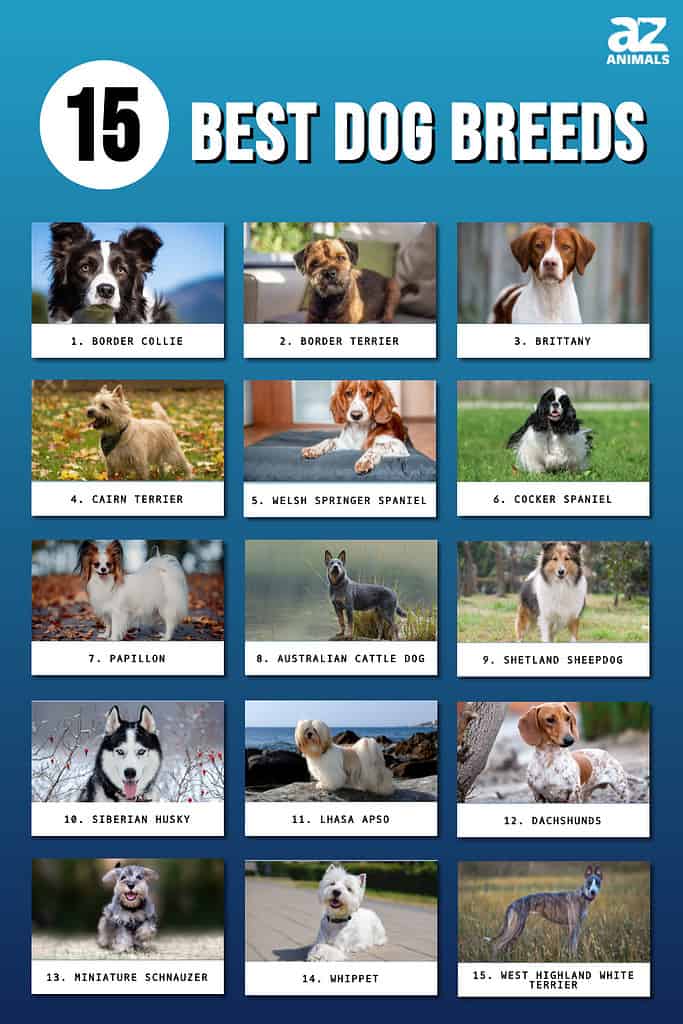
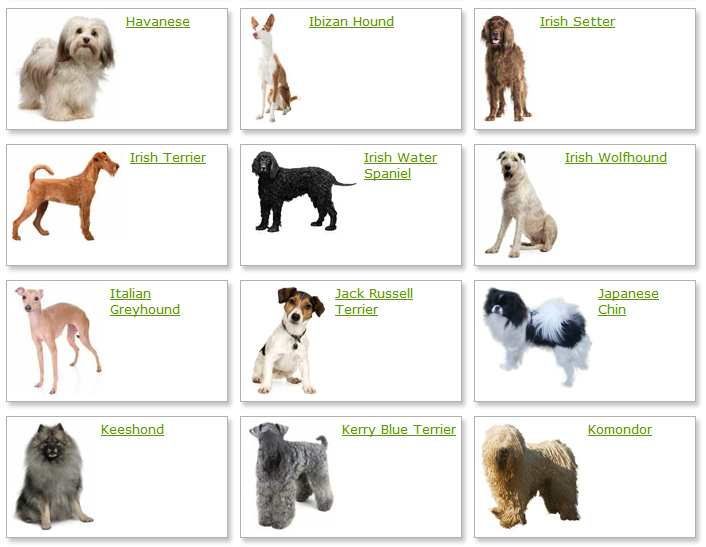
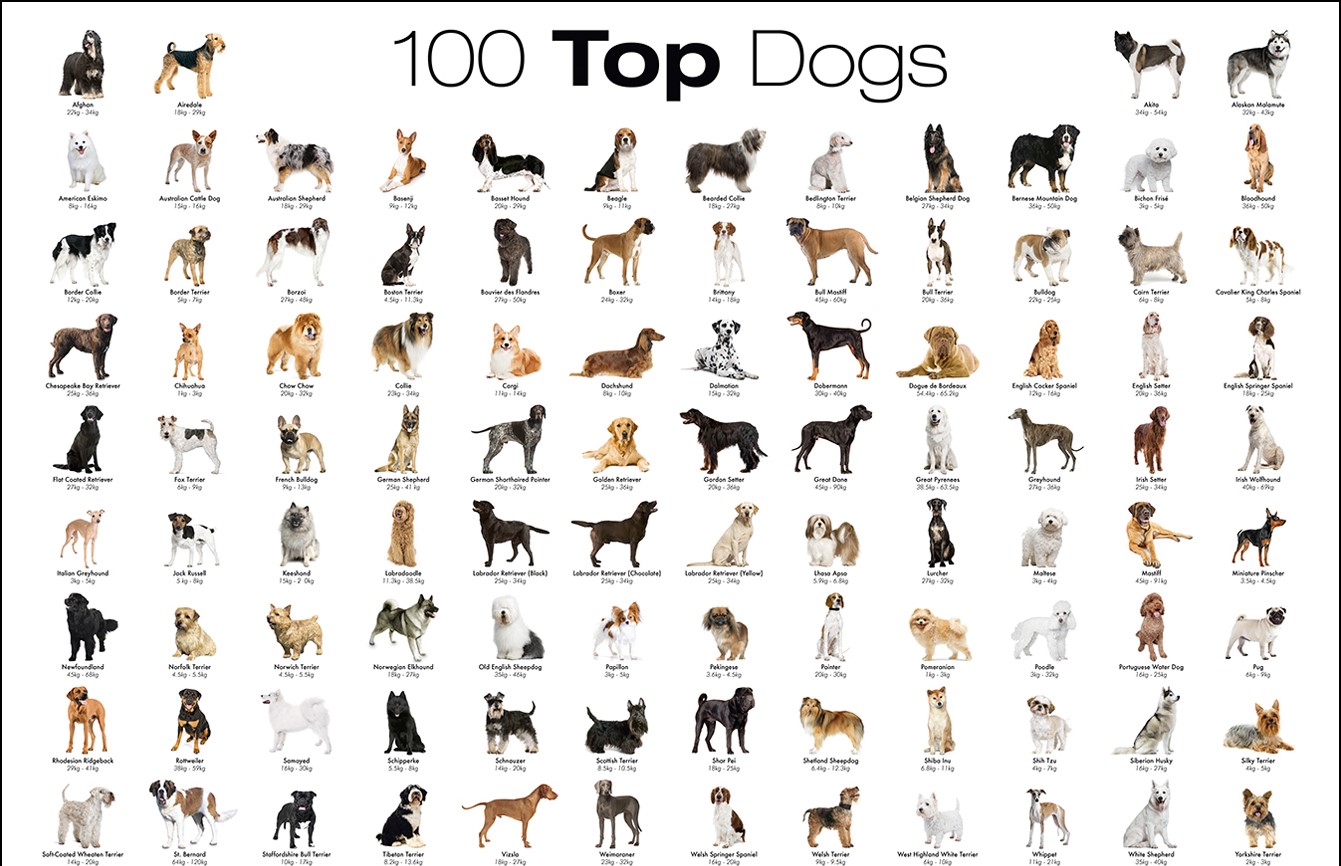
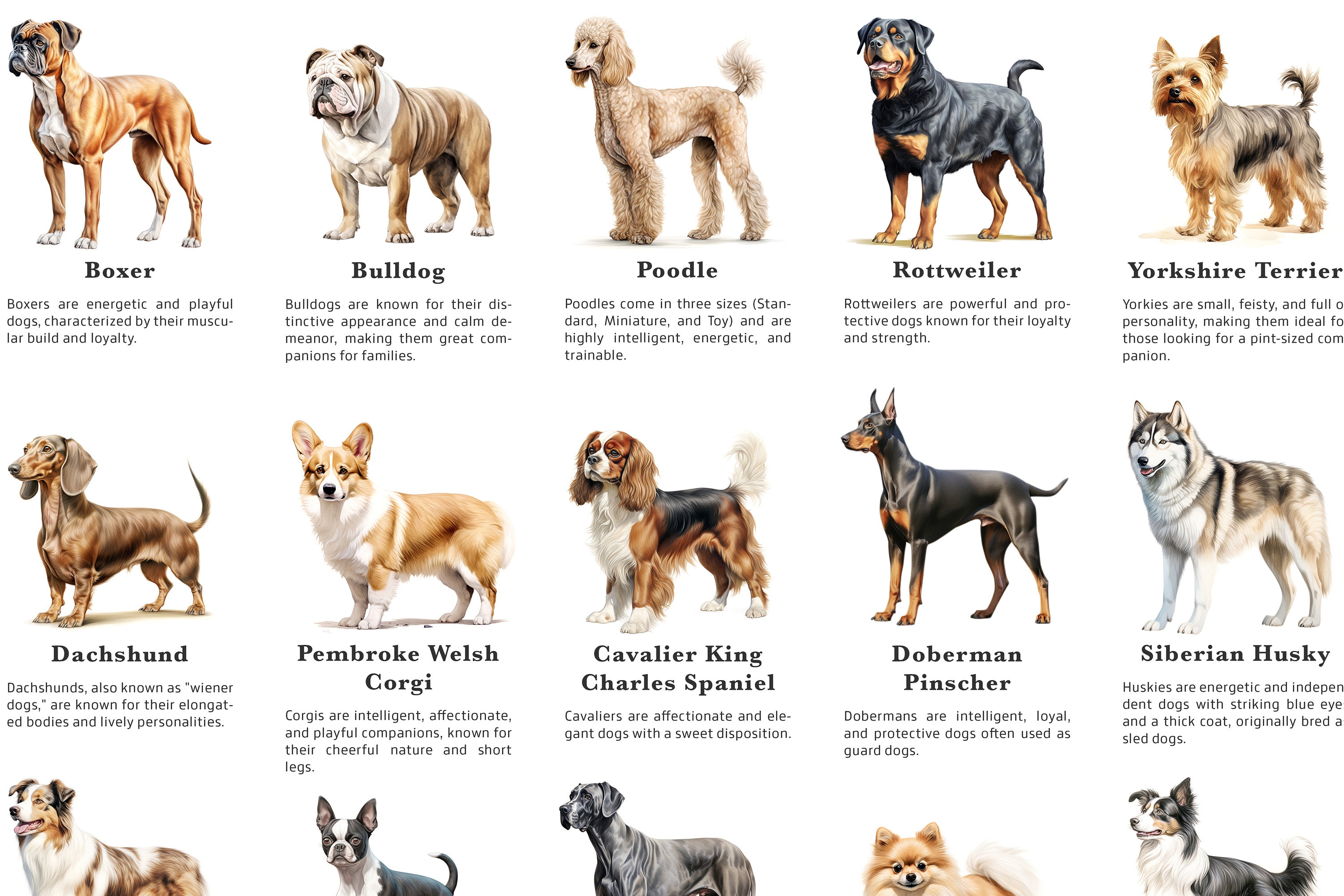
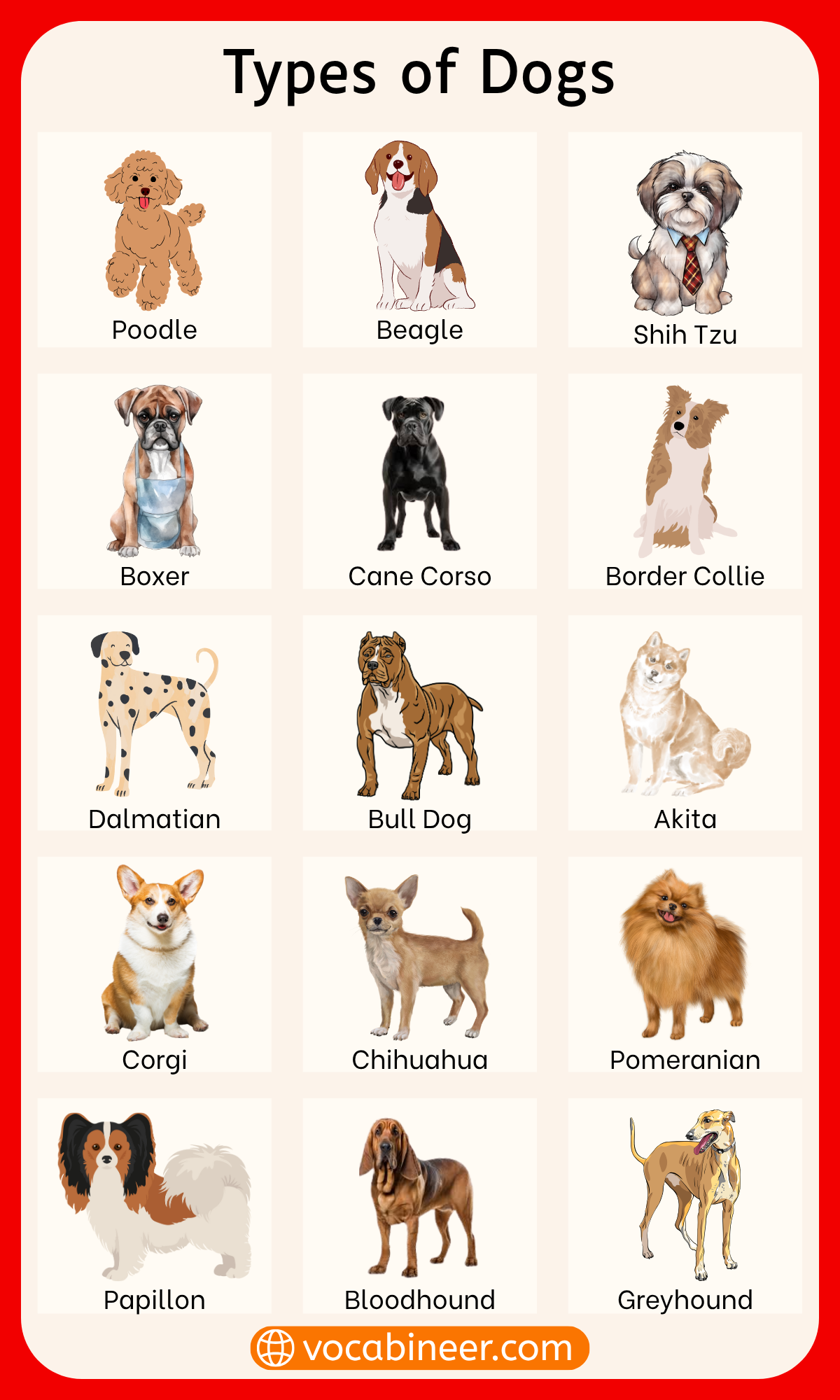
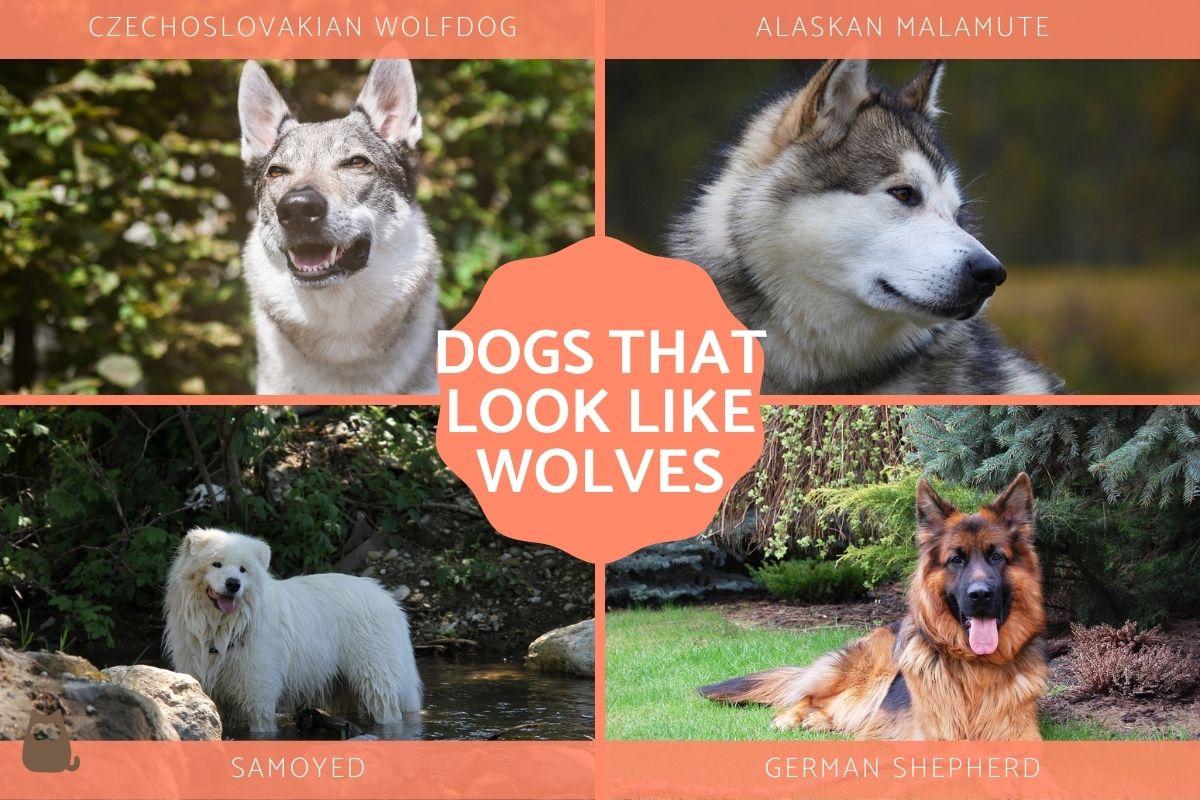
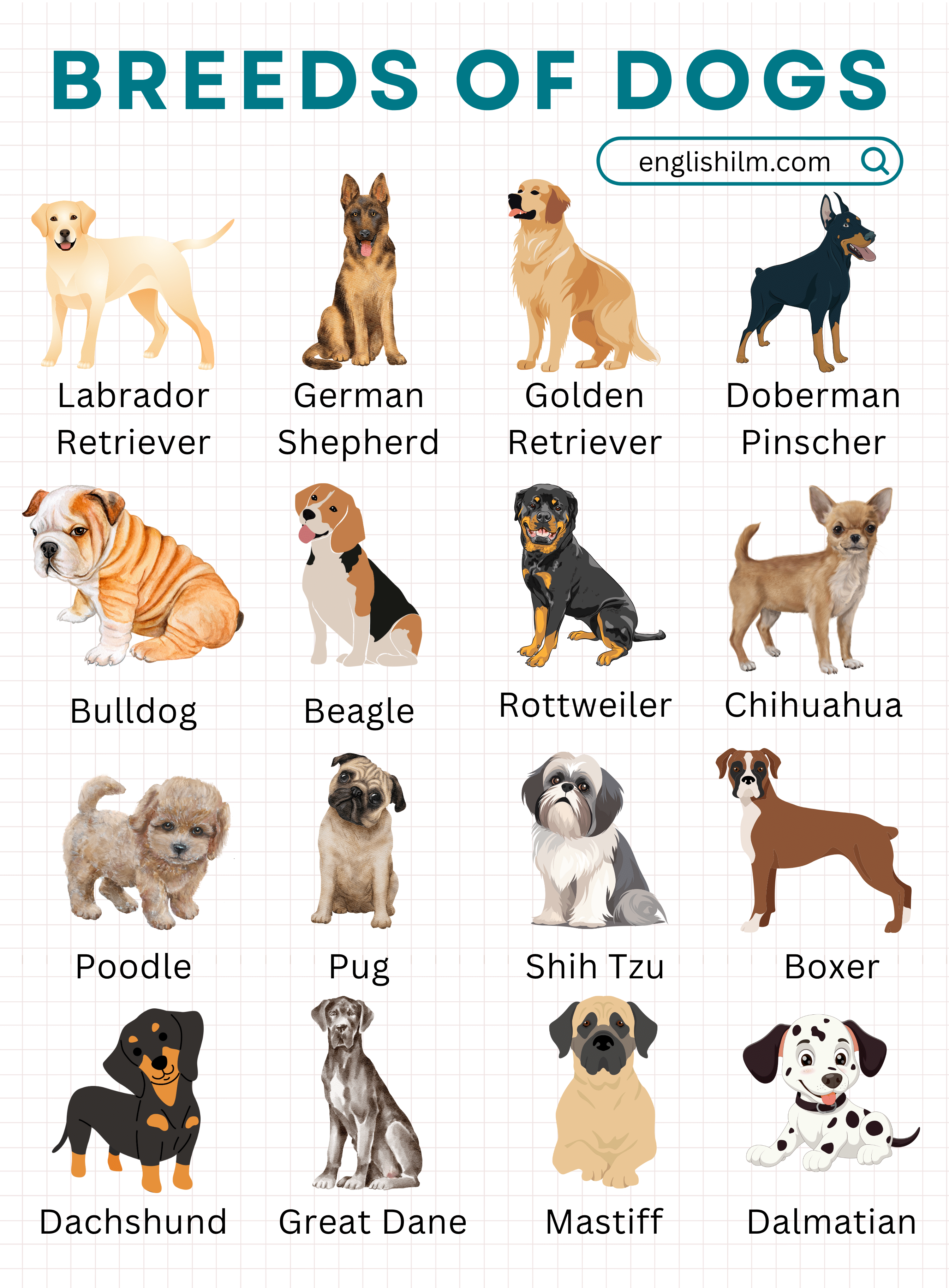
Dog breeds name categorization refers to the systematic classification of canine lineages based on genetic heritage, physical morphology, and historical utility, directly dictating individual healthcare needs, behavioral propensities, and nutritional requirements. According to the American Animal Hospital Association (AAHA), understanding specific genetic backgrounds allows veterinary professionals and caregivers to proactively screen for breed-predisposed pathologies before clinical symptoms manifest. Selecting or managing a specific lineage requires accurate nomenclature mapping because historical breeding purposes—such as herding, guarding, or retrieving—govern modern neurological drives and physiological vulnerabilities. Exploring various designations facilitates targeted Dog Breeds exploration for prospective pet parents.
Pet Wellness & Behavior Snapshot:
- Core Focus: Dog breeds name designation dictates targeted medical, behavioral, and nutritional protocols.
- Target Scope: Canine health caregivers, behaviorists, and pet parents managing breed-specific traits.
- Key Recommendation: Align daily environmental enrichment and diet strictly with ancestral canine work profiles.
Core Principles and Detailed Overview
Morphological traits and behavioral tendencies associated with specific canine titles stem from centuries of selective breeding, influencing everything from metabolic rates to structural musculoskeletal vulnerabilities. Direct correlations exist between a designated classification and specific health markers, such as brachycephalic airway syndrome in flat-faced companions or hip dysplasia in large-boned working types. Proper management requires translating taxonomic names into actionable wellness strategies, particularly regarding Dog Health monitoring. Recognizing these inherited blueprints ensures that caregivers adjust veterinary screening schedules, exercise intensities, and caloric densities to match precise biological requirements.
Key Specifications and Breakdown
| Observed Indicator / Factor | Veterinary & Behavioral Explanation | Actionable Management Protocol |
|---|---|---|
| Ancestral Working Drive | High-energy lineages possess intense genetic motivation for task completion, which turns into destructive anxiety without a proper outlet. | Incorporate structured daily tasks, puzzle toys, and advanced obedience training to mental exhaustion. |
| Skeletal Morphology | Chondrodysplastic and giant configurations experience accelerated joint stress, predisposing them to early-onset osteoarthritis. | Implement controlled puppy growth diets, joint-protective supplementation, and high-impact activity restriction. |
| Metabolic Profile | Specific groupings exhibit variant thyroid function and metabolic efficiencies that dictate precise caloric intake limits. | Consult veterinary manuals to tailor exact macronutrient ratios and maintain optimal body condition scores. |
Breed-Specific Preventative Healthcare Standards — American Veterinary Medical Association (AVMA)
Step-by-Step Practical Application and Guidelines
Executing an effective wellness plan based on taxonomic designations involves researching ancestral utility, consulting veterinary teams, and tailoring environmental enrichment. Initial assessments require verifying genetic history through pedigree documentation or DNA testing to identify hidden predispositions. Following verification, caregivers must structure daily routines that honor physical capacities, supporting optimal Dog Behavior through positive reinforcement. Nutritional adjustments must mirror metabolic demands, ensuring that energy dense formulations are reserved for high-output lineages while lower-calorie, high-fiber options safeguard sedentary types against obesity.
Common Challenges and How to Avoid Them
Misinterpreting historical breed purposes often leads to severe behavioral maladaptation and preventable physical injuries within domestic environments. Caregivers frequently commit the error of treating all canines identically, ignoring the reality that terrier types require intense digging outlets while hound types demand secure perimeter containment due to extreme olfactory drive. Overlooking breed-specific disease screenings results in delayed diagnoses for hereditary conditions like dilated cardiomyopathy or progressive retinal atrophy. Proactive management requires strict adherence to specialized veterinary guidelines found within Dog Care protocols and tailored Dog Nutrition schedules.
💬 Frequently Asked Questions
Explore More Pet Care and Animal Health Guides on PetsAnimalsWorld
Navigating canine lineage characteristics and maintaining lifelong wellness requires continuous education across all facets of companion animal stewardship. Caregivers seeking comprehensive resources on training methodologies, preventative medicine, and behavioral adaptation can access expert-backed directories directly at Pets Animals World to ensure optimal quality of life for every animal companion.
Visual Reference Gallery