Introduction
Dog breeds in indonesia encompass a diverse mix of native island landraces, specialized working imports, and climate-adapted companion animals that require targeted veterinary oversight and tailored environmental management. According to the American Animal Hospital Association (AAHA), proactive lifestyle adaptation and breed-specific preventive medicine are foundational pillars for maintaining optimal long-term canine health in tropical environments. Caregivers seeking comprehensive guidance on selecting and managing specific canine types often consult resources dedicated to Dog Breeds to understand distinct physiological traits and maintenance requirements.
Pet Wellness & Behavior Snapshot:
- Core Focus: Managing tropical adaptability, health resilience, and behavioral needs of distinct dog breeds in indonesia.
- Target Scope: Companion animal caregivers, veterinary technicians, and pet owners navigating tropical canine husbandry.
- Key Recommendation: Implement rigorous parasite control and climate-adjusted exercise protocols to prevent heat exhaustion and vector-borne illnesses.
Core Principles and Detailed Overview
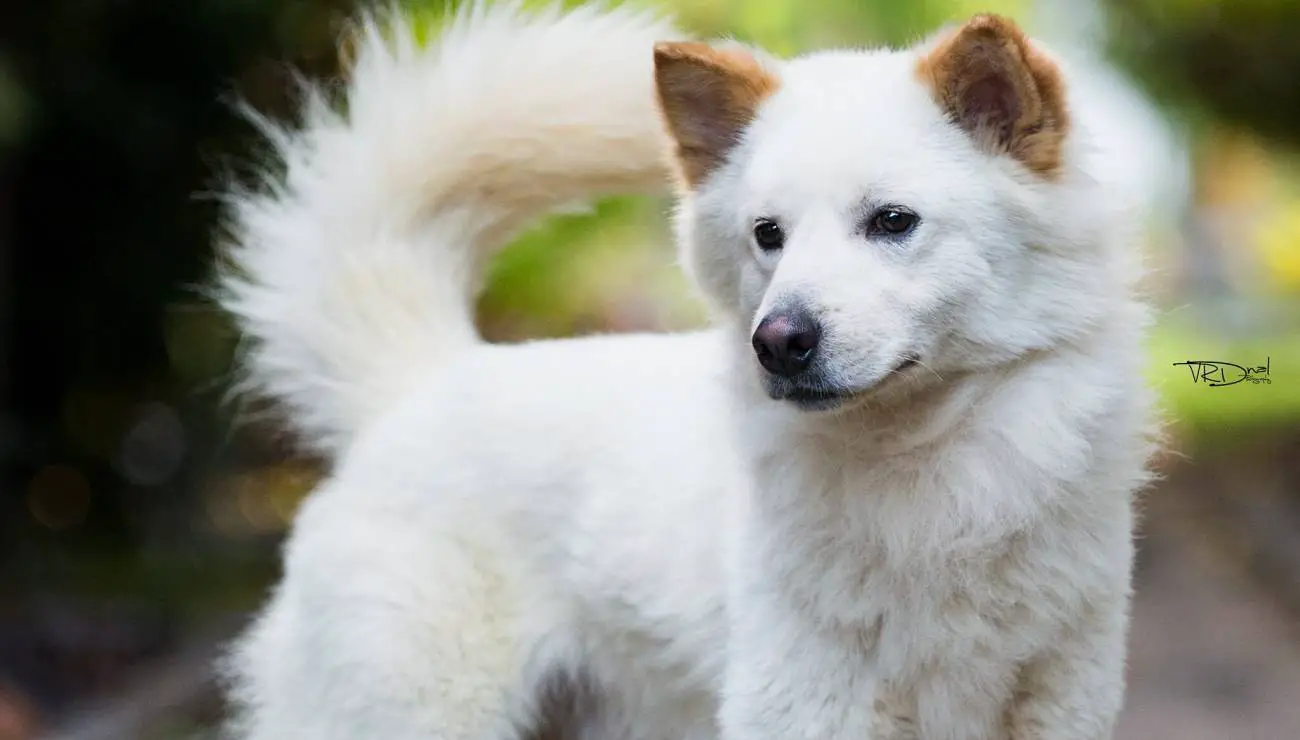
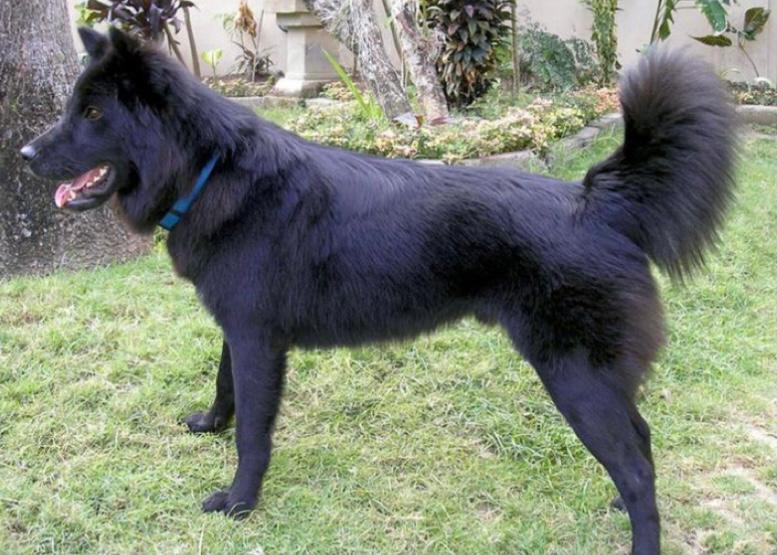
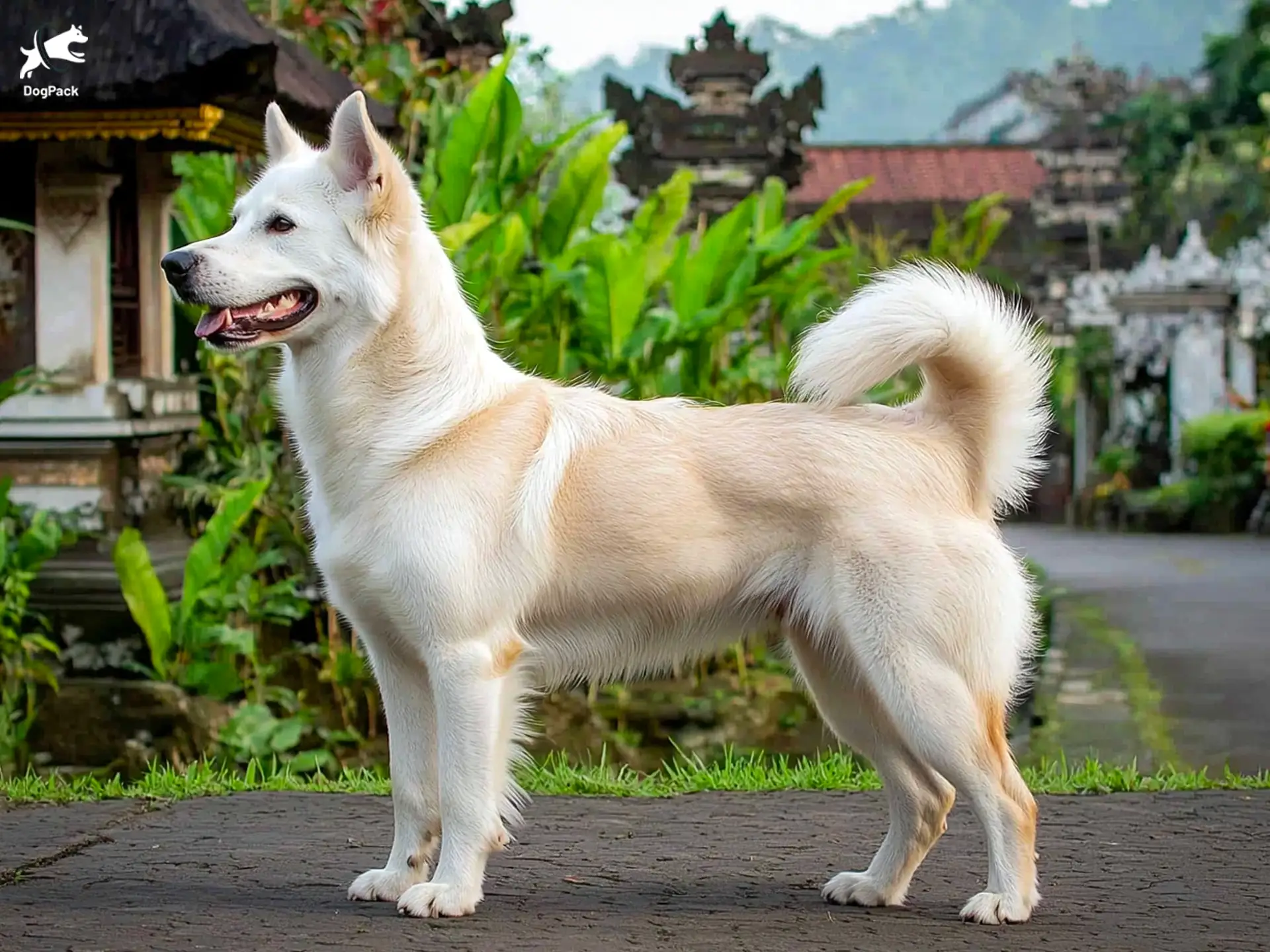
Managing dog breeds in indonesia requires an acute understanding of how high ambient temperatures, high humidity, and regional parasitic pressures impact physiological stability and behavioral expression. Indigenous landraces, such as the Kintamani dog from Bali, possess natural evolutionary adaptations including heat-tolerant coats and agile frames, whereas imported brachycephalic or heavy-coated breeds face heightened risks of heat stress and dermatological infections. Maintaining physical and mental well-being in these diverse populations depends on structured daily routines, customized nutritional formulations, and continuous monitoring of behavioral indicators outlined within specialized Dog Behavior frameworks. Veterinary healthcare teams emphasize that recognizing early signs of environmental discomfort prevents acute clinical emergencies.
Key Specifications and Breakdown
| Observed Indicator / Factor | Veterinary & Behavioral Explanation | Actionable Management Protocol |
|---|---|---|
| High Heat Susceptibility | Brachycephalic and heavy-coated animals struggle with efficient panting and thermoregulation in tropical climates. | Restrict strenuous outdoor activities to early morning hours and provide air-conditioned indoor rest spaces. |
| Ectoparasite Vulnerability | Year-round warm climates accelerate flea, tick, and mosquito life cycles, increasing vector-borne disease transmission. | Administer continuous, veterinarian-approved systemic parasite preventatives without interruption. |
| Nutritional Demands | Elevated ambient temperatures frequently suppress spontaneous caloric intake while increasing electrolyte loss through panting. | Provide highly palatable, nutrient-dense diets paired with constant access to fresh, clean hydration stations. |
Comprehensive parasite prevention and routine veterinary screenings are essential for safeguarding canine health against endemic tropical pathogens. — American Veterinary Medical Association (AVMA)
Step-by-Step Practical Application and Guidelines
Implementing effective husbandry for dog breeds in indonesia involves a systematic approach combining daily physical upkeep, environmental modification, and preventative healthcare measures. Caregivers must first assess the specific thermal tolerance of the animal, adjusting exercise intensities to prevent hyperthermia during peak daylight hours. Second, establish a strict grooming schedule to inspect skin folds, paw pads, and coat condition for signs of fungal growth, insect bites, or hot spots common in humid regions. Third, align dietary management with metabolic demands by consulting specialized Dog Nutrition standards that emphasize balanced electrolytes and clean hydration sources. Finally, maintain rigid adherence to regional vaccination and deworming schedules dictated by local disease vectors.
Common Challenges and How to Avoid Them
Neglecting climate-specific vulnerabilities and failing to recognize subtle behavioral cues of heat distress represent the most frequent pitfalls in managing dog breeds in indonesia. Misjudging exercise capacity in high humidity often leads to rapid exhaustion, heatstroke, or severe paw pad burns from blistering asphalt surfaces. Additionally, improper coat management in double-coated or long-haired variants can trap moisture against the skin, causing severe moist dermatitis or bacterial pyoderma. Caregivers can avoid these clinical complications by utilizing shaded walking paths, installing cooling mats, and scheduling regular wellness checks through structured Dog Health monitoring protocols.
💬 Frequently Asked Questions
Explore More Pet Care and Animal Health Guides on PetsAnimalsWorld
Expanding knowledge on specialized canine husbandry ensures that every companion animal receives optimal medical oversight and behavioral enrichment. Readers are encouraged to explore additional expert resources, behavioral guides, and veterinary insights available across the library at Pets Animals World to support lifelong animal wellness.
Visual Reference Gallery