Introduction
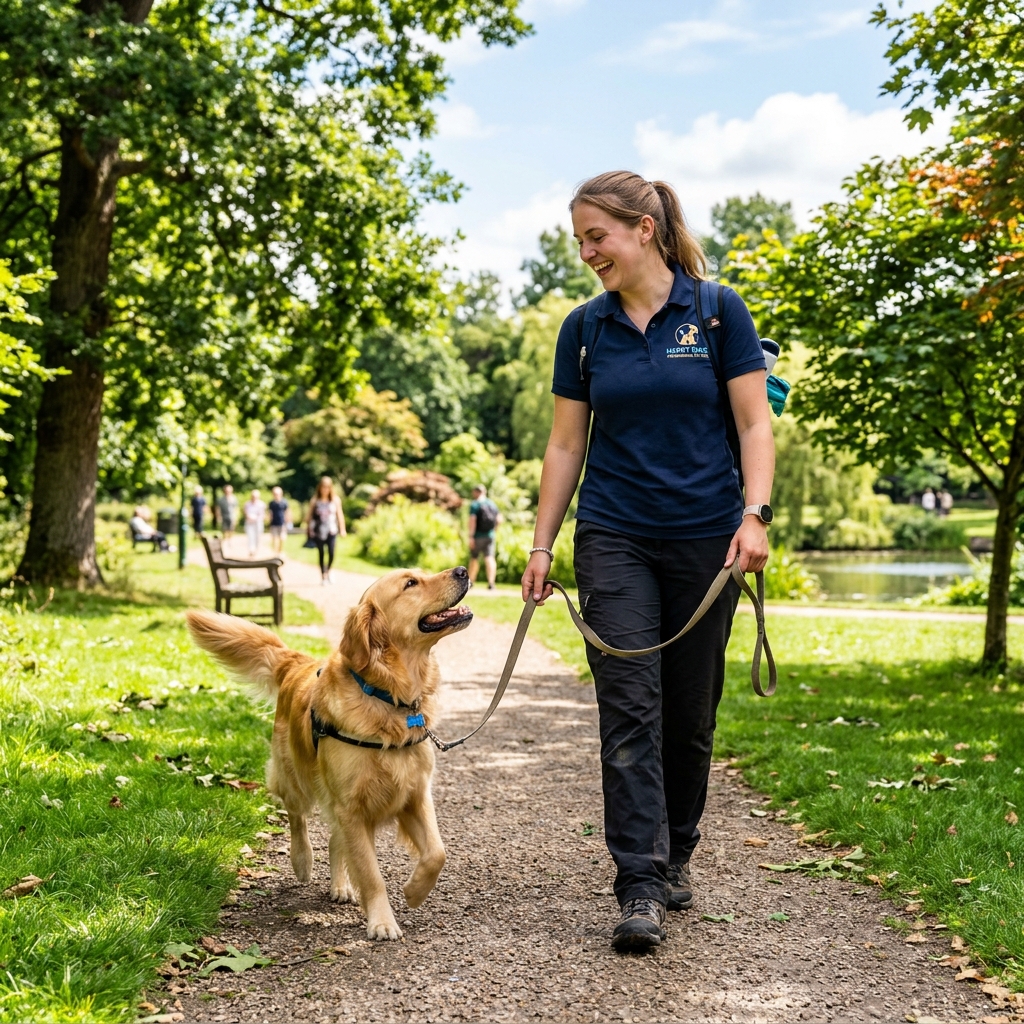
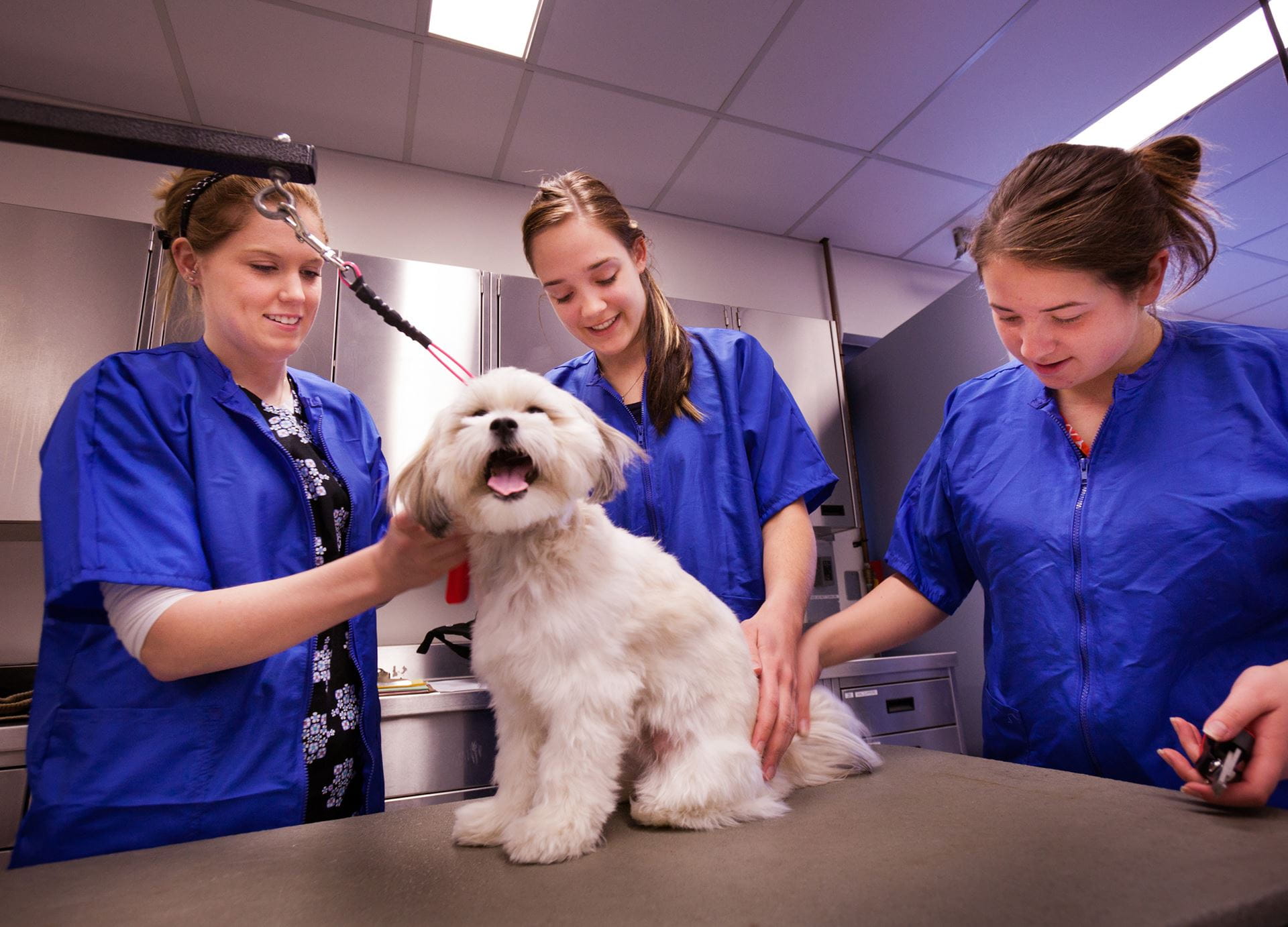
Finding a qualified dog care taker near me involves evaluating local professional pet sitters, daily walkers, and boarding facilities that meet rigorous standards for canine health and safety. According to the American Veterinary Medical Association (AVMA), selecting competent professional care givers requires verifying background credentials, emergency protocols, and animal first-aid certifications to ensure optimal animal welfare during temporary absences. Proper delegation of daily responsibilities preserves canine routine, prevents stress-induced behavioral anomalies, and supports long-term preventive medicine goals. Maintaining consistent handling standards across home and professional environments directly influences stress levels, making thorough vetting of local providers essential for responsible Dog Care management.
Pet Wellness & Behavior Snapshot:
- Core Focus: Vetting professional providers for canine health, nutrition, and daily supervision.
- Target Scope: Residential pet owners seeking localized, high-standard professional boarding or walking services.
- Key Recommendation: Conduct trial visits and verify veterinary partnership agreements before finalizing caregiver contracts.
Core Principles and Detailed Overview
Evaluating a dog care taker near me requires a comprehensive examination of canine behavioral cues, environmental enrichment strategies, and individualized healthcare management. Professional guardians must recognize subtle signs of physiological stress, such as panting, lip-licking, and displacement behaviors, ensuring immediate adjustments to the daily schedule. Furthermore, nutrition continuity remains paramount; caregivers must strictly adhere to measured feeding portions, prescribed therapeutic diets, and established Dog Nutrition schedules to prevent gastrointestinal upset or metabolic imbalances. Integrating structured physical exercise with mental stimulation satisfies core biological needs, reducing destructive behaviors commonly linked to separation anxiety and unfamiliar environments.
Key Specifications and Breakdown
| Observed Indicator / Factor | Veterinary & Behavioral Explanation | Actionable Management Protocol |
|---|---|---|
| Environmental Stress Cues | Excessive vocalization, pacing, or self-soothing behaviors indicate acute situational anxiety under unfamiliar care. | Provide a designated safe crate or quiet resting zone mirroring the home environment to promote emotional stability. |
| Nutritional Compliance | Sudden dietary changes or irregular feeding intervals frequently trigger acute gastroenteritis and metabolic distress. | Supply pre-portioned meals with strict written instructions detailing feeding times and forbidden human foods. |
| Physical Exertion Safety | Over-exercising or ignoring thermal thresholds can lead to heat exhaustion, joint strain, or soft-tissue injury. | Tailor outdoor activity duration and intensity according to individual breed specifications, age, and weather conditions. |
Maintain rigorous vaccination protocols, parasite prevention, and emergency veterinary consent documentation prior to utilizing any professional boarding or pet-sitting service. — American Veterinary Medical Association (AVMA)
Step-by-Step Practical Application and Guidelines
Implementing a successful transition when utilizing a dog care taker near me involves a structured acclimatization protocol spanning several days prior to service execution. Pet parents must schedule an initial face-to-face meet-and-greet to observe caregiver interaction styles, reinforcement techniques, and baseline Dog Behavior responses. Following the introduction, executing a short trial stay of one to two hours builds positive conditioning toward the facility or the designated professional. During this preparatory phase, owners must supply clear documentation outlining medication administration times, veterinary contact numbers, and precise emergency authorization permissions. Comprehensive preparation mitigates acute cortisol spikes and establishes a secure foundation for ongoing Pets management.
Common Challenges and How to Avoid Them
Failing to establish verified emergency medical plans or clear communication channels represents the most frequent operational breakdown when hiring external pet support. Unverified providers may overlook subtle physiological red flags, such as lethargy, coughing, or limping, which requires deep foundational knowledge in Dog Health monitoring. To circumvent these risks, pet owners should draft a signed veterinary release form permitting emergency medical intervention up to a specified financial limit. Additionally, avoiding last-minute bookings ensures access to certified professionals who maintain appropriate insurance coverage, reducing vulnerability to substandard animal handling practices.
💬 Frequently Asked Questions
Explore More Pet Care and Animal Health Guides on PetsAnimalsWorld
Enhancing canine welfare requires ongoing education spanning preventative medicine, behavioral science, and optimal lifestyle management. Readers can discover extensive professional resources, breed-specific guides across various Dog Breeds, and expert veterinary advice by exploring the complete article library directly at Pets Animals World.
Visual Reference Gallery