Introduction
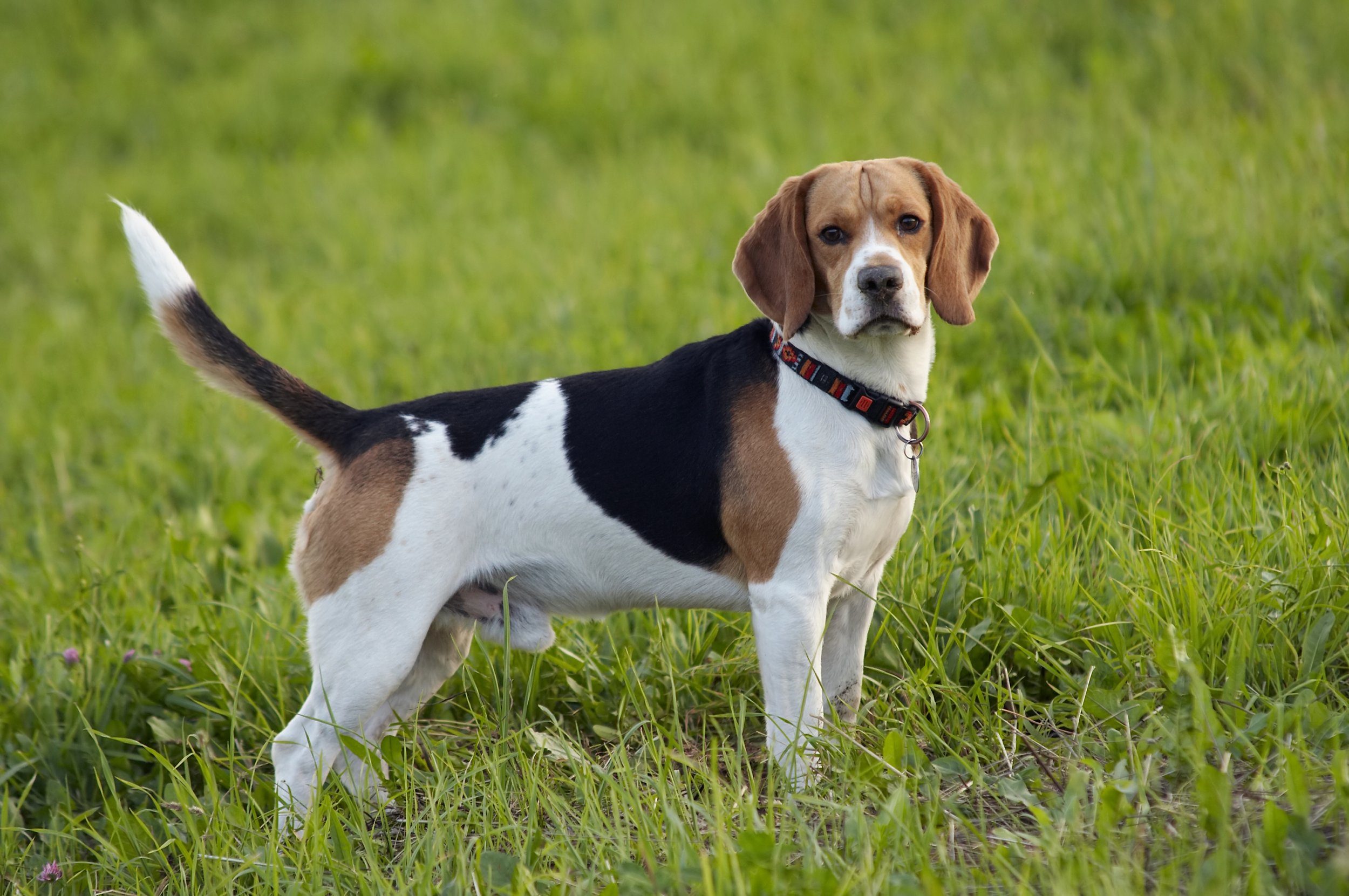
The beagle is a compact, scent-driven hound classification characterized by exceptional olfactory acuity, a sturdy frame, and a distinct vocalization range. According to the American Animal Hospital Association (AAHA), understanding breed-specific physiological and behavioral traits is essential for delivering targeted veterinary preventive care and behavioral management. Comprehensive management of this hound variety requires an integrated approach spanning specialized nutrition, scent-based enrichment, and routine health screenings. Proper integration into domestic households hinges upon fulfilling innate tracking drives through structured activity frameworks. Exploring resources via Dog Breeds assists guardians in aligning lifestyle parameters with canine requirements.
Pet Wellness & Behavior Snapshot:
- Core Focus: Physiological, behavioral, and nutritional profiles of scent hounds.
- Target Scope: Clinical management, preventive medicine, and behavioral enrichment for home environments.
- Key Recommendation: Implement secure containment boundaries and portion-controlled nutrition to mitigate obesity risks.
Core Principles and Detailed Overview
Managing dog breeds beagle successfully mandates recognizing their historical breeding purpose as pack hunting dogs specialized in trailing small game. This scent-tracking heritage dictates high arousal levels when novel olfactory stimuli are detected, frequently overriding basic recall commands unless specific training protocols are enforced. Anatomically, the lineage features long pendulous ears that predispose the ear canals to moisture retention and subsequent otitis externa, requiring consistent veterinary hygiene protocols. Furthermore, metabolic regulation demands careful oversight because genetic predisposition toward rapid weight gain places undue mechanical stress on joint structures and exacerbates conditions such as patellar luxation or intervertebral disc disease.
Key Specifications and Breakdown
| Observed Indicator / Factor | Veterinary & Behavioral Explanation | Actionable Management Protocol |
|---|---|---|
| Excessive Vocalization | Pack-hunting instincts manifest as baying or howling when isolated or alerted to environmental stimuli. | Utilize desensitization training and prevent reinforcement of demand barking through structured Dog Training methods. |
| Otic Inflammation | Pendulous pinnae restrict airflow, creating an optimal microclimate for yeast and bacterial proliferation. | Perform weekly ear cleanings with veterinary-approved solutions and dry thoroughly after swimming or bathing. |
| Obesity Tendency | Insatiable foraging drives combined with sedentary indoor lifestyles lead to rapid adipose accumulation. | Measure daily caloric intake strictly and integrate specialized strategies found in Dog Nutrition guides. |
Canine parasite prevention must remain active year-round to protect against heartworm disease, tick-borne pathogens, and intestinal helminths, regardless of geographic climate variations. — American Veterinary Medical Association (AVMA)
Step-by-Step Practical Application and Guidelines
Implementing an effective daily care regimen for scent hounds requires structured routines that channel natural instincts into positive outlets. Step one involves securing all perimeter fencing, as these dogs readily tunnel or scale barriers when tracking an enticing scent. Step two incorporates daily olfactory enrichment, such as puzzle feeders or scent-work games, which mentally exhaust the animal more efficiently than standard physical exercise. Step three establishes precise feeding schedules utilizing measured, high-protein formulations to preserve lean muscle mass while deterring resource guarding behaviors. Step four schedules regular veterinary check-ups focusing on dental scaling, weight tracking, and parasite mitigation, ensuring early detection of age-related ailments as outlined in Dog Health documentation.
Common Challenges and How to Avoid Them
Preventing behavioral maladaptation in scent-driven hounds requires neutralizing common pitfalls such as unsupervised roaming and destructive chewing driven by boredom. Unsecured off-leash excursions frequently end in prolonged separation because tracking instincts override obedience cues; therefore, reliable leash management or GPS tracking collars are mandatory safety investments. Additionally, caregivers must avoid free-feeding approaches, as metabolic efficiency combined with relentless food-seeking behavior invariably precipitates clinical obesity. Maintaining strict dietary boundaries protects metabolic function and preserves musculoskeletal integrity throughout every life stage, reinforcing principles discussed in Dog Behavior frameworks.
💬 Frequently Asked Questions
Explore More Pet Care and Animal Health Guides on PetsAnimalsWorld
Mastering the nuances of companion animal maintenance demands continuous education across veterinary science, behavioral psychology, and preventive medicine. Caregivers seeking expanded insights into everyday maintenance, holistic wellness, and specialized medical protocols can explore the complete reference library hosted at Dog Care or return to the foundational directory of Pets Animals World to support optimal Pets health.
Visual Reference Gallery