Introduction
Dog breeds beginning with v encompass unique athletic and companionship attributes that require specialized veterinary medicine, targeted behavioral socialization, and precise nutritional management. According to the American Animal Hospital Association (AAHA), proactive health monitoring and breed-tailored preventive protocols significantly reduce the incidence of hereditary conditions in specialized purebred populations. Exploring rare and established canine classifications under the letter V provides animal health caregivers with critical insights into phenotype-specific health markers, exercise thresholds, and physiological predispositions. Comprehensive understanding of these lineages supports superior clinical outcomes and optimizes domestic well-being across diverse households.
Pet Wellness & Behavior Snapshot:
- Core Focus: Veterinary, behavioral, and nutritional profiling of rare and recognized dog breeds beginning with v.
- Target Scope: Companion animal caregivers, veterinary technicians, and professional behaviorists managing specialized canine cohorts.
- Key Recommendation: Implement structured early-life desensitization alongside high-protein, calorie-dense maintenance nutrition to sustain high-energy working phenotypes.
Core Principles and Detailed Overview
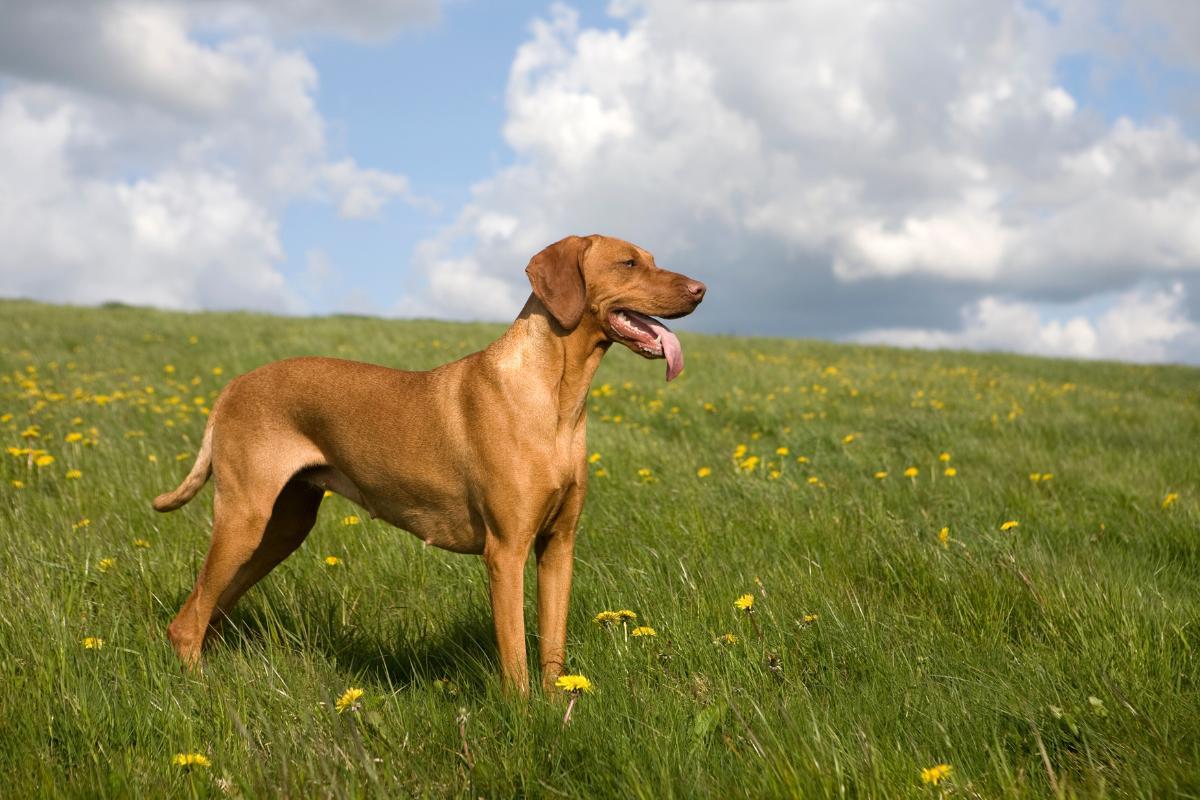
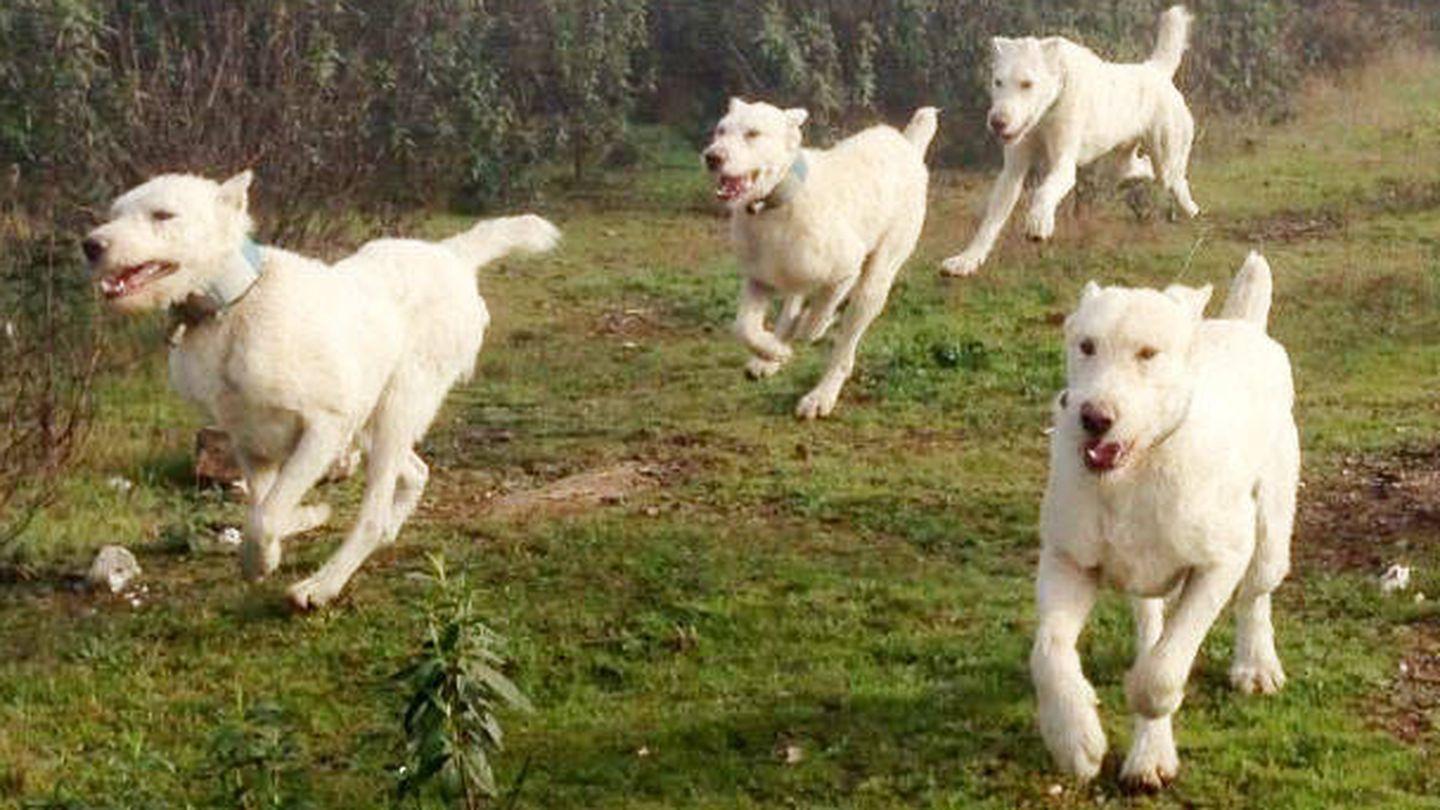
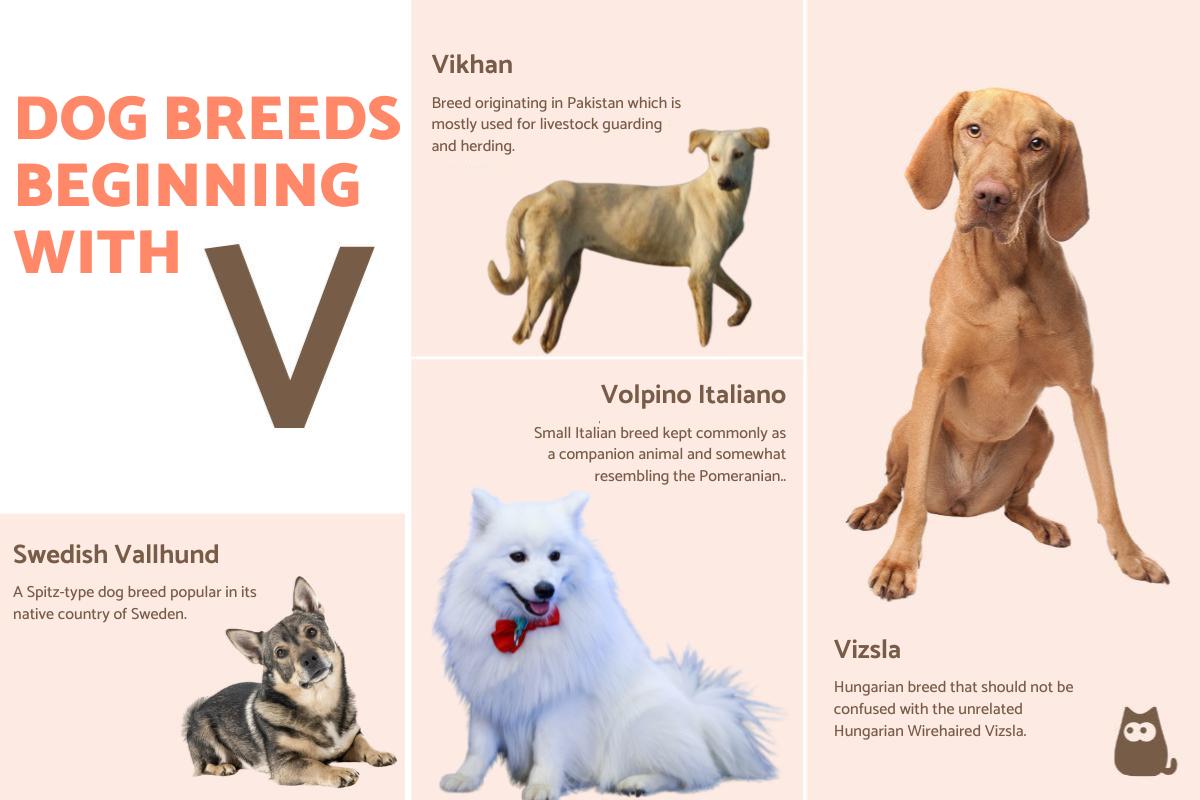
Dog breeds beginning with v, most notably the Vizsla and the Volpino Italiano, present distinct physiological and psychological requirements that demand specialized care strategies. The Vizsla represents an athletic, high-drive sporting archetype needing intense physical conditioning to prevent destructive frustration behaviors, whereas the Volpino Italiano functions as an alert companion prone to vocal territorial displays if under-socialized. Both lineages mandate rigorous adherence to established Dog Behavior guidelines, ensuring that high mental stimulation and structured obedience training mitigate common hereditary anxiety triggers. Veterinarians evaluating these distinct groups must prioritize orthopedic screening for hip dysplasia and dermatological assessments for breed-specific sensitivities.
Key Specifications and Breakdown
| Observed Indicator / Factor | Veterinary & Behavioral Explanation | Actionable Management Protocol |
|---|---|---|
| High-Energy Pacing and Whining | Represents acute cognitive under-stimulation typical of high-drive working lineages requiring daily endurance tasks. | Incorporate structured scent games, off-leash tracking exercises, and consistent positive reinforcement routines. |
| Coat-Related Pruritus and Shedding | Signals potential seasonal allergies or lack of essential fatty acid balance within the daily feeding regimen. | Integrate marine-source omega-3 fatty acids and consult Dog Nutrition standards for targeted formulations. |
| Sudden Sound Sensitivity or Startle Response | Indicates an underdeveloped habituation threshold during the critical juvenile socialization window. | Execute systematic desensitization protocols under the supervision of a certified Dog Training specialist. |
Veterinary practitioners must establish baseline wellness profiles incorporating routine parasite screening, genetic orthopedic evaluations, and nutritional assessments tailored to the specific metabolic demands of active sporting and companion breeds. — American Veterinary Medical Association (AVMA)
Step-by-Step Practical Application and Guidelines
Managing dog breeds beginning with v successfully involves integrating daily preventive healthcare, structured environmental enrichment, and precision feeding schedules into the domestic routine. Caregivers should initiate structured leash training and social exposure before sixteen weeks of age to prevent adult fear-based reactivity. Furthermore, monitoring caloric intake against daily energy expenditure prevents canine obesity, a primary contributor to secondary joint degeneration in athletic variants. Routine physical exams focusing on cardiac auscultation, dental hygiene maintenance, and coat assessment ensure early detection of sub-clinical pathology, directly supporting long-term vitality and robust physiological function.
Common Challenges and How to Avoid Them
Underestimating the profound exercise and psychological stimulation needs of dog breeds beginning with v frequently results in severe separation anxiety, destructive chewing, and obsessive-compulsive behaviors. Caregivers must avoid treating high-endurance sporting dogs as sedentary house pets, as insufficient physical exertion consistently compromises emotional stability and neurological health. Implementing proactive environmental management, investing in puzzle-based feeding devices, and adhering to strict veterinary wellness checks prevent these behavioral regressions. For further insights into maintaining optimal physiological states, consult the comprehensive Dog Health and Dog Care repositories.
💬 Frequently Asked Questions
Explore More Pet Care and Animal Health Guides on PetsAnimalsWorld
Expanding knowledge regarding specialized canine lineages, preventive medicine, and behavioral modification empowers pet parents to deliver exceptional lifetime care. Discover additional expert resources, clinical guidelines, and behavioral frameworks by exploring the main library at Pets Animals World.
Visual Reference Gallery