Introduction
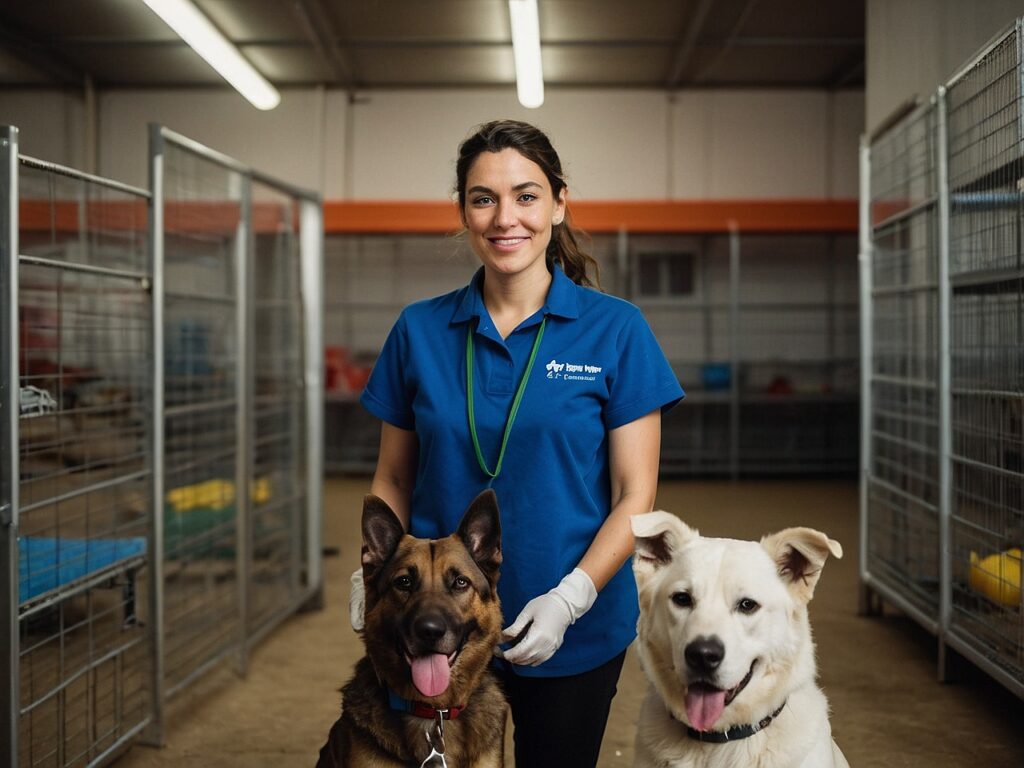
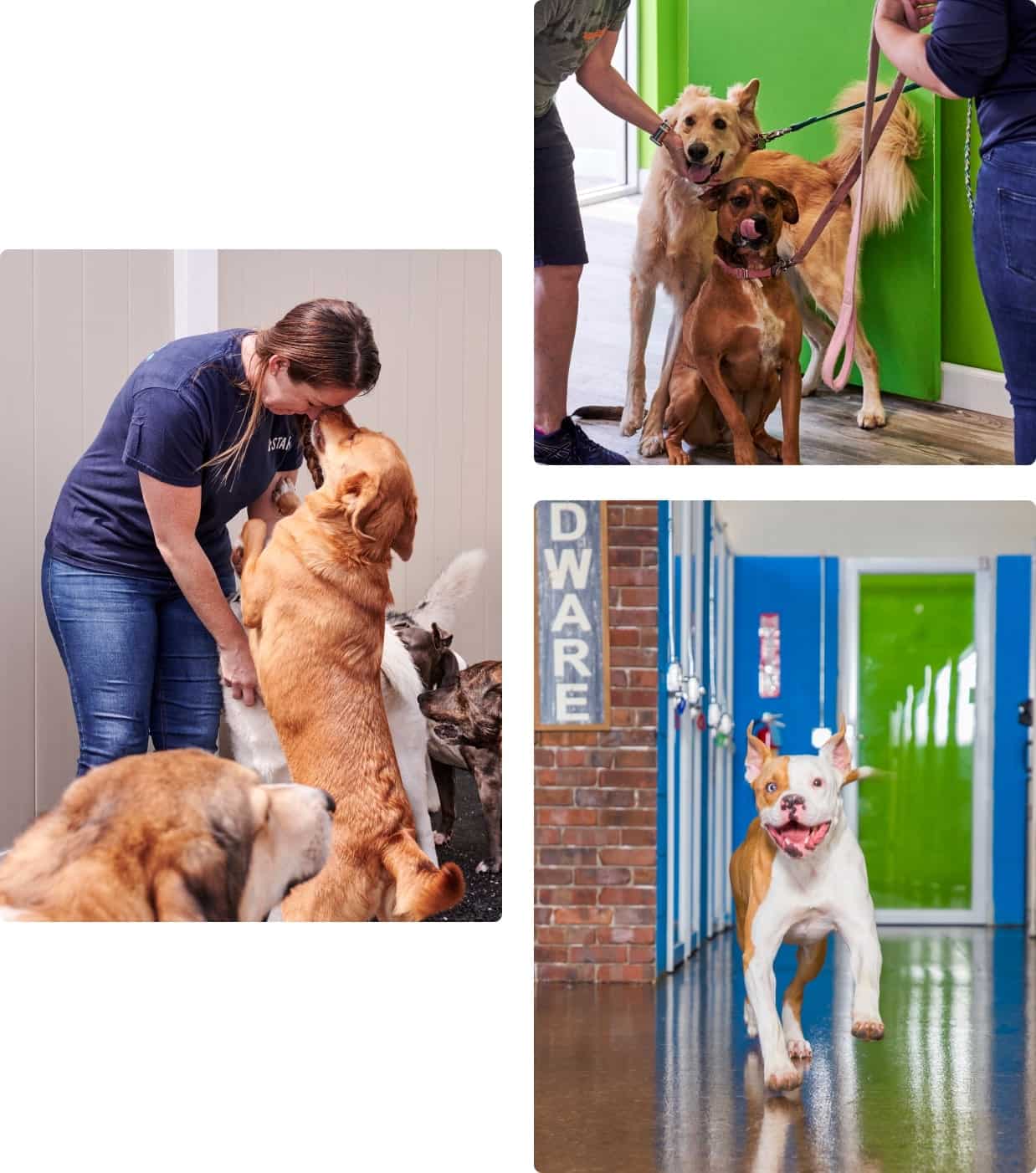
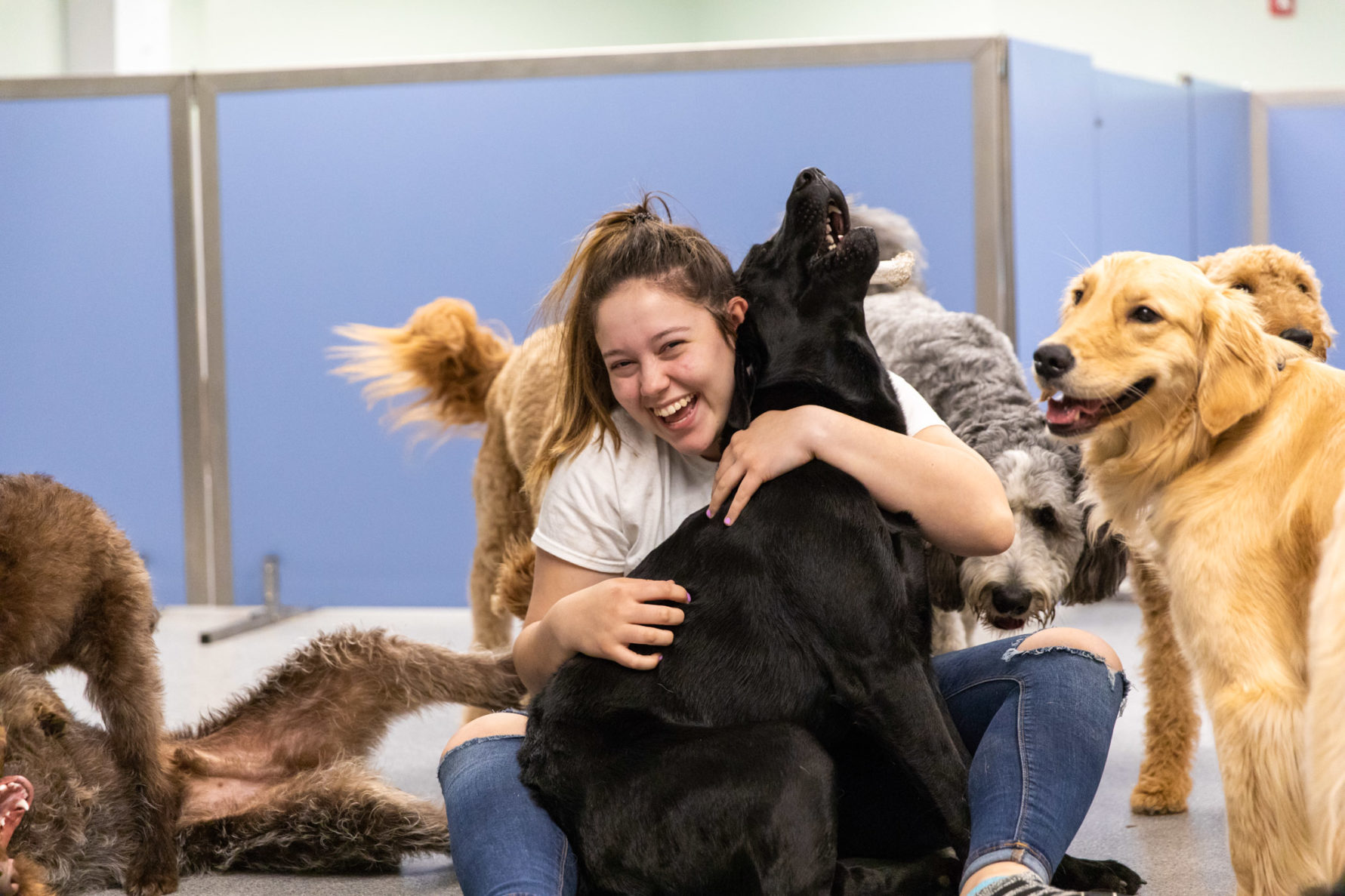
Dog day care jobs encompass professional roles dedicated to supervising, managing, and maintaining the physical and psychological well-being of group-housed canines in structured facility environments. According to the International Association of Animal Behavior Consultants (IAABC), professional animal caregivers must maintain continuous oversight of group dynamics to mitigate stress and prevent aggressive escalations among mixed play groups. Mastering these positions requires a robust understanding of canine ethology, effective disease transmission protocols, and appropriate physical handling techniques. Modern facilities rely on skilled staff members to recognize subtle somatic markers of canine anxiety, monitor rigorous cleaning regimens, and execute safe play yard interventions. Professionals in this sector must seamlessly blend foundational animal husbandry with advanced behavioral comprehension to ensure optimal operational safety. Facility managers and veterinary teams work in tandem to establish preventative health policies that protect every animal within the communal setting. Understanding the daily operational demands of these employment opportunities prepares prospective candidates for the rigorous realities of professional animal care. Exploring related educational resources via Dog Care builds a strong theoretical baseline for aspiring facility technicians.
Pet Wellness & Behavior Snapshot:
- Core Focus: Dog day care jobs involve supervising canine play groups, managing facility sanitation, and assessing behavioral health.
- Target Scope: Commercial boarding facilities, veterinary rehabilitation centers, and specialized canine enrichment establishments.
- Key Recommendation: Maintain low staff-to-dog ratios and implement proactive conflict interruption strategies during peak play hours.
Core Principles and Detailed Overview
Professional canine supervision within commercial facilities demands acute observational skills and adherence to strict animal husbandry standards. Direct answer: Dog day care jobs require continuous monitoring of physical body language, multi-dog group management, and prompt disease vector control. Caregivers must evaluate individual Dog Behavior patterns to identify early indicators of over-arousal, fatigue, or resource guarding before physical altercations occur. Staff members enforce strict vaccination verification procedures, manage individualized feeding schedules that align with proper Dog Nutrition, and administer prescribed medications accurately. Facility sanitation is equally paramount; employees utilize hospital-grade, pet-safe disinfectants to neutralize pathogens like canine parvovirus, bordetella, and giardia. Furthermore, staff members evaluate diverse Dog Breeds to accommodate varying energy levels, play styles, and physical vulnerabilities within shared yards. Daily duties also include maintaining accurate medical logs, monitoring ambient indoor temperatures, and ensuring constant access to potable hydration stations.
Key Specifications and Breakdown
| Observed Indicator / Factor | Veterinary & Behavioral Explanation | Actionable Management Protocol |
|---|---|---|
| Stiff posture and whale eye | Indicates acute stress, rising social tension, or potential defensive aggression. | Immediately redirect the subject away from the stimulus and initiate structured separation. |
| Loose stool in communal yard | Signals potential parasitic infection, dietary intolerance, or stress-induced colitis. | Isolate the affected animal, collect a fecal sample, and sanitize the surface thoroughly. |
| Excessive panting and drooling | Reflects high emotional arousal, physical exhaustion, or early-stage heat stress. | Move the animal to a climate-controlled rest crate with fresh water immediately. |
Facilities must maintain robust biosecurity protocols and isolation procedures to effectively minimize the transmission of infectious respiratory and gastrointestinal pathogens among group-housed animals. — American Veterinary Medical Association (AVMA). Related guide: Pet Profile Maltese Poodle Dog Introduction Sample.
Step-by-Step Practical Application and Guidelines
Executing daily responsibilities in animal care facilities requires following a systematic protocol that prioritizes safety, sanitation, and behavioral enrichment. Direct answer: Successful shift execution involves conducting morning health checks, organizing balanced play groups, monitoring active yard sessions, and performing end-of-day deep cleaning. Morning shifts commence with visual health assessments of incoming guests, checking for cutaneous abnormalities, limping, or nasal discharge. Staff then curate play groups based on size, temperament, and play style to minimize competitive friction. Throughout the day, employees utilize positive reinforcement techniques to encourage calm demeanor and interrupt undesirable behaviors before escalation. Afternoon schedules involve structured rest periods where dogs retreat to individual dens to prevent nervous system exhaustion and manage optimal metabolic states. Evening protocols require comprehensive facility washdowns, updating digital management software regarding individual pet behavior, and reviewing transition notes for incoming boarding guests. Reviewing professional insights via Dog Health equips staff with advanced diagnostic awareness for identifying subtle veterinary emergencies.
Common Challenges and How to Avoid Them
Navigating complex social dynamics and maintaining rigorous hygiene standards present significant operational hurdles for facility employees. Direct answer: Operational challenges in animal care are mitigated through ongoing behavioral education, strict adherence to sanitation schedules, and proactive safety management. Staff burnout frequently occurs due to high sensory stimulation and physical demands; facilities combat this by enforcing mandatory rotation breaks for handlers. Overcrowding in play yards creates an environment ripe for contagion spread and elevated stress levels; strictly enforcing maximum capacity caps prevents these issues. Misreading predatory drift or rough play as genuine aggression leads to either dangerous inaction or unnecessary trauma for the animals involved. Continuous education in Dog Training fundamentals ensures all staff members utilize uniform, fear-free intervention methods during unexpected incidents. Implementing these structured safeguards protects the physical safety of the animals and promotes a sustainable, professional work environment.
💬 Frequently Asked Questions
Explore More Pet Care and Animal Health Guides on PetsAnimalsWorld
Maintaining high standards of professional animal care requires continuous learning, evidence-based practices, and access to reliable veterinary resources. Professionals and enthusiasts can expand their expertise by browsing additional educational content, behavioral frameworks, and health guides available across Pets Animals World. Staying informed on emerging industry standards ensures optimal outcomes for every companion animal under professional supervision.
Visual Reference Gallery